
What is Lasagna Composting, and How Can It Benefit My Garden?
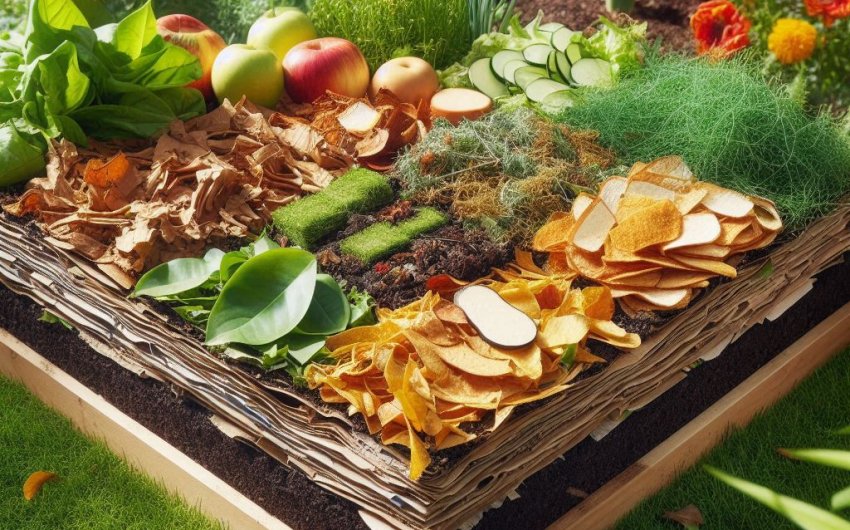
For gardeners seeking an accessible and effective method to enrich their soil, exploring what is lasagna composting offers a revolutionary approach to garden bed preparation and soil improvement. This unique, no-dig technique transforms organic waste into nutrient-dense planting areas by simply layering diverse materials, mimicking nature's own decomposition process. The benefits of this method extend from reduced labor to enhanced soil health, making it an attractive option for both novice and experienced growers.
What is Lasagna Composting?
Lasagna composting, also known as sheet composting or no-dig gardening, is a method of building garden beds directly on the ground by layering organic materials, much like assembling a lasagna. Unlike traditional composting where materials are broken down in a separate bin before being added to the garden, lasagna composting allows decomposition to occur in place, creating a rich, fertile planting medium over time.
The "Layers" Concept
The core principle of lasagna composting is the layering of different types of organic matter, typically categorized as "browns" (carbon-rich) and "greens" (nitrogen-rich).
- Brown Layers: These provide carbon, which is the energy source for decomposing microorganisms. They also add bulk and create aeration. Examples include shredded leaves, straw, newspaper, and cardboard.
- Green Layers: These provide nitrogen, essential for microbial reproduction and growth. They are typically fresh and moist. Examples include grass clippings, food scraps, and fresh manure.
By alternating these layers, you create the ideal carbon-to-nitrogen ratio (ideally around 25-30:1) necessary for efficient microbial decomposition. Each layer works together to slowly break down, transforming into a dark, crumbly, and nutrient-rich soil.
No-Dig and In-Situ Decomposition
A defining characteristic of lasagna composting is its no-dig approach and in-situ decomposition.
- No-Dig: You don't need to double-dig, till, or even remove existing sod. The layers are built directly on top of the desired garden area. This saves immense physical labor and also preserves existing soil structure and microbial life below.
- In-Situ Decomposition: The organic materials decompose directly where they are layered, meaning the nutrients are released into the very bed where plants will grow. This is a continuous process that builds soil fertility over time.
Gradual Process vs. Hot Composting
Lasagna composting is generally a slower, cooler process compared to traditional "hot composting" in a bin where piles are actively turned to generate high temperatures.
- Passive Decomposition: While a well-built lasagna bed will warm up slightly, it typically doesn't reach the high temperatures of a hot compost pile. This means it takes longer for materials to break down, and some weed seeds or pathogens may not be killed.
- Timeline: A lasagna bed built in the fall can often be planted in the spring. If built in spring, it might be ready for planting later in the same season, or you might choose to plant directly into the top layers if they are sufficiently decomposed or augmented with potting mix.
In essence, lasagna composting is about building a garden bed by strategically layering readily available organic materials. It's a forgiving, low-effort method that transforms waste into fertile soil right where you need it, answering the fundamental question of what is lasagna composting.
How Can Lasagna Composting Benefit My Garden?
Understanding what is lasagna composting naturally leads to the numerous advantages it offers to gardeners. This method provides a wealth of benefits that enhance soil health, reduce labor, and promote sustainable gardening practices.
1. Builds Healthy, Nutrient-Rich Soil
This is the primary and most significant benefit of lasagna composting.
- Improved Soil Structure: The layered organic materials decompose into humus, which is the stable organic matter in soil. Humus improves soil structure by making heavy clay soils more aerated and well-drained, and by increasing the water-holding capacity of sandy soils.
- Nutrient Cycling: As the layers break down, they release a slow, steady supply of essential plant nutrients (nitrogen, phosphorus, potassium, micronutrients) into the planting bed. This provides a natural, balanced food source for plants, reducing or eliminating the need for synthetic fertilizers.
- Boosts Microbial Life: The abundance of diverse organic matter creates a thriving environment for beneficial soil microbes, including bacteria, fungi, and earthworms. These organisms further enhance nutrient availability, suppress plant diseases, and improve overall soil health.
- pH Balancing: Over time, the decomposition process tends to buffer the soil pH, bringing it closer to a neutral range that is ideal for most garden plants.
2. Suppresses Weeds Naturally
One of the most appealing benefits, especially for new garden beds established over existing turf or weed-prone areas.
- Smothers Existing Vegetation: The initial layers (especially cardboard or newspaper) act as a light-blocking barrier, suffocating grass and weeds underneath.
- Prevents Weed Seed Germination: The thick layers of organic matter create an inhospitable environment for new weed seeds to germinate from below.
- Reduced Weeding: This significantly reduces the amount of weeding required, saving gardeners considerable time and effort throughout the season.
3. Reduces Physical Labor (No-Dig Method)
For many gardeners, the "no-dig" aspect is a game-changer.
- Eliminates Tilling/Digging: You don't need to break your back tilling, double-digging, or removing sod. You simply layer materials on top.
- Less Soil Compaction: Avoiding tilling also means less soil compaction, which is beneficial for soil structure and microbial life.
4. Recycles Organic Waste
Lasagna composting is an excellent way to divert household and yard waste from landfills.
- Waste to Resource: Instead of throwing away food scraps, grass clippings, or fallen leaves, you transform them into a valuable resource for your garden. This promotes a sustainable, circular economy in your backyard.
- Reduced Landfill Methane: By composting, you prevent organic waste from decomposing anaerobically in landfills, which produces methane, a potent greenhouse gas.
5. Conserves Water
The high organic matter content of a lasagna bed significantly improves water retention.
- Spongy Soil: The rich, humus-filled soil acts like a sponge, holding moisture for longer periods.
- Reduced Watering: This means your plants will require less frequent watering, conserving precious water resources and reducing your utility bills.
6. Faster Bed Establishment
While decomposition takes time, you can often establish a new garden bed much quicker than traditional methods of building up soil.
- Immediate Planting (with care): While full decomposition takes months, you can often plant into the top, more decomposed layers (or by adding a top layer of potting mix) relatively soon after building, especially for plants with shallow roots.
The comprehensive benefits of lasagna composting make it a truly transformative method for any gardener looking to improve soil, reduce work, and cultivate a more sustainable and vibrant garden.
How Do You Build a Lasagna Compost Bed? (Step-by-Step)
Building a lasagna compost bed is a straightforward process that involves layering various organic materials. While the exact ingredients can vary, the principle remains the same: alternating greens and browns to achieve the optimal carbon-to-nitrogen ratio for efficient decomposition. This step-by-step guide will walk you through the process of creating your own nutrient-rich, no-dig garden bed.
Step 1: Choose Your Site
The location of your lasagna compost bed is important for its success.
- Sunlight: Most vegetables and flowering plants need at least 6-8 hours of direct sunlight per day. Choose a sunny spot if you plan to grow sun-loving plants.
- Drainage: While lasagna beds improve drainage, avoid areas that are consistently waterlogged, as the bottom layers may become anaerobic.
- Accessibility: Choose a spot that's convenient for hauling materials and for future gardening tasks.
- Size and Shape: Determine the desired size and shape of your bed. You can outline it with string, old lumber, or simply by eye. No need to dig or remove grass/weeds.
Step 2: Lay Down the First "Smothering" Layer (Brown)
This layer acts as a weed and grass barrier.
- Materials: Use several layers of plain cardboard (remove all tape, labels, and shiny print) or a thick layer (6-8 sheets) of black and white newspaper.
- Application: Lay the cardboard or newspaper directly on the grass or soil, overlapping edges significantly (at least 6 inches) to prevent weeds from growing through the gaps. Wet this layer thoroughly with a garden hose sprayer to help it stay in place and begin decomposition.
- Height: This layer forms the impenetrable base.
Step 3: Add Alternating Layers of Browns and Greens
Now begins the "lasagna" process. The goal is to alternate thin layers of nitrogen-rich "greens" with thicker layers of carbon-rich "browns", wetting each layer as you go.
General Ratio: Aim for a ratio of approximately 2-3 parts browns to 1 part greens by volume. Each layer should be a few inches thick.
- Layer 1 (Green): Start with a thin layer (2-3 inches) of nitrogen-rich material.
- Examples: Fresh grass clippings, kitchen food scraps (no meat, dairy, or oily foods), coffee grounds, fresh manure.
- Moisture: Lightly moisten this layer if it's dry.
- Layer 2 (Brown): Follow with a thicker layer (4-6 inches) of carbon-rich material.
- Examples: Shredded fall leaves, straw, shredded paper, untreated wood chips (in moderation).
- Moisture: Wet this layer thoroughly to encourage decomposition.
- Repeat: Continue to alternate these layers.
Example Layering Sequence:
- Cardboard/Newspaper (wet) - Smothering layer
- Thin layer of Grass Clippings / Food Scraps (wet) - Green
- Thick layer of Shredded Leaves / Straw (wet) - Brown
- Thin layer of Manure / Grass Clippings (wet) - Green
- Thick layer of Shredded Cardboard / Newspaper (wet) - Brown
- ...and so on...
- Adding Variety: Incorporate different materials as you have them to create a diverse and nutrient-rich bed. Things like old potting mix, untreated sawdust (in thin layers), and plant trimmings can be added.
- Moisture is Key: Ensure each brown layer is thoroughly moistened. If any layer is too dry, decomposition will slow down dramatically. The entire bed should feel like a damp sponge.
Step 4: Finish with a Top Layer and Let it "Cook"
- Top Layer (Brown): Finish the entire bed with a final layer of brown material, such as straw or wood chips. This acts as a mulch, retaining moisture and giving the bed a tidy appearance.
- Height: Aim for a finished bed height of at least 18-24 inches, as it will compact and settle considerably over time (often by half or more).
- Water Thoroughly: Give the entire bed a final, deep watering to ensure all layers are moist and to initiate decomposition.
- Patience: Let the bed "cook" (decompose).
- Fall Build: If you build in the fall, it should be well-decomposed and ready for planting in the spring.
- Spring Build: If built in the spring, it may be ready in 2-3 months for shallow-rooted plants, or you can add a top layer of good potting mix or finished compost for immediate planting. The deeper layers will continue to decompose over the growing season.
By following these steps, you can successfully build a lasagna compost bed, transforming organic waste into a vibrant, fertile foundation for your garden.
What Materials Can and Cannot Be Used in Lasagna Composting?
The success of lasagna composting hinges on using the right mix of materials. While many organic items are beneficial, some should be avoided to prevent problems like pests, foul odors, or disease. Understanding these distinctions is key to achieving the secret ratio for perfect compost.
Recommended "Brown" Materials (Carbon-Rich)
These materials provide the necessary carbon, structure, and aeration for your lasagna bed.
- Cardboard: Plain, unprinted cardboard boxes (remove all tape, labels, and waxy coatings). Excellent smothering layer and carbon source. Shredding it helps it break down faster.
- Newspaper: Black and white print only. Shred or layer flat. Avoid glossy or colored sections.
- Fall Leaves: Abundant, free, and an excellent carbon source. Shredding them (e.g., with a leaf shredder or mulching mower) speeds decomposition.
- Straw: Provides great aeration and carbon. Avoid hay, as it often contains weed seeds.
- Pine Needles: Adds acidity, good for acid-loving plants in moderation. Break down slowly.
- Untreated Wood Chips/Sawdust: High in carbon, very slow to break down, so use in thinner layers or with plenty of greens to balance.
- Dried Plant Stalks/Stems: Shredded or cut into smaller pieces.
- Eggshells: Provide calcium and some structure. Crush them for faster breakdown.
- Non-glossy Paper Products: Paper towels (non-chemical), paper bags, toilet paper rolls.
Recommended "Green" Materials (Nitrogen-Rich)
These materials provide the nitrogen necessary to fuel microbial activity and heat.
- Fresh Grass Clippings: A very common and potent nitrogen source. Use in thin layers to avoid matting and odor.
- Kitchen Scraps: Fruit and vegetable peels, cores, coffee grounds (with filters), tea bags (remove staples). Bury these within the layers to deter pests.
- Manure: From herbivores only (horses, cows, chickens, rabbits). Ensure it's aged or well-composted if possible to reduce weed seeds and heat. Be wary of manure from animals treated with certain persistent herbicides (e.g., aminopyralid), as these can linger in compost and harm garden plants. A compost thermometer can help gauge breakdown.
- Green Plant Trimmings: Fresh, non-diseased leaves and soft stems from garden plants.
- Weeds: Non-seeded, green weeds (especially perennial weeds that don't easily root from fragments). If you suspect seeds, avoid or ensure hot composting in a separate bin first.
Materials to Avoid in Lasagna Composting
These items can attract pests, create foul odors, introduce diseases, or break down poorly.
- Meat, Bones, Dairy Products: Attract rodents and other pests, create strong odors, and break down slowly.
- Oils and Greases: Can become rancid, attract pests, and repel water.
- Pet Waste (Dog/Cat Feces): Can contain pathogens harmful to humans and should not be used in garden compost.
- Diseased Plants: Can spread plant diseases to your new garden bed.
- Weeds with Seeds: If the compost doesn't get hot enough (which is often the case with passive lasagna beds), these seeds can sprout in your new garden.
- Persistent Perennial Weeds: Weeds like bindweed, quackgrass, or nutsedge that can regrow from root fragments should be thoroughly dug out and avoided unless completely dried out or killed first.
- Black Walnut Leaves/Wood: Contains juglone, a natural herbicide that can inhibit the growth of many plants.
- Glossy or Coated Paper/Cardboard: Contains inks and chemicals that are not good for your garden.
- Treated Wood: Pressure-treated lumber, painted or stained wood can leach harmful chemicals.
- Inorganic Materials: Plastics, metals, glass, synthetic fabrics, rubber.
By carefully selecting and layering the right greens and browns, you can efficiently create a vibrant and healthy lasagna compost bed, setting the stage for a thriving garden without the usual digging.
How Do You Plant in a Lasagna Compost Bed?
Once your lasagna compost bed has settled and begun to decompose, it's time for the rewarding step of planting. The approach to planting in a lasagna bed differs slightly from traditional garden beds, depending on how long the bed has been "cooking" and the level of decomposition.
1. Assessing Decomposition and Settling
Before planting, it's important to evaluate the state of your lasagna bed.
- Compaction: The bed will have settled considerably, often shrinking to half its original height or more. This is normal and indicates decomposition.
- Decomposition Level:
- Fully Decomposed (Built in Fall, Planted in Spring): If built in the fall and left over winter, the top layers should be dark, crumbly, and resemble rich soil. You might still find some recognizable pieces of cardboard or larger browns deeper down, but the top 6-12 inches should be well broken down.
- Partially Decomposed (Built in Spring, Planted in Same Season): If built more recently, the layers may still be distinct, and decomposition might be ongoing. The top layers might be somewhat broken down, but deeper layers will still be raw.
2. Planting Strategies Based on Decomposition
The level of decomposition dictates your planting options.
A. For Fully Decomposed Beds (Ideal)
If your bed has had several months to decompose (e.g., fall-built bed for spring planting), it's ready for direct planting.
- Prepare the Surface: Gently rake or smooth out the top few inches of the bed.
- Planting: Plant seeds or transplants directly into the rich, dark compost as you would in any raised bed.
- Watering: Water thoroughly after planting. The compost will retain moisture well.
B. For Partially Decomposed Beds (Most Common for Spring Builds)
If you're building in spring and want to plant soon, you'll need to augment the top layer.
- Add a Top Layer of Finished Material: Add a 4-6 inch layer of finished, high-quality compost or a good quality potting mix on top of the lasagna layers. This provides an immediate nutrient-rich medium for roots to establish.
- Planting: Plant seeds or transplants into this top layer. Their roots will gradually grow down into the decomposing layers below as those break down further.
- Benefits: This allows you to plant relatively quickly after building the bed, even if the deeper layers are still "cooking."
C. Direct Planting Into "Raw" Layers (More Challenging)
While technically possible for very hungry, robust plants, this is generally not recommended for most vegetables or delicate seedlings.
- Problem: Raw organic matter in high concentrations can temporarily "steal" nitrogen from plants as microbes work to break it down. This is known as nitrogen immobilization or nitrogen tie-up. It can lead to yellowing leaves and stunted growth in your plants.
- Recommendation: If you must plant directly into fresh layers, ensure you have used a balanced C:N ratio, and consider adding a little extra high-nitrogen green material (like grass clippings or blood meal) to those top layers during construction. Monitor plants closely for signs of nitrogen deficiency.
3. Ongoing Care for Lasagna Beds
Lasagna beds continue to decompose and thrive with a few simple maintenance practices.
- Topdress Annually: Each spring (or fall), add a fresh 1-2 inch layer of finished compost or organic mulch to the top of the bed. This replenishes nutrients and organic matter lost to decomposition and plant uptake.
- Mulch: Maintain a layer of organic mulch (straw, wood chips, shredded leaves) around your plants to conserve moisture, suppress weeds, and feed the soil microbes.
- Watering: While lasagna beds retain moisture well, monitor the soil and water deeply when needed, especially during dry spells.
- Observation: Pay attention to how your plants are growing. If they look healthy, your bed is working!
By understanding the state of decomposition and choosing the appropriate planting method, you can successfully grow a thriving garden in your lasagna compost bed, enjoying the fruits (and vegetables!) of your no-dig labor.
What Are the Limitations and Potential Challenges of Lasagna Composting?
While lasagna composting offers numerous benefits, it's not without its limitations and potential challenges. Understanding these aspects helps gardeners set realistic expectations and troubleshoot problems, ensuring a more successful experience with this unique method of creating rich, fertile soil.
1. Time for Decomposition
One of the most significant "limitations" of lasagna composting is the time it takes for materials to fully break down.
- Slower Process: Unlike actively managed hot compost piles that can produce finished compost in weeks, a passive lasagna bed takes months to fully decompose. A bed built in fall is generally ready by spring; a spring-built bed might require waiting until late summer or next season for optimal planting without adding a top layer of finished compost.
- Impact: If you need a garden bed immediately, you'll either have to wait or bring in a significant amount of finished compost or soil for the top layer.
- Solution: Plan ahead. Build beds in the fall for spring planting. For quicker use, add a 4-6 inch layer of finished compost or potting mix on top.
2. Attracting Pests (If Not Managed Correctly)
While usually not a major issue with proper layering, certain materials can attract unwanted visitors.
- Problem: Including meat, dairy, oily foods, or pet waste can attract rodents, raccoons, and flies, as these items create strong odors as they decompose. Exposed kitchen scraps on the surface can also be an attractant.
- Solution: Strictly avoid prohibited materials (meat, dairy, oils, pet waste). Always bury kitchen scraps deep within the brown layers, or cover them immediately and completely with a thick layer of browns. A good top layer of finished compost or mulch also helps.
3. Nutrient Imbalance (Nitrogen Tie-Up)
If the carbon-to-nitrogen ratio is heavily skewed towards carbon (too many browns), it can temporarily "steal" nitrogen from plants.
- Problem: Microbes working to break down high-carbon materials (like wood chips or sawdust) will draw nitrogen from the surrounding soil (and potentially from your plants) to fuel their activity. This can lead to nitrogen immobilization and symptoms of nitrogen deficiency in your plants (yellowing leaves, stunted growth).
- Solution:
- Proper Ratio: Adhere to the recommended 2-3 parts browns to 1 part greens by volume.
- Aged Browns: For very woody materials, use aged (partially decomposed) wood chips or sawdust.
- Pre-Soak Browns: Wetting woody browns before adding them can help.
- Top Layer: If planting immediately into a new bed, always add a top layer of rich, finished compost or potting mix to provide immediate, available nutrients for young plants.
- Monitor: Watch your plants for signs of nitrogen deficiency and amend with a quick-release organic nitrogen source (like blood meal) if necessary.
4. Compaction Over Time (If Not Layered Properly)
While lasagna composting avoids initial compaction from tilling, incorrect layering can still lead to issues.
- Problem: Too many fine, dense layers (like matted grass clippings or too much wet shredded newspaper without enough coarse browns) can create anaerobic pockets and inhibit air circulation.
- Solution: Always include chunky, airy brown materials like straw or larger pieces of cardboard. Ensure each layer, especially browns, is adequately moistened but not soggy. A good compost aerator can also help introduce air if a pile becomes dense.
5. Sourcing Materials
Finding enough diverse organic materials, especially browns, can sometimes be a challenge for larger beds.
- Problem: You need a significant volume of materials to build a substantial lasagna bed.
- Solution: Plan ahead. Stockpile fall leaves. Ask neighbors, tree trimming services, or local businesses (coffee shops for grounds, grocery stores for produce waste, plain cardboard boxes from appliance stores). Consider a leaf collection system to manage large volumes of leaves.
Despite these potential challenges, by understanding and addressing them proactively, gardeners can successfully harness the power of lasagna composting. The immense benefits of building rich, healthy soil with minimal effort far outweigh these considerations, making it a valuable technique for any garden.