
How to Start Spanish Peanuts from Seeds Indoors?
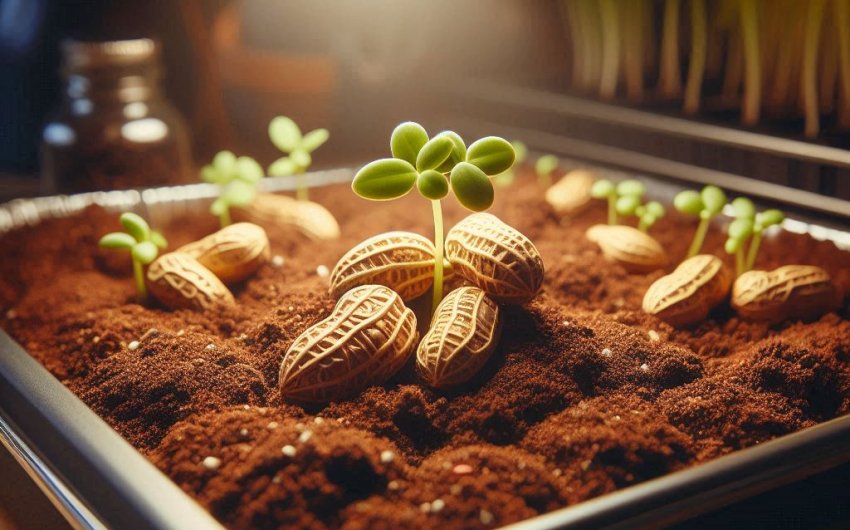
The idea of growing your own Spanish peanuts is wonderfully appealing, promising fresh, delicious nuts right from your garden. While these fascinating legumes famously produce their edible pods underground, the journey from a tiny seed to a bountiful harvest begins with careful cultivation. For many gardeners, especially those in regions with shorter growing seasons or cooler spring temperatures, starting Spanish peanuts from seeds indoors offers a significant advantage. This method gives your plants a head start, ensuring they have ample time to mature and produce a generous yield before the first frost.
While peanuts are generally known for their taproots and dislike of transplanting, with the right techniques and a gentle touch, indoor seed starting can be highly successful. It allows you to protect delicate seedlings from unpredictable early spring weather and common outdoor pests, ensuring a stronger, healthier start. This comprehensive guide will walk you through the essential steps and tips for starting Spanish peanuts from seeds indoors, from selecting the best seeds to nurturing your seedlings, guaranteeing a successful transition to your outdoor garden and a rewarding harvest of homegrown nuts.
Why Start Spanish Peanuts from Seeds Indoors?
What Are the Benefits of Starting Peanuts Indoors?
Starting Spanish peanuts from seeds indoors offers several compelling benefits, especially for gardeners who face specific climate challenges.
- Extended Growing Season: This is the primary benefit. Spanish peanuts require a long, warm growing season (typically 100-110 frost-free days) to mature their nuts underground. In regions with cooler springs or shorter summers, starting indoors gives your plants a head start of 3-4 weeks, ensuring they have enough time to mature before the first fall frost.
- Warmer Soil Conditions for Germination: Peanut seeds require warm soil (temperatures of (65^\circ\text{F}) ((18^\circ\text{C})) or ideally (70^\circ\text{F}) to (80^\circ\text{F}) ((21^\circ\text{C}) to (27^\circ\text{C}))) to germinate successfully. Indoors, you can easily control soil temperature, providing the ideal warmth for quick and reliable germination, even when outdoor soil is still cold.
- Protection from Pests and Weather: Young peanut seedlings are delicate and vulnerable to early season pests (like slugs, cutworms, birds) and unpredictable spring weather (late frosts, heavy rains, strong winds). Starting indoors protects them during their most fragile stage.
- Higher Germination Rates: By controlling moisture, temperature, and light indoors, you often achieve higher germination rates compared to direct sowing in fluctuating outdoor conditions.
- Stronger Seedlings: Indoor-started seedlings develop a robust root system and healthier top growth before being transplanted, giving them a head start when they move outdoors.
These benefits contribute to a more reliable and abundant peanut harvest.
What Are the Challenges of Transplanting Peanuts?
While starting indoors offers benefits, transplanting peanuts presents a specific challenge due to their unique root system.
- Taproot Sensitivity: Peanut plants develop a long, delicate taproot soon after germination. This taproot is very sensitive to disturbance and damage.
- Transplant Shock: When the taproot is damaged during transplanting, the plant can suffer severe transplant shock, which may manifest as wilting, stunted growth, or even death. This can negate the head start gained from indoor starting.
- Pegging Process: Later in their life cycle, after flowering, peanut plants develop "pegs" (specialized shoots) that grow downwards from the flowers into the soil to form the actual nuts. A disturbed root system or surrounding soil can potentially hinder this critical pegging process.
To overcome these challenges, specific techniques are used when starting peanuts indoors and during transplanting to minimize root disturbance.
How to Prepare for Indoor Peanut Seed Starting?
What Kind of Peanut Seeds Should I Use?
For starting Spanish peanuts from seeds indoors, using the right kind of peanut seeds is crucial for success.
- Raw, Unroasted, Unsalted Peanuts: Do NOT use roasted, salted, or blanched peanuts from the grocery store. They are processed and will not germinate. You need raw, unroasted, unsalted peanut seeds still in their shells or shelled.
- Spanish Peanut Variety: Ensure you are using Spanish peanut seeds. These are typically smaller than Virginia or Runner types, have a higher oil content, and a slightly sweeter flavor. They also have a bushier, more upright growth habit and a shorter growing season (100-110 days), making them ideal for gardeners in many climates.
- Reputable Seed Source: Purchase your peanut seeds from a reputable seed supplier or gardening store. This ensures you get high-quality, viable seeds that are disease-free. Garden centers will often sell specific Spanish peanut seeds for planting.
Using the correct seeds is the first step towards a bountiful harvest. You can usually find Spanish Peanut Seeds for Planting online or at specialty garden stores.
What Containers Are Best for Peanut Seedlings?
Choosing the best containers is critical for minimizing transplant shock when starting Spanish peanuts from seeds indoors.
- Biodegradable Pots (Highly Recommended): The most effective solution is to use biodegradable pots that can be planted directly into the ground without disturbing the root system.
- Peat pots: Made from compressed peat.
- Cow pots: Made from composted cow manure.
- Jiffy pots/pellets: Expand when watered.
- Paper pots: You can DIY them.
- Benefits: These types of pots allow the roots to grow through the pot walls, and the entire pot is planted, eliminating the need to remove the seedling and thus preventing taproot damage.
- Larger Cell Packs/Small Individual Pots: If not using biodegradable pots, use larger individual cells (e.g., 3-4 inches wide) rather than small cell packs. This gives the taproot more initial room to grow before it becomes root-bound.
- Drainage Holes: All containers must have drainage holes to prevent overwatering and root rot.
The goal is to provide enough initial space while allowing for easy, disturbance-free transplanting.
What Kind of Potting Mix Should I Use?
Using the right kind of potting mix is crucial for indoor seed starting for Spanish peanuts. Do not use garden soil.
- Sterile Seed-Starting Mix: Use a high-quality, sterile seed-starting mix. These mixes are lightweight, fine-textured, and designed to provide good aeration and moisture retention while being free from weed seeds, pests, and diseases.
- Lightweight and Well-Draining: The mix should be light and fluffy to allow delicate seedlings to emerge easily and to provide good drainage to prevent root rot.
- Low Nutrient Content: Most seed-starting mixes are low in nutrients, which is ideal for germination. You will supplement nutrients later once the seedlings are established.
- Peat or Coco Coir-Based: Most commercial seed-starting mixes are peat moss or coco coir-based, with perlite or vermiculite added for drainage and aeration.
A good Organic Seed Starting Mix will provide the ideal environment for your peanut seeds.
How to Plant Spanish Peanut Seeds Indoors?
Should I Shell the Peanuts Before Planting?
Yes, you should shell the peanuts before planting them indoors.
- Increased Germination Rate: While peanut seeds can germinate in their shells, removing the shell significantly increases the germination rate and speeds up the process. The hard outer shell can impede water absorption and slow down sprouting.
- Inspection: Shelling allows you to inspect the individual kernels. Discard any shriveled, discolored, or damaged kernels. Only plant plump, healthy-looking ones.
- Gentle Shelling: Be very gentle when shelling the peanuts to avoid damaging the kernel itself. The thin paper-like skin (testa) around the kernel can remain.
- Freshness: The fresher the peanut, the better the germination rate.
Only shell the peanuts right before you intend to plant them to maintain their viability.
How Deep and How Far Apart Should I Plant?
Planting depth and spacing are important for optimal germination and healthy seedling development.
- Depth: Plant shelled peanut seeds about 1 inch deep in your chosen containers.
- Not too shallow: If too shallow, they can dry out quickly or be disturbed.
- Not too deep: If too deep, they might use too much energy pushing through the soil, leading to weaker seedlings or failure to emerge.
- Spacing in Pots:
- One seed per biodegradable pot: If using biodegradable pots (like peat pots or cow pots), plant one shelled peanut seed per pot. This is ideal for minimizing transplant shock.
- Multiple in larger trays (with thinning): If using larger seed trays or containers, plant seeds about 2-3 inches apart. You will need to thin them later to ensure sufficient space for each seedling.
Proper depth and initial spacing prevent overcrowding and allow for strong early growth.
What Is the Ideal Watering and Temperature for Germination?
Providing ideal watering and temperature conditions is crucial for successful peanut seed germination.
- Watering:
- Consistently Moist: Keep the seed-starting mix consistently moist but not soggy. Peanut seeds need a continuous supply of water to swell and germinate.
- Mist Gently: After planting, gently mist the surface with a spray bottle to avoid disturbing the seeds.
- Cover for Humidity: To maintain humidity and prevent the surface from drying out, you can cover the containers with a clear plastic dome or plastic wrap. Remove the cover once seedlings emerge to improve air circulation.
- Temperature: Peanut seeds are heat lovers and require warm soil temperatures for successful germination.
- Ideal Range: Aim for a soil temperature between (70^\circ\text{F}) and (80^\circ\text{F}) ((21^\circ\text{C}) to (27^\circ\text{C})). Temperatures below (65^\circ\text{F}) ((18^\circ\text{C})) can significantly delay germination or lead to failure.
- Heating Mat: A Seedling Heat Mat placed under your seed trays is highly recommended for maintaining optimal soil temperature and ensuring quick, even germination.
- Germination Time: With ideal temperature and moisture, peanut seeds typically germinate within 7-14 days.
These conditions create the perfect environment for your Spanish peanuts to sprout.
How Do I Care for Spanish Peanut Seedlings Indoors?
What Are the Light Requirements for Seedlings?
Once your Spanish peanut seedlings emerge, meeting their light requirements is critical for strong, healthy growth and to prevent them from becoming leggy.
- Bright Light (Crucial): Peanut seedlings need bright light as soon as they sprout. Without enough light, they will become "leggy" – tall, thin, and stretched out as they desperately reach for a light source. This makes them weak and less robust when transplanted.
- Grow Lights (Highly Recommended): A sunny windowsill might not provide enough consistent light, especially in winter months or on cloudy days. Grow lights are highly recommended for indoor peanut seedlings.
- Types: LED grow lights are energy-efficient and effective.
- Distance: Position the grow light about 2-4 inches above the tops of the seedlings. Adjust the height as the seedlings grow to maintain this distance.
- Duration: Provide 12-16 hours of light per day, using a timer for consistency.
- Avoid Direct Sun (Initially): While mature peanut plants love full sun, young seedlings grown under grow lights or in lower light conditions indoors should be gradually acclimated to direct outdoor sun during the hardening off process.
Adequate light from day one is key to developing sturdy, healthy seedlings.
How to Water and Fertilize Young Peanut Seedlings?
Watering and fertilizing young peanut seedlings indoors needs to be precise to support their growth without causing issues.
- Watering:
- Consistently Moist: Keep the potting mix consistently moist but not soggy. Peanut seedlings do not like to dry out completely.
- Method: Bottom watering (placing the pots in a tray of water and allowing the soil to wick up moisture) is an excellent method for seedlings, as it ensures thorough moisture without disturbing delicate seedlings or creating surface crusts. You can also use a gentle mister or a very fine-stream watering can.
- Drainage: Always ensure excess water drains from the pots.
- Fertilizing:
- Delay Initially: Most seed-starting mixes are low in nutrients, but seedlings draw initial energy from the seed itself.
- Start Lightly: Begin fertilizing only after the seedlings have developed their first set of true leaves (the leaves that appear after the initial seed leaves) and are about 3-4 inches tall, typically 2-3 weeks after germination.
- Diluted Fertilizer: Use a balanced, all-purpose liquid fertilizer (e.g., 5-5-5 or 10-10-10 NPK) diluted to half or quarter strength.
- Frequency: Fertilize every 2-3 weeks.
- Avoid Over-fertilizing: Too much fertilizer can burn delicate seedling roots. Remember, peanuts are legumes and will fix their own nitrogen later, so excessive nitrogen is generally avoided.
A gentle hand with watering and fertilizing promotes healthy development.
What Are Common Problems with Indoor Peanut Seedlings?
Even with careful attention, you might encounter a few common problems with indoor peanut seedlings.
- Leggy Seedlings:
- Cause: Insufficient light.
- Solution: Provide more intense light immediately (move closer to a grow light or window).
- Damping Off:
- Cause: Fungal disease in overly wet, poor air circulation conditions. Seedlings suddenly collapse at the soil line.
- Solution: Use sterile seed-starting mix. Ensure good drainage. Avoid overwatering. Provide good air circulation (small fan).
- Yellowing Leaves:
- Cause: Can be overwatering, underwatering, or a nutrient deficiency.
- Solution: Check potting mix moisture. Ensure drainage holes. If consistent moisture, consider light fertilizing as described above.
- Slow Growth:
- Cause: Often too cool soil temperature, insufficient light, or nutrient deficiency.
- Solution: Check soil temperature (use a heat mat). Increase light. Begin light fertilization.
- Pests: While less common indoors, fungus gnats (tiny flying insects) indicate overwatering. Aphids can sometimes appear.
- Solution: For fungus gnats, let soil dry out more between waterings. For aphids, hand-pick or use insecticidal soap.
Regular observation helps catch these issues early.
How to Harden Off and Transplant Spanish Peanut Seedlings?
What Is Hardening Off and Why Is It Important?
Hardening off is the crucial process of gradually acclimating indoor-started seedlings to outdoor conditions before transplanting them into the garden. It's absolutely important for Spanish peanuts to prevent severe transplant shock.
- Why it's important: Indoor seedlings are accustomed to stable temperatures, gentle air, and filtered light. Suddenly moving them outdoors exposes them to harsh sunlight (UV radiation), wind, fluctuating temperatures, and different humidity levels. This abrupt change can severely stress or kill unprepared seedlings.
- The Process: Begin the hardening off process about 1-2 weeks before your planned transplant date.
- Day 1-2: Place seedlings outdoors in a sheltered, shady spot (e.g., under a tree or on a porch) for 2-3 hours.
- Day 3-4: Move them to a slightly brighter, but still indirect, light location for 3-4 hours.
- Day 5-6: Gradually increase their exposure to direct morning sun and longer periods outdoors, moving them to brighter spots each day.
- Day 7-14: Increase duration outdoors, including some direct afternoon sun exposure if possible, until they are spending full days and nights outside.
- Monitoring: Watch seedlings closely for signs of stress (wilting, leaf scorch). Bring them in if harsh weather (strong winds, heavy rain, cold nights) is predicted.
This gradual transition significantly improves transplant success.
When Is the Best Time to Transplant Outdoors?
The best time to transplant Spanish peanut seedlings outdoors is critical for their survival and successful fruiting.
- After Last Frost: Wait until all danger of frost has passed in your area. Peanuts are very sensitive to frost.
- Warm Soil Temperature: Most importantly, ensure the soil temperature outdoors has consistently warmed up. Use a soil thermometer to check. The soil temperature should be at least (65^\circ\text{F}) ((18^\circ\text{C})), ideally (70^\circ\text{F}) ((21^\circ\text{C})) or warmer, to encourage rapid root establishment and avoid chilling the tender seedlings.
- No Cold Snaps Predicted: Check the weather forecast to ensure no sudden cold snaps or prolonged rainy, cool periods are expected immediately after transplanting.
- General Timing: Depending on your climate, this usually falls in late spring to early summer.
Waiting for consistently warm soil temperatures and stable weather conditions is key for healthy establishment. A Soil Thermometer for Garden is invaluable here.
What Is the Best Method for Transplanting Peanuts to Minimize Shock?
The best method for transplanting peanuts to minimize shock focuses on protecting their delicate taproot.
- Prepare the Garden Bed: Ensure your outdoor garden bed is already prepared with loose, sandy loam soil and amended for drainage and nutrients. Dig holes at the recommended spacing (about 6 inches apart within rows, with rows 24-36 inches apart).
- Water Seedlings: Water your peanut seedlings thoroughly in their pots a few hours before transplanting. This ensures the root ball is moist and holds together.
- Handle Biodegradable Pots Carefully: If using biodegradable pots (peat, cow, paper), plant the entire pot directly into the prepared hole. Ensure the rim of the biodegradable pot is completely covered by surrounding soil to prevent it from acting as a wick and drying out the root ball. You can gently tear the bottom of the pot to help roots escape if needed.
- Handle Non-Biodegradable Pots (Extreme Care): If using plastic pots, this step is the trickiest. Gently slide the seedling out of its pot, supporting the entire root ball. Do NOT pull the plant by its stem. Place the seedling into the prepared hole without disturbing the root ball as much as possible.
- Plant at Same Depth: Plant the peanut seedling at the same depth it was growing in its container.
- Backfill Gently: Fill around the root ball with garden soil, gently firming it (don't compact it heavily).
- Water Immediately and Thoroughly: Water the newly transplanted peanut seedlings immediately and thoroughly to settle the soil and eliminate air pockets around the roots.
Minimize root disturbance at every step.
What Care Is Needed Immediately After Transplanting?
Care immediately after transplanting is crucial to help your Spanish peanut seedlings recover and thrive in their new outdoor home.
- Consistent Watering: For the first 1-2 weeks after transplanting, ensure the soil remains consistently moist (but not soggy). New roots need steady moisture to establish. Gradually reduce watering frequency as plants become established, transitioning to deep, infrequent watering.
- Protection from Initial Stress:
- Partial Shade (Initially): For the first day or two after transplanting, if the sun is very intense, you can provide temporary partial shade (e.g., with shade cloth or an overturned crate) to reduce transplant shock.
- Wind Protection: If windy, provide a temporary windbreak.
- Monitor for Pests: Keep an eye out for slugs, cutworms, or other pests that might target the tender young transplants.
- Avoid Fertilizing: Do not fertilize immediately after transplanting. The plant needs to focus on root establishment. If your bed was properly amended, there are enough nutrients. Wait at least 3-4 weeks.
- Patience: Some temporary wilting or slowed growth is normal for a few days after transplanting. Give your peanut seedlings time to adjust to their new environment.
With diligent care, your indoor-started Spanish peanuts will be well on their way to producing a delicious underground harvest.