
What Are the Benefits of Using Mulch for Spanish Peanuts?
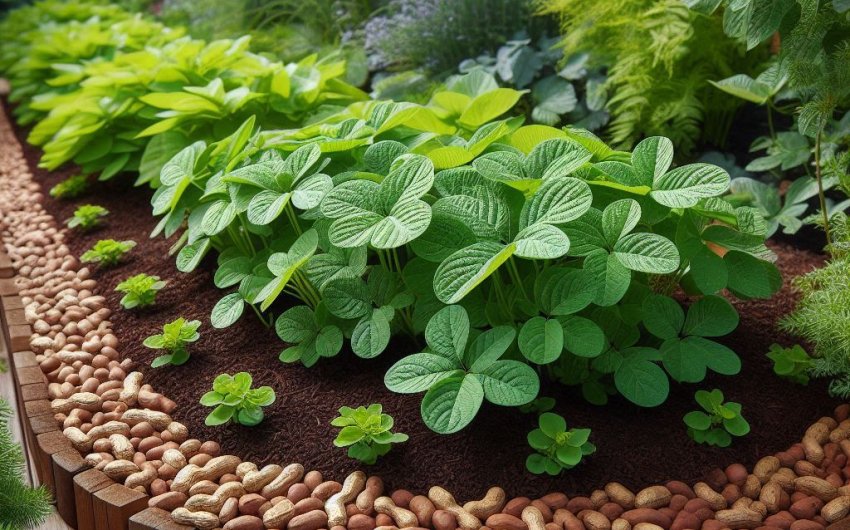
Growing your own Spanish Peanuts (Arachis hypogaea) can be an incredibly rewarding experience. There's a unique satisfaction that comes from harvesting these tasty legumes, known for their smaller, rounder kernels and high oil content, perfect for making delicious peanut butter or roasting for a snack. While peanuts might seem like an unusual crop for a home garden, they are surprisingly manageable, provided you understand their specific needs. One of the most beneficial, yet sometimes overlooked, practices for a successful Spanish Peanut crop is the strategic use of mulch.
Mulching is a simple gardening technique that involves covering the soil surface around plants with a layer of material. For peanuts, this practice offers a multitude of advantages that directly impact their growth, yield, and overall health. From keeping weeds at bay to regulating soil temperature, mulch benefits are diverse and significant. This guide will delve into why mulching Spanish peanuts is such a smart move, exploring the specific ways it supports healthy growth and helps you achieve a bountiful harvest. Get ready to discover how this easy step can make a big difference in your peanut patch.
How Does Mulch Help with Soil Moisture and Temperature for Spanish Peanuts?
The health of your Spanish Peanuts is deeply connected to their environment, especially the soil. Mulch plays a vital role in creating ideal soil conditions, specifically when it comes to moisture retention and temperature regulation. These two factors are critical for peanut plant growth and the development of the underground peanuts themselves.
How Does Mulch Aid in Soil Moisture Retention?
Spanish Peanuts need consistent moisture to thrive, especially during their flowering and "pegging" stages. Mulch acts like a blanket over the soil, directly helping with soil moisture retention in several key ways.
Firstly, a layer of mulch significantly reduces water evaporation from the soil surface. When bare soil is exposed to direct sunlight and wind, moisture quickly escapes into the air. Mulch shades the soil, blocking the sun's rays and slowing down the evaporation process. This means more water stays in the soil where peanut roots can access it.
Secondly, mulch can improve the soil's ability to hold water over time. Organic mulches, like straw or chopped leaves, break down slowly, adding organic matter to the soil. Organic matter acts like a sponge, increasing the soil's water-holding capacity. This is especially beneficial in sandy soils, which tend to drain very quickly, or in areas prone to drought. By keeping the soil consistently moist, mulch helps prevent stress to the peanut plants during dry spells. You'll find yourself needing to water less often, saving both time and water resources. This sustained moisture is absolutely crucial for the development of the peanut pods underground. For effective watering, a garden hose with sprayer can help deliver water evenly before mulching.
How Does Mulch Help Regulate Soil Temperature?
Soil temperature is another critical factor for Spanish Peanuts, and mulch helps maintain it within an ideal range. Peanuts are warm-season crops, meaning they love warmth, but extreme temperatures, either too hot or too cold, can harm their growth.
In hotter climates or during intense summer heat, a layer of mulch provides insulation that helps keep the soil cooler. Bare soil exposed to direct sun can heat up dramatically, potentially stressing peanut roots and hindering nutrient uptake. Mulch shades the soil, preventing this excessive heating and maintaining a more stable, moderate temperature that is comfortable for the peanut plant's root system. This helps prevent heat stress on the plants.
Conversely, in cooler regions or during cooler periods, mulch can help retain some of the soil's warmth. It acts as a barrier, slowing down the loss of heat from the soil into the colder air at night or on cooler days. This is particularly helpful early in the growing season, warming the soil slightly to encourage quicker germination and early growth of the Spanish Peanut seeds. By moderating temperature swings, mulch creates a more consistent and favorable environment for the entire life cycle of the peanut plant, from sprouting to pod development.
What Are the Weed Control Benefits of Mulching Peanuts?
Weeds are the bane of any gardener's existence, and they can be particularly problematic for Spanish Peanuts. Weeds compete aggressively for vital resources, and hand-weeding peanuts can be tricky due to their unique growth habit. This is where mulch benefits shine, offering superior weed control.
How Does Mulch Suppress Weed Growth Effectively?
One of the most immediate and visible benefits of mulching Spanish Peanuts is its ability to suppress weed growth effectively. This is achieved through two primary mechanisms:
Firstly, a thick layer of mulch acts as a physical barrier that blocks sunlight from reaching the soil surface. Most weed seeds need light to germinate. By depriving them of light, mulch prevents countless weed seeds from even sprouting. Those few persistent weed seeds that might manage to sprout will find it difficult to push through the dense layer of mulch, and many will die before reaching the light.
Secondly, for weeds that do manage to emerge, the mulch makes them much weaker and easier to remove. Their stems might be thin and pale, having struggled through the mulch layer, making them effortless to pull out by hand. This significantly reduces the time and effort you need to spend on hand-weeding, which is a huge advantage for gardeners. A clean, weed-free environment means your Spanish Peanut plants don't have to compete for water, nutrients, or light, allowing them to put all their energy into healthy growth and peanut production. A good garden hoe can help clear existing weeds before applying mulch.
Why Is Reducing Competition Crucial for Peanut Yield?
Reducing competition from weeds is absolutely crucial for maximizing your Spanish Peanut yield. Peanuts are relatively low-growing plants, and they can easily be overshadowed and outcompeted by taller, faster-growing weeds.
When weeds are present, they are directly competing with your peanut plants for several vital resources:
- Water: Weeds are notorious water guzzlers. In dry conditions, they can quickly deplete soil moisture that your peanuts desperately need, especially during the crucial pegging phase.
- Nutrients: Weeds absorb essential nutrients from the soil, leaving less available for your peanut plants to grow strong and produce healthy pods.
- Sunlight: Taller weeds can cast shade over the lower-growing peanut plants, blocking the sunlight they need for photosynthesis and energy production.
- Space: Weeds take up valuable space that could otherwise be used by the spreading peanut plants for their vines and for the pegs to penetrate the soil.
By effectively suppressing weeds with mulch, you ensure that all available water, nutrients, and sunlight go directly to your Spanish Peanut plants. This allows them to allocate their full energy to developing strong roots, lush foliage, and ultimately, a much larger and healthier crop of peanuts. This direct impact on peanut yield makes mulch an invaluable tool for any peanut grower.
How Does Mulch Support the Unique "Pegging" Process of Peanuts?
One of the most fascinating and critical stages in the life cycle of a peanut plant is the "pegging" process. This is when the plant forms its peanut pods underground. Mulch provides specific advantages that directly support this unique and essential reproductive step for Spanish Peanuts.
What Is the "Pegging" Process and Its Importance?
The "pegging" process is what makes peanuts so unique among common crops. Unlike most plants where the fruit or seed forms above ground, peanuts develop their pods underground.
Here's how it works: After a peanut plant flowers and the flowers are pollinated, a structure called a "peg" or "gynophore" emerges from the base of the withered flower. This peg is a fertilized ovary on a thin stalk. The peg grows downwards, elongating until it actually penetrates the soil. Once underground, the tip of the peg swells, and the peanut pod begins to develop. This process is absolutely essential for peanut formation. If the pegs cannot successfully enter the soil, no peanuts will form.
For Spanish Peanuts, which are typically grown for their smaller, rounder nuts, successful pegging is crucial for a good harvest. The pegs need to find loose, moist soil to penetrate easily. If the soil surface is hard, compacted, or too dry, the pegs will struggle or fail to enter, leading to a significantly reduced yield. This is where the mulch benefits become incredibly important.
How Does Mulch Create the Ideal Soil for Peg Penetration?
Mulch creates the ideal soil conditions for easy and successful peg penetration for your Spanish Peanuts. This is perhaps one of its most specialized benefits for this particular crop.
Firstly, by maintaining consistent soil moisture, mulch keeps the surface soil soft and workable. Dry, hard soil is very difficult for the delicate pegs to penetrate, often causing them to bend, break, or simply fail to grow underground. With mulch, the soil remains pliable, allowing the pegs to effortlessly push into the earth where they can begin developing their pods.
Secondly, organic mulches, as they decompose, contribute to a loose, friable soil structure. This means the soil doesn't become compacted as easily. Compacted soil is dense and hard, making it a barrier for the pegs. A fluffy, well-aerated soil layer, fostered by mulch, provides less resistance, allowing the pegs to smoothly descend and establish themselves without undue struggle.
Finally, mulch helps to keep the soil surface free of a hard "crust" that can form after heavy rain or watering on bare soil. This crust can also impede pegging. By protecting the soil surface, mulch ensures the pegs have a clear and soft path to reach their underground destination, directly supporting the formation of your peanut crop. This direct support of the peanut pegging process makes mulch indispensable for any peanut grower.
What Are the Soil Health Benefits of Using Mulch for Peanuts?
Beyond direct impacts on moisture, temperature, and weeds, mulch significantly contributes to the overall soil health in your peanut patch. Healthy soil, in turn, leads to healthier, more productive Spanish Peanut plants. This is a long-term benefit that improves your garden's foundation.
How Does Organic Mulch Improve Soil Structure and Fertility?
When you use organic mulch (like straw, chopped leaves, or grass clippings) around your Spanish Peanuts, you're not just covering the soil; you're actively enriching it. This improves soil structure and fertility over time.
As organic mulches break down, they release valuable nutrients into the soil. These nutrients become available for your peanut plants to absorb, providing a slow and steady supply of food. This constant replenishment of organic matter also supports a thriving soil microbiome – the community of beneficial microbes, fungi, and earthworms living in the soil. These organisms are crucial for breaking down organic material, cycling nutrients, and making them accessible to plants.
Furthermore, the addition of organic matter improves soil structure. In sandy soils, organic matter helps particles clump together, increasing water and nutrient retention. In clay soils, it helps break apart dense clumps, improving drainage and aeration. This creates a looser, more crumbly soil texture that is ideal for root growth and, as discussed, for peanut pegs to penetrate easily. A healthy soil structure also makes it easier for air and water to move through the soil, both vital for root respiration and nutrient uptake. This holistic improvement in soil health provides a robust environment for your Spanish Peanut crop. Using a soil test kit can help you understand your starting soil conditions.
What Is the Role of Mulch in Preventing Soil Erosion and Compaction?
Mulch acts as a protective shield for your garden soil, playing a significant role in preventing soil erosion and compaction. This is especially important for annual crops like Spanish Peanuts where the soil might be disturbed more frequently.
When bare soil is exposed to heavy rain, the impact of raindrops can dislodge soil particles, leading to erosion. The runoff then carries away valuable topsoil and nutrients. Mulch intercepts the raindrops, breaking their force and allowing water to gently seep into the soil. This drastically reduces erosion, keeping your precious topsoil and its nutrients in place where your peanut plants can use them.
Additionally, the pounding action of raindrops on bare soil can lead to soil compaction. Over time, compacted soil becomes dense and hard, making it difficult for water, air, and plant roots to penetrate. Mulch acts as a buffer, protecting the soil structure from this constant impact. It also helps prevent compaction from foot traffic if you occasionally walk near your peanut plants. By keeping the soil loose and aerated, mulch ensures that the peanut roots can grow freely and that the pegs can easily enter the ground, leading to healthier plants and better yields. This protective aspect of mulch benefits the long-term health and productivity of your peanut patch.
What Are the Best Types of Mulch to Use for Spanish Peanuts?
Choosing the right kind of mulch for your Spanish Peanuts is important to maximize its benefits. Not all mulches are created equal, and some are much better suited for this unique crop than others.
Why Is Straw a Highly Recommended Mulch for Peanuts?
Straw is arguably the most highly recommended mulch for peanuts, especially Spanish Peanuts. It offers a perfect combination of benefits that align perfectly with the peanut plant's needs.
- Loose and Light: Straw is airy and doesn't compact easily. This is crucial for the peanut's pegging process. The delicate pegs can easily push through a loose layer of straw to reach the soil beneath, which is much harder to do with denser mulches like wood chips.
- Good Moisture Retention: Despite its airy nature, straw is excellent at trapping moisture in the soil below, reducing evaporation effectively.
- Temperature Moderation: Straw provides good insulation, keeping the soil cool in hot weather and warmer in cooler weather.
- Weed Suppression: A sufficiently thick layer of straw (around 2-4 inches) is very effective at blocking sunlight and suppressing weed growth.
- Decomposition: As straw breaks down, it adds valuable organic matter to the soil, improving its structure and fertility over time.
- Availability and Cost: Straw is generally inexpensive and widely available, often found at garden centers, farm supply stores, or even online as bales of straw for gardening. Ensure you get straw, not hay, as hay contains weed seeds.
The only real downside is that straw can sometimes look a bit messy, but for a productive crop like Spanish Peanuts, its benefits far outweigh this minor aesthetic consideration. Its ability to support the unique pegging process makes it the top choice for mulching Spanish peanuts.
Are There Any Other Organic Mulch Options Suitable for Peanuts?
While straw is ideal, other organic mulch options can also be suitable for Spanish Peanuts, especially if straw is not readily available or if you have an abundance of other materials.
- Chopped Leaves: If you have access to a large supply of fallen leaves, chopping them up with a leaf shredder or lawnmower makes them an excellent mulch. Chopped leaves suppress weeds, retain moisture, and add organic matter as they decompose. They might be slightly denser than straw, so ensure the layer isn't too thick and compacted to allow for pegging. A leaf shredder can make preparing leaves much easier.
- Grass Clippings: Fresh, thin layers of grass clippings can work as mulch. However, it's crucial to apply them in very thin layers (no more than 1-2 inches at a time) to prevent them from compacting into a dense, water-repellent mat and becoming slimy or smelly. Ensure the grass has not been treated with herbicides. Like straw, they add nitrogen and organic matter to the soil.
- Compost: While more of a soil amendment, a layer of finished compost can also act as a light mulch. It suppresses some weeds, retains moisture, and provides nutrients. However, it might not be as effective as straw for weed suppression and can be more expensive to use solely as a mulch.
Avoid using wood chips or bark mulch for peanuts. These are generally too coarse and dense for the delicate peanut pegs to penetrate the soil, and they also break down very slowly, potentially tying up nitrogen in the soil. Stick to lighter, more easily penetrable organic materials for the best mulch benefits for your Spanish Peanut crop.
What About Plastic Mulches for Peanut Growing?
While plastic mulches (like black plastic or clear plastic sheeting) are sometimes used in commercial agriculture for crops like peanuts, they have both pros and cons, and are generally less recommended for home gardeners aiming for a natural approach to gardening.
Pros of plastic mulch:
- Excellent Weed Control: They provide nearly complete weed suppression by blocking all light.
- Significant Soil Warming: Black plastic, in particular, absorbs sunlight and significantly heats the soil, which can be beneficial in cooler climates or for earlier planting to jumpstart growth.
- Moisture Retention: They prevent evaporation, keeping soil moist underneath.
Cons of plastic mulch for Spanish Peanuts:
- Pegging Issues: This is the biggest drawback. Peanut pegs absolutely need to penetrate the soil. Plastic mulch forms an impenetrable barrier, meaning you would have to cut slits or holes in the plastic specifically for each peg, which is impractical and difficult. This makes them unsuitable for supporting the peanut pegging process.
- Environmental Impact: Plastic mulch is not biodegradable and contributes to plastic waste.
- Temperature Extremes: While warming is a pro, in very hot climates, black plastic can cause the soil to overheat, potentially stressing or damaging roots.
- No Soil Improvement: Unlike organic mulches, plastic mulch does not break down and add organic matter or nutrients to the soil. It doesn't improve soil structure or feed the soil microbiome.
For these reasons, particularly the difficulty with pegging and the lack of soil improvement, organic mulches like straw are generally far superior and more practical for home growers of Spanish Peanuts.
When and How Should You Apply Mulch to Spanish Peanuts?
Applying mulch at the right time and in the correct way is just as important as choosing the right material for your Spanish Peanuts. Proper application ensures you maximize the mulch benefits throughout the growing season.
What Is the Ideal Timing for Mulch Application?
The ideal timing for mulch application for Spanish Peanuts is usually after the plants have emerged and are somewhat established, but before they start their vigorous spreading and flowering.
- After Emergence and Initial Growth: Wait until your peanut seedlings are a few inches tall and have developed a couple of sets of true leaves. This ensures they are strong enough to handle the mulch, and it allows the soil to warm up naturally if you're planting early in the season.
- Before Vigorous Spreading and Pegging: Apply the mulch before the plants really start to send out their long stems (runners) and before they begin to flower. This is crucial because the flowers will soon turn into pegs that need to penetrate the soil. Applying mulch after pegs have formed would hinder their ability to reach the soil. Applying it before the runners spread makes it easier to lay down the mulch without disturbing the plants.
Early application also means you get the weed control benefits right away, preventing those early-season weeds from competing with your young peanut plants. This proactive approach sets your Spanish Peanut crop up for success.
How Thick Should the Mulch Layer Be for Peanuts?
The thickness of the mulch layer is important for effectiveness without hindering the peanut plant's unique growth. For Spanish Peanuts, a layer that is effective for weed suppression and moisture retention, but still loose enough for pegging, is ideal.
Aim for a mulch layer of 2 to 4 inches (5 to 10 cm) thick for most organic mulches like straw or chopped leaves.
- 2 inches: This might be sufficient in areas with very light weed pressure or if you're using a very dense material (which we generally advise against for peanuts). It provides some moisture retention and temperature moderation.
- 3-4 inches: This is generally the sweet spot for straw. It's thick enough to block most sunlight and effectively suppress weeds, provides good insulation, and yet remains loose and airy enough for the peanut pegs to easily grow through and enter the soil.
Make sure to apply the mulch evenly around the base of the plants, extending it out to the expected spread of the peanut vines. Avoid piling mulch directly against the plant stems, as this can encourage rot or pest issues. By getting the thickness right, you ensure your Spanish Peanuts receive all the amazing mulch benefits they need. A garden rake can help spread the mulch evenly.
Are There Any Downsides or Specific Considerations for Mulching Peanuts?
While the benefits of using mulch for Spanish Peanuts are numerous and significant, it's also important to be aware of any potential downsides or specific considerations. Knowing these will help you troubleshoot and ensure the best outcome for your crop.
Can Mulch Attract Pests or Diseases to Peanut Plants?
Generally, using the right kind of mulch for Spanish Peanuts (like straw) does not inherently attract pests or diseases. In fact, by creating a healthier plant and suppressing weeds, it often helps deter some common problems. However, there are a few points to consider:
- Rodents: A very thick, undisturbed layer of organic mulch can sometimes provide shelter for rodents like mice or voles. These creatures might chew on developing peanuts or plant parts. Regularly checking under the mulch or gently disturbing it can help deter them. Keeping the area around your garden tidy and free of hiding spots can also reduce rodent issues.
- Slugs and Snails: In very wet conditions, a perpetually damp mulch layer can sometimes create a more favorable environment for slugs and snails. If you notice a significant problem, try to ensure adequate air circulation and perhaps temporarily pull the mulch back slightly from the immediate base of the plant if conditions are consistently damp.
- Fungal Issues: If organic mulch is applied too thickly, especially if it gets compacted and stays waterlogged, it can create anaerobic (oxygen-lacking) conditions that might encourage some fungal growth or issues. This is why a loose, airy mulch like straw, applied at the correct thickness, is key.
These issues are generally minor and easily managed compared to the overwhelming mulch benefits. By monitoring your peanut patch and choosing appropriate mulching materials, you can largely avoid these potential problems.
What About Nutrient Tie-Up with Carbon-Rich Mulches?
A common concern with using certain carbon-rich mulches (like fresh wood chips or sawdust) is something called "nitrogen tie-up" (or nitrogen immobilization). This happens as microorganisms in the soil break down high-carbon materials. They use nitrogen from the soil to do this, temporarily making that nitrogen unavailable to your plants. This can lead to yellowing leaves and stunted growth if your plants become nitrogen deficient.
However, for Spanish Peanuts, this is generally less of a concern when using straw or well-aged chopped leaves.
- Straw: While straw is high in carbon, its C:N ratio is usually such that it doesn't cause a severe nitrogen tie-up when used as a surface mulch. The decomposition happens slowly on the surface, and nitrogen from the soil below or from fertilizers is generally still available to the roots.
- Chopped Leaves: Similarly, well-aged or finely chopped leaves break down more efficiently and typically don't cause significant nitrogen depletion.
The materials to specifically avoid for this reason are fresh wood chips, sawdust, or bark mulch, especially if incorporated into the soil. These have a very high carbon-to-nitrogen ratio and can indeed rob your peanut plants of vital nitrogen. Stick to straw or light, aged organic materials, and you likely won't encounter this issue with your Spanish Peanut crop. If you are concerned, a light application of a balanced organic fertilizer before mulching can help ensure ample nitrogen is available.
Is Mulch Recommended for All Growing Climates and Soil Types?
For Spanish Peanuts, mulch is highly recommended for most growing climates and soil types, though the specific benefits might vary slightly.
- Warm Climates: In very hot climates, mulch is essential for keeping the soil cool and moist, preventing heat stress on the peanut plants.
- Cooler Climates: In cooler climates or regions with shorter growing seasons, mulch can help warm the soil slightly in spring, encouraging faster germination and earlier growth. It also helps retain warmth on cooler nights.
- Sandy Soils: Mulch is exceptionally beneficial in sandy soils, which are prone to rapid drainage and nutrient leaching. Mulch helps these soils retain moisture and, as organic material decomposes, it improves the soil's water-holding capacity and fertility.
- Clay Soils: In heavy clay soils, mulch helps prevent compaction and improves aeration by encouraging beneficial soil organisms that loosen the soil structure. It also moderates temperature swings.
The key is selecting the right type of mulch (loose organic materials like straw) and applying it at the correct thickness. While the emphasis might shift (e.g., cooling in hot regions, warming in cool regions), the overarching mulch benefits for soil moisture, weed control, pegging, and overall soil health make it a universally valuable practice for a successful Spanish Peanut crop almost anywhere they can be grown.