
How to Prevent Overcrowding in Spanish Peanut Beds?
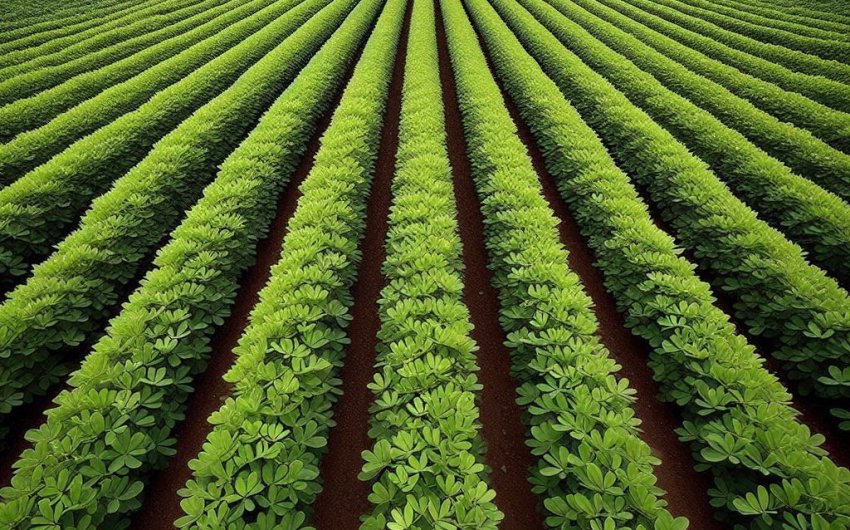
Growing your own Spanish peanuts can be an incredibly rewarding experience, offering a fresh, delicious harvest right from your garden bed. These hardy legumes produce their edible nuts underground, making their growth habit unique. However, like many garden plants, Spanish peanuts thrive when given adequate space. One common challenge new gardeners face is overcrowding, where too many plants are squeezed into a small area. This seemingly minor issue can significantly reduce your yield, promote diseases, and make your plants more susceptible to pests.
Ensuring proper spacing from the very beginning is fundamental to a successful peanut crop. When peanut plants are too close together, they compete fiercely for essential resources like sunlight, water, and nutrients. This intense competition weakens individual plants, leading to smaller, less productive specimens and a disappointing harvest. This guide will walk you through precise methods for preventing overcrowding in your Spanish peanut beds, covering everything from initial planting strategies to thinning techniques, ensuring your plants have the best possible conditions to produce an abundant crop of tasty nuts.
Why Is Preventing Overcrowding Crucial for Spanish Peanuts?
How Does Overcrowding Affect Peanut Yield?
Overcrowding severely impacts the yield of Spanish peanuts. When plants are too close together, they compete directly for everything they need to grow: sunlight, water, and nutrients in the soil.
- Sunlight competition: Each peanut plant needs ample sunlight to perform photosynthesis, the process by which it makes food. In an overcrowded bed, taller or bushier plants can shade out their smaller neighbors, preventing them from getting enough light. This leads to weak, spindly plants that produce fewer flowers and, consequently, fewer peanuts.
- Nutrient depletion: The soil in your garden bed has a limited amount of nutrients. When too many plants are packed into one space, they quickly use up these vital resources. This starves individual plants, hindering their development and the formation of healthy peanuts.
- Water scarcity: Similarly, a dense canopy of peanut plants rapidly depletes soil moisture. Even with regular watering, the sheer number of plants drawing water means each one gets less, leading to stress, especially during dry periods.
- Reduced pegging: Spanish peanuts develop their nuts from "pegs" – specialized shoots that grow downwards from the flower into the soil. Overcrowding creates a dense canopy and compacted soil surface, making it harder for these pegs to penetrate the ground, which directly reduces the number of peanuts formed.
All these factors combine to result in a significantly lower overall yield of peanuts, both in quantity and quality.
Does Overcrowding Increase Pest and Disease Problems?
Yes, overcrowding significantly increases the risk of pest infestations and disease problems in your Spanish peanut beds.
- Poor air circulation: When peanut plants are too close, their foliage creates a dense, humid microclimate with very little airflow between plants. This warm, moist environment is perfect for the development and spread of various fungal diseases like leaf spot or southern blight. Lack of air circulation also means that if one plant gets sick, the disease can quickly jump to its neighbors.
- Pest hideouts: The dense foliage provides ideal hiding spots for many garden pests, such as aphids, spider mites, and various larvae. These pests can multiply unseen in the crowded conditions, rapidly leading to a full-blown infestation that is much harder to control than in a well-spaced bed. The weaker, stressed plants (due to competition) are also more susceptible to pest damage.
- Difficulty in monitoring: In an overcrowded bed, it's very difficult to inspect individual plants for early signs of pests or diseases. Problems can become widespread before you even notice them, making treatment much more challenging.
Proper spacing helps create a healthier environment for your peanut plants, reducing their vulnerability to these common garden woes.
How Do I Prepare My Garden Bed to Prevent Overcrowding?
What Is the Best Soil Type for Spanish Peanuts?
The soil type is incredibly important for Spanish peanuts, and getting it right from the start can help prevent overcrowding by promoting healthy, uniform growth. Spanish peanuts prefer loose, sandy loam soil that is well-draining.
- Loose and sandy: This is crucial because peanuts form underground. The loose texture allows the "pegs" (the developing peanut pods) to easily penetrate the soil and expand. Heavy, clay-rich soils can compact around the developing nuts, making it difficult for them to mature properly and making harvesting very challenging.
- Well-draining: While peanuts need consistent moisture, they cannot tolerate soggy conditions. Well-draining soil prevents root rot and other moisture-related diseases, which are more likely to occur in overcrowded conditions.
- pH level: Spanish peanuts thrive in slightly acidic to neutral soil, with a pH between 5.9 and 7.0. If your soil is too acidic or too alkaline, it can hinder nutrient uptake, leading to weaker plants more prone to overcrowding issues.
Before planting, it's highly recommended to do a soil test. This will tell you your soil's current pH and nutrient levels, allowing you to amend it correctly. You can purchase a Soil pH Test Kit for easy home testing.
How Should I Amend My Soil?
Once you know your soil type and test results, you can amend it to create the ideal environment for Spanish peanuts and reduce the chances of overcrowding.
- Improving drainage and looseness: If you have heavy clay soil, incorporate a generous amount of organic matter such as compost, well-rotted manure, or sandy loam. This will break up the clay particles, improve drainage, and create a looser texture essential for peg development. Aim for a depth of at least 12-18 inches where the peanuts will grow.
- Adjusting pH:
- If your soil is too acidic (low pH), add agricultural lime to raise the pH.
- If your soil is too alkaline (high pH), add elemental sulfur or peat moss to lower the pH.
- Always follow the recommendations from your soil test for the correct amounts.
- Nutrient supplementation: While peanuts are legumes and can fix their own nitrogen (with the help of beneficial bacteria), they still need other nutrients. Add a balanced fertilizer or more compost based on your soil test results. Avoid excessive nitrogen, as it promotes leafy growth at the expense of peanut production. Focus on phosphorus and potassium, which are important for root development and flowering. You can find a good Organic Garden Fertilizer that is balanced for vegetables.
Thoroughly mix amendments into the top foot or more of your garden bed to ensure an even distribution.
What is the Best Bed Design for Spanish Peanuts?
The design of your garden bed can greatly influence how effectively you prevent overcrowding.
- Raised beds: Raised beds are excellent for Spanish peanuts. They allow you to create the ideal loose, sandy loam soil with perfect drainage from scratch. They also provide better control over soil composition and make it easier to maintain spacing. Build your raised beds at least 12 inches deep, preferably 18 inches, to give the peanuts ample room to grow underground. Consider using a Cedar Raised Garden Bed Kit.
- Traditional in-ground beds: If planting in-ground, ensure the area is well-dug and amended as described above. Consider creating permanent pathways between planting areas to define your peanut beds and ensure you have enough growing space without compaction from foot traffic.
- Row orientation: Plant your rows in an east-west direction if possible, especially in areas with full sun. This helps ensure that all plants receive maximum sunlight exposure throughout the day, reducing shading and competition.
- Bed width: Keep your peanut beds to a manageable width, typically no more than 3-4 feet if you need to access them from both sides, or 2 feet if accessible from only one side. This ensures you can easily reach all plants for planting, thinning, weeding, and harvesting without stepping on the soil and compacting it.
A well-designed bed promotes healthy growth and makes future maintenance easier, directly contributing to the prevention of overcrowding.
How Should I Space Spanish Peanut Seeds?
What Is the Recommended Spacing for Spanish Peanuts?
Proper spacing is the most direct way to prevent overcrowding in your Spanish peanut beds. For Spanish peanuts, which tend to have a bushier, more upright growth habit compared to spreading varieties, the recommended spacing is crucial.
- In-row spacing: Plant your peanut seeds or seedlings about 6 inches apart within the rows. This allows each plant enough room for its root system to develop and for its foliage to spread without immediately touching its neighbors.
- Between-row spacing: Space your rows about 24 to 36 inches apart. This wider spacing is vital for several reasons:
- Air circulation: Provides ample airflow between rows, reducing humidity and the risk of fungal diseases.
- Sunlight penetration: Ensures that all plants, even those in the middle of a dense bed, receive sufficient sunlight.
- Pegging room: Most importantly, it gives the pegs room to grow downwards into the soil from the flowers. Spanish peanuts develop their nuts close to the main stem, but adequate space is still needed for this underground growth.
- Access: Allows you room to walk, weed, and manage your plants without disturbing their growth.
Sticking to these guidelines from the start is your first and best defense against overcrowding.
How Deep Should I Plant Peanut Seeds?
The depth at which you plant your peanut seeds is also important for healthy germination and initial growth, contributing to proper spacing. Plant Spanish peanut seeds about 1 to 2 inches deep in the prepared soil.
- Not too shallow: If planted too shallow, the seeds can dry out too quickly, be eaten by birds or rodents, or be washed away by rain or watering.
- Not too deep: If planted too deep, the seeds will use up too much energy trying to push through the soil to reach the surface, leading to weaker seedlings or germination failure. This also makes it harder for the initial pegs to penetrate the soil later on.
After planting, gently cover the seeds with the loose potting mix or soil and water gently. Ensure consistent moisture until germination occurs.
Should I Plant Seeds Directly or Start Indoors?
For Spanish peanuts, direct sowing is almost always the preferred method over starting seeds indoors.
- Direct sowing advantages:
- Less transplant shock: Peanuts develop a sensitive taproot. Transplanting can easily damage this root, setting the plant back significantly or even killing it. Direct sowing avoids this transplant shock.
- Stronger initial growth: Plants that germinate and grow directly in their permanent location tend to establish stronger root systems from the start.
- No hardening off: You avoid the extra step of "hardening off" seedlings (gradually acclimating them to outdoor conditions) that is necessary for indoor-started plants.
- When to consider starting indoors: Starting seeds indoors is only typically considered in regions with very short growing seasons, where you need to get a head start. If you must start indoors, use biodegradable pots like peat pots or cow pots that can be planted directly into the ground without disturbing the roots. This minimizes transplant shock.
Ensure the soil temperature is warm enough (at least (65^\circ\text{F}) or (18^\circ\text{C}), ideally (70^\circ\text{F}) to (80^\circ\text{F}) or (21^\circ\text{C}) to (27^\circ\text{C})) before direct sowing. You can use a Soil Thermometer to check.
What Are Thinning Techniques for Spanish Peanuts?
When Is the Best Time to Thin Peanut Seedlings?
Thinning peanut seedlings is a crucial step to prevent overcrowding, even if you planted according to recommended spacing. This is because not every seed will germinate, and sometimes more than one seedling will emerge close together. The best time to thin your Spanish peanut seedlings is when they have developed their first set of true leaves (the leaves that appear after the initial seed leaves) and are about 2-4 inches tall.
At this stage, the seedlings are robust enough to handle the stress of thinning, but their root systems are not yet extensively intertwined. Waiting too long makes thinning more difficult, as the roots can become tangled, potentially damaging the roots of the plants you intend to keep. Early thinning ensures that the remaining plants immediately benefit from reduced competition for resources.
How Do I Properly Thin Spanish Peanut Plants?
Proper thinning involves carefully removing excess seedlings while disturbing the remaining plants as little as possible.
- Identify the strongest seedling: Look for the healthiest, most vigorous seedling at each desired spacing interval (e.g., every 6 inches). This seedling should have strong, upright growth and good color.
- Remove weaker seedlings: To remove the weaker seedlings, there are two primary methods:
- Snip at soil level: The preferred method is to use a small pair of clean scissors or snips to cut the unwanted seedlings at the soil line. This minimizes disturbance to the roots of the adjacent, desired seedling.
- Gently pull (with caution): If the soil is very loose and moist, you can very gently pull the unwanted seedling. Hold the desired seedling firmly at its base with one hand while gently wiggling and pulling the unwanted one with the other. Be extremely careful not to loosen or damage the roots of the plant you want to keep. This method is riskier than snipping.
- Maintain spacing: After thinning, ensure that the remaining peanut plants are spaced at the recommended 6 inches apart within the rows. This guarantees each plant has ample room to develop into a robust, productive specimen.
Resist the urge to leave extra plants, even if they look healthy. Overcrowding will ultimately lead to a poorer overall harvest.
How Can I Maintain Proper Spacing as Plants Grow?
What Role Does Weeding Play in Preventing Overcrowding?
Weeding plays a critical, continuous role in preventing overcrowding and ensuring your Spanish peanut plants have full access to resources. Weeds are fierce competitors for sunlight, water, and nutrients. If left unchecked, they can quickly overcrowd your desirable plants, leading to all the same problems as planting too close: reduced yield, increased disease, and pest issues.
- Regular weeding: Make weeding a consistent part of your garden routine. It's much easier to remove small weeds than large, established ones. Once weeds get big, their roots become intertwined with your peanut plants' roots, making removal more difficult and potentially damaging the peanut plant.
- Shallow cultivation: For peanuts, it's important to weed carefully and avoid deep cultivation once the plants start to flower and produce pegs. The pegs are delicate and grow downwards from the plant into the soil to form the nuts. Deep hoeing can damage these pegs. Use a small hand trowel or your fingers for shallow weeding around the base of the plants.
- Mulching: Applying a layer of mulch (like straw or pine needles) after the plants are established can help suppress weed growth, reducing the need for constant weeding. Just make sure the mulch isn't too thick initially, allowing pegs to penetrate easily.
Consistent weeding ensures that every drop of water and nutrient goes to your Spanish peanut plants, not competing weeds. A good Hand Weeder Tool can make this job easier.
How Can Mulching Help Maintain Spacing?
Mulching is an excellent strategy for maintaining proper spacing and promoting healthy growth in your Spanish peanut beds.
- Weed suppression: As mentioned, a 2-4 inch layer of mulch effectively blocks sunlight from reaching weed seeds, preventing them from germinating and competing with your peanut plants. This directly prevents overcrowding by eliminating unwanted plant growth.
- Moisture retention: Mulch helps the soil retain moisture by reducing evaporation. This is especially beneficial for peanuts, which need consistent water for pod development. Less frequent watering also means less soil disturbance, which is good for developing pegs.
- Soil temperature regulation: Mulch helps keep soil temperatures more consistent, insulating roots from extreme heat or cold.
- Soil texture improvement: As organic mulches (like straw or shredded leaves) break down, they add organic matter to the soil, further improving its structure and drainage over time, which benefits peanut growth.
Apply mulch around your peanut plants once they are well-established and have been thinned to their final spacing. Be careful not to bury the central stem too deeply. Organic Straw Mulch is a popular choice for vegetable gardens.
Does Pruning Play a Role in Peanut Beds?
For Spanish peanuts, pruning is generally not a common practice to control size or prevent overcrowding of the foliage itself, as it is with some other plants like tomatoes. Spanish peanut plants have a bushy, upright growth habit, but their primary focus is on producing nuts underground. Excessive pruning of the foliage could actually reduce the plant's ability to photosynthesize and produce energy for the nuts.
However, there are a couple of situations where very minor "pruning" or clean-up could be beneficial in the context of preventing issues that are exacerbated by overcrowding:
- Removing diseased foliage: If you spot any leaves or small branches showing clear signs of disease (like severe leaf spot), removing them promptly can help prevent the disease from spreading to healthy parts of the plant and to neighboring plants. This improves overall plant health and air circulation.
- Removing dead or dying growth: Any dead or yellowing lower leaves can be gently removed. This again improves air circulation at the base of the plant and removes potential hiding spots for pests.
Always use clean, sharp pruning shears or your fingers for any removal to avoid tearing the plant tissue. The primary methods for preventing overcrowding in Spanish peanut beds remain proper initial spacing and vigilant weeding.
What Are Other Tips for a Successful Spanish Peanut Harvest?
How Important Is Consistent Watering for Peanuts?
Consistent watering is incredibly important for Spanish peanuts, especially as they grow and produce their nuts. While overcrowding makes water scarcity worse, even well-spaced plants need consistent moisture to thrive.
- Pod development: The most critical time for consistent moisture is during the flowering and pegging stages, and especially when the nuts are developing underground. Dry spells during this period can lead to poorly formed or shriveled peanuts, reducing your yield.
- Deep watering: Instead of frequent, shallow watering, aim for deep watering that moistens the soil to a depth of at least 6-8 inches. This encourages the peanut plants to develop deep roots, making them more resilient to brief dry periods.
- Mulch helps: As mentioned before, mulch significantly aids in retaining soil moisture, reducing the need for constant watering and ensuring that the water you apply stays where the roots can access it.
- Avoid soggy soil: While consistency is key, avoid overwatering to the point of soggy soil. Peanuts need well-drained conditions to prevent root rot and other fungal diseases. Always check the soil moisture before watering again. A Garden Hose with Nozzle with adjustable spray can help you water effectively.
When Should I Hill Up Spanish Peanuts?
Hilling up (or mounding soil around the base of the plants) is a traditional and beneficial practice for Spanish peanuts. This technique supports the developing pegs and improves conditions for nut formation.
- When to hill: Begin hilling up your Spanish peanuts after the plants have started to flower and you see the first "pegs" (the thin, downward-growing shoots) emerging from the spent flowers and starting to probe for the soil. This usually occurs about 4-6 weeks after planting.
- How to hill: Gently draw loose, sandy soil or a mix of soil and compost around the base of each plant, creating a low mound or ridge. Be careful not to bury the foliage too much or damage any existing pegs.
- Benefits of hilling:
- Easier pegging: Provides a loose, easy-to-penetrate medium for the pegs to grow into, ensuring more nuts form successfully.
- Protection: Offers some protection for developing nuts from surface pests or exposure.
- Moisture retention: The mounds can also help direct water towards the root zone.
- Additional nutrients: If you incorporate compost into your hilling mix, it provides a slow release of nutrients.
You may need to hill up once or twice during the growing season as more pegs develop. This practice, combined with proper spacing, significantly boosts your peanut yield.
How Do I Know When Spanish Peanuts Are Ready to Harvest?
Knowing when to harvest your Spanish peanuts is the final step to a successful crop. Harvesting too early or too late can affect the quality and quantity of your nuts.
- Timing: Spanish peanuts typically mature in about 100-110 days from planting, though this can vary slightly with climate and specific variety.
- Foliage signs: The most common indicator is when the foliage begins to turn yellow and start to wither. The leaves might start to look a bit tired, and some may even drop. This signals that the plant is directing its energy to mature the underground nuts. Don't wait until the foliage is completely dead, as this can sometimes lead to nuts rotting or sprouting underground if conditions are wet.
- Pod inspection: To be sure, dig up a test plant. Pull up one or two plants and inspect the pods.
- Inside of the shell: Break open a few pods. The inside of a mature peanut shell should have a darkened or mottled appearance. If it's still white, the peanuts are not ready.
- Kernel color: The peanut kernels (the nuts themselves) should be plump and have a distinct color (often a reddish-brown skin for Spanish peanuts). If they are shriveled or still very pale, they need more time.
- Whole plant harvest: Once you determine they are ready, you can harvest the entire patch. Loosen the soil around the plants with a garden fork and carefully lift the whole plant, complete with its attached peanuts.
After harvesting, the peanuts will need to be dried (cured) before storage to prevent mold and improve flavor. A proper harvest ensures you reap the full benefits of your efforts in preventing overcrowding and providing optimal growing conditions. A reliable Garden Fork will make harvesting easier.