
What Are the Best Techniques for Soil Preparation for Spanish Peanuts?
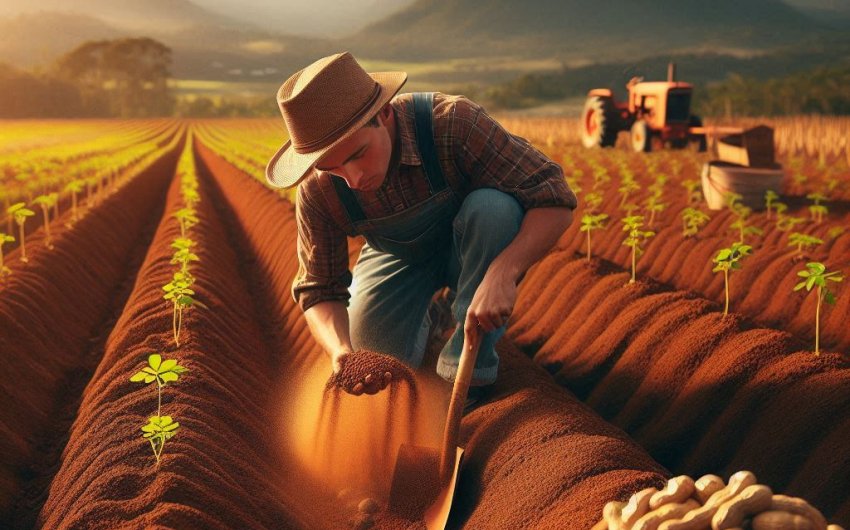
Growing your own peanuts can be an incredibly rewarding experience. There's a unique satisfaction in digging into the soil and unearthing those crunchy, flavorful nuts that you've nurtured from seed. Among the various types, Spanish peanuts are a popular choice for home gardeners due to their relatively quick maturity and excellent taste, often used for roasting or in confections. However, like any successful crop, getting a good harvest of Spanish peanuts hinges significantly on one often-overlooked factor: proper soil preparation.
Peanuts aren't like most other vegetables. They're unique because their flowers develop above ground, but the actual nuts (the pods) form underground. This unusual growth habit means that the condition of your soil directly impacts how well those pods can penetrate the earth and develop. Hard, compacted, or poorly drained soil will severely limit your yield. Therefore, investing time and effort into preparing the perfect bed for your Spanish peanuts isn't just a recommendation; it's a necessity for a bountiful and delicious harvest. This guide will walk you through the best techniques for soil preparation to ensure your Spanish peanuts thrive from planting to plate.
Why is Soil Preparation Crucial for Spanish Peanuts?
Soil preparation is not just a good idea; it's absolutely crucial for Spanish peanuts. Unlike most plants where the fruit grows above ground, peanut pods actually form underground. This unique growth habit means that the condition of your soil directly affects how well the peanut plant can produce its nuts.
Peanuts develop their flowers above ground, but after pollination, a structure called a "peg" grows from the fertilized flower. This peg then pushes down into the soil, and that's where the peanut pod (the actual nut) begins to form and mature. If the soil is hard, compacted, or has too many obstacles, these delicate pegs will struggle to penetrate, and the pods won't be able to develop properly. This leads to a much smaller, or even nonexistent, harvest.
Furthermore, Spanish peanuts need loose, well-draining soil that also holds moisture. If the soil is too heavy and stays wet, the pods can rot. If it's too sandy and dries out too quickly, the peanuts won't get enough water to grow. Proper soil preparation techniques ensure that the ground is soft enough for the pegs to enter, drains well to prevent rot, and retains enough moisture and nutrients to feed the developing nuts. It truly is the foundation of a successful peanut crop.
Understanding Peanut Pegging
To grasp why soil preparation is crucial for Spanish peanuts, you need to understand peanut pegging. This is the unique way peanut plants form their nuts, and it's unlike most other plants you might grow in your garden.
After the peanut plant flowers above ground (those small, yellow, pea-like blooms), the fertilized flower sends down a specialized stalk called a "peg". This peg, which looks like a thin, downward-growing stem, then elongates and actually pushes itself into the soil. Once it buries itself a few inches deep, the tip of the peg swells, and that's where the peanut pod, containing the edible peanuts, begins to develop and mature.
If your soil is hard, compacted, or full of rocks and clods, these delicate pegs will hit resistance. They might struggle to penetrate the ground at all, or they might bend and twist, preventing the pods from forming properly. Even if they do penetrate, a dense soil makes it hard for the pods to expand and grow to their full size. Therefore, creating a loose, soft, and inviting soil environment is paramount to ensure successful peanut pegging and a bountiful harvest of Spanish peanuts.
Impact of Soil Compaction
The impact of soil compaction is a major concern when growing Spanish peanuts. As we know, peanuts form their pods underground, and compacted soil presents a huge obstacle to this process.
When soil is compacted, its particles are pressed tightly together, reducing the spaces between them. These spaces are vital for air and water movement, and for root growth.
- Difficulty for Pegs: The most immediate impact for peanuts is that their delicate pegs struggle, or even fail, to penetrate hard, compacted soil. This means fewer or no peanut pods can form.
- Restricted Pod Development: Even if a peg manages to get into compacted soil, the developing peanut pod won't have enough space to expand and grow to its full size, resulting in small, malformed, or empty nuts.
- Poor Air and Water Circulation: Compacted soil holds less air, which can "suffocate" roots and developing pods. It also drains poorly, leading to waterlogging, which can cause the pods to rot. Alternatively, it can shed water quickly, leading to drought stress.
Therefore, breaking up compaction and creating a loose, friable soil texture is one of the best techniques for soil preparation for Spanish peanuts. It ensures the pegs can easily penetrate and the pods have ample room to develop properly.
Importance of Proper Drainage
Proper drainage is incredibly important for Spanish peanuts, even though they grow underground. While they need consistent moisture, they absolutely cannot tolerate soggy, waterlogged conditions. This highlights another critical aspect of soil preparation.
If the soil in your peanut patch drains poorly, water will sit around the developing pods. This excessive moisture, combined with a lack of air in waterlogged soil, creates ideal conditions for fungal diseases and rot. The peanut pods are highly susceptible to rotting if they remain saturated for too long, leading to a complete loss of your crop.
Sandy loam is often considered ideal because it drains well while still holding onto enough moisture for the plant's needs. If you have heavy clay soil that tends to hold water, soil preparation techniques like adding plenty of organic matter will be crucial to improve drainage. Conversely, if your soil is too sandy and drains excessively fast, organic matter will also help retain some moisture. Ensuring good drainage prevents root rot, pod rot, and allows the soil to "breathe," providing the aeration that developing peanut pods require.
What Are the Best Techniques for Amending Soil for Spanish Peanuts?
Once you understand why soil preparation is so vital, the next step is learning the best techniques for amending soil for Spanish peanuts. This process focuses on creating that ideal loose, well-drained, and fertile environment that these unique plants crave. It's about adjusting your existing soil to meet their specific needs for successful peanut pegging and pod development.
The cornerstone of soil amendment for peanuts is the generous incorporation of organic matter. This miraculous material can transform both heavy clay soils and overly sandy soils, making them perfectly suited for peanut cultivation. You'll also need to pay close attention to the soil pH, as peanuts have a specific preference for slightly acidic conditions.
Finally, ensuring the right balance of nutrients, particularly calcium, is crucial for strong shell development. These amending techniques lay the groundwork for a robust peanut harvest, ensuring your Spanish peanuts have every opportunity to thrive.
Incorporating Organic Matter: Compost and Sand
Incorporating organic matter is perhaps the single most important of the best techniques for soil preparation for Spanish peanuts. The right kind of organic matter, like compost, can work wonders for both heavy clay and overly sandy soils, creating that ideal loose, well-draining environment.
- For Heavy Clay Soil: Clay soil is dense and compacts easily, which is terrible for peanut pegging and pod development. Adding a generous amount of finished compost helps break up the clay particles. This creates tiny air pockets, improving drainage and making the soil much more friable and easy for pegs to penetrate.
- For Sandy Soil: While sandy soil drains well, it often lacks nutrients and can dry out too quickly. Compost acts like a sponge in sandy soil, significantly increasing its ability to hold onto moisture and nutrients, making them available to the peanut plants over time.
You can also incorporate coarse sand (like play sand or builder's sand, not fine beach sand) into very heavy clay soils to further improve drainage and looseness. However, sand alone in clay can sometimes make it like concrete, so it must always be used with a good amount of compost. Aim to mix in a 4-6 inch layer of compost (and sand if needed for clay) into the top 8-12 inches of your peanut bed. This vital step builds the perfect foundation for your Spanish peanuts.
Adjusting Soil pH: Peanuts Prefer Slightly Acidic
Adjusting soil pH is a critical part of the best techniques for soil preparation for Spanish peanuts. Peanuts have a specific preference: they generally thrive in slightly acidic soil, with an ideal pH range of around 5.9 to 6.5.
Why pH Matters: Soil pH affects how well plants can absorb nutrients from the soil. If the pH is too high (alkaline) or too low (acidic), certain nutrients can become "locked up" and unavailable to the peanut plant, even if they are present in the soil.
Testing Your Soil: Before adding anything, it's essential to perform a soil test. This will tell you your current soil pH. Your local agricultural extension office often provides comprehensive testing services, or you can use a home testing kit.
Adjusting pH:
- If too alkaline (high pH): To lower the pH and make the soil more acidic, you can add elemental sulfur or sphagnum peat moss. Apply these in fall or well before planting to give them time to work.
- If too acidic (low pH): If your soil is very acidic (below 5.5), you might need to raise the pH slightly by adding garden lime.
Always follow the application rates recommended by your soil test results or product labels, as adding too much can cause new problems. Getting the pH right creates an optimal environment for your Spanish peanuts to take up nutrients efficiently.
Ensuring Adequate Calcium for Pod Development
Ensuring adequate calcium is another crucial aspect of the best techniques for soil preparation for Spanish peanuts. Calcium is incredibly important for the proper development of the peanut pods themselves, especially for strong, filled shells.
Peanuts are unique because they absorb most of the calcium they need directly through the developing pods in the soil, not just through their roots. If there's not enough calcium available in the immediate soil around the forming pods, you can end up with "pops" (empty shells) or poorly filled nuts, even if the plant itself looks healthy.
- Soil Test: A soil test (as mentioned for pH) will also tell you your current calcium levels.
- Calcium Sources: If your soil is deficient, the most common way to add calcium is by incorporating gypsum (calcium sulfate) into the soil before planting. Gypsum provides calcium without significantly changing the soil pH, which is beneficial since peanuts prefer slightly acidic conditions. You can find garden gypsum at garden supply stores. Other options like bone meal can add calcium but also phosphorus, so be mindful of overall nutrient balance.
- Application: Spread gypsum over the prepared bed and lightly rake it into the top few inches of soil before planting.
This targeted calcium application ensures that as the peanut pegs burrow into the soil, they find the essential mineral needed for robust and well-formed nuts, leading to a much more satisfying harvest of Spanish peanuts.
Avoiding Nitrogen-Rich Fertilizers
While most plants need nitrogen for lush green growth, a key part of the best techniques for soil preparation for Spanish peanuts is avoiding nitrogen-rich fertilizers, especially too much before or during the crucial pegging stage. Peanuts are legumes, meaning they have a special relationship with bacteria in the soil.
- Nitrogen Fixation: Peanut plants, like beans and peas, have special nodules on their roots that host beneficial bacteria (Rhizobia). These bacteria take nitrogen from the air and convert it into a form that the peanut plant can use – a process called nitrogen fixation. This means peanuts largely produce their own nitrogen!
- Excess Nitrogen Problems: If you provide too much external nitrogen, the plant will focus its energy on producing lush, leafy green growth above ground, rather than on developing flowers and, more importantly, setting and filling underground pods. This can lead to beautiful, bushy plants but a very disappointing yield of nuts. It can also make the plants more susceptible to certain diseases.
Therefore, when choosing amendments or fertilizers for your Spanish peanuts, focus on materials that improve soil structure (like compost) and provide other key nutrients like phosphorus, potassium, and especially calcium. If your soil test shows a very low nitrogen level, a small amount of a balanced fertilizer might be needed at planting, but generally, peanuts do best with minimal added nitrogen.
What Are Practical Steps for Preparing the Peanut Bed?
Once you understand the "why" behind soil preparation for Spanish peanuts, it's time to get practical. There are specific steps for preparing the peanut bed that will translate all that knowledge into a perfect growing environment. These actions ensure that your soil is loose, fertile, and ready to welcome those unique peanut pegs as they delve underground.
The process starts with clearing the area of any existing vegetation or debris, setting the stage for a clean slate. Then comes the crucial step of deep tilling or digging, which breaks up compaction and creates that vital loose texture. After this, you'll incorporate your amendments, ensuring they are thoroughly mixed throughout the root zone.
Finally, shaping the bed into raised rows or hills can offer additional benefits for drainage and warmth, creating an even more ideal environment for your Spanish peanuts. By following these practical steps, you'll build the perfect underground home for your future harvest.
Clearing the Area and Removing Weeds
The very first of the practical steps for preparing the peanut bed is thoroughly clearing the area and removing weeds. You want a clean slate for your Spanish peanuts to grow without immediate competition.
- Remove Existing Vegetation: Before you even think about digging, clear out any existing grass, weeds, or old plant debris from the designated peanut patch. This is important because established weeds will compete vigorously with your young peanut plants for water, nutrients, and sunlight, potentially stunting their growth and reducing your yield.
- Focus on Roots: When clearing weeds, especially perennial weeds, try to remove as much of their root systems as possible. Weeds like dandelions, bindweed, or quackgrass can regrow from root fragments left in the soil, becoming a persistent nuisance. A garden fork or broadfork can be helpful for loosening tough roots.
- Avoid Herbicides: If you're removing weeds chemically, ensure enough time has passed before planting your peanuts, as residual herbicides can damage your young peanut plants. Manual removal or solarization (covering the area with clear plastic during hot weather to "cook" weeds) are often preferred for edible gardens.
Starting with a weed-free bed simplifies maintenance later in the season and gives your Spanish peanuts the best chance to establish strong, healthy growth.
Deep Tilling or Digging for Looseness
After clearing, the next crucial of the practical steps for preparing the peanut bed is deep tilling or digging for looseness. This is arguably the most important physical action you'll take to ensure success for your Spanish peanuts, as it directly addresses the need for loose, friable soil for peanut pegging.
- Why it's Crucial: Peanuts need soil that is soft and uncompacted to a depth of at least 8-12 inches (20-30 cm). This allows their unique pegs to easily penetrate the soil after flowering and for the peanut pods to develop and expand without resistance.
- Method 1: Tilling: For larger areas, a garden tiller can quickly break up the soil. Go over the area multiple times, aiming for a consistent, fine crumbly texture. Be careful not to over-till, as this can destroy soil structure.
- Method 2: Double Digging (Manual): For smaller beds or if you prefer a no-till approach, use a garden spade or broadfork. Dig down about 12 inches, loosen the subsoil, and turn over the topsoil. This is more labor-intensive but builds excellent long-term soil structure.
- Timing: This step is best done when the soil is moist enough to be workable but not so wet that it's muddy and sticky.
Deeply loosening the soil creates the perfect environment for those underground pods to form, setting the stage for a bountiful peanut harvest.
Incorporating Amendments Evenly
Once your soil is deeply tilled or dug, the next critical of the practical steps for preparing the peanut bed is incorporating amendments evenly. It's not enough to just pile on the compost or gypsum; they need to be thoroughly mixed into the root zone where your Spanish peanuts will be growing.
- Spread Amendments: Evenly spread your chosen amendments over the loosened soil surface. This typically includes a 4-6 inch layer of finished compost and, if your soil test recommended it, the appropriate amount of gypsum for calcium, or elemental sulfur/lime for pH adjustment.
- Thorough Mixing: Use your garden fork, spade, or tiller to thoroughly mix these amendments into the top 8-12 inches of the loosened soil. The goal is to distribute them uniformly, so every part of the peanut's root system and every developing peg can access the benefits. Don't just mix the top inch or two; get deep.
- Break Up Clumps: As you mix, break up any remaining large soil clumps. You want a fine, uniform, crumbly texture that pegs can easily penetrate.
Even incorporation ensures that your Spanish peanuts receive consistent access to the improved soil structure, nutrients, and ideal pH conditions throughout their crucial underground development, leading to healthy plants and full pods.
Forming Raised Rows or Hills
The final practical step for preparing the peanut bed for Spanish peanuts is often forming raised rows or hills. While not strictly necessary for all soils, it offers significant advantages, especially if your native soil tends towards compaction or poor drainage.
- Improved Drainage: Raising the planting area helps water drain away more effectively from the root zone and the developing pods. This prevents waterlogging, which can lead to pod rot, a common issue in heavier soils or during wet periods.
- Warmer Soil: Raised beds or rows tend to warm up faster in the spring, which is beneficial for peanut germination and early growth, as they are warm-season crops.
- Easier Pegging: The loose, amended soil in a raised row provides an even softer, more inviting environment for the peanut pegs to burrow into, making their job easier.
- Easier Harvesting: When it's time to harvest, digging up peanuts from a raised mound of loose soil is generally easier than from a flat, potentially compacted bed.
To create raised rows, simply mound the prepared soil into rows about 4-6 inches high and 18-24 inches wide. If using hills, create individual mounds for each plant. This thoughtful shaping further optimizes conditions for a successful harvest of Spanish peanuts.
What Are Essential Ongoing Soil Maintenance Tips for Peanuts?
Soil preparation sets the stage, but essential ongoing soil maintenance tips for peanuts are crucial for continued success throughout the growing season. Even after you've created the perfect bed, the soil needs continued care to support the unique growth habit of Spanish peanuts and ensure a bountiful harvest.
This ongoing care focuses on maintaining the loose, well-drained structure that peanuts require, managing moisture levels, and preventing competition from weeds. It's about nurturing the underground environment where the magic of peanut development happens.
From smart watering practices to targeted weed control and the important step of hilling the plants, these maintenance tips directly impact how well your peanut pegs can penetrate and how thoroughly your pods can fill. By implementing these practices, you'll be actively supporting your Spanish peanuts from emergence to harvest, ensuring healthy plants and delicious nuts.
Consistent Watering and Moisture Management
Consistent watering and moisture management are among the most essential ongoing soil maintenance tips for peanuts. While peanuts need well-draining soil, they also require steady moisture, especially during their flowering and pegging stages, and as the pods develop.
- Avoid Extremes: The key is consistency. Don't let the soil dry out completely and then suddenly flood it. This can stress the plants and interfere with pod development. Aim for evenly moist soil, but never soggy.
- Deep Watering: When you water, water deeply. This encourages the peanut roots to grow further down, making the plants more resilient to short dry spells and ensuring moisture reaches the developing pods underground.
- Check Soil Moisture: Don't just water on a schedule. Stick your finger into the soil about 2-3 inches deep. If it feels dry, it's time to water. If it still feels damp, wait.
- Mulch: Applying a 1-2 inch layer of straw mulch around your peanut plants once they are established helps immensely. Mulch helps retain soil moisture, reduces evaporation, and keeps soil temperatures more consistent, all of which are beneficial for Spanish peanuts.
Proper moisture management is vital to prevent malformed pods or "pops" (empty shells) and to ensure healthy, filled nuts.
Gentle Weed Control
Gentle weed control is an essential ongoing soil maintenance tip for peanuts. Weeds compete aggressively with your Spanish peanuts for water, nutrients, and sunlight, but the delicate nature of peanut pegs means you need to be very careful when removing them.
- Weed Regularly: The best approach is to weed frequently and catch weeds when they are small and young. Tiny weeds are easy to pull by hand or lightly scuff with a hoe without disturbing the peanut roots or developing pegs.
- Hand-Weeding is Best Near Plants: Once the peanut plants start to flower and peg, manual hand-weeding is often the safest method, especially in the immediate vicinity of the plants. Be extremely careful not to accidentally pull up or damage the delicate pegs as they burrow into the soil.
- Avoid Deep Cultivation: After the plants have started pegging (roughly 60-70 days after planting), avoid any deep cultivation or hoeing directly around the plants. This can easily damage the developing pods underground. A light surface scuffing to remove tiny new weeds is okay, but generally, once pegging begins, disturbance should be minimal.
- Mulch as a Preventative: As mentioned with watering, a layer of mulch (like straw) helps suppress weeds, reducing the need for extensive weeding efforts.
By being gentle and proactive with weed control, you ensure that your Spanish peanuts have an undisturbed environment to produce their valuable underground harvest.
Hilling or Mounding Soil Around Plants
Hilling or mounding soil around plants is an essential ongoing soil maintenance tip for peanuts that directly supports the unique pegging process and maximizes your yield of Spanish peanuts. This practice should be done around the time the plants begin to flower.
- Why Hill: As the peanut plants produce their flowers above ground, the fertilized flowers send down those special pegs that need to burrow into the soil to form nuts. Hilling creates a loose mound of soil directly around the base of the plant, making it much easier for these delicate pegs to penetrate the earth. It also provides more loose soil for the developing pods to expand into.
- When to Hill: Begin hilling when your peanut plants start to flower and you see the first pegs starting to form (they look like thin, greenish, downward-growing stems). This is typically about 6-8 weeks after planting.
- How to Hill: Gently draw loose, friable soil from around the edges of the bed or from between rows and mound it up around the base of the peanut plants. Aim for a mound a few inches high. Be very careful not to cover the leaves too much. You can use a hoe or your hands for this. You might do a second, smaller hilling a few weeks later if pegs continue to form vigorously.
This practice directly facilitates the underground development of peanuts, leading to more abundant and better-formed nuts.
Monitoring for Pests and Diseases
Monitoring for pests and diseases is an essential ongoing soil maintenance tip for peanuts because healthy plants are better able to produce a good crop. While soil preparation focuses on the underground environment, problems above ground can still impact the overall health of your plants and, consequently, your harvest of Spanish peanuts.
- Regular Inspections: Make it a habit to regularly inspect your peanut plants – look at the tops and undersides of leaves, stems, and the general vigor of the plant. Early detection is key to effective management.
- Common Pests: Watch out for common garden pests that might affect peanuts, such as aphids, spider mites (especially in dry conditions), or various caterpillars. If you spot them, use organic pest control methods like insecticidal soap, neem oil, or simply a strong spray of water.
- Common Diseases: Peanuts can be susceptible to fungal diseases, especially in humid conditions or with poor air circulation. Watch for leaf spot diseases (small brown or black spots on leaves). Good air circulation, proper watering, and avoiding overhead irrigation can help prevent these. Remove any severely infected leaves.
- Don't Forget the Pods: If you notice signs of rodent activity (like tunnels or holes) around your plants, they might be after your developing pods underground. Traps or other deterrents may be needed.
By proactively monitoring and addressing issues, you ensure your peanut plants remain strong and can focus their energy on producing a bountiful harvest.