
What Are the Best Vegetables to Grow at Home?
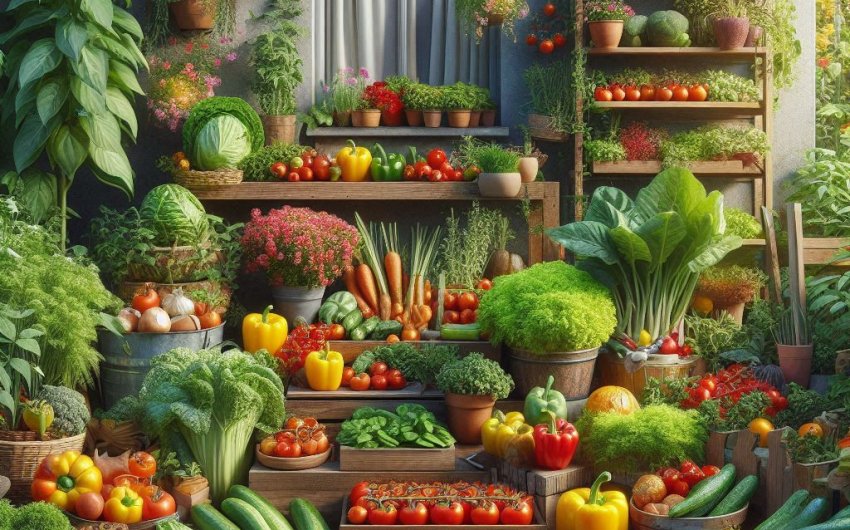
Starting a vegetable garden at home is a rewarding journey, offering fresh, delicious produce right from your backyard or patio. There's a special satisfaction in harvesting your own food, knowing exactly where it came from and how it was grown. But with so many options, choosing the best vegetables to grow can feel a bit overwhelming, especially if you're just starting out. The key is to pick varieties that are relatively easy to grow, produce a good yield, and, most importantly, are vegetables you and your family genuinely enjoy eating.
This guide is designed to help you navigate the wonderful world of home gardening, focusing on dependable vegetables that tend to thrive for beginners and experienced growers alike. We'll explore popular choices, highlighting why they are excellent additions to your plot and offering simple tips to ensure success. Get ready to transform your space into a thriving hub of homegrown goodness, enjoying the freshest flavors just steps from your kitchen.
What Are the Easiest Vegetables for Beginners to Grow?
If you're new to growing your own food, starting with easy-to-grow vegetables can build your confidence and ensure a successful first season. These plants are generally forgiving, have fewer pest and disease issues, and offer a good harvest even with minimal experience.
Why are Leafy Greens a Great Starting Point?
Leafy greens are fantastic for beginners because they grow quickly, don't take up much space, and can often be harvested multiple times.
- Lettuce: This is a top choice for speed and simplicity. You can plant lettuce seeds directly in the garden or in containers.
- Ease of Growth: Lettuce is very low-maintenance. It grows quickly, especially loose-leaf varieties.
- Harvesting: You can harvest outer leaves as needed, allowing the plant to keep producing for weeks. This is called "cut-and-come-again" harvesting.
- Space Needs: Perfect for small spaces, pots, or window boxes.
- Tips: Plant in a spot with partial shade in hot climates, as too much sun can cause it to "bolt" (go to seed) and become bitter. Keep the soil consistently moist. Try a variety pack of lettuce seeds for different textures and colors.
- Spinach: Another fast-growing, nutritious leafy green that's quite forgiving.
- Ease of Growth: Spinach prefers cooler weather but can tolerate some warmth. It's quick from seed to harvest.
- Harvesting: Similar to lettuce, you can pick outer leaves or harvest the whole plant.
- Space Needs: Good for containers or in-ground beds.
- Tips: Plant in early spring or late summer for best results. It tends to bolt in hot weather. Keep soil moist and rich in nitrogen.
- Radishes: While technically a root vegetable, radishes grow very quickly and are often harvested alongside leafy greens due to their speed.
- Ease of Growth: Radishes can go from seed to edible root in as little as 3-4 weeks.
- Harvesting: Pull when roots are about 1 inch in diameter.
- Space Needs: Can be planted close together in rows or scattered among other plants.
- Tips: Plant in succession every two weeks for a continuous supply. They prefer loose, well-drained soil. Overcrowding or too little water can make them spicy or woody. Try a packet of radish seeds for a quick reward.
These fast-growing vegetables offer quick success, which is very encouraging for novice gardeners.
What About Beans and Peas for Simple Growing?
Bush beans and peas are also excellent choices for beginners, providing a good yield without too much fuss.
- Bush Beans: Unlike pole beans that need support, bush beans are self-supporting and produce a concentrated harvest.
- Ease of Growth: Very easy to grow from seed directly in the ground once the soil is warm. They don't need staking.
- Harvesting: Pick pods when young and tender for best flavor. Harvesting regularly encourages more production.
- Space Needs: Grow well in rows in a garden bed or in larger containers.
- Tips: Plant in full sun. Water consistently, especially when flowering and forming pods. Try bush bean seeds for a steady supply.
- Snap Peas (Snow Peas or Sugar Snap Peas): These sweet pods are a joy to harvest and eat straight from the vine.
- Ease of Growth: Peas prefer cooler weather. They need some support to climb, but it's simple to provide.
- Harvesting: Pick pods when plump and crisp. Regular harvesting keeps plants producing.
- Space Needs: Can be grown vertically, saving garden space.
- Tips: Plant in early spring as soon as the soil can be worked. Provide a simple trellis or pea netting for them to climb. Keep soil consistently moist.
Beans and peas add protein and variety to your homegrown meals, and their straightforward needs make them ideal for beginners.
Are Root Vegetables Easy for New Gardeners?
While some root vegetables can be tricky, carrots and potatoes are surprisingly manageable for beginners.
- Carrots: The satisfaction of pulling a fresh, sweet carrot from the ground is unmatched.
- Ease of Growth: Carrots are easy to start from seed. The main challenge is providing loose, stone-free soil.
- Harvesting: Pull when they reach desired size, usually 60-80 days from planting.
- Space Needs: Grow vertically underground, making them space-efficient. Can be grown in deep containers.
- Tips: Sow seeds thinly or thin seedlings to prevent overcrowding, which leads to stunted or misshapen roots. Keep soil consistently moist. Avoid rocky soil. Look for packets of carrot seeds that are coated for easier handling.
- Potatoes: These are incredibly rewarding, and you get a lot of food from just a few seed potatoes.
- Ease of Growth: Potatoes are easy to plant from "seed potatoes" (special potato tubers, not actual seeds). They tolerate a range of conditions.
- Harvesting: Harvest when the plant's foliage starts to yellow and die back. You dig up the tubers from the soil.
- Space Needs: Can be grown in traditional rows, large containers, or even potato grow bags.
- Tips: "Hill" them up (cover growing stems with more soil) as they grow to encourage more tuber development and protect tubers from greening. Ensure good drainage.
Growing your own root vegetables offers a true taste of garden-fresh goodness, and these varieties are a great way to start.
What Are the Most Productive Vegetables for Small Spaces?
Even if you have a tiny balcony or a compact backyard, you can grow a surprising amount of food. The key is to choose high-yield vegetables that make the most of limited space, often by growing upwards or having a continuous harvest.
Which Vegetables Offer Continuous Harvests?
These plants keep producing over a long season, giving you a steady supply of fresh ingredients.
- Cherry Tomatoes: While larger tomatoes need more space, cherry tomato plants are fantastic for continuous harvesting and can be grown in pots.
- Yield: Extremely prolific, producing hundreds of sweet little fruits over the summer.
- Space Needs: Indeterminate varieties (those that keep growing) can be trained up a tomato cage or stake, making them good for vertical growth. Choose a large pot (at least 5-gallon) if container gardening.
- Tips: Give them plenty of sun, consistent water, and support. Harvest when fully ripe and slightly soft.
- Zucchini (Summer Squash): Be warned, these can be too productive! But a single plant can provide a lot.
- Yield: Very high yield. One or two plants are often enough for a family.
- Space Needs: Bush varieties are more compact than vining types, making them suitable for smaller gardens or large containers.
- Tips: Plant in full sun and rich soil. Harvest when young (6-8 inches long) for best flavor and to encourage more production.
- Cucumbers: Similar to zucchini, these are prolific and can be grown vertically.
- Yield: A single plant can produce many cucumbers over the season.
- Space Needs: Vining varieties can climb a trellis or cucumber netting, saving horizontal space. Bush varieties are also available for containers.
- Tips: Plant in full sun. Provide consistent water, especially when fruits are forming. Harvest regularly.
These productive garden vegetables ensure your efforts yield a substantial amount of food throughout the growing season.
What Vegetables are Good for Vertical Growing?
Growing upwards is a smart strategy for maximizing space in small gardens.
- Pole Beans: Unlike their bush cousins, pole beans climb and produce over a longer season.
- Vertical Growth: Naturally twine up a trellis, bean pole teepee, or string.
- Yield: Higher total yield than bush beans over the season because they keep producing.
- Tips: Provide strong support before planting. Harvest frequently to encourage new pods.
- Peas (again!): Both snap and shelling peas are fantastic for vertical growing.
- Vertical Growth: Their tendrils easily grab onto netting, trellises, or even small branches.
- Space Efficiency: Take up very little ground space when grown vertically.
- Tips: Plant early. Ensure adequate support for healthy climbing.
- Small Squash/Melons: While many squash and melons are huge vining plants, some compact or small-fruited varieties can be trained to grow vertically on a very sturdy trellis or arch.
- Vertical Growth: Needs strong support, and fruits may need to be "slung" (supported with slings made from old pantyhose or fabric) as they grow to prevent breaking the vine.
- Space Efficiency: Allows you to grow larger fruits in a smaller footprint.
- Tips: Choose varieties specified as good for trellising. Build a very strong support structure.
Vertical gardening solutions allow you to expand your garden upwards, making the most of every square foot.
What Vegetables are Best for Container Gardening?
For patios, balconies, or limited yard space, container gardening is a fantastic solution.
- Lettuce and Other Leafy Greens: As mentioned, they are perfect for pots, window boxes, or fabric grow bags.
- Container Friendly: Shallow roots, fast growth, and continuous harvest make them ideal.
- Tips: Use a good quality potting mix. Keep moist.
- Cherry Tomatoes (Dwarf or Bush Varieties): Many varieties are bred specifically for containers.
- Container Friendly: Look for "bush" or "determinate" varieties that stop growing at a certain height.
- Tips: Use at least a 5-gallon pot per plant. Provide a sturdy stake or cage.
- Bush Beans: Their compact growth makes them a natural fit for containers.
- Container Friendly: No need for vertical support.
- Tips: Plant several seeds per pot for a good yield.
- Herbs (e.g., Basil, Mint, Chives): While not technically vegetables, herbs are often grown in conjunction with vegetables and are perfect for containers.
- Container Friendly: Most herbs thrive in pots, making them easily accessible from your kitchen. Mint should always be grown in a container to prevent it from spreading aggressively.
- Tips: Provide good drainage. Harvest regularly to encourage bushy growth. Try a herb garden starter kit for a ready-made solution.
- Radishes and Carrots (Short Varieties): These can do well in containers if they are deep enough.
- Container Friendly: Choose short or "ball" shaped varieties for carrots to accommodate container depth.
- Tips: Ensure containers are deep enough (at least 6-8 inches for radishes, 12-18 inches for carrots). Fill with loose, well-draining potting mix.
Growing vegetables in pots allows anyone, regardless of space, to enjoy fresh, homegrown produce.
What Are the Most Rewarding Vegetables for Flavor and Freshness?
Some vegetables, while perhaps a bit more challenging or space-intensive, offer an unparalleled taste experience when grown at home compared to store-bought versions. These are the ones that make all your gardening efforts truly worthwhile.
Which Vegetables Taste Best Freshly Picked?
The flavor difference in these vegetables when picked ripe from your garden is truly remarkable.
- Tomatoes (Heirloom Varieties): Nothing compares to a sun-warmed, juicy, homegrown heirloom tomato.
- Flavor Difference: Commercial tomatoes are often picked green and ripened with gas. Homegrown heirloom varieties, like Brandywine tomato seeds, develop complex flavors that are lost in mass production.
- Tips: Need full sun, rich soil, consistent watering, and strong support (staking or caging). Be patient, as they take a full summer to ripen.
- Sweet Peppers: The crisp sweetness of a freshly picked bell pepper is hard to beat.
- Flavor Difference: Homegrown peppers, especially when allowed to fully ripen to red, yellow, or orange, have a depth of flavor that supermarket versions often lack.
- Tips: Prefer warm weather, full sun, and consistent moisture. They can be grown in containers.
- Cucumbers (again!): The crunch and refreshing taste of a cucumber straight from the vine is a garden delight.
- Flavor Difference: Homegrown cucumbers are incredibly crisp and less watery than many store-bought ones.
- Tips: Provide consistent water to prevent bitterness. Pick regularly.
- Green Beans (Pole or Bush): Just-picked green beans have a snap and sweetness that quickly fades after harvest.
- Flavor Difference: The texture and vibrant flavor are incomparable.
- Tips: Pick daily for the best quality and to encourage continuous production.
- Corn (Sweet Corn): The ultimate experience for gardeners with enough space. The sugars start converting to starch immediately after picking.
- Flavor Difference: The sweetness of corn picked moments before cooking is legendary. It loses its sweetness quickly after harvest.
- Tips: Needs full sun and consistent moisture. Plant in blocks (not single rows) for good pollination and full kernels. Requires significant space.
- Strawberries: While technically a fruit, many gardeners include them in their vegetable patch, and their homegrown taste is unparalleled.
- Flavor Difference: Store-bought strawberries are often bland. Homegrown are bursting with sweet, tart flavor.
- Tips: Can be grown in beds, containers, or strawberry planters. Need full sun and consistent water. Choose June-bearing for a large harvest or ever-bearing for smaller, continuous yields.
These delicious homegrown vegetables are the reason many people start gardening. The superior taste makes all the effort worthwhile.
Which Vegetables Offer Unique Varieties You Can't Buy in Stores?
Growing your own allows you to explore an amazing world of colors, shapes, and flavors not available in typical supermarkets.
- Heirloom Tomatoes: Beyond Brandywine, there are thousands of heirloom tomato varieties with unique colors (black, green, striped, purple), shapes, and flavor profiles (e.g., 'Cherokee Purple', 'Green Zebra', 'Black Krim').
- Uniqueness: Offers an incredible diversity of flavor and appearance that you won't find anywhere else.
- Tips: Many heirlooms can be more prone to disease than hybrids, so good garden practices are essential. Source heirloom tomato seeds from reputable suppliers.
- Colored Carrots: Purple, yellow, and white carrots offer a fun visual twist and often subtle flavor differences.
- Uniqueness: Adds vibrant color to salads and roasted vegetable dishes.
- Tips: Grow just like orange carrots. Look for rainbow carrot seeds.
- Striped or Round Zucchini/Squash: Beyond the standard green zucchini, there are beautiful striped varieties, round "eight ball" types, or yellow summer squash that add visual interest.
- Uniqueness: A treat for the eyes as well as the palate.
- Tips: Grow like standard zucchini; harvest when small for best flavor.
- Unusual Leafy Greens: Explore different varieties of kale (e.g., Lacinato/Dinosaur kale), Swiss chard (rainbow chard), or Asian greens that provide varied textures and tastes.
- Uniqueness: Expand your culinary horizons.
- Tips: Generally easy to grow like other leafy greens. Some prefer cooler weather. A gourmet leafy greens seed mix can introduce you to new favorites.
Growing these unique vegetable varieties is a great way to add excitement and discovery to your kitchen and garden.
What Are Some General Tips for Vegetable Gardening Success?
No matter which vegetables you choose, a few universal principles will help ensure your garden thrives.
Why is Sunlight So Important?
Most vegetables need a lot of sun to grow well and produce good harvests.
- Rule of Thumb: Most fruiting vegetables (like tomatoes, peppers, squash, beans, corn) need at least 6-8 hours of direct sunlight per day to produce well. Leafy greens can tolerate a bit less (4-6 hours), especially in hot climates where partial shade can prevent bolting.
- Observation: Spend a day observing your potential garden spot. Note where the sun hits and for how long. This will help you decide what to plant where.
Choosing a sunny spot is the single most important factor for maximizing your vegetable garden yield.
How Do You Prepare the Soil?
Healthy soil is the foundation for healthy plants. Don't skip this step!
- Good Drainage: Vegetables hate "wet feet" (soggy roots). Ensure your soil drains well. If you have heavy clay, add lots of organic matter.
- Rich in Organic Matter: Compost is a gardener's best friend. Mixing in generous amounts of garden compost or well-rotted manure improves soil structure, fertility, and water retention.
- Nutrients: Get a soil test if you're serious. It will tell you what nutrients your soil needs and its pH level. Most vegetables prefer a slightly acidic to neutral pH (6.0 to 7.0). You can buy a home soil test kit.
- Raised Beds: For challenging soil or limited space, raised garden beds filled with good quality soil mix are an excellent solution. They warm up faster in spring and offer better drainage. A cedar raised garden bed can be a great investment.
Soil preparation sets your vegetable plants up for success from the very beginning.
What About Watering and Fertilizing?
Consistent care is key once your plants are in the ground.
- Consistent Watering: Most vegetables need consistent moisture, especially during flowering and fruiting. Irregular watering can lead to problems like blossom end rot in tomatoes and peppers. Aim for deep, infrequent watering rather than shallow, frequent sprinkles. Use a soaker hose for efficient watering.
- Fertilizing (as needed): If your soil is rich in organic matter, you might not need much fertilizer. However, heavy feeders like tomatoes and corn can benefit from additional nutrients. Use a balanced vegetable garden fertilizer or one specifically for fruiting plants, following package directions. Organic options like fish emulsion or compost tea are also good.
- Mulch: Applying a layer of organic mulch (like straw, shredded leaves, or wood chips) around your plants helps retain soil moisture, suppresses weeds, and moderates soil temperature.
Proper garden watering and thoughtful plant feeding will keep your vegetables vibrant and productive.
Why is Pest and Disease Management Important?
Even the easiest vegetables can face challenges, but being prepared makes a difference.
- Monitor Regularly: Walk through your garden daily. Look for signs of pests (holes in leaves, sticky residue) or diseases (spots, wilting, discolored leaves). Early detection makes control much easier.
- Identify Correctly: Learn about common pests and diseases in your region and how to identify them. Knowing what you're dealing with helps you choose the right solution.
- Organic Solutions First: Start with less toxic methods. Hand-picking larger pests, hosing off aphids, or using insecticidal soap or neem oil are often effective.
- Good Garden Hygiene: Remove diseased plant parts immediately. Clean your tools to prevent spreading disease.
- Crop Rotation: Don't plant the same type of vegetable in the same spot year after year, as this can build up soil-borne diseases and pests specific to that plant family.
- Disease-Resistant Varieties: When buying seeds or plants, look for varieties marked "disease resistant."
By being proactive in pest and disease control, you can keep your home vegetable garden healthy and maximize your harvest. With these tips and the right selection of vegetables, you'll be enjoying fresh, homegrown produce in no time!