
What is the Best Fertilizer for Vegetable Gardens?
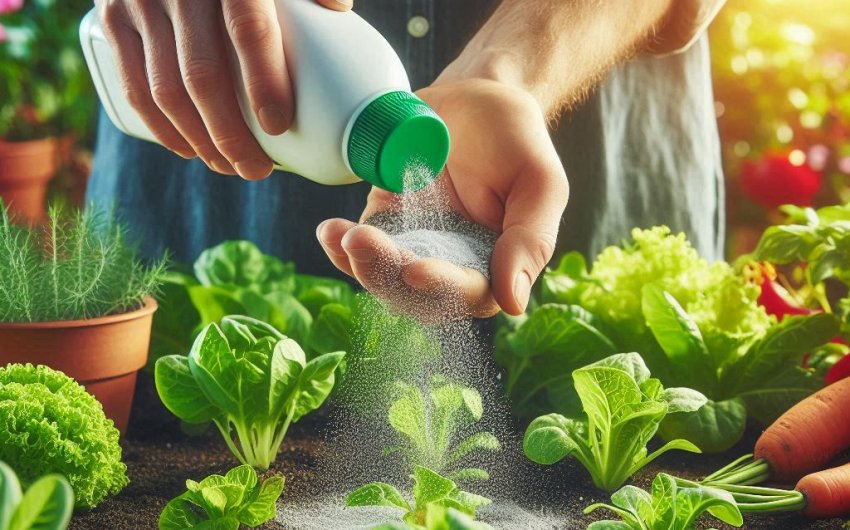
Growing your own vegetables is incredibly rewarding. There’s nothing quite like harvesting fresh, homegrown tomatoes or crisp lettuce straight from your garden. To get the best possible harvest, with healthy, vibrant plants, it's not just about sunshine and water. Your plants also need proper nutrition, and that’s where fertilizer comes in. Think of fertilizer as food for your plants. Just like we need a balanced diet, plants need specific nutrients to grow strong, produce lots of fruits, and resist diseases.
But if you walk into a garden store, the shelves are packed with different kinds of fertilizer. You'll see bags and bottles with confusing numbers and long names. It can feel overwhelming trying to figure out what's the "best" for your vegetable garden. The truth is, there isn't a single "best" one-size-fits-all fertilizer. What your garden needs depends on a few important things, like what your soil is already like and what vegetables you're growing. We'll break down everything you need to know to choose and use the right fertilizer for a super successful vegetable garden.
What Nutrients Do Vegetable Plants Need?
To understand fertilizer, you first need to know what plants actually eat. Plants need a mix of different nutrients, which they mostly get from the soil. These nutrients are divided into a few groups based on how much the plants need.
What are Macronutrients (NPK)?
These are the "big three" nutrients that plants need in the largest amounts. When you see numbers like 10-10-10 on a fertilizer bag, they refer to the percentage of these three in that order:
- N - Nitrogen: This nutrient is like rocket fuel for leafy green growth. It's essential for making chlorophyll, which plants use to turn sunlight into energy (photosynthesis).
- Too much: Can lead to lots of leafy growth but few fruits (e.g., tomato plants with big leaves but no tomatoes).
- Too little: Yellowing leaves, stunted growth.
- P - Phosphorus: This is important for strong root development, flower formation, and fruit production. It helps plants transfer energy throughout their system.
- Too much: Can tie up (make unavailable) other nutrients.
- Too little: Stunted growth, purplish leaves, poor flowering or fruiting.
- K - Potassium (or Potash): This helps plants with their overall health and strength. It's involved in water uptake, disease resistance, and fruit quality.
- Too much: Can cause imbalances with other nutrients.
- Too little: Weak stems, poor fruit development, yellowing or browning leaf edges.
Different vegetables need different amounts of NPK. For example, leafy greens like lettuce need more nitrogen, while fruiting plants like tomatoes need more phosphorus and potassium when they're ready to bloom and fruit.
What are Secondary Macronutrients?
Plants need these in smaller amounts than NPK, but they are still very important.
- Calcium: Essential for cell wall development, preventing issues like blossom end rot in tomatoes and peppers.
- Magnesium: Part of the chlorophyll molecule, important for photosynthesis.
- Sulfur: Important for protein formation and overall plant vigor.
These are often present in good garden soil or added in specific fertilizers.
What are Micronutrients?
These are trace elements that plants need in very tiny amounts, but they are still vital for healthy growth.
- Iron, Boron, Zinc, Manganese, Copper, Molybdenum, Chlorine: These all play specific roles in various plant processes, like enzyme function and nutrient transport.
Good quality compost is often rich in both secondary macronutrients and micronutrients, which is one reason why it's so beneficial for vegetable gardens. Using a Soil Test Kit can tell you if your soil is lacking any of these key elements.
Understanding these basic plant needs is the first step to choosing the right fertilizer and ensuring your vegetable garden thrives.
How Do You Know What Fertilizer Your Garden Needs?
You wouldn't just take any medicine without knowing what's wrong, right? It's the same with fertilizer. Giving your garden the "best" fertilizer without knowing what it needs can actually do more harm than good.
Why is a Soil Test Important?
A soil test is the single most important step in figuring out your garden's fertilizer needs.
- What it tells you: A professional soil test (from your local university extension office or a private lab) will tell you:
- Your soil's pH level (how acidic or alkaline it is). This is crucial because pH affects how well plants can take up nutrients.
- The current levels of Nitrogen, Phosphorus, and Potassium (NPK) already in your soil.
- The levels of secondary macronutrients (Calcium, Magnesium, Sulfur).
- The levels of important micronutrients (Iron, Boron, Zinc, etc.).
- Your soil type (sand, silt, clay, or loam) and organic matter content.
- Personalized Recommendations: The test results will usually come with specific recommendations for what kind and how much fertilizer to add to your garden. This takes all the guesswork out of it.
- Avoids Over-fertilizing: Adding too much of a nutrient can be just as bad as too little, causing nutrient imbalances, pollution, or even burning your plants. A soil test helps you avoid this.
You can purchase a Soil Test Kit online or contact your local agricultural extension office for testing services.
What is Soil pH and Why Does it Matter?
Soil pH is a measure of how acidic or alkaline your soil is, on a scale of 0 to 14.
- Acidic: pH below 7.0 (e.g., 5.5, 6.0)
- Neutral: pH 7.0
- Alkaline (Basic): pH above 7.0 (e.g., 7.5, 8.0)
Most vegetables prefer a slightly acidic to neutral soil, usually a pH between 6.0 and 7.0.
- Nutrient Availability: pH affects how easily plants can absorb nutrients from the soil. If the pH is too high or too low, some nutrients can become "locked up," even if they are present in the soil, making them unavailable to plants.
- Adjusting pH:
- To raise pH (make it less acidic): Add limestone (calcium carbonate).
- To lower pH (make it more acidic): Add sulfur or acidic organic matter like pine needles or peat moss.
A soil test will tell you your pH and recommend amendments if needed. Adjusting pH usually takes time, so it's a good long-term strategy.
What are the Different Types of Fertilizer?
Once you know what your soil needs, you can choose the right type of fertilizer.
- Synthetic (Chemical) Fertilizers:
- Pros: Usually have precise NPK ratios, quickly available to plants, often cheaper per pound of nutrient.
- Cons: Don't improve soil health long-term, can burn plants if over-applied, can leach into waterways.
- Organic Fertilizers:
- Pros: Improve soil health and structure, release nutrients slowly, less likely to burn plants, better for the environment.
- Cons: Nutrients are released slower (relying on microbial activity), often have lower NPK numbers, can be more expensive.
For a healthy vegetable garden, a combination of improving soil with organic matter (like compost) and supplementing with targeted fertilizers (organic or synthetic, based on soil test) is often the best approach.
What Are the Best Organic Fertilizers for Vegetable Gardens?
For many gardeners, especially those focused on growing healthy food, organic fertilizers are the preferred choice. They not only feed your plants but also improve the overall health of your soil, which is crucial for a thriving vegetable garden.
What is Compost and Why is it the Best Soil Amendment?
Compost isn't just a fertilizer; it's the single best thing you can add to your vegetable garden.
- Nutrient Source: It contains a balanced mix of NPK, secondary macronutrients, and micronutrients, released slowly over time.
- Soil Structure: It dramatically improves soil structure, helping sandy soils hold water and nutrients, and loosening heavy clay soils for better drainage and root growth.
- Feeds Soil Life: Compost is teeming with beneficial microbes, fungi, and earthworms, which are essential for healthy soil and nutrient cycling. They make nutrients available to your plants.
- Disease Suppression: A healthy soil ecosystem fostered by compost can help suppress plant diseases.
- How to Use: Incorporate a 2-4 inch layer of compost into your garden beds each spring before planting. You can also top-dress plants with a thin layer during the growing season. You can buy bagged Organic Compost or make your own.
If you only do one thing for your garden's nutrition, let it be adding compost.
What are Other Popular Organic Amendments?
These provide specific nutrients and improve soil.
- Worm Castings: These are literally worm poop! They are incredibly rich in easily absorbed nutrients, beneficial microbes, and trace minerals.
- How to Use: Mix into potting soil for containers, sprinkle around the base of plants, or use to make compost tea. Very gentle and won't burn plants. You can find Worm Castings at garden centers.
- Bone Meal: A slow-release source of phosphorus and calcium. Great for promoting strong roots and blooms.
- How to Use: Mix into the soil when planting root crops or fruiting plants like tomatoes. Be careful not to use too much if your soil test shows high phosphorus.
- Blood Meal: A fast-acting organic source of nitrogen. Good for leafy greens or to give a boost to plants that need more nitrogen.
- How to Use: Sprinkle around plants that need a nitrogen boost, but use sparingly as too much can burn plants. Can also deter some pests.
- Fish Emulsion: A liquid nitrogen source, often with a balanced amount of phosphorus and potassium, plus trace elements. It's fast-acting for an organic fertilizer.
- How to Use: Dilute with water and use as a foliar spray or soil drench for a quick boost. It has a strong fishy smell that usually dissipates quickly. A popular liquid is Fish Emulsion Fertilizer.
- Kelp Meal (or Seaweed Extract): A great source of potassium and micronutrients, plus growth hormones that promote overall plant health and stress resistance.
- How to Use: Mix into soil or use liquid seaweed extract as a foliar spray.
- Alfalfa Meal: Good source of nitrogen and trace minerals. Contains growth hormones.
- How to Use: Work into soil before planting or top-dress.
- Cottonseed Meal: Slow-release source of nitrogen, also has some phosphorus and potassium.
- How to Use: Mix into soil or top-dress.
- Greensand: A natural mineral that provides potassium and trace minerals, and can improve soil texture.
When using these, always check their NPK numbers and your soil test results to make sure you're adding what your specific garden needs.
What About Manure?
Manure is a fantastic organic amendment, but it needs to be used correctly.
- Composted Manure: Always use well-rotted or composted manure. Fresh manure is too strong, contains too much ammonia, and can burn plants. It can also contain weed seeds and pathogens.
- Nutrient Content: Manure from different animals has different nutrient profiles. Chicken manure is high in nitrogen, while cow or horse manure is more balanced.
- How to Use: Incorporate it into your soil in fall or early spring, giving it time to break down before planting. You can often buy Composted Manure in bags.
Organic fertilizers work with nature to build healthy, living soil, which is the ultimate key to a productive vegetable garden.
What Are the Best Synthetic Fertilizers for Vegetable Gardens?
While many gardeners prefer organic approaches, synthetic fertilizers have their place, especially when you need a quick nutrient boost or have a very specific deficiency. They are "manufactured" and their nutrients are immediately available to plants.
What are Granular Fertilizers?
Granular fertilizers are dry pellets or granules that you spread on the soil.
- Types: They come in various NPK ratios (e.g., 5-10-5, 10-10-10, 20-20-20).
- Slow vs. Fast Release:
- Slow-release: Nutrients are coated, releasing slowly over weeks or months, reducing the risk of burning and needing fewer applications.
- Fast-release: Nutrients are immediately available, providing a quick boost, but can leach away quickly and increase the risk of burning if over-applied.
- How to Use:
- Before Planting: Mix granular fertilizers into the top few inches of soil before planting.
- Side-Dressing: Sprinkle granules along the side of plant rows or around the base of individual plants. Then, lightly scratch it into the soil and water well. This is called side-dressing.
- Benefits: Easy to apply, precise nutrient ratios, readily available.
- Drawbacks: Don't improve soil structure, potential for nutrient runoff if over-applied, can burn plants if in direct contact with roots or leaves.
A common all-purpose option is a 10-10-10 Fertilizer.
What are Liquid Fertilizers?
Liquid fertilizers are concentrated liquids that you dilute with water before applying.
- Types: Also come in various NPK ratios, often higher nitrogen for leafy growth (e.g., 2-1-1 for houseplants) or balanced for general growth.
- Immediate Availability: Nutrients are immediately dissolved in water, making them instantly available for plant uptake. This is great for a quick pick-me-up.
- How to Use: Dilute according to package directions and apply to the soil around the plant, or as a foliar spray (sprayed directly on the leaves for very fast absorption, especially for micronutrients).
- Benefits: Fast acting, easy to apply evenly, good for foliar feeding.
- Drawbacks: Needs frequent application as nutrients leach quickly, higher risk of burning if applied too strong, more expensive per application than granular.
For a quick boost, many gardeners use a Liquid Vegetable Fertilizer.
What About Specialty Fertilizers?
Some synthetic fertilizers are designed for specific plant types or problems.
- Tomato Fertilizers: Often have a lower nitrogen number and higher phosphorus and potassium (e.g., 5-10-10 or 3-4-6) to promote fruiting over leafy growth.
- Blossom End Rot Solutions: Often provide a quick dose of calcium to address this common issue in tomatoes, peppers, and squash. You can find Calcium Nitrate Fertilizer for this purpose.
Important Considerations for Synthetic Fertilizers:
- Read Labels: Always, always read and follow the package directions precisely. Over-applying synthetic fertilizers can severely damage your plants and harm the environment.
- Water Well: After applying granular synthetic fertilizers, water thoroughly to help dissolve the nutrients and carry them into the soil.
- Not a Soil Builder: Remember that synthetic fertilizers feed the plant, but they don't improve the long-term health or structure of your soil. For that, you still need organic matter.
Synthetic fertilizers offer quick, targeted nutrient delivery, making them useful tools when used carefully and intelligently in your vegetable garden.
When and How Should You Fertilize Your Vegetable Garden?
Knowing what fertilizer to use is only half the battle. Knowing when and how to apply it is just as important for success in your vegetable garden.
When is the Best Time to Fertilize?
The timing of fertilizer application depends on the type of fertilizer and the stage of your plants.
- Before Planting (Pre-Planting / Base Application):
- Why: To build up the general fertility of your soil before plants even go in.
- What: This is the best time to incorporate a generous amount of compost (2-4 inches deep) into your garden beds. If your soil test recommended specific granular amendments (like bone meal for phosphorus or lime for pH adjustment), incorporate them now.
- When: In early spring, a few weeks before you plan to plant.
- At Planting (or Soon After):
- Why: To give young plants an initial boost as they establish.
- What: A light application of a balanced granular organic fertilizer or a diluted liquid starter fertilizer. For most organic gardeners, the compost added earlier might be enough.
- When: When transplanting seedlings, or when direct-sown seeds have developed a few true leaves.
- Mid-Season (Side-Dressing / Foliar Feeding):
- Why: As plants grow and start to produce, they need extra nutrients to support their growth and fruit development. This is especially true for heavy feeders like tomatoes, corn, and squash.
- What: This is where you might use a liquid fertilizer (like fish emulsion) for a quick boost, or a slow-release granular fertilizer as a side-dressing. For fruiting plants, switch to a fertilizer higher in phosphorus and potassium. For leafy greens, a nitrogen boost.
- When: Typically every 3-4 weeks for heavy feeders, or when you see plants beginning to flower or set fruit.
How to Apply Fertilizers Correctly?
- Read the Label: This cannot be stressed enough. Every fertilizer product has specific instructions for application rates and methods. Follow them precisely.
- Water Before and After (for granular): Always water your plants thoroughly before applying granular fertilizer to moist soil. Then, water again immediately after applying the fertilizer. This helps dissolve the nutrients and prevents burning the roots.
- Avoid Contact with Stems and Leaves: Do not let granular fertilizer touch the stems or leaves of your plants, as it can cause fertilizer burn. Sprinkle it carefully around the base of the plant or along the side of the row.
- Dilute Liquids Correctly: If using a liquid concentrate, measure carefully and dilute with water exactly as recommended on the label. Using it too strong can burn foliage and roots.
- Foliar Feeding: When applying liquid fertilizer as a foliar spray (on leaves), do it in the early morning or late afternoon when temperatures are cooler. This allows the leaves to absorb the nutrients more efficiently and prevents the sun from scorching wet leaves.
- Don't Overdo It: More fertilizer is not always better. Over-fertilizing can lead to nutrient imbalances, excessive leafy growth at the expense of fruits, or outright plant damage. If you're unsure, it's always better to use a little less than too much.
A strategic and mindful approach to fertilizer application will ensure your vegetable garden gets the nutrients it needs at the right time, leading to abundant and healthy harvests.