
What Are the Best Practices for Winterizing a Vegetable Garden?
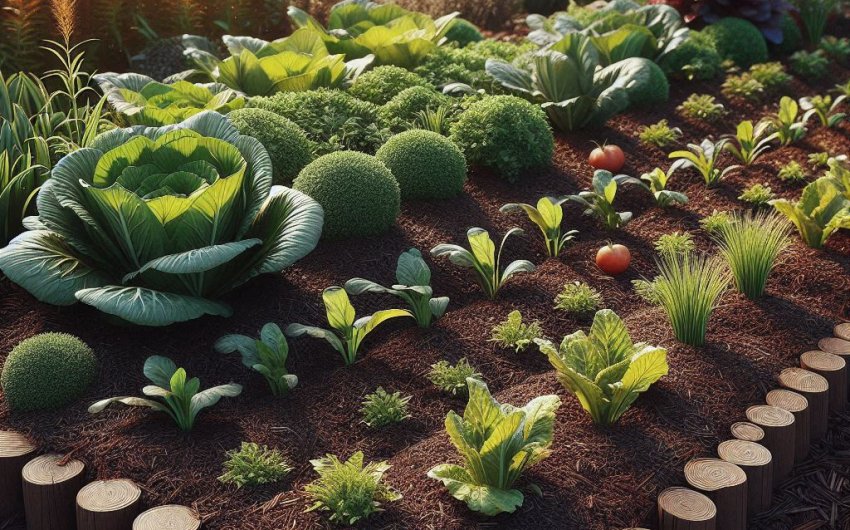
Preparing your vegetable garden for winter is a crucial step that often gets overlooked in the excitement of harvesting the last crops. Yet, properly winterizing your garden isn't just about tidying up; it's about protecting your soil, preventing pests and diseases, and laying the groundwork for a successful and bountiful growing season next spring. A well-prepared garden bed in the fall means less work and better results when spring planting rolls around. This comprehensive guide will walk you through all the best practices for winterizing a vegetable garden, ensuring your green space remains healthy and productive year after year.
Why is Winterizing Your Vegetable Garden Important?
Winterizing your garden is far more than a simple chore; it's an investment in your garden's future health and productivity. The cold months can be harsh, and without proper care, your garden beds can suffer, leading to more work and fewer yields in the spring.
How Does Winterizing Protect Your Soil?
One of the primary benefits of winterizing is soil protection. Bare soil is vulnerable to erosion from winter winds and rain, which can wash away valuable topsoil and nutrients. Freezing and thawing cycles can also degrade soil structure. By covering your garden beds with mulch or cover crops, you create a protective layer that helps maintain soil integrity, prevents nutrient loss, and minimizes compaction. This ensures your garden soil remains fertile and loose, ready for planting when spring arrives.
How Does Winterizing Prevent Pests and Diseases?
Many common garden pests and plant diseases can overwinter in plant debris, infected soil, or even inside garden tools. Cleaning up your garden in the fall helps to break these cycles. Removing diseased plant material, pulling out weeds, and thoroughly cleaning tools reduces the hiding spots and food sources for overwintering pests and disease spores. This proactive approach significantly lowers the chances of a pest or disease outbreak in the following growing season, saving you time and effort down the line.
How Does Winterizing Improve Next Year's Yields?
A well-winterized garden promotes a healthier growing environment for the next season's crops. By enriching the soil with organic matter and protecting it from the elements, you create an optimal foundation for strong root development and vigorous plant growth. Healthy soil leads to healthy plants, which in turn leads to more abundant and higher-quality vegetables. It also means less work in the spring, as you won't have to spend as much time amending damaged soil or battling entrenched pest problems.
What is the First Step in Winterizing: Garden Cleanup?
The initial and perhaps most satisfying step in winterizing your vegetable garden is a thorough cleanup. This process sets the stage for all subsequent winterization efforts and is crucial for pest and disease prevention.
When Should You Start Garden Cleanup?
Begin your garden cleanup after your last harvest and before the first hard frost. For most regions, this means late fall, typically October or November. You want to clear out annuals that are no longer producing but before severe cold sets in, making the task difficult or impossible.
How Do You Remove Dead or Diseased Plant Material?
Walk through your garden beds and systematically remove all dead plant material. This includes spent annual vegetables, dying leaves, and any remnants of this season's crops. It's especially critical to remove any diseased plant material. Do NOT compost diseased plants, as the disease pathogens can survive and reinfect your garden next year. Bag them and dispose of them with your household waste. For healthy plant material, you can add it to your compost pile.
Why is Weed Removal Important for Winterizing?
Just like vegetable plants, weeds can die back and leave seeds or roots behind to sprout next spring. Many perennial weeds have tenacious root systems that can survive the winter and return with a vengeance. Spend time meticulously pulling or digging up all weeds, ensuring you get as much of the root system as possible. Reducing the weed seed bank in the fall means fewer weeds to contend with in the spring.
Should You Amend Your Soil in the Fall?
Fall is an excellent time to amend your garden soil, as it allows organic materials to break down and integrate over the winter months.
- Compost: Adding a generous layer of finished compost or well-rotted manure to your beds is one of the best things you can do for your soil. It improves soil structure, drainage, and fertility.
- Other Amendments: If a soil test (more on this later) indicates specific deficiencies, you can add amendments like bone meal for phosphorus, greensand for potassium, or gypsum for clay soil. Fall application allows these amendments to slowly become available to your plants in spring.
- Avoid Fresh Manure: While well-rotted manure is excellent, avoid adding fresh manure directly before winter. It needs time to break down and can be too strong for young plants in the spring.
Should You Till or Not Till in the Fall?
The decision to till or not to till in the fall depends on your gardening philosophy.
- Tilling: Some gardeners lightly till in amendments in the fall to incorporate them into the soil. However, excessive tilling can disrupt the soil food web and break down the beneficial soil structure. It also brings dormant weed seeds to the surface.
- No-Till/Minimum Till: Many gardeners prefer a no-till or minimum-till approach. Instead of tilling, they spread amendments on top of the soil, allowing worms and natural processes to incorporate them over winter. This approach helps preserve soil structure and beneficial microorganisms. If you're adopting a no-till approach, building up your soil health with regular applications of organic matter is crucial.
How Do You Protect Your Soil Over Winter?
Once your garden beds are cleaned and amended, the next crucial step in winterizing is protecting that newly improved soil from the harsh winter elements. This is where mulching and cover crops come into play.
Why is Mulching Your Garden Beds Important for Winter?
Applying a layer of winter mulch to your empty garden beds is one of the most effective ways to protect your soil.
- Erosion Control: Mulch acts as a protective barrier, preventing wind and rain from eroding valuable topsoil.
- Weed Suppression: It suppresses winter annual weeds from sprouting.
- Temperature Regulation: Mulch helps insulate the soil, moderating temperature fluctuations and preventing deep freezing and thawing cycles that can damage soil structure.
- Moisture Retention: It helps retain soil moisture, which is especially important in dry winter climates.
- Nutrient Contribution: As organic mulches break down, they slowly add organic matter and nutrients to the soil.
What are the Best Materials for Winter Mulch?
Choose organic mulches that will break down over time and contribute to soil health.
- Straw: Clean straw (not hay, which often contains weed seeds) is an excellent choice. It's light, airy, and insulates well. A bale of straw can go a long way.
- Shredded Leaves: If you have access to a leaf shredder, shredded leaves are fantastic. They break down nicely and are a free resource. Make sure they are shredded to prevent matting.
- Wood Chips/Arborist Wood Chips: These are more durable and break down slower, making them suitable for long-term pathways or if you're looking for very slow nutrient release.
- Compost: A thick layer of finished compost can also act as an excellent winter mulch, adding nutrients directly to the soil.
Apply a layer of mulch about 4-6 inches thick over your entire empty garden bed.
When Should You Use Cover Crops?
Cover crops, also known as green manures, are plants grown specifically to protect and enrich the soil rather than for harvest. They are an advanced but highly beneficial winterizing practice.
- Erosion Prevention: They provide a living root system that holds soil in place, preventing erosion.
- Nutrient Retention: Cover crops absorb leftover nutrients in the soil, preventing them from leaching away over winter. When they are tilled in or chopped down in spring, these nutrients are released back to the next crop.
- Weed Suppression: A dense stand of cover crops outcompetes winter weeds.
- Soil Structure Improvement: Their roots break up compacted soil and add organic matter when they decompose.
- Nitrogen Fixation: Leguminous cover crops (like clover or vetch) can "fix" nitrogen from the air into the soil, acting as a natural fertilizer for your next crop.
What are Popular Cover Crops for Winter?
Choosing the right cover crop depends on your climate and goals.
- Winter Rye: A very hardy grain that tolerates cold well, prevents erosion, and adds a lot of organic matter.
- Hairy Vetch: A legume that fixes nitrogen and grows well with winter rye.
- Crimson Clover: Another nitrogen-fixing legume that produces beautiful red flowers in spring.
- Winter Wheat or Oats: Good for soil building and erosion control.
Sow your chosen cover crop seeds in late summer or early fall, following the recommended planting rates. You want them to establish a good amount of growth before hard freezes set in. In spring, before planting your vegetables, you'll need to cut down or till in the cover crops and allow them to decompose for a few weeks before planting. A winter cover crop seed mix can offer a good blend of benefits.
How Do You Care for Perennial Vegetables and Fruits in Winter?
While annual vegetables are removed, perennial vegetables and fruit plants in your garden require specific winter care to ensure their survival and productivity for years to come.
How Do You Protect Asparagus and Rhubarb?
Asparagus and rhubarb are long-lived perennials that benefit from specific winterizing steps:
- Asparagus: Once the ferns turn yellow or brown after frost, cut them back to the ground. Then, apply a generous layer of compost or well-rotted manure over the bed, followed by a thick layer of straw or shredded leaves. This insulates the crowns and provides nutrients for next spring's growth.
- Rhubarb: Allow the leaves to die back naturally after the first hard frost. Cut back the dead foliage to the ground. Apply a 4-6 inch layer of compost or well-rotted manure around the base of the plant. This will feed the plant and protect the crown.
How Do You Prepare Berry Bushes for Winter?
Berry bushes like raspberries, blueberries, and blackberries also need winter attention:
- Raspberries and Blackberries: Prune out old, spent canes that produced fruit this year. For everbearing varieties, you might cut them all back to the ground if you only want a fall crop. For summer-bearing varieties, remove only the canes that fruited, leaving healthy new canes for next year's crop. Apply a mulch layer around the base.
- Blueberries: These woody shrubs generally don't need extensive pruning in the fall (it's often done in late winter/early spring). Ensure they have adequate moisture going into winter. A layer of pine bark mulch or pine needles around them can help maintain their preferred acidic soil.
What About Other Perennials Like Herbs?
Many perennial herbs can survive winter, especially with some protection.
- Hardy Herbs (Thyme, Sage, Chives, Oregano): These are generally robust but can benefit from a layer of straw or evergreen boughs once the ground freezes to prevent frost heaving (when the ground repeatedly freezes and thaws, pushing plants out of the soil).
- Less Hardy Herbs (Rosemary, Lavender in colder zones): In colder climates, these might need extra protection. You can try covering them with a cloche or bringing them indoors if they are in pots. For rosemary, consider mounding soil around its base for insulation.
How Do You Manage Your Garden Irrigation System and Tools?
Beyond the plants and soil, your garden irrigation system and gardening tools also need proper winterizing to prevent damage and ensure they're ready for spring.
How Do You Winterize an Irrigation System?
Failing to winterize your irrigation system is a common mistake that can lead to costly damage. Water left in hoses, drip lines, or sprinklers will freeze and expand, cracking pipes and fittings.
- Drain All Water: The most important step is to completely drain all water from hoses, drip irrigation lines, and sprinkler heads. Disconnect hoses from outdoor spigots.
- Store Hoses: Coil your garden hoses neatly and store them indoors in a shed, garage, or basement, away from freezing temperatures.
- Disconnect Sprinklers/Drip Lines: Disassemble any portable sprinkler heads or drip lines and store them. For permanent drip irrigation systems, follow the manufacturer's instructions for blowing out lines or ensuring they are fully drained.
- Turn Off Outdoor Faucets: If you have outdoor faucets that aren't frost-proof, turn off the water supply to them from inside your house and open the spigots to drain any remaining water. Leave them open slightly to allow for expansion.
How Do You Clean and Store Garden Tools?
Your gardening tools are an investment, and proper winter storage extends their life.
- Clean Thoroughly: Remove all soil, sap, and debris from shovels, hoes, rakes, pruners, and trowels. A stiff brush and water work well. For stubborn sap on pruning shears, use rubbing alcohol.
- Disinfect: For any tools that touched diseased plants, disinfect them with a bleach solution (1 part bleach to 9 parts water) or rubbing alcohol.
- Sharpen: Sharpen dull edges on shovels, hoes, and pruning shears. Sharp tools make gardening easier and cleaner cuts on plants. A tool sharpener is a good investment.
- Oil Wooden Handles: Rub a light coat of linseed oil onto wooden handles to prevent drying and cracking.
- Oil Metal Parts: Apply a thin layer of oil (like mineral oil or WD-40) to all metal parts to prevent rust.
- Store Properly: Hang tools on hooks or store them neatly in a shed or garage. Avoid leaving them exposed to the elements all winter.
What Are Other Considerations for Winterizing Your Garden?
Beyond the basics, a few other elements contribute to a comprehensive winterizing strategy for your vegetable garden.
How Do You Manage Raised Garden Beds in Winter?
Raised garden beds generally require similar winterizing practices as in-ground beds, but with a few nuances.
- Soil Protection: They are also susceptible to erosion and nutrient loss, so applying a thick layer of mulch or planting cover crops is highly recommended.
- Material Protection: If your raised beds are made of wood, ensuring they are well-drained and not constantly sitting in standing water can help prolong their life.
- Moisture: While you don't want waterlogging, ensure the soil in raised beds doesn't completely dry out during prolonged dry spells in winter, as this can be more common in raised beds than in-ground.
What About Pest Control Before Winter?
Beyond removing diseased plants, proactively addressing overwintering pests is part of winterizing.
- Inspect and Remove: Check under rocks, around the base of plants, and in cracks for slugs, snails, or other pests trying to find winter shelter.
- Fall Tilling (if applicable): If you do choose to lightly till in the fall, it can expose some pest eggs and larvae to the cold, potentially killing them.
- Beneficial Insects: Encourage beneficial insects by leaving some undisturbed areas or planting perennial flowers nearby that provide winter shelter.
Should You Collect and Store Seeds?
If you're growing open-pollinated or heirloom varieties and want to save seeds for next year, fall is the time to do it.
- Harvest Ripe Seeds: Allow seed pods to fully mature and dry on the plant.
- Clean and Dry: Carefully collect the seeds, clean off any chaff or debris, and ensure they are completely dry before storage to prevent mold.
- Store Properly: Store seeds in airtight containers (like glass jars) in a cool, dark, and dry place. Label them clearly with the plant type and harvest date. A seed saving kit can make this process easier.
How Can a Soil Test Help Your Winterizing Plan?
Getting a soil test in the fall is highly recommended.
- Nutrient Levels: It tells you what nutrients your soil is lacking or has in abundance. This information guides your amendment strategy for the fall and spring.
- pH Levels: The soil pH (how acidic or alkaline your soil is) affects nutrient availability. Fall is a good time to adjust pH if needed, as amendments like lime (to raise pH) or sulfur (to lower pH) take time to work into the soil over winter.
- Tailored Amendments: A soil test helps you avoid applying unnecessary fertilizers or amendments, saving you money and preventing environmental impact.
You can purchase a soil test kit or send a sample to your local cooperative extension office for a comprehensive analysis.
What About Hardening Off Plants for Next Spring?
While not directly a winterizing practice, remember that if you plan to start seeds indoors over winter for next spring, the process of hardening off these seedlings before transplanting them outdoors is critical. This involves gradually exposing them to outdoor conditions to acclimate them, preventing transplant shock.
What is the Concept of Leaving Some Areas Wild for Wildlife?
While thorough cleanup is important for preventing pests and diseases, it's also beneficial to consider leaving a small, designated area of your garden a bit "wild" over winter.
Why Leave a Wild Patch?
- Wildlife Habitat: A small patch of undisturbed leaves, spent perennial stalks, or unraked areas can provide essential shelter for beneficial insects (like ladybugs and predatory wasps) and small wildlife (like birds) during the cold months. These beneficial insects can help with pest control in your garden next season.
- Biodiversity: Promoting biodiversity in your garden contributes to a healthier ecosystem.
- Food Source: Some seed heads from dried flowers can provide a food source for birds.
Find a balance between neatness for disease control and providing natural habitat. This might mean leaving a small corner of a flower bed undisturbed or creating a brush pile in a less visible area.
How Does Winter Sunlight Affect Garden Design?
As trees lose their leaves, the amount of sunlight your garden receives in winter changes. Observe your garden's sun exposure during the winter months. This can help you plan for next year's garden layout, especially if you're considering adding structures or moving beds. You might find areas that are shadier in summer become sunnier in winter, potentially impacting early spring planting next year.
By diligently following these best practices for winterizing your vegetable garden, you're not just putting your garden to bed; you're actively setting it up for success. This preparation ensures a healthier soil, fewer pest and disease problems, and ultimately, a more productive and enjoyable growing season when spring's warmth returns.