
How Do I Select the Right Fruit Trees for a Small Backyard?
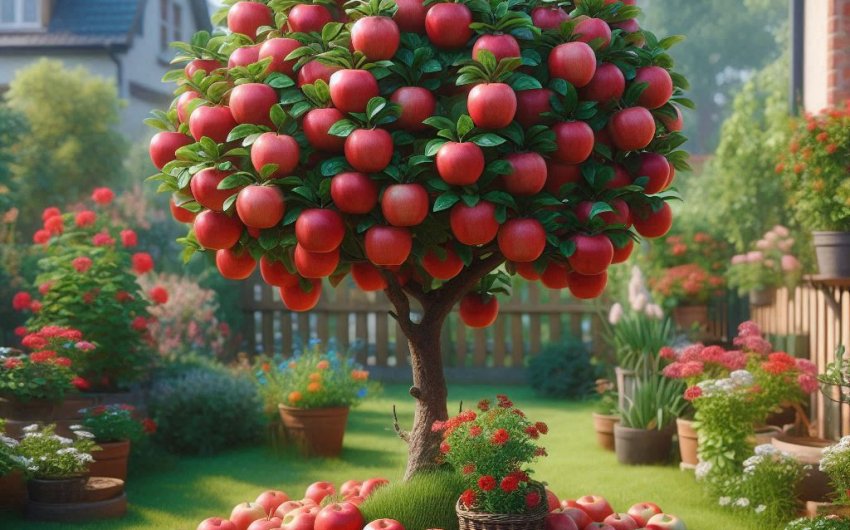
To select the right fruit trees for a small backyard, prioritize dwarf or compact varieties, assess your local climate's hardiness zone and chill hour requirements, and choose trees suitable for container growing or espalier training. Always consider pollination needs, disease resistance, and your personal fruit preferences to ensure successful, manageable harvests in limited space.
Why Grow Fruit Trees in a Small Backyard?
Even with limited space, growing fruit trees in a small backyard is entirely achievable and incredibly rewarding. It allows you to enjoy fresh, homegrown produce, enhance your landscape, and connect with nature, regardless of square footage.
Fresh, Homegrown Produce
- Superior Flavor: Fruit ripened on the tree, picked at its peak, tastes significantly better than store-bought varieties.
- Organic Control: You decide what goes into your fruit, ensuring pesticide-free, healthy eating.
- Unique Varieties: Access to heirloom or less common fruit types not available in supermarkets.
Maximize Small Spaces
- Vertical Gardening: Fruit trees grow upwards, utilizing vertical space effectively.
- Container Growing: Many dwarf fruit trees thrive in pots, making them perfect for patios, balconies, or small yards.
- Edible Landscaping: Integrate fruit trees into your existing landscape for beauty and bounty.
Economic and Environmental Benefits
- Cost Savings: Reduce your grocery bill with fresh fruit literally in your backyard.
- Sustainability: Contribute to local food production and reduce your carbon footprint.
- Attracts Pollinators: Fruit tree blossoms are a valuable food source for bees and other beneficial insects.
Aesthetic Appeal
- Beautiful Blossoms: Enjoy stunning spring blooms that add color and fragrance to your yard.
- Lush Foliage: Evergreen or deciduous, fruit trees add texture and shade.
- Ornamental Value: A well-pruned fruit tree can be a striking focal point.
What Key Factors Influence Fruit Tree Selection for Small Backyards?
Before you even think about specific fruit types, understanding these critical factors will narrow down your choices and ensure success.
1. Hardiness Zone (Climate)
- What it is: The USDA Plant Hardiness Zone Map divides North America into zones based on average annual minimum winter temperatures.
- Why it Matters: You must choose trees hardy enough to survive your coldest winter temperatures. Planting a tree not suited for your zone means it won't survive long-term.
- How to Find Yours: Enter your zip code on the USDA Plant Hardiness Zone Map website.
- Consider Microclimates: Your yard might have warmer (e.g., south-facing wall) or colder spots than your general zone.
2. Chill Hour Requirements
- What it is: The number of hours (typically between 32°F and 45°F, or 0°C and 7.2°C) a fruit tree needs during its dormant period to break dormancy and produce fruit.
- Why it Matters: Trees that don't receive enough chill hours won't flower or fruit properly. Too many chill hours for a low-chill variety can also be problematic.
- Regional Variation: Chill hour accumulation varies significantly by region. Check with your local cooperative extension office or reputable nurseries for local data.
3. Sunlight Exposure
- Minimum 6-8 Hours: Most fruit trees require a minimum of 6-8 hours of direct, unfiltered sunlight per day, especially during the growing season, to produce good fruit.
- All-Day Sun is Best: More sun generally equals more fruit and sweeter fruit.
- Mapping Your Yard: Observe and map out how much sun different areas of your backyard receive throughout the day.
4. Soil Type and Drainage
- Well-Draining Soil: Fruit trees hate "wet feet." They need well-draining soil to prevent root rot. If your soil is heavy clay, consider amending it heavily with organic matter or planting in raised beds/containers.
- Soil pH: Most fruit trees prefer slightly acidic to neutral soil (pH 6.0-7.0). A soil test can tell you your current pH and nutrient levels.
5. Water Access
- Consistent Water: Young fruit trees need consistent watering, especially during their first few years, to establish a strong root system. Plan for easy access to a water source.
What Tree Sizes and Forms are Best for Small Backyards?
The mature size and form of a fruit tree are paramount when space is limited. Forget standard full-sized trees.
1. Dwarf Fruit Trees
- Description: Grafted onto special "dwarfing" rootstock, these trees remain small, typically 6-10 feet tall, yet produce full-sized fruit.
- Benefits:
- Compact Size: Ideal for small backyards.
- Container Growing: Many dwarf varieties thrive in large pots.
- Easier Harvesting/Pruning: Fruit is at a reachable height.
- Quicker to Fruit: Often bear fruit sooner than standard trees.
- Examples: Dwarf apple, peach, pear, cherry, plum, citrus.
- A Dwarf Meyer Lemon Tree is perfect for small spaces or containers.
2. Semi-Dwarf Fruit Trees
- Description: A step up from dwarf, growing 10-15 feet tall.
- Benefits: Still smaller than standard, good for slightly larger small backyards, often more vigorous and productive than true dwarfs.
3. Columnar (Ballerina) Fruit Trees
- Description: Varieties bred to grow straight up, with very short fruiting spurs directly on the main trunk, creating a "column" shape (2-3 feet wide, 8-10 feet tall).
- Benefits:
- Extremely Space-Saving: Perfect for very narrow spaces, pathways, or as vertical accents.
- High Density: Can plant multiple trees very close together.
- Examples: Columnar apples ('Northpole', 'Urban Apple' series), columnar peaches.
4. Espalier Training
- Description: A pruning technique where branches are trained to grow flat against a wall, fence, or trellis.
- Benefits:
- Maximizes Wall Space: Utilizes otherwise unused vertical areas.
- Beautiful and Artistic: Creates a stunning, edible focal point.
- Easy Access: Fruit is easy to reach and harvest.
- Considerations: Requires consistent pruning and training. Apples and pears are excellent candidates.
5. Multi-Grafted (Fruit Cocktail) Trees
- Description: A single tree with multiple different fruit varieties (e.g., different types of apples, or a plum-apricot-peach combo) grafted onto one rootstock.
- Benefits:
- Variety in Small Space: Get several types of fruit from one "tree."
- Pollination Helper: Often includes compatible varieties for cross-pollination.
- Considerations: Requires careful pruning to ensure one variety doesn't outcompete others.
6. Container Growing
- Description: Growing fruit trees directly in large pots.
- Benefits:
- Ultimate Flexibility: Move trees to optimize sun exposure, protect from frost, or rearrange your patio.
- Soil Control: Perfect for areas with poor native soil or for acid-loving plants (like blueberries).
- Suitable for Tender Varieties: Grow citrus or figs in cold climates by moving them indoors for winter.
- Considerations: Requires more frequent watering and fertilization. Use large pots (minimum 15-25 gallons).
- A large fabric grow bag is an excellent choice for container trees.
What About Pollination Needs?
Understanding how your chosen fruit trees pollinate is vital for a successful harvest.
Self-Pollinating vs. Cross-Pollinating
- Self-Pollinating: These trees can produce fruit on their own pollen, so you only need one tree to get a harvest. Ideal for small backyards.
- Examples: Many peach, nectarine, fig, persimmon, sour cherry, and some apple, pear, and plum varieties.
- Cross-Pollinating: These trees require pollen from a different, compatible variety of the same fruit type to produce fruit. You'll need at least two different trees.
- Examples: Most apple, pear, sweet cherry, and many plum varieties.
- Partial Self-Pollinating: Some varieties are "partially self-pollinating," meaning they will produce some fruit on their own, but yields are significantly higher with a compatible pollinator.
How to Handle Pollination in Small Backyards:
- Prioritize Self-Pollinating Varieties: The easiest solution.
- Multi-Grafted Trees: Often include compatible pollinators.
- "Pollenizer" Tree: If you want a cross-pollinating variety, plant a small, compatible pollinator tree (can be a dwarf or columnar type) nearby.
- Borrowing Pollen: If neighbors have compatible trees, their trees might provide enough pollen.
- Crabapple Trees: Excellent pollinators for many apple varieties, and their small size makes them backyard-friendly.
- Potted Pollinator: Grow a small, compatible pollinator in a pot and bring it out when your main tree is flowering.
What Are the Best Fruit Tree Options for Small Backyards?
Considering all the factors, here are some top choices for compact fruit production.
1. Apple Trees (Dwarf or Columnar)
- Pros: Popular fruit, many dwarf and columnar varieties available, some disease-resistant options.
- Cons: Most require cross-pollination. Prone to various pests and diseases if not chosen carefully.
- Best for Small Yards:
- Dwarf varieties: 'Honeycrisp', 'Gala', 'Fuji'.
- Columnar apples: 'Northpole', 'Urban Apple' series.
- A Dwarf Honeycrisp Apple Tree is a popular choice.
2. Peach/Nectarine Trees (Dwarf)
- Pros: Delicious fresh fruit, many are self-pollinating.
- Cons: Susceptible to peach leaf curl and other fungal diseases, requires more diligent care (spraying, pruning) than some other fruits. Can be short-lived.
- Best for Small Yards:
- Dwarf varieties: 'Bonanza', 'Garden Sun', 'Pix Zee'.
- Genetic Dwarfs: Naturally grow to only 5-6 feet.
3. Fig Trees
- Pros: Many varieties are self-pollinating and very adaptable to container growing. Generally pest and disease resistant, especially compared to stone fruits. Unique, delicious fruit.
- Cons: Not cold hardy in northern climates (need winter protection or must be brought indoors).
- Best for Small Yards:
- Popular varieties: 'Brown Turkey', 'Chicago Hardy', 'Celeste'.
- A Brown Turkey Fig Tree is excellent for containers.
4. Cherry Trees (Dwarf or Sour/Bush)
- Pros: Beautiful spring blossoms, delicious fruit. Sour cherries are often self-pollinating and hardy.
- Cons: Sweet cherries mostly need cross-pollination. Prone to bird predation.
- Best for Small Yards:
- Dwarf sour cherries: 'Romeo', 'Carmine Jewel' (bush-like).
- Dwarf sweet cherries: 'Stella' (self-pollinating sweet cherry).
5. Citrus Trees (Dwarf)
- Pros: Beautiful evergreen foliage, fragrant blossoms, continuous fruiting in warm climates or indoors. Many are self-fertile.
- Cons: Not cold hardy (USDA Zone 8-10 generally). Must be grown in containers and moved indoors for winter in most climates.
- Best for Small Yards:
- Dwarf varieties: 'Meyer Lemon', 'Calamondin Orange', 'Key Lime'.
- A Dwarf Key Lime Tree adds a tropical touch.
6. Pear Trees (Dwarf)
- Pros: Very hardy, attractive trees. Some varieties are resistant to fire blight.
- Cons: Most require cross-pollination.
- Best for Small Yards:
- Dwarf varieties: 'Bartlett', 'Comice', 'D'Anjou'.
7. Other Excellent Options:
- Dwarf Pomegranate: Ornamental, delicious fruit, heat-tolerant, some cold tolerance.
- Pawpaw: Native, unique fruit, pest-resistant, thrives in partial shade when young. Needs two genetically different trees for best pollination.
- Persimmon: Hardy, ornamental, few pest issues. Many are self-pollinating.
- Blueberries: Best in groups (for cross-pollination and higher yield), require acidic soil, excellent for containers.
How to Prepare Your Backyard for Fruit Trees?
Once you've selected your trees, preparing their new home is crucial for their long-term health.
1. Site Preparation
- Clear Weeds: Remove all weeds and grass from a 3-5 foot diameter area around where each tree will be planted. Weeds compete for water and nutrients.
- Soil Test: If you haven't already, get a soil test to understand your soil's pH and nutrient levels. Amend based on recommendations.
- Improve Drainage: If your soil is heavy clay, consider building a raised bed or incorporating significant organic matter (compost, pine bark fines) to improve drainage.
2. Digging the Hole
- Wide, Not Deep: Dig a hole that is 2-3 times wider than the tree's root ball, but only as deep as the root ball. You want the roots to spread outwards, not grow straight down into compacted soil.
- Root Collar: Ensure the "root collar" (where the trunk meets the roots, often marked by a slight swelling) is at or slightly above ground level after planting.
3. Planting the Tree
- Loosen Roots: Gently tease apart any circling roots at the bottom or sides of the root ball.
- Position Tree: Place the tree in the center of the hole.
- Backfill: Backfill the hole with the original soil, breaking up any large clumps.
- Tamp Gently: Lightly tamp the soil around the roots to remove large air pockets. Do not compact it too tightly.
- Water Deeply: Water thoroughly immediately after planting to settle the soil around the roots.
- Mulch: Apply a 2-4 inch layer of organic mulch (wood chips, straw, shredded leaves) over the root zone. Keep mulch a few inches away from the tree trunk.
How to Care for Your Small Backyard Fruit Trees?
Even with low-maintenance varieties, some consistent care is needed, especially in the first few years.
1. Watering
- Consistent Moisture (First 1-2 Years): Water deeply and regularly, especially during dry spells, to encourage deep root growth. Frequency depends on soil type, climate, and tree size.
- Mature Trees: Once established, they are more drought-tolerant but still benefit from deep watering during extended dry periods, particularly when fruit is developing.
2. Pruning
- Annual Pruning: Even low-maintenance trees benefit from annual pruning in late winter or early spring (dormant season).
- Focus: Remove dead, diseased, or crossing branches. Aim to create an open structure for good air circulation and light penetration, which benefits fruit quality and reduces disease.
- Size Control: For dwarf trees, light pruning helps maintain their compact size.
3. Fertilization
- Minimal Needs: With good soil preparation and mulching, many small backyard fruit trees may need little additional fertilizer.
- Soil Test: Best to fertilize based on a soil test.
- Balanced Fertilizer: If needed, use a balanced, slow-release fertilizer or top-dress with compost annually in spring.
4. Pest and Disease Monitoring
- Regular Inspection: Check your trees regularly for any signs of pests or diseases. Early detection is key.
- Organic Solutions: For minor issues, try horticultural oils, insecticidal soaps, or neem oil. Encourage beneficial insects like ladybugs.
- Resistant Varieties: Choosing resistant varieties significantly reduces potential problems.
5. Winter Protection (if needed)
- Wrapping Trunks: In areas with harsh winters, young tree trunks can be wrapped to prevent sunscald and rodent damage.
- Container Trees: Move containerized trees into an unheated garage, shed, or sheltered area for winter if they are not hardy to your zone.
Selecting the right fruit trees for a small backyard involves smart choices about variety size, pollination needs, and climate suitability. By opting for dwarf, columnar, or multi-grafted trees, understanding their care requirements, and preparing your space properly, you can successfully grow a diverse and delicious array of fruits, transforming your compact yard into a bountiful orchard.