
How to Create a Zen Garden for Relaxation and Mindfulness?
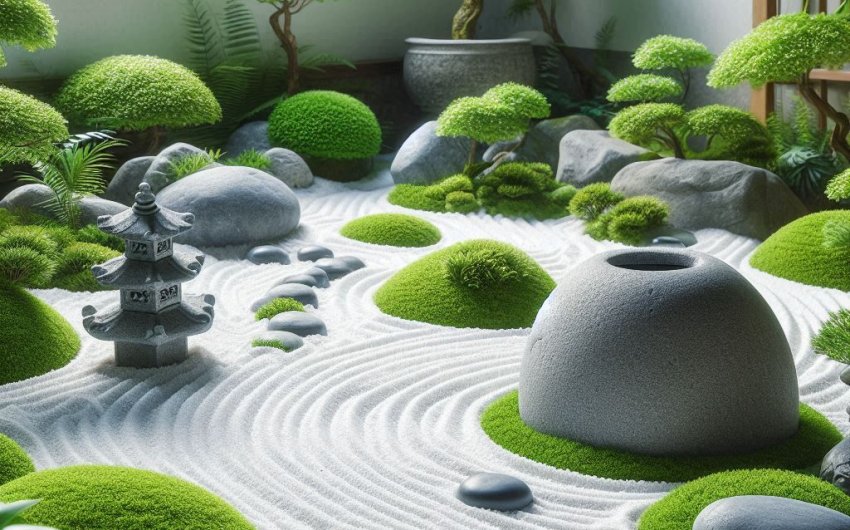
Learning how to create a Zen garden for relaxation and mindfulness offers a unique opportunity to cultivate a serene and reflective space right in your own backyard or even indoors. Rooted in Japanese Buddhist traditions, these minimalist gardens, known as karesansui or dry landscape gardens, are designed not for active participation but for contemplation. They invite tranquility through carefully arranged elements like sand, rocks, and sparse greenery, fostering a sense of peace and encouraging a mindful connection with nature's subtle beauty.
What is a Zen Garden and Why Create One?
A Zen garden is more than just a decorative landscape; it's a profound spiritual tool designed to aid meditation and introspection. Understanding its core philosophy helps in creating a space that truly fosters peace and mindfulness.
What Are the Core Principles of a Zen Garden?
Zen gardens, or karesansui (dry landscape gardens), are highly stylized Japanese gardens that convey profound meaning through carefully arranged natural elements. Their design principles are rooted in Zen Buddhism and aim to inspire contemplation.
- Simplicity (Kanso): This is paramount. Zen gardens feature a minimalist approach, avoiding clutter or excessive elements. Every component is chosen deliberately for its symbolic meaning and aesthetic impact. The goal is clarity and purity, allowing the mind to focus.
- Asymmetry (Fukinsei): Balance is achieved through asymmetry and irregular forms, reflecting the natural world where perfect symmetry is rare. This creates a more dynamic and interesting composition than rigid, symmetrical arrangements.
- Austerity/Naturalness (Shizen/Koko): Elements are presented in their natural, unadorned state. The garden strives to look as if it formed naturally, even though it is meticulously arranged. There's a beauty in raw, unrefined materials.
- Profound Mystery/Suggestion (Yugen): Zen gardens don't explicitly show everything; they suggest and imply. The raked sand patterns might represent water or waves, and rocks might represent mountains or islands. This encourages the viewer's imagination and deeper thought.
- Stillness/Tranquility (Seijaku): The overall atmosphere is one of profound peace and quiet. There are no active water features or vibrant flower beds to distract. This stillness supports meditation and quiet reflection.
- Emptiness/Space (Ma): The empty spaces, particularly the raked sand or gravel, are just as important as the physical elements. They provide a sense of openness and allow the mind to rest and expand.
- Subtlety/Understatedness (Shibumi/Shibui): The beauty is quiet and unassuming, growing on the viewer over time. It's not about immediate impact but about fostering a deeper appreciation.
Why Create a Zen Garden for Mindfulness?
Creating a Zen garden offers unique benefits for mental well-being, providing a dedicated space and a meditative practice to cultivate relaxation and mindfulness.
- Stress Reduction: The minimalist design and focus on natural elements inherently create a calming atmosphere. The act of raking the sand can be a repetitive, meditative practice that helps quiet the mind and reduce stress.
- Fosters Mindfulness: By engaging with the garden through observation, reflection, and the physical act of raking, you are encouraged to be fully present in the moment. This practice of mindfulness helps you detach from worries and focus on sensory details.
- Promotes Contemplation and Reflection: The symbolic elements of a Zen garden (rocks as mountains, sand as water) invite deeper thought and personal interpretation. It becomes a space for introspection and gaining perspective.
- Accessible Meditation: Even if you're new to meditation, interacting with a Zen garden provides a tangible way to engage in a meditative practice. The rhythmic motion of raking can be a form of active meditation.
- Personal Sanctuary: It provides a dedicated outdoor (or indoor) space for quiet solitude, a retreat from the busyness of daily life where you can decompress and reconnect with yourself.
- Enhances Aesthetic Appreciation: The garden encourages an appreciation for natural forms, textures, and the interplay of light and shadow, fostering a deeper connection with nature's subtle beauty.
What Are the Essential Elements of a Zen Garden?
Every component in a Zen garden serves a purpose, contributing to its minimalist aesthetic and symbolic depth. Understanding these essential elements is key to designing an authentic and contemplative space.
1. Sand or Gravel (The Raked "Water")
The most prominent feature of a Zen garden, sand or gravel represents water, purity, and vastness. The act of raking it is central to the meditative practice.
- Symbolism: Represents water, oceans, waves, ripples, or simply vast empty space. It also symbolizes purity and cleanliness.
- Material Choice:
- Gravel: More common for outdoor Zen gardens as it's less prone to being disturbed by wind or rain. Choose a fine-grained, light-colored gravel (e.g., Zen garden gravel white, cream, or light grey). Avoid rough, irregularly shaped gravel.
- Sand: More suitable for indoor tabletop Zen gardens, as it's finer and easier to rake into intricate patterns.
- Depth: A consistent depth of at least 2-4 inches (5-10 cm) is needed for effective raking patterns.
- Preparation: Ensure the base beneath the gravel/sand is level and has a weed barrier fabric to prevent weeds from growing through.
2. Rocks (The "Mountains" or "Islands")
Rocks are fundamental structural elements, representing mountains, islands, or eternal aspects of nature. Their placement is highly symbolic and critical to the garden's composition.
- Symbolism: Represent permanence, strength, wisdom, mountains, islands, or landmasses emerging from water. They often symbolize the challenges and obstacles in life.
- Material Choice: Choose natural, unpolished rocks with interesting shapes, textures, and colors that blend well with the overall design. Volcanic rocks, granite, or river stones are common. Avoid overly shiny or artificial-looking stones.
- Placement:
- Odd Numbers: Rocks are almost always placed in odd-numbered groupings (e.g., 3, 5, 7 stones) to create asymmetry and a natural feel.
- Triangular Arrangements: Often grouped in threes, symbolizing a trinity (e.g., a mountain peak, its foot, and a distant smaller peak).
- Partially Buried: Rocks should appear as if they are naturally emerging from the earth, so bury their base partially in the gravel.
- Balance: Consider their weight, height, and overall mass to create a visual balance that is asymmetrical yet harmonious.
3. Moss (Ground Cover or Accent)
Moss adds a touch of subtle green life and symbolizes age, tranquility, and natural beauty.
- Symbolism: Represents ancient landscapes, forests, age, tranquility, and continuity.
- Material Choice: Use hardy moss varieties suited to your climate. You can collect moss from local areas (ethically) or purchase live moss for gardens.
- Placement:
- Accents: Often used as small, carefully placed accents around the base of rocks, creating a sense of age and softening harsh lines.
- Ground Cover: Can be used as a ground cover in shaded areas, contrasting with the gravel.
- Care: Moss requires consistent moisture and shade to thrive.
4. Limited Plants (Sparse Greenery)
While not as prominent as rocks and sand, a very select few plants can be included to add a subtle touch of living nature.
- Symbolism: Represents life, renewal, and the connection to the natural world.
- Material Choice: Choose evergreen, low-maintenance plants with simple forms. Avoid colorful, showy flowers or deciduous plants that shed leaves.
- Examples: Dwarf conifers (e.g., dwarf Japanese black pine), ferns, or small, non-flowering shrubs.
- Placement: Plant sparingly and strategically, often at the edges or in corners, to complement the design without dominating it. Ensure they don't overshadow the rock and sand elements.
5. Raking Tools
The rake is a crucial "tool" for both creating the garden's patterns and engaging in the meditative practice.
- Purpose: Used to create symbolic patterns in the sand or gravel that represent water, ripples, or waves. The act of raking is a meditative practice in itself, allowing for focus and calming the mind.
- Material Choice: For outdoor gardens, use a sturdy Zen garden rake with fine tines. For tabletop gardens, miniature rakes are common.
- Patterns: Common patterns include concentric circles around rocks (representing ripples), straight lines (representing calm water), or wavy lines (representing ocean waves).
How Do You Design Your Zen Garden Layout?
Designing a Zen garden is an artistic and meditative process, requiring careful thought and intentional placement of each element. It's about creating a miniature landscape that evokes nature's vastness.
1. Choose Your Space and Size
The first step is defining the boundaries and scale of your Zen garden, whether it's a sprawling outdoor area or a compact tabletop version.
- Outdoor Zen Garden:
- Location: Select a quiet, secluded spot in your yard that is relatively level. Consider areas that receive some shade, especially in hot climates, to help preserve the raked patterns and keep moss healthy.
- Size: Can range from a small corner (e.g., 5x5 feet) to a larger expansive area. Aim for a manageable size that is easy to maintain. A common starting size is 6x10 feet.
- Accessibility: Ensure you can access all parts of the garden easily for raking without stepping on the gravel.
- Indoor/Tabletop Zen Garden:
- Location: A quiet spot on a desk, shelf, or coffee table where you can easily interact with it without disturbance.
- Size: Small trays or containers (e.g., desktop Zen garden kit) are common.
2. Prepare the Base
Proper ground preparation is essential for drainage and preventing weeds, especially for outdoor Zen gardens.
- Outdoor:
- Clear and Level: Remove all existing vegetation, rocks, and debris. Level the ground as much as possible.
- Edging: Install a border or edging (wood, stone, metal) to contain the gravel and define the garden's boundaries. This also helps keep grass or weeds from creeping in.
- Weed Barrier: Lay down a thick layer of heavy-duty landscape fabric or a double layer of cardboard over the entire base area. This prevents weeds from growing through the gravel. Overlap seams and secure with pins.
- Drainage Layer (Optional but Recommended): For very poor drainage, you might add a shallow layer of coarse gravel or crushed stone beneath the weed barrier to improve water runoff.
- Indoor: Simply ensure your container is clean and holds the sand or gravel securely.
3. Place Your Rocks Strategically
Rock placement is the most critical step in designing the symbolic landscape of your Zen garden. Each rock should contribute meaning and balance.
- Collect and Select: Choose rocks of varying sizes, shapes, and textures. Look for natural, weathered stones.
- Odd Groupings: Always place rocks in odd-numbered groups (e.g., 3, 5, 7). Three-stone arrangements are classic, representing heaven, earth, and humanity, or Buddha and his two attendants.
- Asymmetrical Balance: Aim for visual balance through asymmetry. Don't place rocks in a straight line or symmetrical pattern.
- Partially Bury: Bury the base of each rock so it appears to emerge naturally from the "earth" (gravel), giving a sense of stability and permanence.
- Consider the Angle: Experiment with the angle and orientation of each rock. A rock that looks dull from one angle might look majestic from another.
- The "Island" Effect: Ensure that some rocks (or groups of rocks) appear as islands rising from the "sea" of gravel.
4. Incorporate Moss and Plants Sparingly
Moss and plants add subtle life and softness, but should not overwhelm the primary elements of sand and rock.
- Moss:
- Placement: Carefully place clumps of moss around the base of selected rocks or in small, defined areas.
- Care: Ensure these areas have sufficient moisture (misting) and shade.
- Plants:
- Selectivity: Choose a very limited number of small, evergreen, simple plants (e.g., a dwarf conifer, a fern).
- Strategic Placement: Plant them at the edges or corners of the garden, allowing them to frame the scene without being the focal point.
- Maintain Size: Prune regularly to keep them small and in scale with the garden.
5. Add the Gravel/Sand
Once all fixed elements are in place, it's time to add the main medium for raking.
- Spread Evenly: Spread your chosen gravel or sand evenly across the prepared base, ensuring a consistent depth of 2-4 inches (5-10 cm).
- Smooth Surface: Use the back of your rake or a flat board to smooth the surface of the gravel before creating patterns.
6. Create Raking Patterns
Raking the gravel is both the final aesthetic touch and the ongoing meditative practice of a Zen garden.
- Tool: Use a Zen garden rake with fine tines.
- Symbolic Patterns:
- Straight Lines: Most common, representing calm water or linear flow. Rake straight lines parallel to the long edges of the garden.
- Concentric Circles/Ripples: Rake concentric circles or oval patterns around the rocks, symbolizing ripples emanating from islands or mountains.
- Wavy Lines: Can represent ocean waves or currents.
- Meditative Practice: Approach raking as a mindful activity. Focus on the rhythmic motion, the sound of the gravel, and the patterns emerging, letting go of external thoughts.
How Do You Use a Zen Garden for Relaxation and Mindfulness?
Creating a Zen garden is just the beginning; the true benefit comes from actively engaging with it as a tool for relaxation and mindfulness. It's about cultivating a habit of quiet contemplation.
1. Approach with Intention and Presence
To truly benefit from your Zen garden, treat it as a sacred space for your mind.
- Dedicated Time: Set aside a few minutes each day or a few times a week to visit your garden. Even 5-10 minutes can make a difference.
- Minimize Distractions: Turn off your phone, leave chores behind, and silence external noise as much as possible.
- Observe Quietly: Before you rake, spend a few moments simply observing the garden. Notice the interplay of light and shadow on the rocks, the textures of the sand, and the subtle variations in the plants. Breathe deeply.
2. The Meditative Act of Raking
Raking the gravel or sand is the primary hands-on practice in a Zen garden, offering a unique form of active meditation.
- Focus on the Motion: As you rake, bring your full attention to the rhythmic, repetitive motion of your hands and arms. Feel the rake moving through the gravel.
- Observe the Patterns: Notice how the patterns form, change, and flow. The patterns are impermanent, just like thoughts and feelings.
- Clear the Mind: The repetitive nature of raking can help quiet the "monkey mind," allowing you to release thoughts and focus on the present moment. Think of it as raking away worries or distractions.
- Symbolic Raking: You can imbue your raking with symbolic meaning. For example, rake away negative feelings, or create ripples of peace radiating outwards.
3. Practice Contemplation and Reflection
Beyond raking, the Zen garden serves as a backdrop for quiet thought and introspection.
- Symbolic Interpretation: Reflect on the symbolism of the elements. The rocks might represent stability in your life, the waves of the sand, the changing nature of experience.
- Mindful Observation: Pay attention to nature's details: the way light changes throughout the day, the dew on the moss, a gentle breeze rustling a plant.
- Journaling: After spending time in the garden, you might find it beneficial to sit nearby and journal any insights, thoughts, or feelings that arose. Keep a mindfulness journal handy.
4. Create a Comfortable Viewing/Meditation Spot
Having a dedicated spot to sit and observe enhances the experience.
- Comfortable Seating: Place a simple bench, a meditation cushion, or even a comfortable rock near the garden, allowing you to sit comfortably and view the entire composition.
- Clear Sightlines: Ensure your viewing spot offers an unobstructed view of the garden.
- Minimalist Surroundings: Keep the area around your viewing spot uncluttered to maintain the garden's serene atmosphere.
5. Practice Non-Attachment
A core Zen concept is non-attachment. The raked patterns in your garden are temporary, meant to be raked anew.
- Embrace Impermanence: Understand that the patterns you create are fleeting. They will be changed with the next raking, or by wind, rain, or the simple passage of time. This teaches a valuable lesson about the impermanence of all things.
- Let Go: The act of intentionally disrupting a beautiful pattern to create a new one can be a powerful practice in letting go and embracing change.
By understanding how to create a Zen garden for relaxation and mindfulness, you cultivate not just a beautiful outdoor space, but a deeply personal sanctuary that encourages introspection, peace, and a profound connection to the present moment.