
What Are the Best Practices for Growing Mushrooms Indoors?
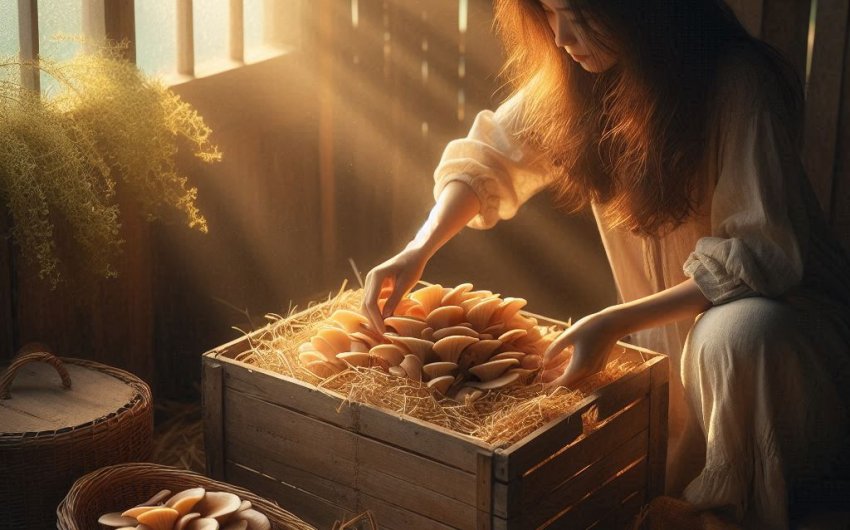
Growing your own mushrooms indoors might sound a bit mysterious or even difficult, but it's actually a fascinating and rewarding hobby that's more accessible than you think. Imagine harvesting fresh, gourmet mushrooms for your kitchen, picked just moments before you cook them. Beyond the culinary delight, cultivating mushrooms at home offers a unique connection to a different kind of gardening, one that thrives in low light and high humidity. It's a journey into the world of fungi, where microscopic spores transform into beautiful, edible structures through careful nurturing. Whether you're a seasoned gardener looking for a new challenge or a curious food lover eager to try something new, indoor mushroom cultivation can be a surprisingly straightforward and deeply satisfying pursuit.
The beauty of growing mushrooms indoors is that it doesn't require a backyard or even much space. A spare closet, a shelf, or a dedicated grow tent can become your fungi farm. The key is understanding the specific needs of different mushroom species and providing the right environment for them to flourish. From choosing the right mushroom to preparing the perfect substrate and managing critical environmental factors, each step plays a vital role in encouraging a bountiful harvest. Let's delve into the best practices that will help you bring the magic of mushroom cultivation into your home.
What is Mycology and How Does It Relate to Growing Mushrooms?
Mycology is the scientific study of fungi, which includes mushrooms, yeasts, and molds. When you're growing mushrooms, you're essentially becoming a practical mycologist, applying the principles of how fungi grow to cultivate them for food. Unlike plants, which use sunlight to make their own food (photosynthesis), fungi are "heterotrophs," meaning they get their food from breaking down organic matter. This crucial difference shapes how we grow them.
Understanding the Mushroom Life Cycle
To successfully grow mushrooms, it helps to understand their basic life cycle:
- Spores: Mushrooms reproduce via tiny spores, similar to plant seeds but much smaller. These spores are released from the gills or pores under the mushroom cap.
- Mycelium: When spores land on a suitable food source (called a substrate) and conditions are right (humidity, temperature), they germinate and grow into a network of fine, thread-like fibers called mycelium. This white, fuzzy growth is the "body" of the fungus, and it colonizes the substrate, breaking down nutrients. This is where most of the growth happens, unseen.
- Fruiting Body (Mushroom): Once the mycelium has fully colonized the substrate and senses the right environmental cues (like a drop in temperature, increase in fresh air, or change in humidity), it signals the formation of a fruiting body – which is the mushroom we eat. These start as tiny "pins" or "primordia" and then rapidly expand into full-sized mushrooms.
- Spore Release: Mature mushrooms release spores, and the cycle begins again.
Your goal in growing mushrooms indoors is to provide the perfect conditions at each stage:
- Getting spores or spawn (mycelium already growing on a grain or other substrate) to colonize a larger substrate.
- Then, triggering that fully colonized substrate to produce mushrooms.
What Are the Best Mushroom Species for Beginners to Grow Indoors?
Not all mushrooms are equally easy to grow indoors. Some are much more forgiving and resilient, making them perfect for those just starting out. Choosing the right species will significantly increase your chances of success and provide a more rewarding experience.
Top Choices for Beginner Mushroom Growers:
- Oyster Mushrooms (Pleurotus ostreatus): This is by far the most recommended mushroom for beginners.
- Why they're great: They grow quickly, are very forgiving of less-than-perfect conditions, and produce abundant yields. They come in various colors (grey, pink, yellow, blue), all with a delicate, savory flavor.
- Preferred Substrate: They are extremely versatile and can grow on many different substrates, including straw, sawdust, coffee grounds, and cardboard.
- Growth Profile: Fast colonizers, produce multiple "flushes" (harvests) from a single block.
- Shiitake Mushrooms (Lentinula edodes): While slightly more challenging than oysters, shiitake are a close second and very rewarding due to their popularity and rich, umami flavor.
- Why they're great: They are gourmet mushrooms and fairly robust once the substrate is fully colonized.
- Preferred Substrate: Primarily grown on hardwood sawdust blocks or hardwood logs.
- Growth Profile: Colonization can be slower, but they produce several flushes over time. They require a "fruiting trigger" (often a cold shock) to initiate pinning.
- Lion's Mane Mushrooms (Hericium erinaceus): Known for their unique, shaggy appearance and taste reminiscent of crab or lobster. They are becoming increasingly popular for both culinary and medicinal uses.
- Why they're great: They are moderately easy to grow and visually stunning.
- Preferred Substrate: Hardwood sawdust blocks.
- Growth Profile: Good colonizers, grow relatively quickly once pinned.
- Reishi Mushrooms (Ganoderma lucidum): Primarily grown for their medicinal properties rather than culinary use, they are also quite easy for beginners, though they take longer to mature.
- Why they're great: They are very resistant to contamination once established.
- Preferred Substrate: Hardwood sawdust blocks.
- Growth Profile: Slow growers, but very reliable.
Species to Avoid as a Beginner:
- Button Mushrooms (Agaricus bisporus) / Cremini / Portobello: While common in stores, these are surprisingly difficult to grow at home. They require a very specific composted manure substrate and a casing layer, making them prone to contamination and more advanced.
- Morels (Morchella spp.): Extremely difficult to cultivate, even for experts. Not recommended for indoor growing.
- Chanterelles (Cantharellus spp.): These are mycorrhizal, meaning they form a symbiotic relationship with trees, making them very hard to grow outside of their natural environment.
For your first attempt, starting with an oyster mushroom grow kit oyster mushroom grow kit is often the best approach. These kits come with a pre-colonized substrate block and instructions, making the process almost foolproof. It's a great way to learn the basics before moving on to more advanced methods like preparing your own substrate.
What Materials and Equipment Do You Need to Grow Mushrooms Indoors?
Growing mushrooms indoors, especially beyond a simple grow kit, requires some specific materials and equipment. The good news is that many items can be repurposed or are relatively inexpensive. Cleanliness is paramount in mushroom cultivation to prevent contamination.
Essential Materials for Substrate Preparation:
- Substrate: This is the food source for your mycelium. The type depends on the mushroom species.
- Hardwood Sawdust Pellets: Ideal for shiitake, lion's mane, and many oyster varieties. You can often find hardwood sawdust pellets sold as fuel pellets (ensure they are 100% hardwood with no additives).
- Straw: Excellent for many oyster mushroom varieties. Use chopped, pasteurized straw.
- Coffee Grounds: A fantastic, often free, substrate for some oyster mushrooms. They must be used fresh (within 24 hours of brewing) and often mixed with other materials like cardboard or sawdust.
- Grain (e.g., Rye, Millet, Wheat): Used for creating grain spawn, which is mycelium growing on grain. This is usually the first step for expanding mycelium to larger substrates.
- Supplementation (Optional but Recommended): Some species benefit from added nutrients.
- Soy Hulls: Often mixed with hardwood sawdust for a richer substrate, boosting yields for many gourmet mushrooms.
- Bran (Wheat or Oat): Can also be used as a nitrogen supplement.
- Water: Clean, unchlorinated water is best.
Essential Equipment for Sterilization/Pasteurization:
- Pressure Cooker / Autoclave: Crucial for sterilizing sawdust blocks or grain spawn. Sterilization kills all microorganisms, preventing contamination. A large pressure cooker (23-quart or larger) is a common home setup.
- Large Pot (for Pasteurization): For substrates like straw, pasteurization (heating to below boiling) is often sufficient to kill most harmful contaminants while leaving some beneficial microbes.
- Mixing Tubs/Buckets: For mixing substrate ingredients.
Essential Equipment for Inoculation and Incubation:
- Mushroom Spawn: This is your "seed." It's mycelium growing on a carrier, usually grain (grain spawn). You can buy this from reputable suppliers.
- Filter Patch Bags / Grow Bags: Special bags designed for mushroom cultivation. They have a microporous filter patch that allows for gas exchange while keeping contaminants out.
- Alcohol Wipes / 70% Isopropyl Alcohol Spray: For sterilizing surfaces and tools.
- Latex or Nitrile Gloves: To maintain sterility.
- Lighter or Propane Torch: For flame-sterilizing scalpels or needles if you're working with agar or liquid culture.
- Inoculation Loop / Scalpel: For transferring spawn.
- Incubation Area: A clean, dark place with stable temperatures (usually 70-75°F or 21-24°C) for the mycelium to colonize the substrate. This could be a closet or a storage tote.
Essential Equipment for Fruiting (The Grow Chamber):
- Fruiting Chamber: This is where you create the ideal conditions for mushrooms to grow.
- Shotgun Fruiting Chamber (SGFC): A common DIY option. It's a clear plastic tote with holes drilled in it and a layer of perlite at the bottom, which is kept wet to maintain high humidity.
- Martha Grow Tent: A small, zippered grow tent with shelving. You'll need to add a humidifier and fan.
- Dedicated Grow Tent: For larger setups, a proper grow tent with integrated humidity and air exchange systems.
- Humidifier: Crucial for maintaining high humidity (85-95%) during fruiting. A simple cool mist humidifier is often sufficient for smaller setups.
- Fan / Air Pump: For fresh air exchange (FAE). Mushrooms "breathe" oxygen and release CO2, and too much CO2 can lead to long, spindly stems and small caps. A small computer fan or aquarium air pump with an air stone can be used.
- Hygrometer/Thermometer: To monitor temperature and humidity accurately. A digital hygrometer is essential.
- Spray Bottle: For misting the mushroom blocks and chamber walls.
- Light Source: While mushrooms don't photosynthesize, they do need a small amount of light to orient their growth and develop properly (light for "morphogenesis"). Indirect sunlight or a low-intensity LED light on a timer (12 hours on/12 hours off) is fine. A regular room light is usually enough.
Always prioritize cleanliness and sterilization, as contamination is the biggest hurdle in mushroom cultivation.
How Do You Prepare the Substrate for Mushroom Growing?
The substrate is the material the mushroom mycelium will grow on and get its nutrients from. Proper preparation of the substrate is one of the most critical steps, as it directly impacts your yield and helps prevent contamination from competing molds and bacteria.
Steps for Substrate Preparation:
The exact method depends on the type of substrate and the mushroom species you're growing, but the general principle is to make it clean and nutrient-available.
Choose Your Substrate: As discussed, this depends on your chosen mushroom.
- Sawdust-based: Hardwood pellets or fine hardwood sawdust. Often supplemented with soy hulls or bran.
- Straw-based: Chopped straw, usually around 1-2 inches long.
- Coffee Grounds: Fresh grounds (within 24 hours of brewing), often mixed with some sawdust or cardboard.
Hydrate the Substrate:
- Sawdust/Pellets: Add hot water to the dry pellets. They will absorb the water and expand. The goal is to reach a moisture content where the substrate feels uniformly damp, but if you squeeze a handful, only a few drops of water come out. Too wet, and it encourages contamination; too dry, and mycelium won't grow.
- Straw: Soak the straw in hot water for several hours or overnight.
- Coffee Grounds: They are already moist from brewing, but you might need to add a little more water to reach optimal hydration if they've dried out.
Sterilization or Pasteurization: This step kills off most competing microorganisms in the substrate, giving your mushroom mycelium a head start.
Sterilization (for Sawdust/Grain/Supplements):
- Mix your hydrated substrate (e.g., hardwood sawdust and soy hulls) in a clean container.
- Fill heat-resistant filter patch bags with the substrate. Don't overfill.
- Seal the bags (leaving the filter patch exposed).
- Place the bags in a pressure cooker. Ensure there's enough water in the bottom of the cooker (check your pressure cooker's manual).
- Pressure cook at 15 PSI (pounds per square inch) for 2.5 to 3 hours (depending on bag size). This high heat and pressure will kill most contaminants.
- Allow the pressure cooker to cool completely and naturally depressurize before opening. The bags should be cool enough to touch before inoculation.
Pasteurization (for Straw/Coffee Grounds):
- Hot Water Bath: Submerge the straw or coffee grounds in a large pot of hot water (around 160-180°F or 71-82°C) for 1-2 hours. Do not boil, as boiling kills beneficial microbes that help ward off contaminants.
- Drainage: Drain the substrate thoroughly. It should be moist but not dripping wet. Squeeze out excess water.
Why is Sterilization/Pasteurization So Important?
Mushroom growing is often a race against contaminants (molds, bacteria, other fungi). These contaminants thrive on the same substrates as your desired mushrooms and usually grow much faster. By sterilizing or pasteurizing, you reduce the competition, giving your mushroom mycelium a clean slate to colonize. If your substrate turns green, black, or has strange colors or smells, it's likely contaminated and should be discarded (preferably outside, far from your growing area).
How Do You Inoculate and Incubate Mushroom Substrates?
Once your substrate is prepared and cooled, the next crucial step is inoculation (introducing the mushroom spawn) and then incubation (allowing the mycelium to grow and colonize the substrate). This phase requires strict cleanliness and stable conditions.
Inoculation: Introducing the Spawn
Inoculation is where you introduce the mushroom "seed" (the spawn) to your prepared substrate. This must be done in the cleanest possible environment to prevent contamination.
- Cleanliness is Key:
- Sanitize Your Work Area: Wipe down all surfaces with 70% isopropyl alcohol.
- Sanitize Your Hands and Tools: Wash your hands thoroughly, then spray or wipe them with 70% isopropyl alcohol. Wear nitrile gloves and spray them with alcohol as well. Sterilize any tools (scalpels, spoons) by wiping with alcohol or flame sterilizing (heating until red hot, then letting cool).
- Open Substrate Bags (Carefully): Open the sterilized substrate bags or containers only enough to introduce the spawn. Work quickly to minimize exposure to airborne contaminants.
- Add Spawn: Break up the grain spawn (which should be fully colonized with white mycelium). Add the recommended amount of spawn to your substrate. A general guideline is 5-10% spawn by weight of the substrate, but check your specific mushroom's recommendations.
- Mix Thoroughly: Gently mix the spawn into the substrate. You want to distribute it evenly so the mycelium can colonize the substrate efficiently from multiple points.
- Seal the Bag: Reseal the filter patch bag. If using containers, ensure they have breathable covers or small holes covered with micropore tape.
Incubation: The Mycelial Growth Phase
After inoculation, the substrate needs to be placed in an incubation area. This is a warm, dark, and still environment where the mycelium can grow and completely colonize the substrate.
Ideal Incubation Conditions:
- Temperature: Most gourmet mushrooms prefer temperatures between 70-75°F (21-24°C) for optimal mycelial growth. Temperatures too low will slow down growth; too high can encourage contamination.
- Darkness: Mycelium doesn't need light to grow, and darkness helps discourage mold growth. A spare closet, a cabinet, or a large storage tote can work well.
- No Fresh Air Exchange (FAE): During incubation, you want high levels of carbon dioxide (CO2) because it encourages mycelial growth and suppresses the formation of premature mushrooms (pinning). Filter patch bags are designed to maintain this CO2 balance.
Monitor Colonization:
- Over the next few days to weeks (depending on the mushroom species and spawn ratio), you'll see white, fuzzy mycelium growing from the spawn throughout the substrate.
- Periodically check the bags. Don't open them. Just observe the progress.
- Signs of Success: The substrate will gradually turn completely white as the mycelium spreads. It should smell earthy and mushroomy, not sour or foul.
- Signs of Contamination: Any green (Trichoderma mold), black, pink, or orange spots, or a sour/rotten smell, usually indicate contamination. If you see this, unfortunately, it's best to discard the contaminated bag immediately to prevent spores from spreading to other grow projects.
This incubation phase is often called the "spawn run." Once the substrate is fully colonized (usually a solid white mass), it's ready to be moved to the fruiting chamber to initiate mushroom growth.
How Do You Trigger and Maintain Fruiting Conditions?
Once your mushroom substrate is fully colonized by mycelium, it's time for the exciting part: fruiting! This involves changing the environmental conditions to trick the mycelium into thinking it's time to produce mushrooms. This phase requires a careful balance of humidity, fresh air, and light.
Triggering Fruiting ("Pinning")
Different mushrooms have different triggers, but common ones include:
- Temperature Drop (Cold Shock): Many species, especially Shiitake and some Oyster varieties, benefit from a temporary drop in temperature to simulate a seasonal change.
- For Shiitake, after full colonization, you might place the block in a refrigerator (in a breathable bag) for 12-24 hours.
- For some Oyster mushrooms, simply moving them from the warmer incubation area to a cooler fruiting chamber is enough.
- Increased Fresh Air Exchange (FAE): This is crucial. Mycelium accumulates CO2 during colonization. A sudden drop in CO2 and increase in oxygen tells the mycelium it's time to fruit.
- Light Exposure: While not for photosynthesis, a small amount of indirect light helps mushrooms orient their growth and develop proper caps and stems. A grow tent or an LED light strip on a timer (12 hours on/12 hours off) works well.
- Humidity Increase: High humidity is essential for mushroom development, preventing them from drying out.
Setting Up Your Fruiting Chamber (Grow Chamber)
Your fruiting chamber is designed to maintain these critical environmental conditions.
- Humidity (85-95%): This is perhaps the most important factor.
- Shotgun Fruiting Chamber (SGFC): Place a 2-4 inch layer of wet perlite at the bottom of the plastic tote. The holes drilled in the tote allow for air exchange and slow evaporation. Mist the walls and perlite several times a day.
- Humidifier System: For larger setups or grow tents, use a cool mist humidifier on a timer or connected to a humidity controller to keep levels consistent.
- Fresh Air Exchange (FAE):
- Manual Fanning: For SGFCs, manually fan the chamber several times a day by fanning the lid or gently waving a piece of cardboard inside.
- Automated Fans: In grow tents, use a small inline fan or computer fan on a timer to periodically exchange the air. You want subtle air movement, not a strong breeze directly on the mushrooms. Too little FAE leads to "leggy" mushrooms with tiny caps.
- Temperature: Maintain the optimal fruiting temperature for your specific mushroom species. This is often slightly cooler than incubation temperatures, typically between 60-70°F (16-21°C) for many gourmet species.
- Light: Provide indirect light. If using an SGFC, place it near a window (but out of direct sunlight). In a tent, use a low-wattage LED.
Monitoring and Caring for Developing Mushrooms
- Pinning: Within a few days to a week of moving to fruiting conditions, you should see tiny mushroom "pins" (primordia) forming on the surface of the substrate block. These look like miniature versions of the adult mushrooms.
- Growth: Once pinned, mushrooms grow very quickly, often doubling in size daily.
- Misting: Continue to mist the walls of your chamber and around the mushrooms (avoiding direct heavy spray on the caps) several times a day to maintain humidity.
- Harvesting: Harvest mushrooms when they are mature but before they release too many spores (which can be messy and indicate the end of their prime). For oysters, this is usually when the caps flatten out but the edges haven't started curling up too much. For shiitake, when the caps are well-formed but still slightly curled down at the edges. Harvest by gently twisting or cutting them at the base.
- Subsequent Flushes: After harvesting, many blocks will produce multiple "flushes" of mushrooms. You might need to re-soak the block in cold water for a few hours to rehydrate it and encourage the next flush. Continue to maintain fruiting conditions. The yield from subsequent flushes often decreases.
Patience and careful observation are key during the fruiting stage. Adjusting humidity and fresh air are the most common ways to troubleshoot issues.