
What Are the Best Indoor Plants for Air Purification?
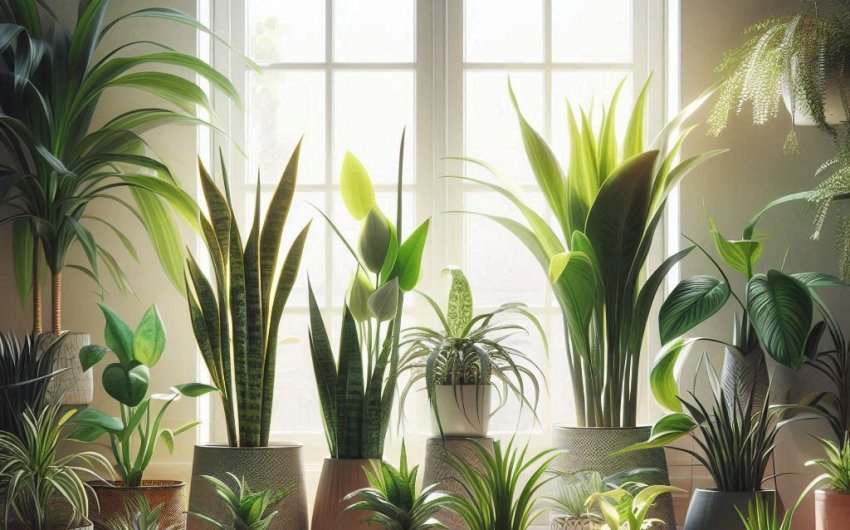
Creating a healthier indoor environment doesn't always require expensive air filters. The natural beauty of houseplants can also play a significant role in improving air quality. If you're wondering what are the best indoor plants for air purification, you're tapping into decades of research, notably from NASA, that highlights certain species' remarkable ability to filter common airborne toxins. Incorporating these green allies into your home is a beautiful and effective way to breathe a little easier.
How Do Indoor Plants Purify the Air?
The concept of indoor plants for air purification gained significant attention thanks to a groundbreaking 1989 NASA study. This research explored how common houseplants could remove harmful volatile organic compounds (VOCs) from the air, a critical concern for sealed environments like space stations. Understanding this process helps us appreciate the green power within our homes.
What is the Science Behind Plant Air Purification?
Plants purify the air through a fascinating combination of their natural physiological processes. It's not just the leaves at work; the entire plant system, including the soil and its microbes, contributes to air cleansing.
- Photosynthesis: While primarily known for converting carbon dioxide into oxygen, the process of photosynthesis also involves the uptake of gases. Plants draw in not only CO₂ but also other airborne molecules through their stomata (tiny pores on leaves).
- Absorption by Leaves: Plant leaves act as natural filters. Their large surface area allows them to trap particulate matter and absorb gaseous toxins directly from the air through their stomata. These harmful compounds are then either stored in the plant's tissues or metabolized into less harmful substances.
- Root-Microbe Synergism: This is a crucial, often overlooked, aspect. The plant's roots and the microorganisms living in the soil (fungi and bacteria) play a significant role. When VOCs are absorbed by the leaves, some are transported down to the roots. Here, the soil microbes break down these complex chemical compounds into their basic elements, essentially detoxifying them. This symbiotic relationship makes the pot-plant-soil system a powerful air purifier.
- Transpiration: As plants release water vapor into the air (transpiration), they create a slight air movement around their leaves, pulling in more air and its contaminants. This process can also slightly increase indoor humidity, which can be beneficial in dry environments and help alleviate certain respiratory irritations.
What Harmful VOCs Can Indoor Plants Remove?
The NASA Clean Air Study identified several common volatile organic compounds (VOCs) found in household products and building materials that indoor plants are particularly effective at removing. These chemicals can off-gas into the air and contribute to indoor air pollution, sometimes leading to "sick building syndrome" symptoms like headaches, dizziness, and respiratory irritation.
- Formaldehyde:
- Source: Found in plywood, particleboard, glues, permanent press fabrics, paper products, paints, and some insulation.
- Symptoms of Exposure: Eye, nose, and throat irritation; coughing; nausea; skin irritation.
- Benzene:
- Source: Common in plastics, synthetic fibers, dyes, detergents, rubber, and often found in cigarette smoke, vehicle exhaust, and glues.
- Symptoms of Exposure: Drowsiness, dizziness, headaches, confusion, tremors. Long-term exposure linked to more serious health issues.
- Trichloroethylene (TCE):
- Source: Used in printing inks, paints, lacquers, varnishes, adhesives, and dry cleaning solutions.
- Symptoms of Exposure: Dizziness, headache, nausea, can depress the central nervous system.
- Xylene:
- Source: Present in painting and printing industries, rubber, leather, and tobacco smoke.
- Symptoms of Exposure: Irritation to eyes, nose, and throat; headaches, dizziness, kidney and liver damage with prolonged exposure.
- Ammonia:
- Source: Found in cleaning products, floor waxes, and some fertilizers.
- Symptoms of Exposure: Irritation to eyes, nose, and throat; coughing, chest pain.
While plants are excellent at filtering these compounds, it's important to note that for a significant effect, you would need a substantial number of plants in a given space. Nevertheless, even a few well-placed plants contribute to a healthier environment and offer aesthetic and psychological benefits.
What Are the Best Indoor Plants for Air Purification?
Based on NASA's findings and subsequent research, several indoor plants consistently rank high for their air-purifying capabilities. These plants are not only effective but also relatively easy to care for, making them ideal choices for any home.
1. Snake Plant (Sansevieria trifasciata)
The Snake Plant, also known as Mother-in-Law's Tongue, is renowned for its hardiness and striking, upright leaves. It's a superstar among indoor plants for air purification.
- Key Purification Qualities: Exceptional at filtering formaldehyde, benzene, trichloroethylene, xylene, and nitrogen oxides. Unique among common houseplants, it performs photosynthesis at night (Crassulacean Acid Metabolism - CAM), releasing oxygen and absorbing CO₂ when most other plants do not. This makes it ideal for bedrooms.
- Care Level: Very Easy. One of the toughest and most forgiving plants.
- Light Needs: Very low to bright indirect light. Tolerates neglect.
- Watering: Allow soil to dry out completely between waterings. Very susceptible to root rot if overwatered.
- Why it's Great: Hard to kill, adaptable to various light conditions, and works overtime by purifying air at night. A perfect Snake Plant for beginners.
- Toxicity: Mildly toxic to pets if ingested.
2. Peace Lily (Spathiphyllum)
The Peace Lily is a beautiful plant known for its elegant white "flowers" (which are actually modified leaves called spathes) and dark green foliage. It's highly effective at removing multiple toxins.
- Key Purification Qualities: Excellent at removing ammonia, benzene, formaldehyde, and trichloroethylene. It also helps to humidify indoor air.
- Care Level: Easy to Moderate. Prefers consistent moisture but dislikes soggy soil.
- Light Needs: Low to medium indirect light. Too much direct sun can scorch its leaves.
- Watering: Water when the top inch of soil feels dry. It will often "tell you" it needs water by slightly drooping its leaves.
- Why it's Great: Beautiful, elegant, and one of the most comprehensive air purifiers.
- Toxicity: Mildly toxic to pets and humans if ingested due to calcium oxalate crystals, causing irritation.
3. Spider Plant (Chlorophytum comosum)
The Spider Plant is a classic houseplant, famous for its arching leaves and the "spiderettes" (baby plants) it produces. It's very easy to grow and highly effective.
- Key Purification Qualities: Very good at removing formaldehyde and xylene. It's also known to reduce carbon monoxide.
- Care Level: Very Easy. Adaptable and resilient.
- Light Needs: Bright to medium indirect light. Tolerates some low light, but thrives and produces more spiderettes in brighter conditions.
- Watering: Water when the top 1-2 inches of soil feel dry. They prefer to dry out a bit between waterings.
- Why it's Great: Easy to care for, propagates easily, and safe for pets. A great starter plant. You can buy a hanging spider plant for visual appeal.
- Toxicity: Non-toxic to pets and humans.
4. Golden Pothos (Epipremnum aureum)
Golden Pothos, also known as Devil's Ivy, is a popular vining plant with heart-shaped leaves that can be solid green or variegated with yellow or white. It's incredibly forgiving and a strong air purifier.
- Key Purification Qualities: Excellent for removing formaldehyde, benzene, carbon monoxide, and xylene. Its long vines allow for a large surface area for absorption.
- Care Level: Very Easy. Tolerates neglect and a wide range of conditions.
- Light Needs: Low to bright indirect light. Variegation may fade in very low light.
- Watering: Allow soil to dry out completely between waterings. Can tolerate some drought.
- Why it's Great: Extremely adaptable, perfect for hanging baskets or shelves, and provides great visual interest.
- Toxicity: Mildly toxic to pets and humans if ingested, causing oral irritation.
5. Boston Fern (Nephrolepis exaltata 'Bostoniensis')
The Boston Fern is a lush, vibrant plant with long, arching fronds. While it requires a bit more humidity, it's a top performer in air purification.
- Key Purification Qualities: Highly effective at removing formaldehyde and also helps increase indoor humidity, which can alleviate dry air symptoms.
- Care Level: Moderate. Needs consistent moisture and high humidity to thrive.
- Light Needs: Bright, indirect light. Avoid direct sun.
- Watering: Keep soil consistently moist but not soggy. It will quickly tell you it's thirsty by drooping. Needs regular misting or placement near a humidifier. A room humidifier can help keep it happy.
- Why it's Great: Adds a beautiful, feathery texture to your space and is a strong humidifier.
- Toxicity: Non-toxic to pets and humans.
6. Kimberly Queen Fern (Nephrolepis obliterata)
The Kimberly Queen Fern is another robust fern variety, similar to the Boston Fern but often considered hardier and less prone to shedding.
- Key Purification Qualities: Similar to the Boston Fern, it's very effective at removing formaldehyde and adds significant humidity to the air.
- Care Level: Moderate. A bit more tolerant of drier conditions than Boston Fern, but still appreciates humidity.
- Light Needs: Bright, indirect light.
- Watering: Keep soil consistently moist.
- Why it's Great: Lush, upright fronds, and a strong air humidifier and purifier.
- Toxicity: Non-toxic to pets and humans.
7. Chinese Evergreen (Aglaonema)
Chinese Evergreens are beautiful foliage plants known for their diverse leaf patterns and colors. They are very forgiving and excellent at purification.
- Key Purification Qualities: Effective at removing benzene and formaldehyde, and also helps to filter other common indoor toxins.
- Care Level: Easy. Tolerates neglect and a variety of indoor conditions.
- Light Needs: Low to medium indirect light. Varieties with more color/variegation prefer brighter light.
- Watering: Allow the top 1-2 inches of soil to dry out between waterings. Avoid overwatering.
- Why it's Great: Wide variety of attractive cultivars, very tolerant of low light conditions, making them ideal for offices or dimly lit rooms.
- Toxicity: Mildly toxic to pets and humans if ingested, causing oral irritation.
8. Areca Palm (Dypsis lutescens)
The Areca Palm, or Butterfly Palm, is a popular indoor palm known for its graceful, feathery fronds. It's not only a beautiful decorative plant but also a powerful air purifier and natural humidifier.
- Key Purification Qualities: Highly effective at removing formaldehyde, xylene, and toluene. It's also one of the best plants for adding significant moisture to dry indoor air.
- Care Level: Moderate. Needs consistent watering and good drainage. Appreciates humidity.
- Light Needs: Bright, indirect light. Can tolerate some lower light but will grow slower.
- Watering: Keep soil consistently moist, but avoid soggy conditions. Allow the top inch or two to dry before rewatering.
- Why it's Great: Adds a tropical feel, naturally humidifies, and a strong air cleanser. A mature Areca Palm can make a statement.
- Toxicity: Non-toxic to pets and humans.
9. Dracaena (various species, e.g., Dracaena fragrans 'Massangeana' - Corn Plant)
Dracaena varieties are diverse, ranging from tall, tree-like plants to bushier forms, all with striking foliage. Many are excellent air purifiers.
- Key Purification Qualities: Different Dracaena species are effective against different VOCs. Many excel at removing benzene, formaldehyde, trichloroethylene, and xylene.
- Care Level: Easy to Moderate. Generally forgiving but sensitive to fluoride in water.
- Light Needs: Medium to bright indirect light. Avoid direct sun.
- Watering: Allow the top 1-2 inches of soil to dry out between waterings.
- Why it's Great: Adds height and architectural interest, wide variety of leaf shapes and colors.
- Toxicity: Mildly toxic to pets, causing vomiting, depression, loss of appetite, and drooling. Less toxic to humans.
10. Weeping Fig (Ficus benjamina)
The Weeping Fig is a popular indoor tree with dense, glossy green leaves on gracefully arching branches. While it can be a bit finicky about being moved, it's a good air purifier once established.
- Key Purification Qualities: Effective at removing formaldehyde, benzene, and trichloroethylene.
- Care Level: Moderate. Sensitive to changes in environment (light, temperature, relocation), which can cause leaf drop.
- Light Needs: Bright, indirect light.
- Watering: Allow the top 1-2 inches of soil to dry out before watering.
- Why it's Great: Can grow into a substantial indoor tree, providing significant foliage mass for purification.
- Toxicity: Mildly toxic to pets and humans, causing oral and gastrointestinal irritation.
11. English Ivy (Hedera helix)
English Ivy is a classic vining plant, often used in hanging baskets or trailing from shelves. It's a powerhouse for specific air pollutants.
- Key Purification Qualities: Particularly effective at removing benzene, formaldehyde, trichloroethylene, and xylene. Also shown to reduce airborne fecal matter particles and mold spores.
- Care Level: Moderate. Needs consistent moisture but good drainage. Prone to spider mites if humidity is low.
- Light Needs: Bright, indirect light is best. Tolerates some lower light but may become leggy.
- Watering: Keep soil consistently moist, but not soggy.
- Why it's Great: Versatile for decorating, excellent for specific VOCs, and helps with mold spores.
- Toxicity: Mildly toxic to pets and humans if ingested.
12. Aloe Vera (Aloe barbadensis miller)
Known primarily for its medicinal properties, Aloe Vera also contributes to indoor air quality, making it a functional and beautiful addition.
- Key Purification Qualities: Primarily effective at removing formaldehyde and benzene. It's often found in homes due to its skin-soothing gel.
- Care Level: Easy. Drought-tolerant succulent.
- Light Needs: Bright, direct to indirect light.
- Watering: Water deeply but infrequently, allowing the soil to dry out completely between waterings. Very susceptible to rot if overwatered.
- Why it's Great: Medicinal benefits, low maintenance, and air purifying. A practical Aloe Vera plant for your home.
- Toxicity: Mildly toxic to pets if ingested. The outer leaf (latex) can be irritating to humans if consumed in large quantities, but the inner gel is safe.
This comprehensive list offers a range of options, from very easy to moderate care levels, ensuring there's a perfect indoor plant for air purification for every home and every gardener.
How Can I Maximize My Plants' Air-Purifying Power?
While simply having indoor plants for air purification is beneficial, there are several strategies you can employ to enhance their air-cleansing capabilities and ensure they remain healthy and effective.
How Many Plants Do I Need for Effective Air Purification?
The original NASA study suggested roughly one plant per 100 square feet (10 square meters) for significant air purification. However, this was in a sealed chamber, far different from a typical home with air exchange.
- Real-World Application: For practical purposes, aim for a density that feels comfortable and visually pleasing in your space.
- Small Room (e.g., Bedroom, Home Office): 2-3 medium-sized plants (6-8 inch pots) could make a noticeable difference.
- Larger Living Spaces: A higher density, perhaps 5-8 plants of various sizes, would be more impactful.
- Focus on Diversity: Instead of many of the same plant, choose a variety of the best indoor plants for air purification to target a wider range of VOCs.
- Size Matters: Larger plants with more leaf surface area will generally purify more air. A mature Areca Palm will filter more than a small Pothos.
- Think in Zones: Place plants strategically where air quality might be lower (e.g., near new furniture, freshly painted walls, or in areas with high foot traffic).
What Other Factors Influence a Plant's Air-Purifying Ability?
Beyond just the plant species, several environmental and care factors influence how well your indoor plants can purify the air.
- Light: Plants perform photosynthesis more efficiently in bright, indirect light. Better photosynthesis means more active gas exchange and better air filtration. Even "low light" tolerant plants will purify more effectively in optimal light. A plant grow light can supplement natural light.
- Air Circulation: Good air movement around the plant allows it to access more airborne toxins. Avoid placing plants in stagnant corners.
- Humidity: Higher humidity (especially for tropical plants) keeps stomata open longer, allowing for more continuous gas exchange and absorption. This also benefits the plant's overall health.
- Soil Health and Microbes: The soil microbiome is crucial. Healthy, well-draining soil supports a thriving population of microbes that actively break down VOCs.
- Use good quality potting mix: A well-draining potting mix is essential.
- Don't overwater: Saturated soil kills beneficial microbes.
- Consider Worm Castings: Adding worm castings can boost microbial activity and provide slow-release nutrients.
- Dusting Leaves: Dust can accumulate on leaves, clogging stomata and reducing the plant's ability to absorb gases. Regularly wipe down leaves with a damp cloth or gently rinse them.
- Active Growth: Plants that are actively growing (producing new leaves) are generally more efficient purifiers than those that are dormant or stressed. Provide appropriate water and fertilizer during the growing season.
How Can I Support My Plants for Optimal Air Purification?
- Proper Watering: Follow specific watering needs for each plant. Consistent, correct watering is foundational to plant health.
- Appropriate Fertilization: Fertilize during the growing season (spring and summer) with a balanced liquid fertilizer to support healthy growth. Avoid over-fertilizing.
- Good Drainage: Always use pots with drainage holes and a well-draining potting mix to prevent root rot, which will quickly kill your plant and its purifying abilities.
- Repot When Necessary: As plants grow, they may become root-bound. Repotting into a slightly larger pot with fresh soil gives roots room to grow and refreshes the soil microbiome.
- Pest Control: Keep an eye out for pests. Healthy, pest-free plants are much better at purifying air. Treat pest infestations promptly with appropriate, often organic, methods.
By understanding how indoor plants for air purification work and by providing optimal care and strategic placement, you can harness their natural abilities to significantly enhance the air quality within your home, leading to a healthier and more serene living environment.