
What is the Best Irrigation Method for Raised Beds?
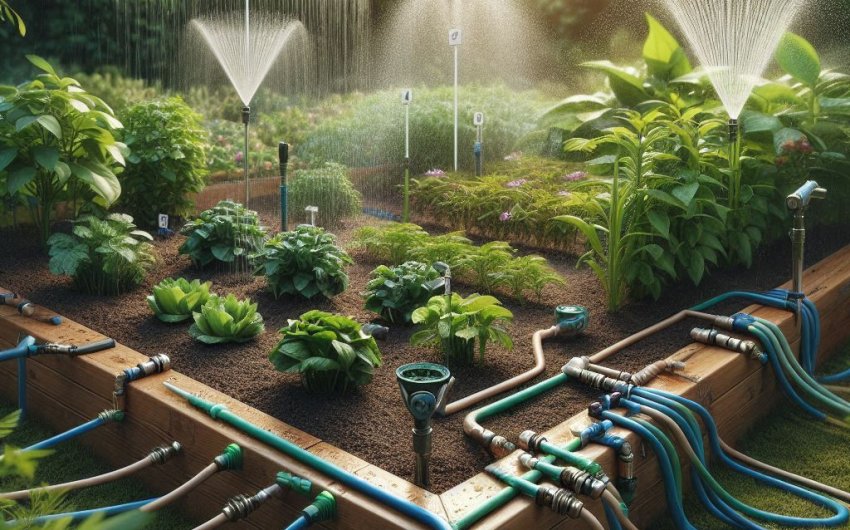
For gardeners embracing the benefits of elevated growing spaces, understanding what is the best irrigation method for raised beds is a critical consideration. Raised beds offer superior drainage and soil control, but their unique characteristics also mean they can dry out faster than in-ground gardens. Choosing the right watering technique ensures your plants receive consistent moisture, promoting robust growth and bountiful harvests while conserving water.
Why Do Raised Beds Need Specific Irrigation Considerations?
Raised beds offer numerous advantages over traditional in-ground gardens, but these benefits come with unique irrigation challenges. Understanding these distinctions is key to determining what is the best irrigation method for raised beds.
Faster Drainage and Drying:
- Reason: Raised beds are, by definition, elevated above the surrounding grade. This elevation, combined with the typically loose, well-amended soil mix used to fill them, allows water to drain much more quickly. Gravity pulls water downwards more efficiently.
- Impact: While excellent drainage prevents soggy roots and root rot, it also means the soil in a raised bed can dry out significantly faster, especially during hot, sunny, or windy weather. This can lead to frequent watering needs, often more than an in-ground garden.
Increased Air Exposure:
- Reason: The sides of a raised bed are exposed to the elements (sun, wind), unlike in-ground beds where the surrounding soil acts as insulation.
- Impact: This increased exposure leads to greater moisture evaporation from the sides of the bed, contributing to faster drying of the soil within the bed.
Limited Soil Volume (Compared to In-Ground):
- Reason: Although a raised bed can be deep, its lateral dimensions are contained by the frame. This means the total volume of soil available to roots is finite, unlike in-ground gardens where roots can spread widely and deeply into the native soil.
- Impact: Smaller soil volume means less capacity to hold onto moisture. When the available water is used up by plants or evaporates, there's a more immediate need for replenishment.
Optimized Soil Mixes:
Advertisement- Reason: Gardeners often fill raised beds with a custom, high-quality soil mix that is light, fluffy, and rich in organic matter. While ideal for plant growth, these mixes inherently have excellent drainage.
- Impact: This desirable trait for plant roots means the soil doesn't compact easily and drains very efficiently, contributing to the faster drying rate.
Targeted Growing Environment:
- Reason: Raised beds are often used for specific, intensive planting strategies (like square foot gardening) where plants are packed more densely.
- Impact: Densely planted beds mean more plants are competing for the available moisture in a concentrated area, increasing overall water demand.
Given these unique characteristics, the irrigation method for a raised bed must be able to deliver water efficiently, consistently, and directly to the plant roots to counteract the rapid drying and limited soil volume. This makes highly targeted and water-wise methods often the best irrigation method for raised beds.
What are the Main Irrigation Methods for Raised Beds?
When considering what is the best irrigation method for raised beds, you have several popular options, each with its own advantages and disadvantages. Let's explore the most common techniques.
Hand Watering (Manual Watering with a Hose or Watering Can):
- Description: The simplest and most direct method. You use a hose with a gentle spray nozzle or a watering can to apply water directly to the base of each plant.
- Pros:
- Low Initial Cost: Requires minimal investment (just a hose or watering can). A garden hose with spray nozzle is all you need.
- Precision: Allows you to water exactly where needed, avoiding wasting water on pathways.
- Direct Observation: You can visually inspect plants for signs of stress and soil moisture as you water.
- No Setup: Just grab and go.
- Cons:
- Time-Consuming: Can be very time-consuming for multiple or large raised beds.
- Inconsistent: Relies on human consistency, making it easy to under- or overwater if you're not diligent.
- Inefficient: A lot of water can be lost to evaporation if done during hot parts of the day, or to runoff if applied too quickly.
- Foliar Diseases: Wetting plant foliage, especially in the evening, can encourage fungal diseases.
- Best For: Very small raised beds, occasional spot watering, or for gardeners who enjoy the daily interaction with their plants.
Drip Irrigation Systems:
- Description: Uses a network of main lines, smaller drip lines (often called "emitter tubing"), and individual emitters or drippers that deliver water slowly and directly to the root zone of plants. It can be manual or automated with a timer.
- Pros:
- Highly Efficient: Minimizes water waste by delivering water precisely where needed, reducing evaporation and runoff.
- Prevents Foliar Disease: Keeps foliage dry, which helps prevent many fungal diseases.
- Consistent Moisture: Delivers water slowly, allowing deep penetration and consistent soil moisture levels.
- Automation: Easily connectable to a hose timer for hands-free watering.
- Nutrient Delivery: Can be used to deliver liquid fertilizers directly to roots (fertigation).
- Cons:
- Higher Initial Cost: Requires more components and setup than hand watering. A drip irrigation kit for raised beds can simplify this.
- Setup Time: Takes time to design and install the system.
- Clogging: Emitters can sometimes clog, requiring occasional maintenance.
- Visual Intrusion: Can be visible on the soil surface, though often covered by mulch.
- Best For: Medium to large raised beds, busy gardeners, water-wise gardening, and consistent moisture for vegetables.
Soaker Hoses:
- Description: Porous hoses that "weep" water along their entire length, delivering it slowly and directly to the soil. They are laid directly on the soil surface.
- Pros:
- Relatively Inexpensive: More affordable than full drip systems.
- Easy to Install: Simply lay the hose in rows between plants.
- Water Efficient: Delivers water directly to the root zone, reducing evaporation and wetting foliage.
- Automation: Can be connected to a hose timer. A soaker hose for garden beds is a quick solution.
- Cons:
- Less Precise than Drip: Doesn't offer individual plant watering control.
- Uneven Water Distribution: Can sometimes water unevenly over long lengths or if water pressure is inconsistent.
- Durability: Can be punctured by gardening tools or gnawed by rodents.
- Visible: Like drip lines, they are visible unless mulched over.
- Best For: Rows of plants in raised beds, gardeners looking for an efficient but simple automated option.
Self-Watering Raised Beds (Wicking Beds):
- Description: A specialized raised bed design that incorporates a reservoir of water at the bottom, from which water is drawn up into the soil by capillary action (wicking).
- Pros:
- Exceptional Water Efficiency: Minimal evaporation loss, as water is supplied from below.
- Consistent Moisture: Provides a constant, ideal moisture level for roots, promoting strong growth.
- Reduced Watering Frequency: Can go much longer between refills (days to weeks, depending on bed size and plants).
- Nutrient Retention: Nutrients are less likely to leach away.
- Cons:
- High Initial Cost/Complexity: Requires specific construction materials and techniques. Can be a DIY project or purchased as a kit. A self-watering raised garden bed kit is an example.
- Not Suitable for All Plants: Some plants (like carrots that need to grow deep into a dry layer) might not thrive.
- Can Be Prone to Overwatering at the Surface: Need to be careful not to top-water too much once the reservoir is established.
- Best For: Serious gardeners wanting ultimate water efficiency and hands-off watering, especially for thirsty vegetables.
Each method has its place, and the "best" depends on your specific needs, budget, and time commitment when asking what is the best irrigation method for raised beds.
Which Irrigation Method is "Best" for Raised Beds?
When we ask what is the best irrigation method for raised beds, the answer isn't a single definitive choice, but rather depends on a gardener's specific needs, budget, and the characteristics of their garden. However, based on efficiency, plant health, and convenience, drip irrigation often emerges as the leading contender for most raised bed situations.
Why Drip Irrigation is Often Considered the Best All-Around:
- Targeted Delivery: Drip systems deliver water precisely to the plant's root zone. This means almost no water is wasted on pathways or by evaporation from foliage, leading to highly efficient water use.
- Prevents Disease: By keeping plant foliage dry, drip irrigation significantly reduces the risk of common fungal diseases (like powdery mildew, blight) that thrive on wet leaves.
- Consistent Moisture: The slow, steady drip allows water to deeply penetrate the soil without runoff, maintaining a more consistent and ideal moisture level for healthy root development. This is especially beneficial for moisture-loving vegetables.
- Automation Capability: Drip systems are easily connected to a hose timer, making watering completely automated. This frees up your time and ensures consistent watering even when you're away.
- Fertigation: Many drip systems allow for the easy injection of liquid fertilizers directly into the water stream, delivering nutrients precisely to the roots (fertigation).
- Reduced Weeds: Since water is only delivered to the plants, weed seeds on the surface are less likely to germinate, reducing weeding time.
When Drip Irrigation Might Not Be the Absolute "Best":
- Initial Cost and Setup: It requires a higher initial investment and some time to design and install compared to hand watering or soaker hoses.
- Clogging: Emitters can sometimes clog, requiring occasional cleaning or replacement.
- Less Direct Observation (if automated): If fully automated, you might spend less time directly observing your plants for subtle signs of stress.
Comparing Drip to Other Methods:
Method Pros Cons Best For Hand Watering Lowest cost, high precision, direct observation Time-consuming, inconsistent, inefficient, can cause disease Very small beds, hands-on gardeners Soaker Hoses Inexpensive, easy to install, water efficient Less precise than drip, can be uneven, prone to damage Rows of plants, simple automation Drip Irrigation Highly efficient, consistent, prevents disease, automatable Higher initial cost/setup, potential for clogging Most raised beds, intensive gardening, water-wise Self-Watering Beds Exceptional efficiency, very low maintenance High initial cost/complexity, not for all plants, requires specific design Very low-maintenance, water-efficient, specific setups Factors to Consider for Your "Best" Choice:
- Number and Size of Beds: A single small bed might be fine with hand watering. Multiple large beds practically demand drip or self-watering.
- Budget: Drip systems have an upfront cost, but save water and time.
- Time Commitment: How much time do you want to spend watering?
- Plant Types: Some plants (e.g., carrots) prefer drier surface soil; others (e.g., tomatoes, squash) love consistent moisture.
- Climate: In hot, dry climates, water efficiency is paramount.
- Water Source: Pressure from your hose bib will impact drip system performance.
For the majority of gardeners with raised beds seeking an efficient, healthy, and convenient watering solution, drip irrigation stands out as the best irrigation method for raised beds. Its ability to deliver precise, consistent moisture directly to the roots, while minimizing waste and disease, makes it an unparalleled choice.
How Do You Set Up a Drip Irrigation System for Raised Beds?
If drip irrigation is the best irrigation method for raised beds for your needs, setting it up might seem daunting, but it's a manageable DIY project. Here's a step-by-step guide to get your system up and running efficiently.
Plan Your Layout:
- Measure: Measure the length and width of each raised bed you want to irrigate.
- Sketch: Draw a simple sketch of your raised beds and where you plan to plant. This helps you visualize where your main lines and emitter lines will go.
- Plant Needs: Note the water needs and spacing of your plants. This will determine the type and spacing of your emitters. Thirsty plants or those spaced far apart may need individual emitters. Closely spaced plants in rows may benefit from soaker line (drip tubing with built-in emitters).
Gather Your Components:
- Water Source Connection:
- Backflow Preventer: Essential to prevent garden water from flowing back into your drinking water supply. This is usually the first piece connected to the spigot.
- Pressure Regulator: Reduces incoming water pressure (usually too high for drip systems) to a safe operating range (e.g., 25 PSI).
- Filter: Removes sediment that can clog emitters.
- Hose End Timer (Optional but Recommended): Automates your watering schedule.
- Look for an irrigation starter kit with timer that often includes these.
- Main Line Tubing: Larger diameter poly tubing (e.g., 1/2 or 3/4 inch) that carries water from the source to the beds.
- Emitter Tubing (Drip Line): Smaller diameter tubing (e.g., 1/4 inch) with built-in emitters, or plain 1/4 inch tubing to which you add individual emitters.
- Emitters/Drippers: Devices that deliver water at a specific flow rate (e.g., 0.5 GPH, 1 GPH). Choose based on plant needs.
- Fittings: Connectors like tees, elbows, couplings, end caps to assemble the system.
- Stakes/Staples: To secure tubing to the soil.
- Hole Punch Tool: For making holes in the main line to connect emitter tubing or individual drippers. A drip irrigation hole punch is specialized for this.
- Water Source Connection:
Connect to Water Source and Run Main Line:
- Assemble Head Unit: Connect the backflow preventer, pressure regulator, filter, and timer (if using) in sequence to your outdoor spigot.
- Run Main Line: Lay out the larger main line tubing from your water source to the perimeter of your raised beds. Use straight runs as much as possible. Cut and connect with fittings as needed.
Install Emitter Lines/Drippers within Raised Beds:
- For Rows of Plants: Lay runs of emitter tubing (with built-in emitters) in rows, parallel to your planting rows. Connect them to the main line using appropriate fittings (e.g., small barbed fittings into punched holes).
- For Individual Plants: For larger or irregularly spaced plants, use plain 1/4 inch tubing and connect individual drippers at each plant's base. You'll punch a hole in the main line, insert a small barbed connector, and run the 1/4 inch line to the plant, attaching the dripper at the end.
- Secure Tubing: Use drip irrigation stakes to hold the tubing in place on the soil surface.
Cap the Ends and Test:
- End Caps: Use end caps on the very end of each main line and emitter line to create a closed system and maintain pressure.
- Flush System: Before attaching all emitters, briefly run water through the system to flush out any debris that could clog emitters.
- Test for Leaks: Turn on the water slowly and check for any leaks. Tighten connections as needed.
- Observe Emitter Flow: Watch to ensure water is dripping evenly from all emitters.
Program Your Timer (If Using):
- Start with Short Cycles: Begin with short watering durations (e.g., 15-30 minutes) and test the soil moisture daily.
- Adjust as Needed: Adjust the duration and frequency based on your plants' needs, soil type, and weather conditions. Remember raised beds dry out faster. Aim for deep, consistent watering.
- Soil Moisture Check: The ultimate test is still how the soil feels 4-6 inches deep – moist, not soggy or dry.
By following these steps, you can confidently install a drip irrigation system, ensuring your elevated garden thrives and reinforcing why it's considered the best irrigation method for raised beds.
How Do You Maintain and Troubleshoot Drip Irrigation?
Even the best irrigation method for raised beds requires some ongoing care to ensure its long-term efficiency. Regular maintenance and knowing how to troubleshoot common issues will keep your drip system running smoothly.
Regular System Checks (Weekly/Bi-Weekly):
- Visual Inspection: Walk around your raised beds and visually inspect all lines and emitters.
- Check for Leaks: Look for puddles, wet spots, or sprays from fittings. Tighten connections or replace damaged fittings.
- Check for Clogs: Ensure all emitters are actively dripping. If an emitter isn't dripping, it's likely clogged.
- Check for Damage: Look for kinks, punctures (from gardening tools or animals), or deterioration of tubing.
- Confirm Water Penetration: Occasionally, dig down a few inches near an emitter to ensure water is penetrating deeply into the root zone, not just sitting on the surface.
- Visual Inspection: Walk around your raised beds and visually inspect all lines and emitters.
Addressing Clogged Emitters:
- Cause: The most common issue. Clogging can be caused by sediment in the water, mineral buildup (limescale) from hard water, or biological growth (algae).
- Solutions:
- Flush the System: Periodically remove the end caps from your main and emitter lines and flush the system with full water pressure to dislodge sediment. Do this after any major work or if you notice reduced flow.
- Clean/Replace Emitters: For individual clogged emitters, try to gently clean them with a soft brush or a small wire. If heavily clogged, it's often easier to simply replace them.
- Filter Maintenance: Regularly clean the filter that's installed at the head of your system (near the spigot). This is your primary defense against sediment.
Adjusting for Plant Growth and Seasonal Changes:
- Plant Growth: As plants grow, their water needs increase. You may need to increase the duration or frequency of watering. Also, ensure emitters are still positioned correctly at the base of the plant.
- Seasonal Changes:
- Hot/Dry Weather: Increase watering duration/frequency.
- Cool/Wet Weather: Decrease watering duration/frequency to avoid overwatering.
- Rainfall: If you have an automated timer, you might need to manually pause or adjust it after significant rainfall. Some advanced smart hose timers can even connect to weather forecasts or rain sensors.
Weed Management Around Drip Lines:
- Mulch: A 2-4 inch layer of organic mulch (straw, shredded leaves, bark chips) over your drip lines is highly recommended. It suppresses weeds, conserves moisture, and protects the tubing from UV degradation.
- Careful Weeding: Be careful when weeding around drip lines to avoid accidentally cutting or puncturing them.
Winterization (for colder climates):
- Disconnect and Drain: Before the first hard freeze, disconnect all components (timer, backflow preventer, pressure regulator, filter) from the spigot.
- Drain All Lines: Remove end caps from all main lines and emitter lines and ensure all water drains out to prevent freezing and cracking. Store removed components indoors.
- Store or Leave in Place: Some heavy-duty poly tubing can be left in place, but lighter 1/4 inch lines are best coiled and stored indoors.
By consistently performing these maintenance and troubleshooting steps, you'll ensure your drip irrigation system remains efficient and effective, continuously providing your raised beds with the precise moisture they need for thriving plants, reinforcing why it's often recognized as the best irrigation method for raised beds.