
How to Prevent Pests in a Raised Bed Garden?
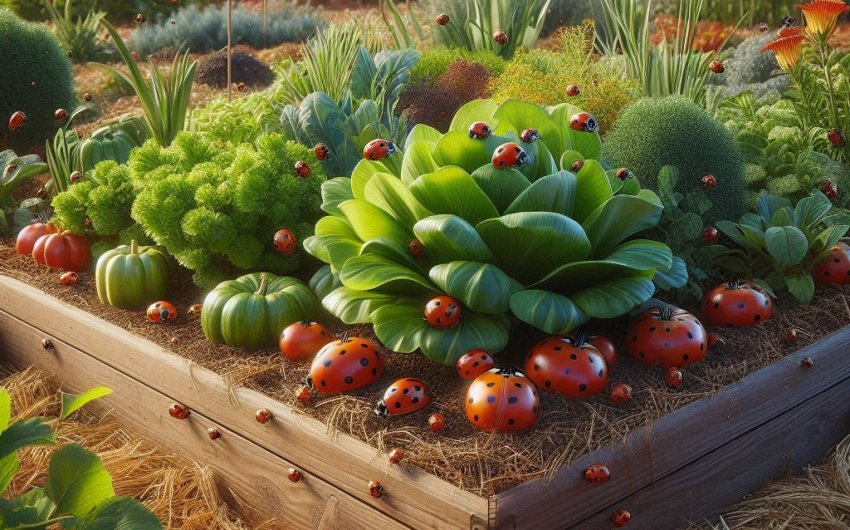
Growing vegetables, herbs, and flowers in a raised bed garden offers numerous advantages, from better drainage and warmer soil to easier access and control over soil quality. However, even these elevated havens aren't immune to unwanted visitors. Learning how to prevent pests in a raised bed garden is crucial for ensuring healthy, abundant harvests without resorting to harsh chemicals. By implementing smart strategies from the very beginning, you can create a thriving ecosystem that deters common garden invaders.
What Are the Advantages of Raised Beds for Pest Prevention?
Raised bed gardens inherently offer some benefits when it comes to pest prevention compared to in-ground gardens. These advantages can give you a head start in protecting your plants.
- Physical Barrier: The raised walls of the bed create a physical barrier against some crawling pests, such as slugs, snails, and certain types of beetles. It makes it harder for them to access your plants directly from the surrounding ground.
- Better Soil Control: You get to choose and create the perfect soil mix for your raised beds. Healthy, well-draining soil leads to stronger, healthier plants, which are naturally more resistant to pest attacks.
- Reduced Soil-Borne Pests and Diseases: By filling your raised bed with fresh, sterilized potting mix or a custom soil blend, you reduce the risk of introducing soil-borne pests (like nematodes or wireworms) and diseases that might be present in native garden soil.
- Improved Air Circulation: Plants in raised beds often benefit from better air circulation around their leaves due to their elevation. This can help prevent fungal diseases that often weaken plants and make them more susceptible to pest damage.
- Easier Access for Inspection and Treatment: The elevated nature of raised beds means you don't have to bend down as much, making it easier to closely inspect your plants for early signs of pests and to apply targeted, organic treatments if necessary.
How Can Site Selection and Bed Preparation Help Prevent Pests?
The choices you make before even planting a single seed can significantly impact how to prevent pests in a raised bed garden. Smart site selection and careful bed preparation lay a strong foundation for a pest-resistant garden.
Optimal Location
- Sunlight: Most vegetables need at least 6-8 hours of direct sunlight per day. Plants that receive adequate sunlight are healthier and more vigorous, making them naturally more resilient to pest attacks. Weak, stressed plants are often the first targets.
- Air Circulation: Choose a spot that allows for good air movement around your raised beds. Avoid placing beds too close to solid fences, walls, or dense shrubbery, which can create stagnant air pockets. Good air circulation helps dry out leaves quickly after rain or watering, reducing the likelihood of fungal diseases that often precede pest issues.
Bed Lining and Barriers
Lining the bottom of your raised bed can act as a crucial barrier against digging pests.
- Hardware Cloth (Mesh Wire): For serious underground pest issues (like gophers, voles, moles, or even groundhogs), line the entire bottom of your raised bed with 1/4-inch hardware cloth before adding soil. This creates an impenetrable barrier. Ensure the mesh extends up the sides a few inches to prevent burrowing. This is a very effective strategy for how to prevent pests in a raised bed garden from below. You can find rolls of Galvanized Hardware Cloth at most hardware stores.
- Cardboard: A layer of cardboard at the bottom can help suppress weeds and deter some crawling pests temporarily, but it will eventually decompose. It's not a permanent barrier like hardware cloth.
- No Plastic Sheeting: Avoid lining the bottom with solid plastic sheeting, as this will prevent drainage and lead to waterlogged soil, which can cause root rot and attract fungus gnats.
Soil Composition
The quality of your soil is paramount to plant health and pest resistance.
- Well-Draining Mix: Use a high-quality, well-draining soil mix designed for raised beds or containers. A common mix includes equal parts compost, topsoil, and a drainage amendment like perlite or vermiculite. Good drainage prevents root rot and discourages pests that thrive in wet conditions.
- Organic Matter: Incorporate plenty of compost into your soil. Compost enriches the soil with nutrients, improves soil structure, and introduces beneficial microorganisms that can suppress disease and support healthy plant growth.
- pH Balance: Most vegetables prefer a slightly acidic to neutral pH (6.0-7.0). Test your soil's pH using a simple soil pH test kit and amend if necessary. Healthy soil pH ensures plants can absorb nutrients efficiently, making them more resilient.
What Planting Strategies Deter Pests?
Clever planting choices and arrangements can create a natural defense system in your raised bed garden. These are passive yet highly effective methods for how to prevent pests in a raised bed garden.
Companion Planting
This is the practice of planting different species together for mutual benefit, often involving pest deterrence.
- Aromatic Herbs: Many herbs have strong scents that confuse or repel pests.
- Basil: Repels flies, mosquitoes, tomato hornworms. Plant near tomatoes.
- Mint: Repels aphids, flea beetles. Plant in pots within the raised bed to contain its spread, as it can be invasive.
- Rosemary: Deters carrot rust fly, slugs, snails, cabbage moths.
- Marigolds (Tagetes spp.): French marigolds (Tagetes patula) are particularly effective at repelling nematodes in the soil. All marigolds can deter many common garden pests above ground. Plant them liberally throughout your beds.
- Nasturtiums: Act as a trap crop for aphids. Aphids will often prefer nasturtiums over your vegetables, allowing you to easily remove them or sacrifice the nasturtiums.
- Garlic and Onions: Repel aphids, slugs, snails, carrot rust fly.
- Sacrifice or Trap Crops: Plant a less valuable crop that pests prefer more than your main crops. For example, plant a row of extra radish or lettuce to lure aphids away from your prized greens.
Crop Rotation
Even in raised beds, rotating your crops annually is a vital pest prevention strategy.
- Break Pest Cycles: Many pests and diseases are specific to certain plant families. If you plant the same crop in the same spot year after year, pests that feed on that crop will build up in the soil. Rotating crops (e.g., planting tomatoes where beans were last year, and corn where tomatoes were) breaks these cycles, "starving out" pests and pathogens specific to the previous crop.
- Nutrient Management: Crop rotation also helps maintain soil fertility as different plants use different nutrients.
Plant Diversity
Don't plant just one type of vegetable. A diverse garden is a resilient garden.
- Confuse Pests: A monoculture (single crop) garden is like an all-you-can-eat buffet for specialized pests. A mixed planting scheme can make it harder for pests to find their preferred food source.
- Attract Beneficial Insects: A wide variety of flowering plants attracts beneficial insects like ladybugs (aphid predators), lacewings, hoverflies, and parasitic wasps, which prey on common garden pests. Include plants like dill, fennel, cilantro (allow them to flower), cosmos, and zinnias. You can even purchase Live Ladybugs to release into your garden.
What Cultural Practices Prevent Pests in Raised Beds?
Consistent and mindful gardening practices are fundamental to how to prevent pests in a raised bed garden. Healthy plants are less susceptible to infestations.
Proper Watering
- Deep and Consistent: Water deeply and consistently. This encourages strong root development, making plants more drought-tolerant and less stressed. Stressed plants are magnets for pests.
- Avoid Overhead Watering: Water the base of the plants, directly at the soil level. Overhead watering can encourage fungal diseases, especially on leaves, which can then weaken the plant and make it vulnerable to pests. Consider a soaker hose system for efficient watering in raised beds.
- Morning Watering: Water in the morning so leaves have time to dry before nightfall.
Mulching
Applying a layer of mulch around your plants offers multiple benefits for pest control.
- Suppresses Weeds: Mulch smothers weeds, which compete with your plants for nutrients and can also harbor pests.
- Retains Moisture: Mulch helps the soil retain moisture, reducing the need for frequent watering and keeping plants hydrated during dry spells.
- Deters Slugs and Snails: Certain mulches, like crushed eggshells or diatomaceous earth (see below), can deter soft-bodied pests.
- Regulates Soil Temperature: Mulch helps keep soil temperatures more consistent, reducing plant stress.
- Types of Mulch: Use organic mulches like straw, shredded leaves, or wood chips. Avoid dyed mulches.
Proper Fertilization
- Balanced Nutrients: Fertilize appropriately based on your soil test results and plant needs. Over-fertilizing, especially with nitrogen, can promote lush, tender growth that is particularly attractive to sap-sucking pests like aphids.
- Organic Fertilizers: Opt for organic fertilizers like compost tea, worm castings, or slow-release granular organic fertilizers. These feed the soil microbes, promoting overall soil health and a balanced nutrient supply. Espoma Garden-tone Organic Plant Food is a popular choice for vegetables.
Weeding
- Regular Removal: Keep your raised beds free of weeds. Weeds compete with your desired plants for water, nutrients, and sunlight, stressing them out. They can also provide hiding places and alternative food sources for pests.
- Root Removal: Ensure you remove weeds by the root to prevent regrowth.
What Physical Barriers Can I Use to Keep Pests Out?
Sometimes, the simplest way to learn how to prevent pests in a raised bed garden is to create a physical obstacle they can't cross.
Row Covers
- Floating Row Covers: These lightweight, breathable fabrics allow sunlight and water to pass through but physically block flying insects (like cabbage moths, squash bugs, cucumber beetles, and flea beetles) from laying eggs on your plants.
- Application: Drape the fabric over your plants, allowing enough slack for growth, and secure the edges firmly to the raised bed or ground with stakes, bricks, or fabric staples.
- Ventilation: Ensure good air circulation underneath, especially on hot days. Some gardeners use hoops to create a tunnel for better airflow and space. Garden Fabric Insect Barrier is designed for this purpose.
- Inspect Before Covering: Always inspect plants for existing pests before covering them, or you'll just trap the pests inside!
Copper Tape
- Slug and Snail Deterrent: Copper tape creates a small electrical charge when it comes into contact with the slime of slugs and snails, deterring them.
- Application: Apply a band of copper tape around the perimeter of your raised bed or around individual plants. Ensure there are no gaps or bridges over the tape. Copper Barrier Tape is readily available.
Diatomaceous Earth (DE)
- Mechanism: This fine, white powder is made from the fossilized remains of diatoms. On a microscopic level, it's very sharp. When crawling insects (like slugs, snails, ants, earwigs, and some beetles) come into contact with it, the sharp edges cut their exoskeletons, causing them to dehydrate and die.
- Application: Sprinkle a light, even layer of food-grade diatomaceous earth around the base of your plants or along the perimeter of your raised bed. Reapply after rain, as it becomes ineffective when wet.
- Caution: Wear a mask when applying to avoid inhaling the fine dust. While food-grade DE is safe for humans and pets, it can also harm beneficial insects if applied directly to flowers. Use strategically.
What Are Natural and Organic Pest Control Methods for Raised Beds?
When prevention isn't quite enough, gentle, organic solutions are your next line of defense in how to prevent pests in a raised bed garden without resorting to harsh chemicals.
Hand-Picking Pests
- Effective for Larger Pests: This is the simplest and often most satisfying method for larger pests like tomato hornworms, slugs, snails, and squash bugs.
- Timing: Do it early in the morning or in the evening when pests are most active.
- Disposal: Drop them into a bucket of soapy water.
Blast with Water
- Aphid and Spider Mite Removal: A strong jet of water from your hose can dislodge soft-bodied pests like aphids and spider mites from leaves.
- Technique: Aim carefully to avoid damaging plants. Repeat every few days until the infestation is gone. This is best done in the morning so the plants dry quickly.
Homemade Sprays
- Insecticidal Soap: Mix a few teaspoons of mild liquid dish soap (avoid harsh detergents) with 1 gallon of water. Spray directly onto affected plants, ensuring thorough coverage, especially the undersides of leaves. The soap suffocates soft-bodied pests.
- Neem Oil: A natural extract from the neem tree, neem oil acts as an antifeedant, growth disruptor, and repellent for many pests. It's safe for beneficial insects once dry.
- Application: Mix pure, cold-pressed neem oil with water and a small amount of mild soap (as an emulsifier) according to package directions. Spray affected plants thoroughly, again, focusing on leaf undersides. Apply in the evening to avoid burning leaves in direct sunlight and to protect beneficial nighttime pollinators. A good option is Harris Neem Oil Concentrate.
- Garlic or Pepper Sprays: These can repel some pests due to their strong odors and irritating properties. Blend garlic or hot peppers with water, strain, and spray.
Attracting Beneficial Insects
- Plant Nectar-Rich Flowers: Provide food and habitat for beneficial insects. Ladybugs, lacewings, hoverflies, and parasitic wasps are natural predators of aphids, spider mites, and caterpillars.
- Good Choices: Dill, cilantro, fennel, sweet alyssum, calendula, borage, cosmos, zinnia, yarrow.
- Avoid Broad-Spectrum Pesticides: Using chemical pesticides will kill both harmful and beneficial insects, disrupting the natural balance of your garden.
How Can General Garden Hygiene Prevent Pests?
A tidy garden is a less inviting one for pests. Good hygiene is a straightforward yet powerful component of how to prevent pests in a raised bed garden.
Regular Inspection
- Early Detection: Make it a habit to inspect your plants daily or every few days. Look closely at the tops and undersides of leaves, stems, and new growth. Early detection means you can address a pest problem before it becomes a major infestation.
- Look for Eggs and Larvae: Don't just look for adult pests. Spotting eggs or young larvae can give you a head start.
Remove Plant Debris
- Eliminate Hiding Spots: Remove fallen leaves, dead plant material, and any weeds promptly. This debris can provide hiding places, breeding grounds, or overwintering sites for pests.
- Compost Wisely: If you suspect diseased plant material, do not compost it, as diseases can persist. Dispose of it in the trash.
Prune Affected Parts
- Isolate Infestations: If you find a heavily infested leaf or stem, prune it off immediately and discard it (do not compost) to prevent the pests from spreading to other parts of the plant or other plants.
Sanitize Tools
- Prevent Disease Spread: Clean your pruning shears, trowels, and other gardening tools with a rubbing alcohol solution or a bleach solution (1 part bleach to 9 parts water) between uses, especially if you're pruning diseased plants. This prevents the spread of pathogens that can weaken plants and make them more susceptible to pests.
What Are Some Specific Strategies for Common Raised Bed Pests?
Knowing the habits of particular pests can help you tailor your prevention strategies.
Slugs and Snails
- Barriers: Copper tape around the bed or individual plants.
- Traps: Shallow dishes filled with beer or yeast water placed at soil level. They'll be attracted, fall in, and drown.
- Hand-picking: Best done in the evening or early morning.
- Mulch Choice: Avoid very moist, dense mulches directly around plant bases. Diatomaceous earth can also be effective.
Aphids
- Water Blast: A strong spray of water dislodges them.
- Insecticidal Soap/Neem Oil: Effective for direct contact.
- Beneficial Insects: Encourage ladybugs, lacewings, and hoverflies.
- Sacrifice Crops: Nasturtiums can draw them away.
Cabbage Worms (Cabbage Moth Larvae)
- Row Covers: The most effective preventative measure to stop the moths from laying eggs.
- Hand-picking: Look on the undersides of leaves.
- Bt (Bacillus thuringiensis): A natural bacterium that specifically targets caterpillars. It's safe for humans, pets, and beneficial insects. Bonide Thuricide BT is a common product.
Squash Bugs and Cucumber Beetles
- Row Covers: Essential during early growth to prevent adults from laying eggs. Remove covers when plants flower to allow for pollination.
- Trap Cropping: Plant highly susceptible varieties (like Blue Hubbard squash) early to attract them, then destroy the trap crop.
- Hand-picking: Look for adults, eggs (small, coppery-brown, often in clusters on leaf undersides), and nymphs.
Flea Beetles
- Sticky Traps: Yellow sticky traps can catch adults.
- Row Covers: Effective barrier.
- Neem Oil: Can deter feeding.
- Diatomaceous Earth: Applied around plant bases.
By integrating these diverse methods, from initial site preparation and smart planting to consistent cultural practices and targeted organic solutions, you'll master how to prevent pests in a raised bed garden and enjoy a thriving, productive, and truly organic growing space.