
Can I Use Compost in a Raised Garden Bed?
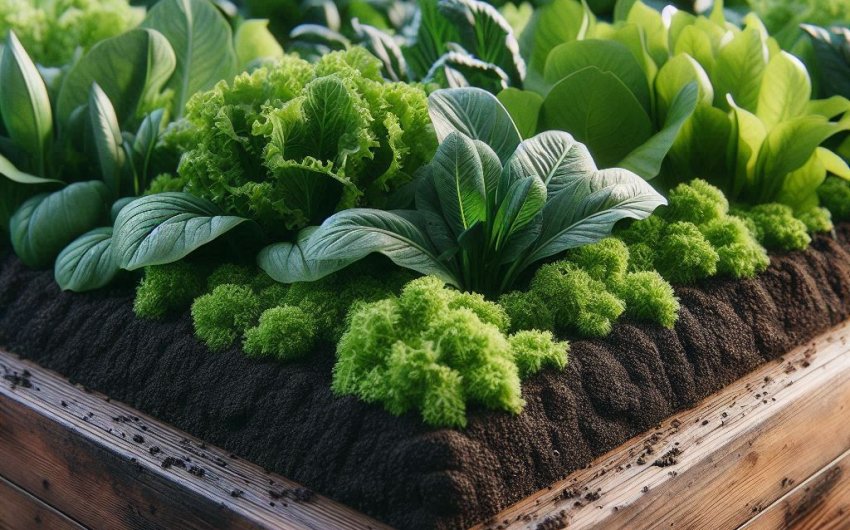
Absolutely, can I use compost in a raised garden bed? Not only can you, but incorporating high-quality compost is one of the best ways to create a thriving and productive growing environment. Compost enriches the soil, improves its structure, and provides a slow-release source of nutrients, making it an ideal ingredient for filling new raised beds or rejuvenating existing ones. It's a cornerstone of healthy soil and a boon for your plants.
What is Compost and Why is it So Good for Garden Beds?
Compost is decomposed organic material. It's often called "black gold" by gardeners because of its incredible benefits to soil and plant health. It's created through a process called composting, where microorganisms break down organic waste into a dark, crumbly, nutrient-rich substance.
Key Benefits of Compost in a Raised Bed:
- Nutrient Richness: Compost isn't a synthetic fertilizer with specific N-P-K ratios, but it contains a wide array of macro and micronutrients essential for plant growth. These nutrients are released slowly over time, providing a steady supply for your plants throughout the growing season.
- Improved Soil Structure:
- For Clay Soils: Compost breaks up heavy clay, improving drainage and aeration. This allows roots to spread more easily and prevents waterlogging.
- For Sandy Soils: Compost adds organic matter, which acts like a sponge, helping sandy soils retain water and nutrients that would otherwise quickly leach away.
- Enhanced Water Retention: The spongy nature of compost significantly increases the soil's capacity to hold moisture. This means you'll need to water your raised beds less frequently, saving time and water.
- Boosted Microbial Activity: Compost introduces and feeds beneficial microorganisms (bacteria, fungi, earthworms, etc.) into the soil. These microscopic workers are vital for:
- Nutrient Cycling: Breaking down organic matter and making nutrients available to plants.
- Disease Suppression: Competing with and suppressing harmful pathogens.
- Soil Aeration: Earthworms create tunnels, further improving air circulation.
- pH Buffering: Compost helps to stabilize soil pH, making it more neutral and suitable for a wider range of plants. It acts as a buffer, preventing rapid shifts in acidity or alkalinity.
- Weed Suppression: A layer of compost on top of your soil can act as a light mulch, suppressing weed growth by blocking sunlight and making it harder for weed seeds to germinate.
How Much Compost Should I Use in My Raised Garden Bed?
The amount of compost you should use depends on whether you're building a new bed or amending an existing one. Getting the ratio right is important for long-term success.
For a New Raised Garden Bed:
When building a new raised bed, compost should make up a significant portion of your fill material. A common and highly recommended approach is to use a layered mix, often referred to as the "lasagna gardening" method or simply building up a rich soil profile.
- Ideal Ratio: Aim for at least 25-50% of your total soil volume to be high-quality compost.
- Layering Method (Bottom to Top):
- Base Layer (Optional, for drainage/weed suppression): Cardboard, newspaper, wood chips, or straw. This helps smother weeds from below and adds bulk.
- Bulky Organic Matter: Leaves, grass clippings, unfinished compost, small twigs. This layer will break down over time, adding nutrients and preventing compaction.
- Compost: A substantial layer of finished compost, ideally 6-12 inches deep. This provides immediate nutrients and structure.
- Topsoil/Garden Soil Blend: Mix 50-75% high-quality garden soil blend with the remaining 25-50% compost. This top layer is where your plants will be rooted.
- Why a Blend? Pure compost can be too rich, compact slightly, or drain too quickly on its own. Mixing it with a good quality topsoil or raised bed mix provides better structure and balance.
- Settling: Be aware that the fill material in new raised beds, especially if it includes a lot of fresh organic matter, will settle over time. You may need to top it off with more compost and soil in subsequent seasons.
For Amending an Existing Raised Garden Bed:
Each year, as plants grow and harvest, they draw nutrients from the soil. Soil also naturally compacts and organic matter breaks down. Amending with compost replenishes these vital elements.
- Annual Top-Dressing: Add a 1-3 inch layer of finished compost to the top of your raised bed each spring before planting.
- Method: Gently work it into the top few inches of the existing soil with a hand cultivator or fork, or simply leave it as a top-dressing. Earthworms and other soil organisms will do the work of incorporating it.
- Benefits: Replenishes nutrients, improves soil structure, helps retain moisture, and suppresses weeds.
- Side-Dressing (Mid-Season): For heavy feeders (like tomatoes, corn, squash), you can add a small handful of compost around the base of the plants mid-season.
- No Dig Method: If you're practicing no-dig gardening, a thick layer of compost is applied annually directly on top of the soil, without disturbing the layers below. This helps maintain soil structure and promote healthy microbial life.
What Kind of Compost is Best for Raised Beds?
Not all compost is created equal. The quality of your compost directly impacts the health of your garden.
Types of Compost:
Homemade Compost:
- Pros: Cost-effective, uses your own organic waste, you control the ingredients. You can produce a high-quality, nutrient-rich product. You can use a compost tumbler or a traditional compost bin.
- Cons: Requires time and effort, can be slow, needs space. Quality depends on your composting practices.
- Best For: Gardeners committed to sustainable practices and building soil over time.
Commercially Bagged Compost:
- Pros: Convenient, readily available at garden centers and hardware stores. Often screened and free of large debris.
- Cons: Quality varies widely. Some bagged "composts" are mostly processed forest products or sawdust, with minimal nutrient value. Can be expensive for large raised beds.
- Look For: "Compost" or "Composted Manure" (e.g., composted cow manure, mushroom compost). Check ingredient lists. Avoid products with vague descriptions or excessive fillers.
Bulk Compost (from municipal facilities or landscape suppliers):
- Pros: Most cost-effective for filling large raised beds. Can be very high quality if sourced from reputable suppliers. Often made from a mix of local green waste.
- Cons: Requires a truck or delivery service. Quality can vary; ask about the source material and processing. May contain weed seeds if not properly heated.
- Best For: Large-scale raised bed projects where significant volume is needed.
What Makes Good Quality Compost?
- Dark Color: Should be dark brown or black.
- Earthy Smell: Should smell like fresh earth, not sour, sulfuric, or ammonia-like.
- Crumbly Texture: Should be crumbly and loose, not slimy or clumpy.
- Fully Decomposed: You shouldn't be able to identify original materials (like leaves or food scraps), unless it's a specialty "rough" compost for a base layer.
- Weed-Free: Should ideally be free of weed seeds. Hot composting helps kill them.
- Balanced pH: Generally has a near-neutral pH (around 6.0-8.0), which is good for most plants.
Can I Just Fill a Raised Bed with Pure Compost?
While compost is fantastic, filling a raised bed with 100% pure compost is generally not recommended as the sole growing medium.
Why Pure Compost Isn't Ideal:
- Nutrient Imbalance/Over-enrichment: While rich in nutrients, pure compost can sometimes be too rich. This can lead to:
- Nutrient Burn: Excess nitrogen can "burn" plant roots or cause excessive leafy growth at the expense of fruits/flowers.
- Imbalances: Some specific nutrient ratios might not be optimal for all plants.
- Drainage and Compaction:
- Too Fast Drainage: Some pure composts can drain water too quickly, especially if coarse.
- Compaction: Over time, pure compost can compact more than a balanced soil mix, reducing aeration and making it difficult for roots to thrive.
- Cost: Filling an entire raised bed with pure compost, especially if buying bagged, would be extremely expensive.
- Long-Term Structure: A blend of compost, topsoil, and potentially some aggregates (like perlite or sand for drainage) creates a more stable, long-lasting structure. The mineral component of soil provides a stable framework that compost enriches.
- Lack of Microlife Diversity: While compost brings many microbes, a diverse ecosystem including mineral soil particles encourages a broader range of beneficial organisms.
Recommended Mix for Raised Beds:
Instead of pure compost, aim for a balanced blend that utilizes compost's benefits without its drawbacks.
- The "50/50" Rule (General Purpose): A good starting point is 50% high-quality raised bed soil mix (which often already contains some compost or organic matter) and 50% finished compost.
- Custom Blend:
- 40-50% Finished Compost: The nutrient and organic matter powerhouse.
- 40-50% High-Quality Topsoil or Loam: Provides structure, minerals, and a stable base.
- 5-10% Perlite or Vermiculite (Optional but Recommended): Improves aeration and drainage, especially important in raised beds. A bag of horticultural perlite or vermiculite goes a long way.
- Aged Manure (Optional): If you have access to well-aged manure, a small amount (5-10%) can add an extra boost of nutrients, especially for hungry crops. Ensure it is truly aged to avoid burning plants.
When is the Best Time to Add Compost to My Raised Beds?
Timing your compost application can optimize its benefits for your plants.
Spring Application: The Primary Time
- Before Planting: The most common and beneficial time. Add a 1-3 inch layer of compost to the top of your beds a few weeks before your average last frost date or when you plan to start planting.
- Benefits:
- Nutrient Release: Gives compost time to integrate with the existing soil and for microorganisms to start making nutrients available as plants begin to grow.
- Improved Warmth: Dark compost absorbs sunlight, helping the soil warm up faster in spring, which is great for seed germination and root growth.
- Weed Suppression: Provides a light mulch layer to deter early spring weeds.
- Better Texture: Helps loosen compacted soil after winter.
- Method: Gently work it into the top few inches with a fork or rake, or simply spread it on top if you prefer a no-dig approach.
Fall Application: Building for Next Season
- After Harvest: Once you've harvested most of your crops and before winter sets in (usually late fall, before the ground freezes).
- Benefits:
- Winter Protection: Provides a protective layer for the soil during winter, insulating it from extreme cold and preventing erosion.
- Slow Decomposition: Compost continues to break down slowly over winter, enriching the soil for the following spring.
- Feeds Soil Life: Provides food for earthworms and other beneficial microbes through the colder months, keeping the soil ecosystem active.
- Early Start: Reduces your workload in spring, as some of the soil amendment is already done.
- Method: Spread a 2-4 inch layer of compost over the entire bed. You can lightly incorporate it or leave it on top.
Mid-Season Application (Side-Dressing): Targeted Boosts
- For Heavy Feeders: Apply a handful or two of compost around the base of nutrient-hungry plants (e.g., tomatoes, peppers, squash, corn, leafy greens) once they start producing flowers or fruits.
- Benefits: Provides an extra slow-release nutrient boost exactly when plants need it most, supporting vigorous growth and higher yields.
- Method: Gently scratch the compost into the top inch or two of soil around the plant, being careful not to disturb shallow roots.
Are There Any Downsides to Using Compost in Raised Beds?
While the benefits heavily outweigh the drawbacks, it's good to be aware of potential issues with compost.
- Source Contamination:
- Weed Seeds: Poorly made compost (not heated sufficiently) can contain viable weed seeds, introducing new weed problems to your bed.
- Persistent Herbicides: Rarely, compost made from hay or manure treated with certain persistent herbicides can harm sensitive plants. Buy from reputable sources or hot compost your own.
- Pathogens: If not composted at high enough temperatures, some composts could theoretically carry plant pathogens, though this is less common with commercial composts.
- Initial Settling: New raised beds filled with a lot of organic matter, including compost, will settle significantly over the first year. You'll need to top them up annually. This is a natural process but can be surprising if not expected.
- Cost (for large beds): Buying enough high-quality bagged compost to fill large raised beds can be expensive. This is why many gardeners opt for bulk compost or making their own.
- Variability in Quality: The term "compost" can be broad. Quality varies greatly. Some products marketed as "compost" might be low in actual nutrient content or contain excessive wood chips. Always read product labels and, if buying bulk, ask about the composting process.
- Over-application (rare): While hard to do with compost, applying extremely excessive amounts (e.g., pure compost for long periods without other soil components) could theoretically lead to nutrient imbalances or minor compaction over many years. However, this is less common than issues from not using enough.
Can I Make My Own Compost for My Raised Beds?
Yes! Making your own compost is an incredibly rewarding and sustainable way to produce high-quality soil amendment for your raised beds.
Benefits of Homemade Compost:
- Cost-Effective: Turns your kitchen scraps and yard waste into a valuable resource, saving money on bagged products.
- Sustainable: Reduces landfill waste and your carbon footprint.
- Customizable: You control the inputs, ensuring it's free of chemicals or unwanted materials.
- Superior Quality: Often richer in diverse microbial life than some commercial products.
Basic Steps to Composting:
Composting involves layering "green" (nitrogen-rich) and "brown" (carbon-rich) materials, along with air and moisture.
Choose Your Composter:
- Compost Bin: Simple, open bins, or enclosed units. Can be stationary or a multi-bin system. A wood compost bin or plastic compost bin works well.
- Compost Tumbler: Rotates for easy turning, often faster composting. A compost tumbler for beginners is a good option.
- Compost Pile: Simplest, just a pile, but can take longer and may attract pests if not managed well.
- Worm Composting (Vermicomposting): Uses worms to break down food scraps, producing nutrient-rich worm castings. A worm composting bin is great for small spaces and food waste.
Gather Materials (Greens & Browns):
- Greens (Nitrogen-rich): Kitchen scraps (fruit and vegetable peels, coffee grounds, tea bags), fresh grass clippings, plant trimmings, fresh manure (from herbivores).
- Browns (Carbon-rich): Dried leaves, straw, shredded paper/cardboard (non-glossy), wood chips, sawdust.
- Avoid: Meat, dairy, oily foods (attract pests), diseased plants, pet waste (from carnivores), black walnut leaves (contain juglone).
Layer and Mix:
- Start with Browns: Begin with a layer of coarse brown material for aeration.
- Alternate Layers: Add alternating layers of green and brown materials. Aim for roughly 2 parts brown to 1 part green.
- Chop Materials: Smaller pieces break down faster.
Moisture and Air:
- Moisture: Keep the compost pile as damp as a wrung-out sponge. Water if it feels too dry.
- Aeration: Turn the pile regularly (weekly or bi-weekly for active composting). This adds oxygen, which is essential for aerobic decomposition and prevents foul odors. Tumblers make this easy.
Patience: Composting takes time. Depending on your method and materials, it can be anywhere from a few weeks (hot composting in a tumbler) to several months or a year. You'll know it's ready when it's dark, crumbly, and smells earthy.
Incorporating compost is undoubtedly one of the best strategies for a vibrant and productive garden. So, yes, you absolutely can use compost in a raised garden bed, and doing so will provide an abundance of long-term benefits for your soil and plants.