
Best Organic Fertilizers for Growing Leafy Greens
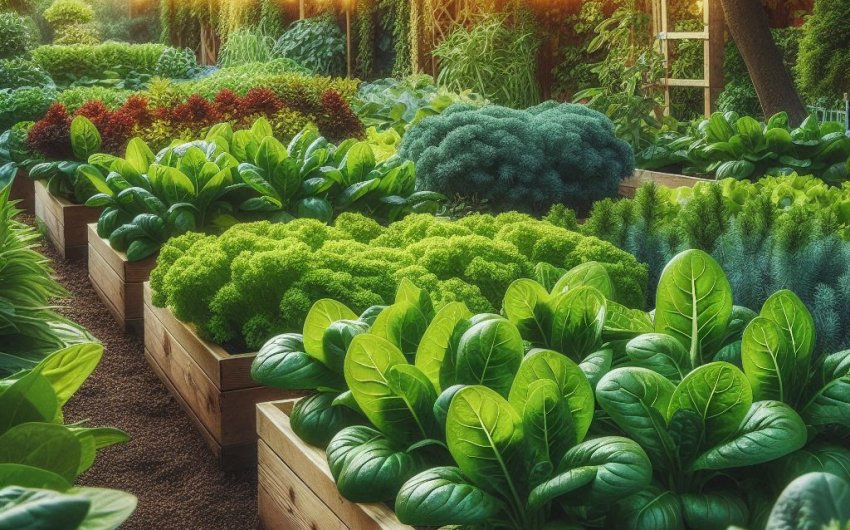
There's nothing quite like harvesting your own fresh, crisp leafy greens from the garden. The taste is unbeatable, and knowing they're grown organically makes them even more delicious. But to get those lush, vibrant leaves, your plants need the right fuel. For leafy greens, the "secret sauce" is nitrogen. This nutrient is like rocket fuel for foliage, encouraging strong stem and leaf growth. In an organic garden, we feed the soil, and the soil feeds the plants. This means using natural fertilizers that improve soil health over time, rather than just giving a quick chemical boost. This guide will explore the best organic fertilizers for growing leafy greens, helping you achieve a bountiful harvest of spinach, lettuce, kale, and more.
Why Do Leafy Greens Love Nitrogen So Much?
Think about what makes leafy greens "leafy." It's all about that green growth! Nitrogen is a key building block for chlorophyll, the green pigment that allows plants to convert sunlight into energy (photosynthesis). It's also vital for forming proteins and enzymes that drive plant growth. When leafy greens have enough nitrogen, their leaves become large, dark green, and vibrant. If they don't get enough, you might see stunted growth, pale or yellowing leaves, and generally weak plants.
In an organic garden, we aim for a steady supply of nitrogen that becomes available as the plants need it, rather than a sudden flush. This supports healthy, sustained growth and a thriving soil ecosystem.
What Makes an Organic Fertilizer "Organic"?
This is an important question! When we talk about organic fertilizers, we mean materials that come from natural sources – plants, animals, or minerals – that have not been chemically processed in a way that harms the soil or introduces synthetic substances. They work by feeding the beneficial microbes in the soil, which then break down the organic matter into forms that plants can absorb. This slow-release method is much better for long-term soil health than synthetic fertilizers, which can kill off beneficial soil life and lead to nutrient imbalances.
Key differences of Organic Fertilizers:
- Slow Release: Nutrients are released gradually as microbes break them down.
- Builds Soil Health: Adds organic matter, improves soil structure, and feeds beneficial microbes.
- Eco-Friendly: No harmful chemicals or runoff.
- Nutrient Cycling: Works with natural processes in the soil.
The Best Organic Fertilizers for Your Leafy Greens
Here are some of the top picks for providing that crucial nitrogen boost to your leafy greens, all while enriching your soil naturally.
1. Compost: The Gardener's Gold Standard
If there's one organic fertilizer every gardener should use, it's compost. It's not just a fertilizer; it's a soil amendment, a pH buffer, and a microbe haven all in one.
Why Compost is Great for Leafy Greens:
- Balanced Nutrients: While not super high in nitrogen by itself, well-made compost provides a steady, balanced supply of many nutrients, including nitrogen, phosphorus, and potassium, as well as trace minerals.
- Feeds Soil Microbes: Compost is teeming with beneficial microorganisms that break down organic matter and make nutrients available to plants. A healthy soil microbiome is key for nutrient uptake.
- Improves Soil Structure: It lightens heavy clay soils and helps sandy soils hold water and nutrients.
- Slow Release: Nutrients are released slowly and steadily, preventing nutrient burn and supporting continuous growth.
How to Use Compost:
- Pre-Planting: Work 2-4 inches of finished organic compost into the top 6-12 inches of your garden beds before planting leafy greens.
- Top Dressing: Apply a 1-2 inch layer of compost around established plants during the growing season. This acts as a slow-release feed and mulch.
- Compost Tea: You can make "compost tea" by steeping compost in water, then diluting and using it as a liquid feed for an extra boost. For example, a quality compost tea brewer can help you make your own.
2. Blood Meal: High-Nitrogen Powerhouse
Blood meal is exactly what it sounds like: dried, powdered animal blood. It's a fantastic organic nitrogen fertilizer and a favorite for feeding leafy greens.
Why Blood Meal is Great for Leafy Greens:
- High Nitrogen Content: Blood meal typically has an NPK ratio around 12-0-0 or 13-0-0, making it one of the highest nitrogen organic options. (NPK stands for Nitrogen, Phosphorus, Potassium, the three main nutrients.)
- Fast-Acting (for organic): While still slower than synthetic fertilizers, blood meal breaks down relatively quickly, providing a rapid nitrogen boost when your leafy greens need it most.
- Discourages Pests: Some gardeners report that blood meal can deter deer, rabbits, and squirrels due to its smell, though this effect is usually temporary.
How to Use Blood Meal:
- Pre-Planting: Work into the soil before planting. A common recommendation is about 1 tablespoon per square foot, mixed into the top few inches of soil.
- Side Dressing: For established plants, sprinkle a small amount (about 1 teaspoon) around the base of each plant, gently scratch it into the soil, and water thoroughly.
- Use with Caution: Because it's high in nitrogen, it's possible to over-apply, which can "burn" plants. Always follow package directions for application rates. Also, its smell can attract some animals, so consider covering it lightly with soil. A good organic blood meal will have clear instructions.
3. Fish Emulsion: Stinky but Effective Liquid Nitrogen
Fish emulsion is a liquid fertilizer made from fish parts. Yes, it smells fishy, but it’s a powerhouse for leafy growth!
Why Fish Emulsion is Great for Leafy Greens:
- Quick Nitrogen Release: As a liquid, nutrients are available to plants almost immediately, making it great for a quick boost to struggling or young leafy greens.
- Complete Nutrients: While nitrogen-heavy (often 5-1-1), it also contains a wide range of trace minerals that fish naturally have, contributing to overall plant health.
- Foliar Feed Option: Can be diluted and sprayed directly onto leaves for rapid absorption.
How to Use Fish Emulsion:
- Dilute: Always dilute fish emulsion according to package directions. It's very concentrated.
- Watering Can: Use it to water your leafy greens at the base of the plants every 2-4 weeks during their growing cycle.
- Foliar Spray: For a quick green-up, dilute even further and spray onto leaves. Do this in the early morning or late evening to prevent leaf burn.
- Odor: Be prepared for the smell! It usually fades quickly, especially after watering. You can find organic fish emulsion in various sizes.
4. Alfalfa Meal: Gentle, All-Around Performer
Alfalfa meal is made from ground-up alfalfa plants. It’s a wonderful all-purpose organic fertilizer that's particularly good for building overall soil health while providing a good nitrogen boost.
Why Alfalfa Meal is Great for Leafy Greens:
- Good NPK: Alfalfa meal usually has an NPK of around 2-1-2 or 3-1-2. While lower than blood meal, it provides a gentler, steady release of nitrogen.
- Contains Growth Hormones: It naturally contains triacontanol, a plant growth regulator that can boost plant vigor.
- Soil Conditioner: As it breaks down, it adds valuable organic matter to the soil, improving its structure and water retention.
- Attracts Earthworms: Earthworms love alfalfa meal, and their activity helps to aerate the soil and make nutrients more available.
How to Use Alfalfa Meal:
- Pre-Planting: Work 1-2 cups per 10 square feet into the top few inches of soil before planting your greens.
- Top Dressing: Sprinkle 1/2 to 1 cup per plant or along rows every 4-6 weeks during the growing season. Gently scratch it into the soil.
- Compost Booster: It's a great "green" material to add to your compost pile, helping to heat it up and speed decomposition. A large bag of alfalfa meal is economical for regular use.
5. Feather Meal: Slow and Steady Nitrogen
Feather meal is made from hydrolyzed (processed with heat and pressure) poultry feathers. It's another excellent source of slow-release nitrogen.
Why Feather Meal is Great for Leafy Greens:
- High Nitrogen: Typically boasts an NPK around 12-0-0 or 14-0-0, making it comparable to blood meal in nitrogen content.
- Very Slow Release: Feather meal breaks down much slower than blood meal, providing a long-lasting supply of nitrogen throughout the growing season. This makes it ideal for crops like kale and Swiss chard that have longer growing periods.
- Environmentally Friendly: Utilizes a byproduct of the poultry industry.
How to Use Feather Meal:
- Pre-Planting: Best used as a slow-release amendment before planting. Work it into the soil several weeks to a month before you plan to plant your leafy greens.
- Mix Thoroughly: Because of its slow release, ensure it's well mixed into the soil where roots can access it.
- Application Rate: Use according to package directions, typically less than blood meal due to its higher nitrogen and slower release. You can find organic feather meal from various suppliers.
6. Worm Castings: The Ultimate Soil Builder
Worm castings, also known as vermicompost, are the excrement of earthworms. They are a super-rich, nutrient-dense organic fertilizer and soil conditioner.
Why Worm Castings are Great for Leafy Greens:
- Balanced Nutrients: While not extremely high in nitrogen, phosphorus, or potassium, worm castings provide these nutrients in a readily available, slow-release form. They also contain a wide array of micronutrients and beneficial microbes.
- Boosts Plant Growth: Studies show worm castings can significantly boost plant growth and vigor, even at low application rates.
- Improves Soil Structure: Helps aeration, water retention, and drainage.
- Non-Burning: You literally cannot over-apply worm castings; they won't burn your plants.
How to Use Worm Castings:
- Pre-Planting: Mix into your potting mix or garden beds. Use 10-20% worm castings in your seed starting mix for strong seedlings.
- Top Dressing: Sprinkle a layer around your leafy greens and gently work it into the top inch of soil.
- Compost Tea: Make a "worm tea" for a liquid feed. A bag of organic worm castings is a worthwhile investment for any organic gardener.
How to Apply Organic Fertilizers to Your Leafy Greens
Getting the right fertilizer is one thing; applying it correctly is another. Here are some general tips:
1. Soil Prep Before Planting
Before you even plant your leafy greens, prepare your soil. This is where most of your slow-release amendments like compost, alfalfa meal, and feather meal should go. Spread them over the soil surface and gently work them into the top 6-12 inches. This gives the soil microbes time to start breaking down the organic matter.
2. Side Dressing During Growth
Once your leafy greens are established and growing well, they might need a little extra boost, especially if you're continually harvesting outer leaves (like with lettuce or kale). This is where side dressing comes in handy. Sprinkle dry amendments like blood meal or alfalfa meal around the base of the plants, about 2-3 inches away from the stem. Gently scratch them into the top inch of soil and water immediately. This helps get the nutrients to the roots and prevents potential burning.
3. Liquid Feeds for Quick Boosts
Fish emulsion or compost tea are excellent for quick nutrient boosts. Use these as a regular watering solution every few weeks, or when your plants look like they need a little pick-me-up. Always dilute properly to avoid over-fertilizing.
4. Don't Over-Fertilize
More is not always better, especially with high-nitrogen fertilizers like blood meal. Over-fertilizing can lead to nutrient imbalances, burn your plant's roots, or encourage lush leaf growth at the expense of root development. Always read and follow the specific instructions on the fertilizer packaging.
5. Water Thoroughly After Application
Whether you're using dry granular fertilizers or liquid feeds, always water your plants thoroughly after applying fertilizer. This helps dissolve the nutrients and carry them down to the root zone where plants can access them.
A Note on Soil Health and pH
Remember, organic fertilizers work best in healthy soil. Regularly adding compost and other organic matter improves your soil's structure, water retention, and microbial activity. A balanced soil pH is also crucial, as it affects how well plants can absorb nutrients. Most leafy greens prefer a slightly acidic to neutral pH (6.0 to 7.0). If you haven't recently, test your soil pH to make sure it's in the optimal range. A good soil pH test kit is an essential tool for any organic gardener.
By choosing the best organic fertilizers and applying them thoughtfully, you're not just feeding your plants; you're nurturing the entire ecosystem of your garden. This sustainable approach leads to healthier soil, more resilient plants, and the most delicious, nutrient-rich leafy greens you've ever tasted. Happy growing!