
How to Set Up a Drip Irrigation System for Organic Gardens?
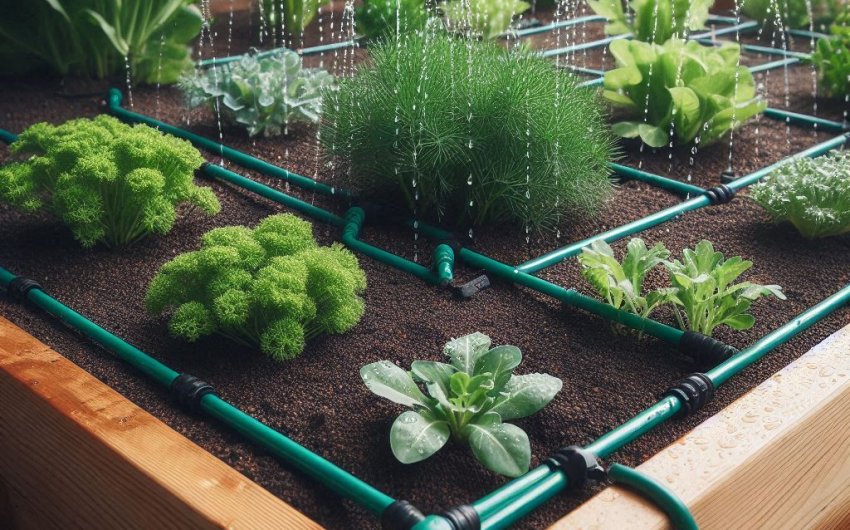
Watering your garden can be a big job, especially during hot summer days. Dragging hoses around, trying to give each plant just enough water without wasting any, can get tiring. Plus, traditional watering methods like sprinklers can lead to problems like fungal diseases on leaves and lots of wasted water. That's where a drip irrigation system comes in! It's like giving each of your plants its own personal hydration station. For an organic garden, using drip irrigation is a game-changer. It saves water, delivers it right where plants need it most (the roots!), and helps keep diseases away. This guide will walk you through setting up a simple and effective drip irrigation system for your organic garden, making watering easier and more efficient.
Why Choose Drip Irrigation for Your Organic Garden?
Many gardeners choose drip irrigation because of its amazing benefits, especially when you're focused on organic gardening practices.
Water Efficiency: Save Precious H2O!
This is perhaps the biggest reason. A traditional sprinkler can lose up to 50% of its water to evaporation and runoff. Drip irrigation, however, delivers water directly to the plant's root zone, drop by drop. This means very little water is lost to the air or to areas where you don't want plants (like paths!). This incredible water saving is not only good for your wallet but also for the environment, making your garden more sustainable.
Healthier Plants, Fewer Weeds, Less Disease
When you water with a sprinkler, plant leaves often get wet. Wet leaves can lead to fungal diseases like powdery mildew and blight, especially in humid conditions. With drip irrigation, the leaves stay dry. Water goes straight to the soil, right where the roots need it. This keeps your plants healthier and reduces the risk of common diseases. Plus, because you're only watering the plants you want, you're not watering weed seeds. This means significantly less weed growth in your garden beds, saving you a lot of time and effort on weeding!
Saves Time and Effort
Once set up, a drip irrigation system practically waters itself (especially if you add a timer!). No more standing with a hose or moving sprinklers around. You can spend more time enjoying your garden and less time on chores.
Gentle and Consistent Watering
Drip systems deliver water slowly and consistently. This is perfect for plants because it allows the soil to absorb the water properly, preventing runoff and ensuring roots get a steady supply. This gentle watering also avoids compacting the soil, which can happen with strong sprays from a hose.
What Do You Need to Set Up a Basic Drip Irrigation System?
Setting up a drip irrigation system might sound complicated, but it's actually quite simple for a home garden. Here are the main parts you'll need:
1. Water Source Connection
You'll connect your system to an outdoor spigot (like the one you attach your garden hose to).
- Backflow Preventer: This is super important! It stops dirty garden water from flowing back into your clean house water supply. Most drip irrigation kits include one.
- Pressure Regulator: Garden hoses often have high water pressure (40-60 psi). Drip irrigation systems need much lower pressure (10-25 psi) to work correctly and prevent fittings from blowing off. A drip irrigation pressure regulator is essential.
- Filter: This catches any tiny bits of dirt or sediment from your water source that could clog the tiny holes in your drip emitters. A small inline drip filter is a good idea.
- Hose Swivel or Y-connector: A hose Y-connector is useful if you want to use the spigot for other things without disconnecting your drip system.
2. Mainline Tubing (Header Line)
This is the largest tube in your system, often 1/2 or 3/4 inch in diameter. It carries water from your spigot connection to all the different parts of your garden. It’s usually a thick, black polyethylene tubing.
3. Drip Emitters or Emitter Tubing
This is where the magic happens!
- Drip Emitters: These are small devices inserted directly into your mainline tubing. They release water slowly, usually at a rate of 0.5 to 4 gallons per hour (GPH). You choose the flow rate based on your plant's needs and soil type.
- Emitter Tubing: This is smaller tubing (1/4 inch) with pre-installed emitters spaced at regular intervals (e.g., every 6 or 12 inches). It's great for rows of plants or dense plantings. This tubing usually comes in a roll, often called drip irrigation soaker hose or drip line.
4. Fittings and Connectors
You'll need various plastic fittings to connect your mainline tubing, run smaller lines, cap off ends, and go around corners. Common fittings include:
- Tees: To split the mainline in two directions.
- Elbows: For making turns.
- Couplings: To connect two pieces of tubing.
- End Caps/Plugs: To close off the end of a line.
- Punch Tool: A small drip irrigation punch tool is essential for making clean holes in the mainline tubing to insert emitters or smaller lines.
5. Stakes or Staples
These hold the tubing in place on the ground, keeping it neat and preventing it from moving around.
Optional: Timer
A drip irrigation timer (also called a hose-end timer) is highly recommended. It connects to your spigot and automatically turns the water on and off at set times. This makes your system fully automated and saves even more time. A simple digital hose timer can make a big difference.
Step-by-Step Guide to Setting Up Your Drip Irrigation System
Now, let's get your system installed!
Step 1: Plan Your Layout
This is crucial! Before you buy anything or cut any tubing, draw a map of your garden.
- Identify Your Water Source: Mark where your spigot is.
- Sketch Your Garden Beds: Draw out all your garden beds, raised beds, or rows where you'll be planting.
- Map Mainline Tubing: Draw where your main 1/2 or 3/4 inch mainline tubing will run. This line usually runs along the edge of your beds or down the center of large beds. Try to minimize turns.
- Placement of Emitters/Emitter Tubing:
- For individual plants (like tomatoes, peppers, squash), plan to place one or two drip emitters right at the base of each plant.
- For rows of plants (like carrots, lettuce, spinach), plan to lay down a line of 1/4 inch emitter tubing parallel to the row, or lay soaker hose directly down the row.
- Calculate Needs: This plan helps you estimate how much tubing, how many emitters, and what fittings you’ll need.
Step 2: Connect to the Water Source
Start at your spigot and connect the components in this order:
- Backflow Preventer: Screw this directly onto your spigot.
- Pressure Regulator: Screw this onto the backflow preventer.
- Filter: Screw this onto the pressure regulator.
- Hose Swivel or Y-Connector (Optional): If you're using one, attach it here.
- Mainline Tubing: Connect your main drip tubing to the filter (or Y-connector). Most starter kits will have a special fitting for this.
Step 3: Lay Out the Mainline Tubing
Unroll your 1/2 or 3/4 inch mainline tubing. Lay it out according to your plan. It’s often easier to work with the tubing if it's warm (leave it in the sun for an hour or so, or soak it in warm water to make it more flexible).
- Run It Carefully: Avoid kinks. Use stakes or staples to secure the tubing every few feet, or whenever it turns.
- Cut with Purpose: Use sharp shears or a specialized drip tube cutter to make clean cuts when you need to add fittings.
Step 4: Add Branch Lines and Emitters
Now, you'll connect your smaller 1/4 inch tubing or individual emitters to the mainline tubing.
For Individual Drip Emitters:
- Punch a Hole: Use your punch tool to create a clean, small hole in the mainline tubing wherever you want an emitter.
- Insert Emitter: Firmly push the drip emitter into the hole.
- Position: Ensure the emitter is facing downwards and positioned near the base of your plant.
For Emitter Tubing (Drip Line/Soaker Hose):
- Cut Mainline: Cut the mainline tubing where you want to branch off into a garden bed or row.
- Insert Tee/Elbow: Insert a tee or elbow fitting into the cut ends of the mainline.
- Connect Smaller Tubing: Connect a length of 1/4 inch emitter tubing (or blank 1/4 inch tubing if you're adding individual emitters to it) to the tee or elbow.
- Lay Out: Run the smaller tubing along your plant rows or around individual plants.
- Add Emitters (if using blank 1/4 inch): If you used blank 1/4 inch tubing, punch holes and insert individual emitters wherever needed.
- Cap Ends: Use an end plug or figure-8 end clamp to seal off the end of each 1/4 inch line.
Step 5: Secure the System and Test
Once all your tubing and emitters are in place:
- Secure Everything: Use more stakes or staples to firmly hold all tubing in place. This prevents it from shifting and ensures water goes where you want it.
- Flush the System: Before capping off all ends, turn on the water for a few minutes. This flushes out any dirt or debris that might have gotten into the lines during installation, preventing clogs.
- Cap the Ends: Once flushed, use end caps or figure-8 clamps to seal off the ends of all mainline and 1/4 inch tubing runs.
- Test for Leaks and Proper Flow: Turn the water on again and walk through your garden. Look for any leaks at connections and ensure water is dripping correctly from all emitters. Adjust as needed. If you have too much pressure (even with the regulator), you might see water spraying instead of dripping. Check your pressure regulator.
Watering Schedule for Your Organic Garden with Drip Irrigation
One of the great things about drip irrigation is that it encourages deep, infrequent watering.
How Much and How Often?
- Deep Watering: Run your system long enough for the water to penetrate deep into the soil. You want to encourage deep root growth in your plants. This is better than frequent, shallow watering.
- Check Soil Moisture: Don't just guess! After a watering cycle, dig down a few inches near an emitter. The soil should be moist, but not soggy, to a depth of 6-12 inches depending on the plant. Adjust your watering time based on this observation.
- Frequency: This depends on your soil type, climate, and plants.
- Sandy Soil: Drains quickly, so you might need to water more often but for shorter durations.
- Clay Soil: Holds water well, so water less often but for longer durations.
- Hot, Sunny Weather: Water more frequently.
- Cool, Cloudy Weather: Water less frequently.
- Typical Schedule (start here and adjust): Many gardeners start with 30-60 minutes every 2-3 days and adjust from there. Young seedlings might need daily shorter bursts until established.
Using a Timer
An automatic watering timer is highly recommended for hands-free watering. Set it to run in the early morning (before the sun gets too high) to minimize evaporation. This also gives plants time to absorb water before the heat of the day.
Maintenance for Your Drip System
A little regular care will keep your drip irrigation system running smoothly for years.
- Check for Clogs: Periodically inspect emitters to ensure they are dripping. Clogs can happen from sediment or even algae growth. Many emitters can be cleaned, or replaced if needed.
- Flush Annually: At least once a year (before the growing season or after), remove the end caps and flush the system thoroughly to clear out any accumulated debris.
- Winterizing: In cold climates, you must winterize your drip irrigation system to prevent freezing damage. Disconnect it from the spigot, open all end caps, and drain all the water out of the lines. Store any vulnerable components indoors.
- Repair Leaks: Small holes or disconnected fittings can happen. Keep a few spare fittings on hand for quick repairs. Drip irrigation repair kits are handy.
By setting up a drip irrigation system, you’re making a smart investment in your organic garden. You'll save water, reduce plant diseases, keep weeds down, and free up your time for more enjoyable gardening activities. It's a simple, efficient way to ensure your plants get exactly what they need to thrive, leading to a healthier, more productive, and less stressful gardening experience.