
Why Organic Gardening is Better for the Environment?
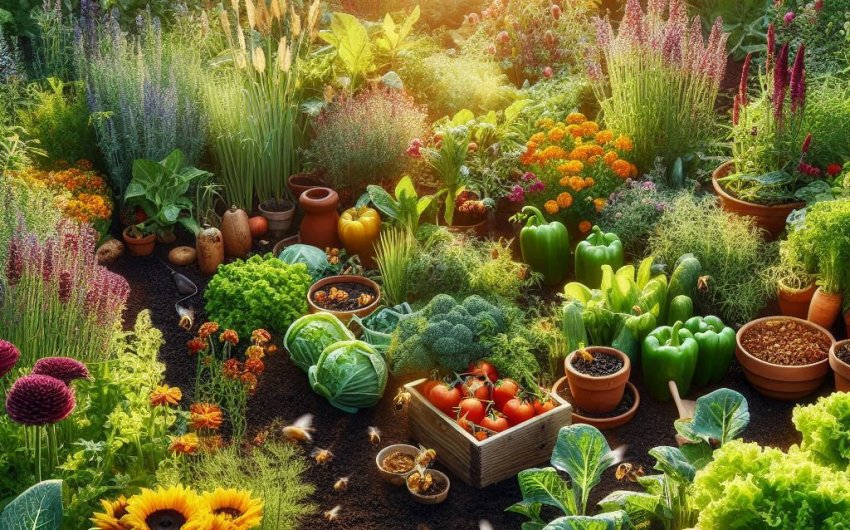
Have you ever thought about how your garden choices affect the bigger picture – our planet? When we talk about gardening, it's not just about growing tasty vegetables or beautiful flowers; it's also about how we interact with the earth. More and more people are turning to organic gardening, and for good reason. It's a way of growing that works with nature, not against it. Unlike traditional gardening methods that often rely on synthetic chemicals, organic gardening prioritizes the health of the soil, water, air, and all living things. Let's explore why choosing to garden organically is a powerful step towards a healthier environment.
What's the Big Difference Between Organic and Traditional Gardening?
At its heart, the main difference lies in what we put into the soil and on our plants.
- Traditional Gardening: Often uses synthetic (man-made) chemical fertilizers, pesticides (to kill pests), and herbicides (to kill weeds). These are designed to be quick fixes.
- Organic Gardening: Avoids all synthetic chemicals. Instead, it relies on natural methods like compost, beneficial insects, cover crops, and crop rotation to create a balanced and healthy garden ecosystem. It focuses on feeding the soil, not just the plant.
This fundamental difference has a huge ripple effect on the environment.
How Does Organic Gardening Protect Our Soil?
The soil is the foundation of any garden, and in an organic garden, it's treated like a precious living thing. Healthy soil is brimming with billions of tiny organisms – bacteria, fungi, worms, and more – that work together to make nutrients available to plants.
Nurturing the Soil Food Web
Traditional gardening, with its heavy reliance on synthetic chemicals, can harm this delicate soil food web. Chemical fertilizers, while providing nutrients quickly, don't feed the soil organisms. Over time, this can reduce the organic matter in the soil, making it less fertile and more dependent on chemical inputs. Pesticides and herbicides can directly kill off beneficial microbes and insects in the soil, further disrupting this vital ecosystem.
Organic gardening, on the other hand, actively builds and nourishes the soil food web:
- Compost and Organic Matter: Organic gardeners constantly add compost, aged manures, and other organic materials to their soil. As these break down, they provide a steady food source for microbes, enriching the soil with humus (stable organic matter) and improving its structure. You can find excellent organic compost or even start your own compost pile with a compost bin.
- No-Till or Low-Till Practices: Many organic gardeners minimize digging or tilling. This preserves the soil structure, protects earthworm tunnels, and keeps the soil food web intact, preventing carbon from escaping into the atmosphere.
- Cover Crops: Planting cover crops (like clover or rye) when beds are empty protects the soil from erosion, adds organic matter when tilled in, and improves nutrient cycling. A good cover crop seed mix can do wonders for your soil.
Preventing Soil Erosion and Compaction
Healthy soil with lots of organic matter is like a sponge. It absorbs water easily and resists being washed away by rain (erosion) or being squished down (compaction). Traditional soils that lack organic matter can become dense, leading to runoff and erosion. Organic gardening practices ensure the soil stays loose, well-drained, and rich in life, making it much more resilient.
How Does Organic Gardening Protect Our Water?
One of the biggest environmental concerns with traditional agriculture and gardening is water pollution.
Stopping Chemical Runoff
When synthetic fertilizers, pesticides, and herbicides are used, rain and irrigation water can wash these chemicals off the garden and into nearby streams, rivers, and eventually, lakes and oceans. This chemical runoff can harm aquatic life, create harmful algal blooms (which deplete oxygen and kill fish), and even contaminate drinking water sources.
Organic gardening eliminates this problem because it doesn't use these harmful chemicals in the first place. You don't have to worry about what's washing off your garden and into the local watershed. Instead, organic methods focus on healthy soil that absorbs water, cleaning it naturally as it filters through the ground.
Conserving Water
Healthy organic soil, rich in organic matter, can hold much more water than chemically-treated soil. This means you need to water less often! Organic mulches (like straw, shredded leaves, or wood chips) also play a huge role in conserving soil moisture by reducing evaporation. A layer of organic garden mulch can cut down your watering needs significantly. Less watering means less strain on precious water resources.
How Does Organic Gardening Support Biodiversity?
Biodiversity refers to the variety of life on Earth. A healthy ecosystem is a diverse one. Traditional gardening often works against biodiversity by trying to eliminate anything considered a "pest" or "weed."
Protecting Pollinators and Beneficial Insects
Synthetic pesticides are non-discriminatory; they kill beneficial insects (like bees, butterflies, ladybugs, and predatory wasps) just as easily as they kill harmful pests. This has led to alarming declines in pollinator populations, which are vital for pollinating many of the fruits and vegetables we eat.
Organic gardening embraces insects as part of the ecosystem:
- No Harmful Pesticides: By avoiding synthetic pesticides, organic gardens become safe havens for pollinators and beneficial insects.
- Attracting Good Bugs: Organic gardeners use strategies like companion planting (growing specific flowers and herbs that attract beneficial insects) to encourage natural pest control. Planting a wildflower seed mix can bring in a multitude of helpful critters.
- Diverse Plantings: Creating a diverse garden with a mix of vegetables, herbs, and flowers provides varied food sources and habitats for many different species, increasing biodiversity in your yard.
Creating Habitat for Wildlife
An organic garden often becomes a mini-wildlife sanctuary. Without chemicals, birds, frogs, lizards, and other small animals can safely forage for insects, slugs, and other garden pests, adding another layer of natural pest control. Even bats might visit to feast on night-flying insects! This web of life creates a more stable and resilient garden ecosystem.
How Does Organic Gardening Impact Our Air and Climate?
Believe it or not, your gardening choices can even affect the air we breathe and the global climate.
Reducing Synthetic Chemical Production
The manufacturing of synthetic fertilizers and pesticides is an energy-intensive process that releases greenhouse gases into the atmosphere. By choosing organic methods, you're reducing the demand for these industrially produced chemicals, thus lowering the associated carbon emissions.
Carbon Sequestration: Storing Carbon in the Soil
One of the most exciting environmental benefits of organic gardening is its potential for carbon sequestration. Healthy soil, rich in organic matter (humus), is a massive storehouse for carbon. When you consistently add compost and avoid excessive tilling, you help trap carbon in the soil rather than releasing it into the atmosphere as carbon dioxide (a major greenhouse gas).
- Compost: Adding compost builds stable carbon compounds in the soil.
- Cover Crops: These plants capture atmospheric carbon during photosynthesis, and when they are tilled into the soil, that carbon gets locked away.
- Reduced Tillage: Every time you dig or till the soil, you expose organic matter to air, causing it to break down faster and release stored carbon as CO2. No-till organic gardening minimizes this release.
Less Fuel Consumption
Traditional gardening often involves more frequent use of gas-powered tillers, mowers, and other equipment for large-scale preparation and maintenance. While a home gardener's impact might be small, every little bit helps. Focusing on hand-weeding, manual tools, and less intensive cultivation in an organic garden reduces fossil fuel consumption.
What About the Food We Eat?
While this post focuses on environmental benefits, it's worth briefly mentioning the direct benefit to us. When you garden organically, the food you grow is free from synthetic pesticide residues and harsh chemicals. This means healthier, cleaner produce for you and your family. Plus, produce from healthy, organically managed soil is often more nutrient-dense and flavorful.
Making the Switch: Getting Started with Organic Gardening
You don't need to transform your garden overnight. Even small steps make a difference.
Start with the Soil
The absolute best place to begin your organic gardening journey is with the soil. Focus on adding organic matter regularly.
- Compost: Make your own or buy certified organic compost.
- Worm Castings: These are super nutrient-rich and improve soil structure. You can buy organic worm castings.
- Mulch: Apply layers of straw, shredded leaves, or wood chips to your garden beds.
Say No to Synthetics
Commit to avoiding synthetic fertilizers, pesticides, and herbicides. Learn about natural pest control methods like:
- Hand-picking pests: Often surprisingly effective for smaller infestations.
- Neem oil: A natural insecticide derived from a tree, effective against many soft-bodied pests. A good organic neem oil spray can be very helpful.
- Companion planting: As discussed, strategic planting can repel pests and attract beneficials.
- Barriers: Use row covers to protect young plants from flying insects.
Embrace Diversity
Plant a wide variety of vegetables, herbs, and flowers. This creates a more resilient ecosystem, making it harder for specific pests or diseases to take over.
Conserve Water
Install a drip irrigation system or use soaker hoses to deliver water directly to plant roots, minimizing waste. Look into a simple drip irrigation starter kit.
Organic gardening isn't just a trend; it's a philosophy that respects the intricate web of life. By choosing organic methods, you're not only growing healthier food and more beautiful plants, but you're also actively contributing to cleaner soil, purer water, fresher air, and richer biodiversity. Your garden becomes a small but significant part of the solution for a healthier planet. Every organic seed you plant, every handful of compost you add, is a vote for a more sustainable future.