
How to Grow Organic Potatoes in Containers?
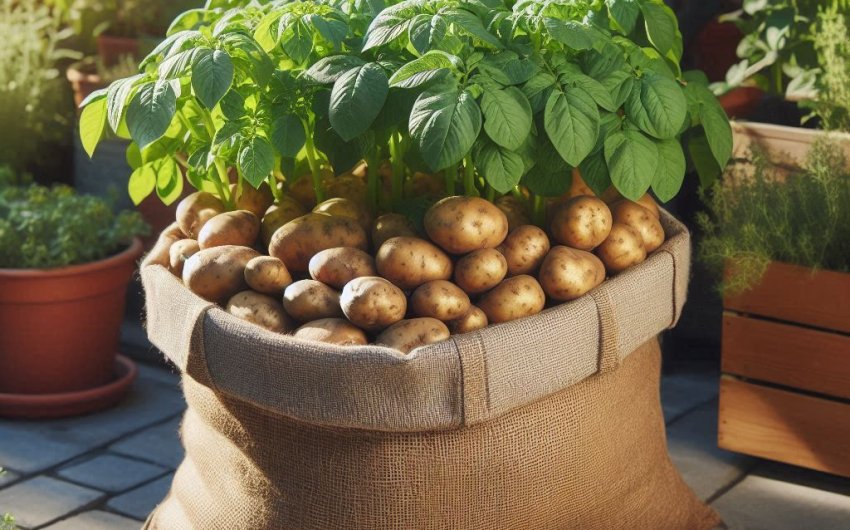
Growing organic potatoes in containers is an excellent solution for gardeners with limited space or less-than-ideal soil conditions. It allows for fresh, homegrown tubers with minimal fuss and maximum control over growing conditions.
Why Grow Organic Potatoes in Containers?
Choosing to grow organic potatoes in containers offers several compelling advantages, especially for urban gardeners or those seeking a simpler approach to cultivation.
- Space-Saving: Ideal for small yards, patios, balconies, or even rooftops. You don't need a large garden plot.
- Pest and Disease Control: Easier to monitor and manage pests and diseases, as the plants are isolated from soil-borne issues common in garden beds.
- Soil Quality Control: You completely control the potting mix, ensuring it's rich, well-draining, and free of chemicals or diseases. This is key for organic potatoes.
- Weed Suppression: Container growing naturally reduces weed competition.
- Easier Harvesting: No need for laborious digging! Simply tip the container over when harvesting.
- Mobility: Containers can be moved to optimize sun exposure or protect plants from extreme weather.
- Prevents Green Potatoes: Hilling is easier in containers, preventing sunlight from reaching the developing tubers, which can turn them green and inedible.
- Succession Planting: Easier to rotate containers for successive plantings without disrupting other parts of your garden.
What Kind of Container is Best for Growing Organic Potatoes?
The right container is crucial for healthy root development and a good harvest of organic potatoes. Size and material matter.
Ideal Container Characteristics
- Size: The bigger, the better. Potatoes need significant root space to produce tubers.
- Minimum: 15-gallon (60-liter) container for 3-4 seed potatoes.
- Larger Yields: 20-25 gallon (75-95 liter) containers are even better for more potatoes.
- Drainage: Essential! Potato plants hate "wet feet," which leads to rot. Ensure plenty of drainage holes.
- Material:
- Grow Bags (Fabric Pots): Highly recommended.
- Pros: Excellent aeration (air-prunes roots for stronger growth), prevents root circling, lightweight, foldable for storage, often have handles for easy moving. Many are specifically designed as Potato Grow Bags.
- Cons: Dry out faster, requiring more frequent watering.
- Large Plastic Totes/Bins:
- Pros: Inexpensive, retain moisture well.
- Cons: Must drill ample drainage holes. Can overheat in direct sun.
- Whiskey Barrels/Large Wooden Planters:
- Pros: Attractive, good insulation.
- Cons: Heavy, can be expensive, drill drainage holes.
- Large Clay/Terracotta Pots:
- Pros: Breathable, attractive.
- Cons: Very heavy when filled, expensive, breakable, dry out quickly.
- 5-gallon Buckets (with holes): Can work for 1-2 seed potatoes for a smaller yield, but often too restrictive for robust growth.
- Pros: Readily available, cheap.
- Cons: Limits yield, may need more frequent watering.
- Grow Bags (Fabric Pots): Highly recommended.
What is the Best Organic Soil Mix for Container Potatoes?
The quality of your soil mix directly impacts the health and yield of your organic potatoes. Don't skimp here.
Key Characteristics
- Loose and Well-Draining: Potatoes need airy soil for tuber development. Heavy, compacted soil restricts growth and encourages rot.
- Rich in Organic Matter: Provides essential nutrients and helps retain moisture.
- Slightly Acidic to Neutral pH: Potatoes prefer a pH between 5.0 and 7.0.
Components of an Ideal Mix
- Organic Potting Mix: Start with a high-quality, lightweight organic potting mix. Look for bags specifically labeled "organic" that are free of synthetic fertilizers or pesticides. A general Organic Potting Mix is a good base.
- Compost: This is vital for organic potatoes. Incorporate a generous amount of well-rotted organic compost (at least 30-50% of your total mix). Compost provides a slow release of nutrients and improves soil structure. Homemade compost or high-quality Organic Composted Manure are excellent.
- Perlite or Coarse Sand: Add 10-20% perlite or coarse sand to enhance drainage and aeration. This is especially important for heavy potting mixes. Organic Perlite is a good choice.
- Coir (Coconut Fiber): An eco-friendly alternative to peat moss, coir helps retain moisture while maintaining aeration.
- Optional Organic Amendments:
- Bone Meal: A natural source of phosphorus, excellent for tuber development. Add a handful when mixing your soil.
- Greensand: Provides potassium and trace minerals.
- Worm Castings: Superb for overall plant health and gentle nutrient release. Mix in a few scoops of Organic Worm Castings.
Mixing Your Soil
- Thoroughly mix all components in a wheelbarrow or large tub to ensure an even distribution of nutrients and textures.
How Do You Select and Prepare Organic Seed Potatoes?
The success of your organic container potato crop starts with quality seed potatoes.
What Are Seed Potatoes?
- Seed potatoes are actual potato tubers specifically grown for planting. They are certified disease-free and untreated with sprout inhibitors. Do not use grocery store potatoes, as they may be treated or carry diseases.
Where to Buy Organic Seed Potatoes
- Reputable Nurseries/Garden Centers: Often carry organic varieties.
- Online Seed Companies: Many specialized companies offer a wide selection of Organic Seed Potatoes.
Choosing Potato Varieties
- Early/Mid-Season Varieties: Often best for containers as they mature faster. Examples: 'Yukon Gold', 'Red Norland', 'Kennebec'.
- Bush Varieties: Some varieties have a more compact growth habit, better suited for containers.
- Disease Resistance: Look for varieties known for good disease resistance, especially to blight.
"Chitting" Your Seed Potatoes
Chitting is the process of pre-sprouting potatoes before planting, which can lead to earlier and larger harvests.
- Preparation: Place seed potatoes in a single layer in an egg carton or shallow tray.
- Location: Put them in a cool (around 50-60°F or 10-15°C), bright, indirect light location for 2-4 weeks.
- Result: They will develop short, stout, greenish sprouts ("chits"). Avoid long, spindly white sprouts (etiolation), which indicate too warm or dark conditions.
Cutting Seed Potatoes (Optional)
- Large Potatoes: If seed potatoes are larger than a chicken egg, you can cut them.
- Eyes: Ensure each piece has at least 1-2 "eyes" (sprouts or indentations where sprouts will form).
- Curing: Let cut pieces sit at room temperature for 1-2 days before planting. This forms a protective "skin" that prevents rot.
When is the Best Time to Plant Organic Potatoes in Containers?
Timing is crucial for successful organic container potato growth.
Timing Considerations
- Last Frost Date: Plant 2-4 weeks before your last anticipated spring frost date. Potatoes are somewhat frost-tolerant, but tender new growth can be damaged by a hard freeze.
- Soil Temperature: Aim for soil temperatures of at least 45°F (7°C), ideally 50°F (10°C) or higher.
- Cool-Season Crop: Potatoes prefer cool to moderate temperatures (60-70°F or 15-21°C) for tuber formation. Hot weather can reduce yields. In warmer climates, plant in late winter for a spring harvest or late summer for a fall harvest.
Regional Differences
- Cold Climates: Plant in early spring as soon as the soil is workable.
- Temperate Climates: Plant in early to mid-spring.
- Warm Climates: May have a fall/winter growing season in addition to or instead of spring.
Step-by-Step Guide to Planting Organic Potatoes in Containers
Follow these steps for successful planting of your organic potatoes in containers.
Prepare the Container:
- Place a layer of Organic Potting Mix mixed with compost (as described above) at the bottom of your chosen container.
- The initial layer should be about 6-8 inches deep.
Position Seed Potatoes:
- Place your chitted seed potato pieces (sprouts facing up) evenly on the soil surface.
- Spacing:
- 15-gallon container: 3-4 seed potatoes.
- 20-25 gallon container: 4-6 seed potatoes.
- Ensure they are not touching each other or the sides of the container.
Cover Initial Layer:
- Cover the seed potatoes with about 4-6 inches of the same organic potting mix.
- Gently firm the soil over them.
Water In:
- Water thoroughly until water drains from the bottom of the container.
Initial Placement:
- Place the container in a location that receives full sun (at least 6-8 hours of direct sunlight per day).
What is Hilling and Why is it Important for Container Potatoes?
Hilling, also known as mounding or earthing up, is a critical practice for growing organic potatoes in containers.
What is Hilling?
- Hilling involves adding more soil or organic matter around the base of the growing potato plants as they grow taller.
Why is it Important?
- Promotes Tuber Formation: Potatoes form tubers (the part we eat) from specialized stems that grow along the underground part of the plant. By adding more soil, you provide more stem length that can develop into tubers, increasing your yield.
- Prevents Green Potatoes: Exposure to sunlight causes potato tubers to turn green. Green parts contain solanine, a toxic compound. Hilling keeps the developing potatoes buried and protected from light.
- Stabilizes Plants: Provides support for taller potato plants, preventing them from flopping over.
Hilling Schedule
- First Hilling: When potato plants are about 6-8 inches tall, add another 4-6 inches of organic potting mix or compost around the base of the plants, covering most of the stems and leaving only the top 2-3 sets of leaves exposed.
- Subsequent Hillings: Continue adding 4-6 inches of soil every time the plants grow another 6-8 inches, always leaving the top leaves exposed.
- Stop Hilling: Stop hilling when the soil level reaches about 1-2 inches below the rim of the container.
How Do You Water Organic Potatoes in Containers?
Consistent and proper watering is vital for healthy organic potatoes in containers.
Watering Principles
- Consistent Moisture: Potatoes need consistent moisture, especially during flowering and tuber formation. Fluctuations (very dry then very wet) can lead to problems like cracking or scab.
- Avoid Overwatering: Too much water leads to root rot and fungal diseases.
- Avoid Underwatering: Not enough water stresses the plant and reduces yields.
Watering Technique
- Check Soil Moisture: Feel the top 2-3 inches of soil. If it feels dry, it's time to water. Don't water if it's still damp.
- Water Thoroughly: Water slowly and deeply until water drains from the bottom of the container.
- Frequency: In hot, sunny weather, containers may need watering daily. In cooler weather, every 2-3 days might be sufficient. Fabric grow bags will dry out faster than plastic or ceramic.
- Morning Watering: Water in the morning to allow foliage to dry before nightfall, reducing the risk of fungal diseases.
- Rainwater: If possible, use collected rainwater. It's free of chlorine and minerals found in tap water.
How Do You Fertilize Organic Potatoes in Containers?
Container-grown organic potatoes rely entirely on the nutrients you provide in their limited soil volume.
Organic Fertilization Strategy
- Initial Boost: The initial potting mix with compost should provide enough nutrients for the first few weeks.
- Mid-Season Feeding: Once plants are established and begin flowering (a sign that tubers are forming), they will need additional feeding.
Types of Organic Fertilizers
- Balanced Organic Granular Fertilizer: Apply a balanced granular fertilizer (e.g., 5-5-5 or similar analysis) specifically for vegetables. Gently scratch it into the top inch of soil around the plants. Look for Organic All-Purpose Plant Food.
- Compost Tea: A fantastic liquid feed. Brew your own or purchase Organic Compost Tea and apply every 2-4 weeks during the growing season.
- Fish Emulsion or Seaweed Extract: Liquid concentrates that provide a quick boost of nitrogen and micronutrients. Dilute according to package directions. Organic Fish Emulsion Fertilizer or Organic Seaweed Liquid Fertilizer are good options.
- Worm Castings: Top-dress with a layer of Organic Worm Castings every month or two.
When to Fertilize
- First Feeding: When plants are about 8-10 inches tall and you do your first hilling.
- Subsequent Feedings: Every 2-4 weeks after that, depending on the specific fertilizer and your observation of plant vigor. Stop fertilizing once foliage begins to yellow and die back naturally as harvest approaches.
How Do You Manage Pests and Diseases Organically in Container Potatoes?
One of the benefits of growing organic potatoes in containers is easier pest and disease management, as plants are isolated.
Common Pests and Organic Solutions
- Colorado Potato Beetles: Adults are yellow and black striped; larvae are reddish. Both feed on foliage.
- Organic Solution: Hand-pick adults and larvae and drop them into soapy water. Check undersides of leaves for clusters of orange eggs and squash them.
- Aphids: Small, soft-bodied insects clustered on new growth, causing distorted leaves.
- Organic Solution: Blast with a strong stream of water. Use Organic Insecticidal Soap Spray (ensure it's safe for edibles). Encourage beneficial insects like ladybugs.
- Flea Beetles: Tiny, jumping beetles that chew small holes in leaves.
- Organic Solution: Use floating row covers early in the season to exclude them. Spray with Organic Neem Oil for Plants (follow instructions carefully).
Common Diseases and Organic Prevention
- Early Blight: Causes dark spots with concentric rings on lower leaves, often surrounded by yellowing. Spreads in warm, humid conditions.
- Prevention: Ensure good air circulation (don't overcrowd containers). Water at the base of plants, not foliage. Use disease-resistant varieties. Remove infected leaves promptly.
- Late Blight: More aggressive, causes watery, brown/black lesions on leaves and stems, and rotten tubers. Favors cool, wet conditions.
- Prevention: Use resistant varieties. Ensure good air circulation. Remove and dispose of infected plants immediately. Avoid planting in areas where infected plants grew previously.
- Scab: Causes rough, corky lesions on tubers. Usually a cosmetic issue, but can be unsightly. Favors high pH soil and dry conditions during tuber formation.
- Prevention: Maintain consistent soil moisture. Aim for a slightly acidic soil pH (5.0-6.0). Incorporate plenty of organic matter like compost.
General Organic Pest & Disease Management
- Inspect Regularly: Check your plants daily for any signs of trouble. Early detection is key.
- Maintain Plant Health: Healthy, well-fed, and properly watered plants are more resistant to pests and diseases.
- Sanitation: Remove and discard any diseased plant material to prevent spread. Clean tools.
When and How Do You Harvest Organic Potatoes from Containers?
Harvesting organic potatoes from containers is incredibly satisfying and generally much easier than from the ground.
When to Harvest
- "New Potatoes": You can start "bandicooting" (gently digging around the edges to steal a few small, tender new potatoes) after the plants have finished flowering, usually 60-80 days after planting. Be gentle to avoid disturbing remaining tubers.
- Main Harvest: For a full harvest of mature potatoes, wait until the potato plant's foliage naturally begins to yellow, wither, and die back. This signals that the tubers have stopped growing and are ready. This usually occurs 90-120 days after planting, depending on the variety.
How to Harvest
- Stop Watering: Stop watering the plants about 1-2 weeks before your intended main harvest. This helps the potato skins thicken and toughen, improving storage.
- Cut Foliage: Cut the dead or dying foliage back to about 2-3 inches above the soil line.
- Wait a Few Days: Let the containers sit for a few more days (or up to a week) after cutting the foliage. This allows the skins to "set" further.
- Empty the Container: The easiest part! Simply tip the entire container onto a tarp, newspaper, or a clean surface.
- Gather Potatoes: Gently sort through the soil to find all the potatoes. They should be relatively clean and easy to find.
How Do You Cure and Store Organic Container Potatoes?
Proper curing and storage are essential to extend the shelf life of your homegrown organic potatoes.
Curing Process
- Purpose: Curing toughens the potato skins and heals any minor cuts or bruises received during harvest. This prevents rot and extends storage life.
- Method: After harvesting, gently brush off any large clumps of soil, but do not wash them.
- Environment: Place them in a single layer in a cool (50-60°F or 10-15°C), dark, well-ventilated area for 1-2 weeks.
- Examples: A garage, basement, or even under a shaded tree if the temperature is right.
Storage
- Ideal Conditions: After curing, store potatoes in a cool (40-45°F or 4-7°C), dark, well-ventilated place with moderate to high humidity.
- Containers: Use burlap sacks, mesh bags, wooden crates, or cardboard boxes. Avoid airtight containers, which can encourage rot.
- Avoid Light: Exposure to light will cause potatoes to turn green and produce solanine.
- Avoid Cold: Do not store potatoes in the refrigerator; temperatures below 40°F (4°C) can cause their starches to convert to sugars, resulting in a sweet, undesirable taste.
- Ethylene Gas: Keep potatoes away from ripening fruits (like apples and bananas), which release ethylene gas and can cause potatoes to sprout prematurely.
Troubleshooting Common Problems with Organic Container Potatoes
Even with careful planning, sometimes issues arise. Here's how to troubleshoot.
Problem: No Potatoes (or Very Few)
- Possible Causes:
- Insufficient Light: Not enough sun.
- Too Small Container: Not enough room for tubers to form.
- Lack of Hilling: Not enough vertical space for tuber growth.
- Over-fertilizing Nitrogen: Too much nitrogen encourages leafy growth at the expense of tubers.
- Excessive Heat: High temperatures during tuber formation.
- Poor Drainage/Overwatering: Root rot.
- Solution: Ensure full sun, use adequate container size, hill diligently, balance fertilizer, provide shade in extreme heat, and check drainage.
Problem: Green Potatoes
- Cause: Exposure to sunlight during growth.
- Solution: This is why hilling is so important! Always ensure developing tubers are fully covered with soil. Green parts should be cut away before eating, as they are toxic.
Problem: Scabby Potatoes
- Cause: Soil pH too high (above 6.0-7.0) or inconsistent moisture during tuber formation.
- Solution: For future crops, ensure your soil mix is slightly acidic. Maintain consistent watering.
Problem: Wilting Plants
- Cause: Underwatering (soil dry) or root rot from overwatering (soil soggy).
- Solution: Check soil moisture. Adjust watering. Ensure good drainage.
Problem: Foliage Diseases (Blight)
- Cause: Fungal infections, often exacerbated by humidity and lack of air circulation.
- Solution: Use disease-resistant varieties. Ensure good air circulation. Water at the base, not on leaves. Remove infected foliage immediately.
Enjoying Your Homegrown Organic Potatoes
Growing organic potatoes in containers is a deeply satisfying endeavor, culminating in the joy of harvesting your own fresh, earthy tubers. With the right container, soil, light, and a commitment to organic care, you can enjoy delicious, healthy potatoes right from your patio or balcony. It’s a rewarding way to connect with your food and embrace sustainable gardening practices.