
Best Organic Gardening Practices for Sustainable Living
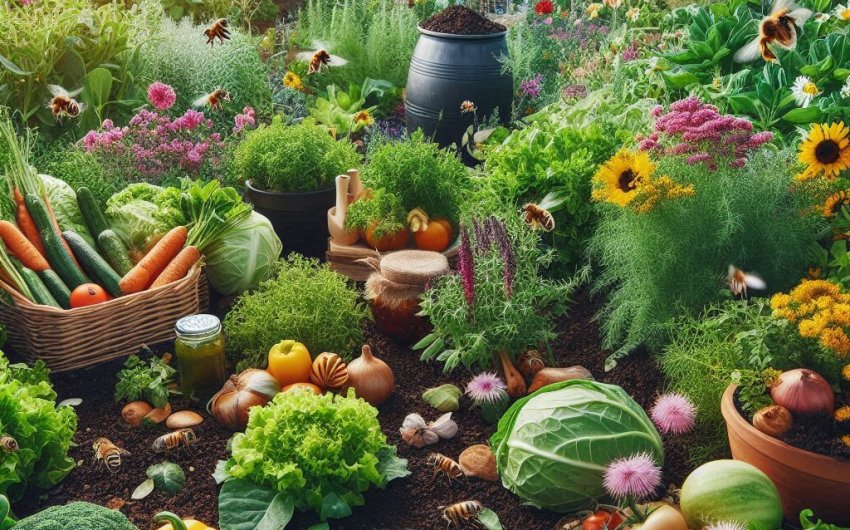
The best organic gardening practices for sustainable living revolve around fostering healthy soil, encouraging biodiversity, and minimizing reliance on external inputs while maximizing the natural processes of your garden ecosystem. These practices create a thriving, resilient garden that benefits both your harvest and the planet.
Why Embrace Organic Gardening for Sustainable Living?
Organic gardening isn't just a trend; it's a philosophy that aligns perfectly with sustainable living. It's about working with nature, not against it, to produce healthy food and a vibrant environment.
What are the Core Benefits of Organic Gardening?
- Healthier Soil, Healthier Plants: Organic practices focus on building living, fertile soil. This foundation leads to stronger, more resilient plants that are naturally more resistant to pests and diseases, and often more nutritious.
- Reduced Chemical Exposure: By eliminating synthetic pesticides, herbicides, and fertilizers, you protect your family, pets, and local wildlife from harmful chemical residues. Your food will be cleaner and safer to eat.
- Environmental Protection:
- Water Quality: Prevents chemical runoff into rivers, lakes, and groundwater.
- Air Quality: Reduces reliance on fossil fuels for chemical production and transportation.
- Biodiversity: Creates a haven for beneficial insects (pollinators, pest predators), birds, and other wildlife, fostering a diverse and balanced ecosystem.
- Water Conservation: Healthy soil, rich in organic matter, retains water more efficiently, reducing your watering needs and conserving precious resources.
- Climate Change Mitigation: Building healthy soil through organic practices sequesters carbon from the atmosphere, helping to combat climate change.
- Cost Savings: While there might be an initial investment in some tools or organic amendments, over time, reduced reliance on expensive synthetic inputs and increased soil fertility can lead to significant savings.
- Self-Sufficiency and Food Security: Growing your own organic food provides a direct connection to your food source and contributes to personal and local food security.
- Increased Enjoyment and Connection: There's immense satisfaction in nurturing a living, thriving garden and harvesting wholesome food grown sustainably.
What is the Foundation of Organic Gardening: Healthy Soil?
At the heart of all best organic gardening practices for sustainable living lies a profound emphasis on soil health. In organic gardening, soil is not just a medium to hold plants; it's a living, breathing ecosystem.
Key Principles of Organic Soil Building
- Feed the Soil, Not the Plant:
- Instead of directly feeding plants with synthetic soluble fertilizers, organic gardening focuses on providing organic matter that feeds the vast community of microorganisms in the soil.
- These microbes then break down the organic matter, converting nutrients into forms that plants can absorb naturally and steadily.
- Abundant Organic Matter:
- This is the cornerstone. Organic matter includes compost, aged manure, shredded leaves, and other decomposed plant materials.
- Benefits:
- Improves Soil Structure: Helps sandy soils hold water and nutrients, and loosens heavy clay soils for better drainage and aeration.
- Increases Water Retention: Acts like a sponge, holding moisture for plants.
- Boosts Nutrient Retention (CEC): Holds onto vital plant nutrients, preventing them from leaching away.
- Provides Slow-Release Nutrients: Continuously feeds plants as it decomposes.
- Feeds Soil Microbes: The essential food source for the entire soil food web.
- Minimize Soil Disturbance (No-Till or Reduced-Till):
- Tilling or digging excessively disrupts the delicate soil structure built by organic matter and the intricate networks of fungi and other microorganisms.
- Benefits:
- Preserves soil structure and pore spaces for air and water.
- Protects beneficial soil life, including mycorrhizal fungi.
- Reduces weed seed germination (many weed seeds are brought to the surface by tilling).
- Prevents erosion.
- Practices: Use a broadfork to loosen compacted soil without inverting layers. Dig only when necessary for planting.
- Cover Cropping:
- Planting specific crops (e.g., clover, vetch, oats, rye) during fallow periods (when the main crop isn't growing) is an excellent way to protect and build soil.
- Benefits:
- Prevents erosion.
- Suppresses weeds.
- Adds organic matter when tilled under or "chopped and dropped."
- Leguminous cover crops (clover, vetch) fix atmospheric nitrogen, enriching the soil.
- Improves soil structure with their root systems.
- Mulching:
- Applying a layer of organic material (shredded leaves, straw, wood chips, compost) on the soil surface.
- Benefits:
- Conserves moisture, reducing watering needs.
- Suppresses weeds, saving labor.
- Moderates soil temperature.
- Slowly breaks down, adding more organic matter and nutrients to the soil.
By prioritizing these practices, you transform inert dirt into a dynamic, living ecosystem that becomes increasingly fertile and self-sustaining over time, the ultimate goal of organic gardening for sustainable living.
How Does Composting Support Organic Gardening?
Composting is not just a practice within organic gardening; it's a central pillar. It embodies the essence of recycling and nutrient cycling, directly contributing to sustainable living by transforming waste into a valuable resource.
The Integral Role of Composting
Compost is often called "black gold" for good reason. It is the best soil amendment you can make or buy for organic gardening.
- Waste Diversion:
- Composting kitchen scraps and yard waste diverts a significant amount of material from landfills, reducing methane emissions (a potent greenhouse gas) and extending landfill lifespans. This is a direct contribution to sustainable living.
- Instead of being wasted, these materials are put to work enriching your garden.
- Creates Nutrient-Rich Soil Amendment:
- Compost is teeming with beneficial microorganisms and a wide array of balanced nutrients (macronutrients and micronutrients) that are readily available to plants.
- As it breaks down, it creates stable organic matter (humus) that profoundly improves soil structure.
- Improves Soil Health:
- Enhances Drainage and Aeration: In clay soils, compost makes them more friable and prevents compaction.
- Increases Water Retention: In sandy soils, compost acts like a sponge, holding onto moisture.
- Buffers pH: Helps stabilize soil pH, making nutrients more available.
- Suppresses Diseases: A healthy, diverse microbial population from compost can help suppress soil-borne plant diseases.
- Reduces Need for External Inputs:
- By producing your own high-quality compost, you reduce or eliminate the need to purchase synthetic fertilizers and other soil conditioners. This saves money and reduces your carbon footprint associated with manufacturing and transport.
- Feeds the Soil Food Web:
- Compost is the ideal food for earthworms, beneficial bacteria, fungi, and other soil organisms that are essential for a healthy, productive soil ecosystem.
- Methods of Composting:
- Hot Composting: Actively managed piles that reach high temperatures (130-160°F or 54-71°C) to break down materials quickly and kill weed seeds/pathogens. Requires a good C:N ratio, moisture, and frequent turning.
- Cold Composting: A slower, less intensive method where materials are simply piled up and allowed to decompose over time.
- Vermicomposting (Worm Composting): Uses earthworms (red wigglers) to break down kitchen scraps into nutrient-rich worm castings. Ideal for small spaces or indoors. You can get a worm composting bin.
- Bokashi Composting: An anaerobic fermentation process that "pickles" food scraps before they are buried or added to a regular compost pile. Reduces odors and can handle items not usually composted (meat, dairy). You can find Bokashi composting kits.
By incorporating composting into your gardening routine, you close the loop, turning your household and yard waste into a rich, life-giving resource, exemplifying the core principles of organic gardening for sustainable living.
How Can You Manage Pests and Diseases Organically?
One of the defining characteristics of organic gardening for sustainable living is the approach to pest and disease management. Instead of reaching for synthetic chemicals, organic gardeners focus on prevention and fostering natural defenses.
Non-Toxic Strategies for Pest and Disease Control
- Promote Plant Health (Prevention is Key):
- Healthy Soil: As mentioned, robust soil leads to strong, healthy plants that are naturally more resistant to pest and disease attacks.
- Right Plant, Right Place: Choose plant varieties suited to your climate, soil, and light conditions. Stressed plants are magnets for problems.
- Proper Watering & Nutrition: Avoid over-fertilizing (especially with nitrogen, which promotes tender growth attractive to aphids) and ensure consistent, appropriate watering to prevent stress.
- Good Air Circulation: Space plants adequately and prune for good airflow to reduce fungal diseases like powdery mildew.
- Encourage Beneficial Insects (Nature's Pest Control):
- Attract Predators: Plant a diverse array of flowers that provide nectar and pollen for beneficial insects. These include:
- Umbellifers: Dill, cilantro, fennel, parsley, Queen Anne's Lace (attracts parasitic wasps and hoverflies).
- Composites: Marigolds, asters, sunflowers, cosmos, zinnias (attracts ladybugs, lacewings).
- Other favorites: Yarrow, bee balm, sweet alyssum.
- Provide Habitat: Leave some undisturbed areas, brush piles, or hollow plant stems over winter for beneficial insects to shelter and overwinter.
- Avoid All Pesticides: Even "organic" pesticides can harm beneficials. Use them only as a last resort and with extreme caution. You can find general pollinator-friendly seeds.
- Attract Predators: Plant a diverse array of flowers that provide nectar and pollen for beneficial insects. These include:
- Mechanical and Physical Controls:
- Hand-Picking: Physically remove larger pests like hornworms, slugs, or Japanese beetles.
- Water Blasting: A strong spray of water from a hose can dislodge aphids, spider mites, and whiteflies.
- Row Covers: Lightweight floating row covers can protect seedlings from flying insects.
- Sticky Traps: Yellow sticky traps can monitor and trap flying pests like whiteflies and fungus gnats.
- Organic Sprays (Targeted & Last Resort):
- Use only when necessary and target the application.
- Insecticidal Soap: Effective against soft-bodied insects (aphids, mealybugs, spider mites). Works on contact by dissolving their waxy coating.
- Neem Oil: Acts as an anti-feedant, repellent, and insect growth regulator. Effective against a wide range of pests.
- Horticultural Oils: Smother overwintering pests and eggs.
- Homemade Solutions: Garlic or chili pepper sprays can act as repellents.
- Always test on a small area first. Apply in early morning or late evening when beneficials are less active.
- Crop Rotation:
- Change the location of your crops each year to break pest and disease cycles that are specific to certain plant families.
- Resistant Varieties:
- Choose disease-resistant plant varieties when available.
- Garden Hygiene:
- Remove and dispose of diseased plant material promptly (don't compost it unless your compost reaches very high temperatures).
- Clean tools after use on diseased plants to prevent spread.
By embracing these strategies, you develop a resilient garden ecosystem that manages pest and disease challenges naturally, reflecting the core values of organic gardening for sustainable living.
How Does Water Management Contribute to Sustainable Organic Gardening?
Efficient water management is a cornerstone of organic gardening for sustainable living. Water is a precious resource, and minimizing its waste while ensuring plants receive adequate moisture is environmentally responsible.
Sustainable Water Practices in Organic Gardens
- Improve Soil with Organic Matter:
- This is the single most effective water-saving strategy. Soil rich in organic matter acts like a giant sponge, holding vastly more water than bare or compacted soil.
- Benefits: Reduces runoff, increases infiltration, and extends the time between waterings.
- Use Mulch Heavily:
- Applying a 2-4 inch layer of organic mulch (shredded leaves, straw, wood chips) around your plants significantly reduces evaporation from the soil surface.
- Benefits: Keeps soil cooler, retains moisture, suppresses weeds (which compete for water), and slowly adds organic matter. You can find a variety of garden mulches.
- Water Deeply and Infrequently:
- Instead of light, frequent sprinkles, water deeply enough to penetrate the entire root zone of your plants. This encourages roots to grow deeper, making plants more resilient to dry spells.
- Benefit: Reduces surface evaporation and trains roots to seek water lower down.
- How to check: After watering, dig a small hole a few hours later to see how deep the water penetrated.
- Water at the Right Time:
- Early Morning: The best time to water. It minimizes evaporation (cooler temperatures, less wind) and allows foliage to dry before nightfall, reducing fungal disease risk.
- Avoid Midday: High evaporation rates.
- Avoid Evening: Leaves stay wet overnight, promoting fungal issues.
- Choose Efficient Watering Methods:
- Drip Irrigation or Soaker Hoses: Deliver water directly to the plant roots, minimizing waste from overspray or evaporation. Highly efficient. You can get drip irrigation kits for easy setup.
- Hand Watering (Targeted): If hand watering, focus the water at the base of the plant, avoiding wetting foliage unnecessarily.
- Avoid Sprinklers (Unless Specific Needs): Overhead sprinklers lose a lot of water to evaporation and can promote leaf diseases.
- Rainwater Harvesting:
- Install a rain barrel to collect rainwater from your roof. This reduces reliance on municipal water and utilizes a free, natural resource. Rainwater is also often better for plants as it's chlorine-free.
- Group Plants by Water Needs (Hydrozoning):
- Design your garden by placing plants with similar water requirements together. This allows you to water different zones according to their specific needs, avoiding over or under-watering.
- Choose Drought-Tolerant Plants (Xeriscaping):
- In drier climates, select native plants or those known for their drought tolerance. Once established, these plants require minimal supplemental watering.
By implementing these smart water management techniques, you conserve a vital resource and foster a more resilient and truly sustainable organic garden.
What Role Does Biodiversity Play in Organic Gardening?
Biodiversity is a fundamental concept that underpins all the best organic gardening practices for sustainable living. It's about creating a rich tapestry of life, both above and below the soil, to build a resilient and self-regulating ecosystem.
Why Diversity is Key for a Sustainable Organic Garden
- Attracts Beneficial Insects:
- Pollinators: A wide variety of flowering plants ensures a continuous supply of nectar and pollen for bees, butterflies, hummingbirds, and other pollinators, which are essential for fruit and vegetable production.
- Pest Predators: Diverse plantings attract a broad range of natural enemies for garden pests (e.g., ladybugs, lacewings, hoverflies, parasitic wasps). These predators keep pest populations in check naturally, reducing the need for intervention.
- Breaks Pest and Disease Cycles:
- Crop Rotation: Rotating crops prevents specific pests and diseases from building up in the soil year after year, as their host plant is moved.
- Interplanting/Companion Planting: Mixing different plant species can confuse pests, repel them, or act as trap crops, diverting pests away from vulnerable plants.
- Disrupts Monocultures: Large monocultures (single crop fields) are highly susceptible to widespread pest outbreaks. Diverse gardens offer more resistance.
- Enhances Soil Health:
- Diverse Root Exudates: Different plant roots release different compounds into the soil, feeding a wider array of soil microorganisms and creating a more robust soil food web.
- Improved Soil Structure: Diverse root systems help build and stabilize soil aggregates, improving aeration, drainage, and water retention.
- Nutrient Cycling: A greater variety of microbes means more efficient cycling and mineralization of nutrients, making them available to plants.
- Provides Habitat and Shelter:
- A diverse garden offers varied hiding spots, nesting sites, and overwintering locations for a multitude of creatures, from ground beetles to birds, all of which play a role in the garden's ecosystem.
- Promotes Genetic Diversity:
- Growing a variety of plant species and even different varieties within the same species makes your garden more resilient to new challenges (e.g., a new disease might wipe out one variety but not another).
- Aesthetic Appeal:
- Beyond functionality, a biodiverse garden is simply more beautiful and interesting! It offers a changing landscape of colors, textures, and life throughout the seasons.
Practices for Enhancing Biodiversity:
- Plant Native Species: Native plants are best adapted to your local climate and often provide the best resources for native pollinators and wildlife.
- Succession Planting: Plan for continuous blooms throughout the growing season to provide a steady food source for pollinators.
- Layering: Include plants of different heights (groundcovers, perennials, shrubs, small trees) to create varied niches.
- Mix Herbs, Vegetables, and Flowers: Don't stick to separate beds. Interplant them.
- Avoid Overly "Tidy" Gardening: Leave some leaf litter, spent plant stalks, or brush piles for overwintering insects.
- Create Water Features: Even a shallow dish with rocks can attract pollinators and beneficials.
By actively cultivating biodiversity, you move beyond simply growing plants to creating a vibrant, self-regulating ecosystem, which is the ultimate expression of organic gardening for sustainable living.
How Can You Implement Organic Solutions and Sustainable Practices in Your Garden?
Implementing the best organic gardening practices for sustainable living is a journey, not a destination. It involves integrating various techniques into a holistic approach, continuously observing, and adapting.
Practical Steps for a Sustainable Organic Garden
- Start Small, Learn, and Expand:
- Don't overhaul your entire garden at once. Pick one bed or a small area to transform using organic principles.
- Observe how it responds, learn from your successes and challenges, then gradually expand to other areas.
- This makes the transition manageable and enjoyable.
- Conduct a Garden Audit:
- Assess your current practices: What chemicals are you using? How much water? What waste are you generating?
- Test your soil to know its baseline.
- Understand your climate, sun exposure, and microclimates.
- Prioritize Soil Building:
- Compost is Your Best Friend: Start a compost bin for kitchen scraps and yard waste. Use finished compost generously as a soil amendment and top-dressing.
- Mulch Heavily: Consistently apply organic mulches like shredded leaves, straw, or aged wood chips.
- Minimize Tilling: Adopt no-till or reduced-till practices to preserve soil structure.
- Embrace Biodiversity:
- Plant Diversely: Choose a wide variety of plants, including natives, herbs, flowers, and vegetables.
- Attract Beneficials: Plant flowers that provide nectar and pollen to draw in pollinators and natural pest predators.
- Provide Habitat: Create spaces for wildlife (water sources, brush piles, diverse plantings).
- Manage Water Wisely:
- Install Rain Barrels: Collect rainwater for irrigation.
- Use Drip Irrigation/Soaker Hoses: For efficient watering directly at the root zone.
- Water Deeply & Infrequently: To encourage deep roots.
- Go Pesticide-Free:
- Commit to eliminating all synthetic pesticides, herbicides, and fungicides.
- Learn to identify and tolerate a certain level of pests, and use organic pest control methods only as a last resort.
- Choose Organic Seeds & Plants:
- Start with organic seeds and plants to ensure they haven't been treated with harmful chemicals. Support local nurseries that practice organic methods.
- Practice Crop Rotation:
- Rotate your vegetable crops annually to break disease and pest cycles and balance nutrient use.
- Recycle and Repurpose:
- Find creative ways to reuse materials in your garden (e.g., old tires for planters, plastic bottles for irrigation).
- Observe and Adapt:
- Spend time in your garden, observing plant health, pest activity, soil moisture, and pollinator visits.
- Keep a garden journal to track what works and what doesn't.
- Organic gardening is a continuous learning process.
By diligently applying these integrated organic gardening practices for sustainable living, you not only cultivate a bountiful garden but also contribute positively to the health of your local environment and the planet as a whole.