
How to Grow Organic Zucchini with Natural Fertilizers?
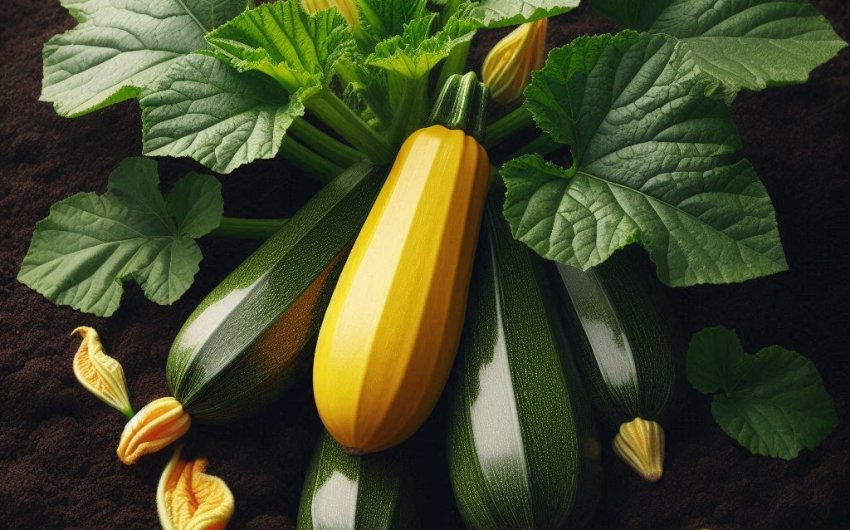
Ah, zucchini! It's the quintessential summer squash, known for its rapid growth and abundant harvests. Many gardeners joke about having "too much" zucchini, but there's a good reason for its popularity: it's incredibly versatile and relatively easy to grow. If you're committed to organic gardening, growing zucchini means you want to ensure those prolific fruits are free from synthetic chemicals. This requires focusing on building healthy soil and providing nourishment using only natural fertilizers. This guide will walk you through everything you need to know about how to grow organic zucchini with natural fertilizers, ensuring you get a bountiful, delicious, and chemical-free harvest all summer long.
Why Choose Organic for Zucchini?
Zucchini is a fast-growing, heavy producer. When grown conventionally, it can be exposed to a lot of synthetic fertilizers and pesticides. Opting for organic zucchini is a smart choice for several reasons:
- Healthier Produce: No chemical residues on your fruits, meaning safer and cleaner food for your family.
- Healthier Soil: Natural fertilizers feed the soil's microbes, improving its long-term fertility and structure, rather than depleting it.
- Environmental Protection: No harmful chemicals washing into waterways or harming beneficial insects and wildlife.
- Better Flavor: Many organic gardeners swear that naturally grown vegetables taste better, a result of balanced nutrients and a thriving soil ecosystem.
Step 1: Choosing Your Organic Zucchini Varieties
Zucchini comes in various shapes, sizes, and colors (though most are green or yellow). Some varieties are bushier, while others vine more, which matters for space.
Key Considerations:
- Bush vs. Vining: If you have limited space, look for "bush" varieties like 'Black Beauty' or 'Golden Zucchini'. If you have more room or plan to trellis, vining types can be highly productive.
- Disease Resistance: Some varieties offer natural resistance to common squash diseases like powdery mildew. This is a great advantage for organic growers.
- Organic Seeds: Always start with certified organic zucchini seeds. This ensures your plants begin their lives without exposure to synthetic treatments. You can find many varieties of organic zucchini seeds from reputable suppliers.
Step 2: Preparing the Soil for Organic Zucchini (Heavy Feeders!)
Zucchini are heavy feeders, meaning they need a lot of nutrients to produce all that fruit. They thrive in rich, well-drained soil with a slightly acidic to neutral pH (6.0-7.0).
The Foundation: Plenty of Organic Matter
This is the most critical step. Build your soil!
- Compost: Mix a generous amount of well-rotted organic compost into your planting area. Aim for 4-6 inches of compost mixed into the top 12-18 inches of soil. Compost provides a balanced slow-release of nutrients and is packed with beneficial microbes. This is non-negotiable for organic zucchini. You can find high-quality organic compost or make your own.
- Aged Manure: If you have access to well-rotted (aged at least 6-12 months) animal manure (cow, horse, chicken), mix in 1-2 inches. It's a fantastic nutrient source.
- Worm Castings: Add a few shovelfuls of organic worm castings to the planting hole or mix them into your bed. They provide gentle nutrients and boost microbial activity. You can find organic worm castings readily.
Soil pH Check:
A soil test is always recommended. If your pH is outside the 6.0-7.0 range, you may need to amend it.
- Too Acidic: Add dolomitic lime (provides calcium and magnesium too).
- Too Alkaline: Add elemental sulfur. Follow package directions carefully, as pH adjustments work slowly.
Step 3: Planting Organic Zucchini
Zucchini plants grow large, so give them plenty of space!
When to Plant:
- Zucchini loves warmth. Plant after all danger of frost has passed and soil temperatures are consistently above 60°F (15°C). Nighttime temperatures should also be consistently warm.
- You can start seeds indoors 3-4 weeks before your last frost date for an earlier harvest, but direct sowing is usually preferred if your season is long enough, as zucchini doesn't like root disturbance.
Planting Method:
- Direct Sow: Plant seeds 1 inch deep and about 3-4 feet apart in mounds or rows (for bush varieties). For vining types, allow even more space (6-8 feet).
- Mound Planting: Many gardeners prefer to plant zucchini in "mounds" or "hills" about 1 foot across. Plant 2-3 seeds per mound, and once they sprout, thin to the strongest 1-2 plants. This improves drainage and warms the soil faster.
- Container Growing: For small spaces, you can grow organic zucchini in containers (at least 15-20 gallons) using bush varieties. Ensure excellent drainage.
Step 4: Watering Organic Zucchini (Crucial for Fruit Set!)
Consistent watering is vital for zucchini, especially once they start flowering and fruiting. Inconsistent watering can lead to problems like misshapen fruit or even plant stress that attracts pests.
- Deep and Consistent: Water deeply and regularly, aiming for 1 inch of water per week (more in hot, dry weather). Ensure the water penetrates at least 6-8 inches into the soil.
- Avoid Overhead Watering: Watering the leaves can encourage fungal diseases like powdery mildew. Use a drip irrigation system or soaker hoses to deliver water directly to the base of the plant. A soaker hose kit is perfect for efficient, organic watering.
- Mulch Heavily: A 2-4 inch layer of organic mulch (straw, shredded leaves, grass clippings) around your zucchini plants is essential. Mulch helps retain soil moisture, keeps roots cool, and suppresses weeds. A bale of garden straw mulch is an economical choice.
Step 5: Fertilizing Organic Zucchini with Natural Fertilizers
Since zucchini are heavy feeders, they benefit from supplemental feeding throughout the season, even after initial soil preparation. Focus on natural fertilizers that release nutrients slowly.
Organic Fertilizer Options:
- Compost (Ongoing): Top-dress around your zucchini plants with a few inches of organic compost every 4-6 weeks. Gently scratch it into the soil. This provides a balanced, slow-release feed.
- Alfalfa Meal: A fantastic, balanced organic fertilizer (around 2-1-2 NPK). It contains natural growth hormones and improves soil. Side-dress with 1/2 to 1 cup around each plant every 3-4 weeks once they start flowering. Gently scratch it in and water well. A bag of organic alfalfa meal is very versatile.
- Fish Emulsion: A liquid organic fertilizer (often 5-1-1 NPK) that provides a quick nitrogen boost, along with other nutrients. Use diluted as a liquid feed every 2-3 weeks, especially when plants are young and when they start fruiting. Follow package directions for dilution. Be aware of the smell! A quality organic fish emulsion is a good liquid option.
- Worm Castings: Top-dress with a handful of worm castings around each plant for a gentle, continuous feed and microbial boost.
- Balanced Organic Granular Fertilizer: If your soil test indicates a general nutrient need, use a granular balanced organic vegetable fertilizer according to package directions, typically mixed into the soil at planting and then side-dressed once or twice during the season.
Important Note on Nitrogen:
While zucchini needs nitrogen, avoid excessive high-nitrogen fertilizers once flowering starts. Too much nitrogen can lead to lush leafy growth at the expense of fruit production. Focus on balanced organic feeds or those that also provide phosphorus (P) for flowering and potassium (K) for fruiting.
Step 6: Organic Pest and Disease Management for Zucchini
Zucchini can face a few common pest and disease challenges, but organic methods are very effective.
1. Squash Vine Borers: The Stealthy Killers
These are notorious! The larvae tunnel into the stems, causing sudden wilting and plant death.
- Identification: Look for frass (sawdust-like excrement) near holes in stems. The adult is a black moth with orange markings that looks like a wasp.
- Organic Treatment:
- Prevention is Key!: Wrap lower stems with aluminum foil or nylon stockings at planting time to deter borers.
- Monitor: Inspect stems daily for frass. If you see it, carefully slit the stem with a knife and remove the larva, then bury the stem.
- Bt (Bacillus thuringiensis): Some gardeners inject Bt (a natural bacterium) into the stems as a preventative, or spray it on young plants. A Bt spray is organic and effective against caterpillars.
- Succession Planting: Plant a new batch of zucchini every few weeks to ensure continuous harvest even if some plants succumb.
2. Squash Bugs: Sap Suckers
- Identification: Flat, grayish-brown shield-shaped bugs found on leaves and stems. Lay clusters of shiny, reddish-brown eggs on undersides of leaves.
- Organic Treatment:
- Hand-Picking: Inspect daily and hand-pick adults and nymphs. Drop them into a bucket of soapy water.
- Scrape Eggs: Scrape off and destroy egg clusters.
- Trap Board: Place a board near plants overnight; collect hiding bugs in the morning.
- Row Covers: Protect young plants, but remove when flowering for pollination.
- Neem Oil: Can deter nymphs and deter adults.
3. Cucumber Beetles: Chewers and Disease Spreaders
- Identification: Small (1/4 inch) beetles, either striped or spotted. Chew holes in leaves and can spread bacterial wilt.
- Organic Treatment:
- Row Covers: Cover plants until flowering begins.
- Yellow Sticky Traps: Attract and trap beetles. Hang yellow sticky traps near plants.
- Companion Planting: Plant radishes as a trap crop, or tansy to deter them.
4. Aphids: Common Sap Suckers
- Identification: Small, soft-bodied insects clustering on new growth.
- Organic Treatment: Water blast, hand-squishing, attracting beneficial insects (ladybugs!), insecticidal soap, Neem oil. An organic insecticidal soap spray is effective.
5. Powdery Mildew: Fungal Disease
- Identification: White, powdery patches on leaves, especially in late summer. Can weaken plants.
- Organic Treatment:
- Prevention: Ensure good air circulation (proper spacing), avoid overhead watering, and choose resistant varieties.
- Neem Oil: Has fungicidal properties; can help prevent or slow spread.
- Milk Spray: A diluted milk spray (1 part milk to 9 parts water) can sometimes treat it.
- Baking Soda Spray: Mix 1 tablespoon baking soda, 1 tablespoon vegetable oil, and a few drops of mild liquid soap in a gallon of water. Spray infected leaves thoroughly.
Step 7: Pollination for Fruit Set
Zucchini plants have separate male and female flowers. Pollination (transferring pollen from male to female flowers) is essential for fruit development.
- Attract Pollinators: Plant pollinator-friendly flowers nearby (marigolds, cosmos, sunflowers).
- Hand Pollination: If you're not seeing good fruit set (e.g., tiny zucchinis shriveling up), you can hand pollinate. Identify male flowers (on a thin stem) and female flowers (have a tiny zucchini at their base). Use a small paintbrush or cotton swab to collect pollen from a male flower and transfer it to the sticky stigma inside a female flower.
Step 8: Harvesting Organic Zucchini
Zucchini grows incredibly fast!
- Harvest Often: Check your plants daily once they start producing. Harvest when fruits are young and tender (6-8 inches long).
- Don't Let Them Get Big: Large zucchini get seedy and less flavorful. Harvesting regularly also encourages the plant to produce more.
- Use a Knife: Cut the stem, leaving an inch or two attached to the fruit. Pulling can damage the plant.
By focusing on incredibly rich organic soil, providing consistent water and natural fertilizers, and implementing smart organic pest control, you can master how to grow organic zucchini and enjoy a truly bountiful and delicious harvest, all season long. Get ready for an abundance of green (or yellow!) goodness from your chemical-free garden!