
How to Control Whiteflies Organically in Home Gardens?
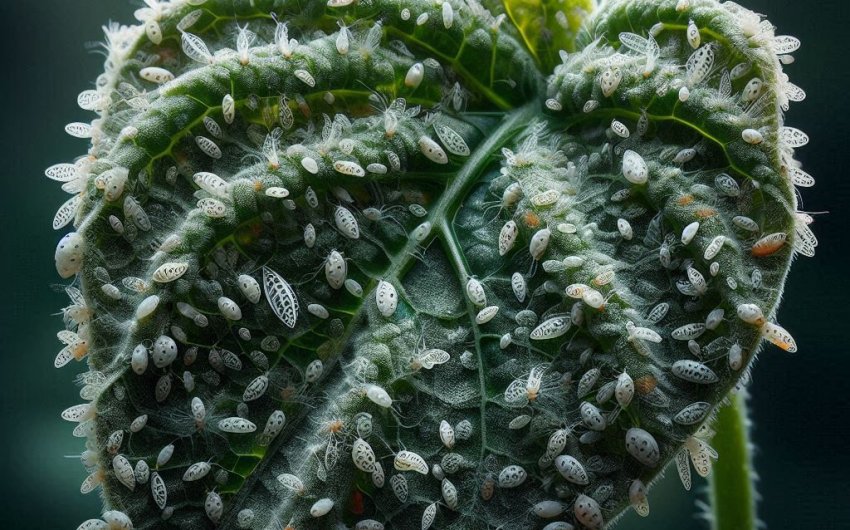
To control whiteflies organically in home gardens, employ a multi-pronged approach combining cultural practices like careful watering and weeding, physical removal methods such as spraying and sticky traps, and the encouragement of natural predators. Consistency is key for managing these persistent pests without chemicals.
What Exactly Are Whiteflies and Why Are They a Problem?
Whiteflies are tiny, winged insects that are common and highly annoying pests in home gardens, especially on vegetables and ornamental plants. Understanding their life cycle and the damage they cause is the first step in effective organic control.
What Do Whiteflies Look Like?
- Adults: Small (about 1/16 to 1/10 inch long), moth-like insects with powdery white wings. When disturbed, they typically fly up in a cloud from the undersides of leaves.
- Nymphs ("Crawlers"): The immature stage. Very tiny, flat, oval, and scale-like, often translucent or pale green/yellow. They are immobile and attach themselves to the undersides of leaves, looking like tiny translucent scales.
- Eggs: Very small, often laid in circular patterns on the undersides of leaves.
The Whitefly Life Cycle
Whiteflies undergo incomplete metamorphosis, meaning they don't have a pupal stage like butterflies.
- Eggs: Laid by female adults, typically on the undersides of young leaves. They hatch in a few days to a few weeks, depending on temperature.
- Nymphs (Instars): The first nymph stage is mobile and called a "crawler." It moves a short distance to find a suitable feeding spot, then settles down, sheds its skin, and becomes immobile for the rest of its nymphal stages. These look like tiny, flat scales.
- Pupae ("Pupal Case" or "Pupa"): The final nymphal stage is sometimes called a "pupa" or "pupal case," though it's not a true pupa. This stage is also immobile and attaches to the leaf surface, appearing more opaque.
- Adults: Emerge from the pupal case, mate, and the cycle repeats.
The entire life cycle can be as short as 2-3 weeks in warm conditions, leading to rapid population explosions. Adults and nymphs are typically found on the undersides of leaves.
Why Are Whiteflies a Problem in the Garden?
Whiteflies cause damage in several ways:
- Sap Sucking: Both adult and nymph whiteflies have piercing-sucking mouthparts that they use to extract sap from plant leaves and stems.
- Direct Damage: This feeding weakens the plant, leading to yellowing, wilting, stunted growth, and premature leaf drop. Severe infestations can kill young plants or drastically reduce yields.
- Honeydew Excretion: As whiteflies feed, they excrete a sticky, sugary substance called "honeydew."
- Sooty Mold: Honeydew coats leaves and stems, creating a perfect medium for the growth of sooty mold (a black, powdery fungus). Sooty mold blocks sunlight from reaching the leaves, impairing photosynthesis and further stressing the plant.
- Attracts Ants: Ants are attracted to honeydew and will "farm" whiteflies (and other honeydew-producing pests like aphids and scale) to collect it, sometimes protecting them from natural predators.
- Virus Transmission: Some species of whiteflies can transmit plant viruses as they feed from one plant to another. This can cause widespread and severe damage to crops, even if the whitefly population itself isn't massive.
- Rapid Reproduction: Their quick life cycle and high reproductive rate mean populations can explode rapidly, making them difficult to control once established.
Controlling whiteflies organically requires vigilance and a combination of strategies to break their life cycle and reduce their numbers.
What Are the Best Cultural Practices to Prevent Whiteflies?
Cultural practices are your first line of defense against whiteflies, focusing on creating a healthy garden environment that discourages pest infestations and reduces their ability to take hold.
1. Inspect New Plants Thoroughly
- Quarantine: Before bringing any new plants into your garden or even placing them near existing plants, inspect them meticulously. Check the undersides of leaves for adults, nymphs, or eggs.
- Isolate: If you find any signs of whiteflies, isolate the new plant immediately. Treat it before introducing it to your main garden.
2. Practice Good Garden Hygiene (Sanitation)
- Remove Infested Leaves: As soon as you spot an infested leaf, particularly if the infestation is localized, prune it off and dispose of it in a sealed bag (not in compost unless your compost pile heats up reliably to kill pests).
- Remove Plant Debris: Keep your garden clean by regularly removing dead leaves, spent plants, and weeds. These can provide hiding spots for whiteflies and their eggs.
- Clean Up Weeds: Many common weeds can act as host plants for whiteflies, allowing populations to build up before moving to your desired crops. Regular weeding around your plants reduces these breeding grounds.
3. Provide Proper Plant Care
- Healthy Plants are More Resistant: Stressed plants are more vulnerable to pest infestations. Ensure your plants receive adequate water, appropriate sunlight, and balanced nutrition.
- Watering: Don't let plants get overly dry, which stresses them. Water consistently and deeply.
- Fertilization: Avoid excessive nitrogen fertilization, which can promote lush, soft, new growth that is particularly attractive to whiteflies and other sap-sucking pests. Use balanced fertilizers or organic amendments like compost.
- Proper Spacing: Ensure adequate air circulation between plants. Overcrowding can create humid, sheltered environments that whiteflies prefer and makes it easier for them to spread from plant to plant.
4. Companion Planting
- Repellent Plants: Some plants are believed to deter whiteflies.
- Marigolds: French marigolds (Tagetes patula) are often planted near susceptible crops.
- Nasturtiums: While they can sometimes act as a trap crop, some gardeners find them repellent.
- Herbs: Aromatic herbs like basil, mint, and cilantro are sometimes interplanted, as whiteflies may dislike their strong scents.
- Trap Crops: Plant a sacrificial "trap crop" that whiteflies prefer, away from your main plants. Once the trap crop is heavily infested, remove and destroy it entirely (or treat it aggressively). Examples can include certain varieties of squash or collard greens.
5. Crop Rotation
- Break the Cycle: If you've had whitefly problems on specific crops (like tomatoes, peppers, squash) in one area, rotate those crops to a different part of your garden in subsequent seasons. This helps break the pest's life cycle in that specific soil area.
By implementing these cultural practices, you create a less inviting environment for whiteflies, making your garden more resilient and less prone to severe infestations, forming the base of organic control.
What Are the Best Physical and Mechanical Methods for Whitefly Control?
Once whiteflies have appeared in your garden, physical and mechanical methods offer immediate, non-toxic ways to reduce their populations. These methods are most effective when applied consistently and at the first sign of infestation.
1. Hand-Washing and Hosing Down
- Immediate Impact: For light to moderate infestations, a strong stream of water is often surprisingly effective.
- Method:
- Hold the affected leaf firmly (especially the underside where whiteflies hide).
- Use a strong spray from a garden hose to blast whiteflies off the plant. Focus on the undersides of leaves where nymphs and eggs reside.
- Repeat every 2-3 days, as necessary, to dislodge newly hatched nymphs and persistent adults.
- Timing: Do this in the morning so leaves have time to dry, which helps prevent fungal diseases.
- Benefit: Physically removes pests without chemicals. Can also disrupt their feeding and egg-laying.
2. Vacuuming
- Targeting Adults: A handheld vacuum cleaner can be surprisingly effective at removing adult whiteflies.
- Method:
- Use a small handheld vacuum with a hose attachment.
- Carefully vacuum the undersides of leaves, disturbing the plant gently so the adults fly up into the vacuum.
- Ensure the vacuum has a disposable bag or canister that can be emptied into soapy water immediately after use to kill the collected whiteflies.
- Timing: Best done in the morning when whiteflies are less active.
- Benefit: Quickly reduces the adult breeding population.
3. Yellow Sticky Traps
- Attract and Trap: Whiteflies are strongly attracted to the color yellow. Sticky traps exploit this.
- Method:
- Place Yellow Sticky Traps strategically throughout your garden, especially near susceptible plants or where you've seen whiteflies. Hang them just above the plant canopy.
- Change traps regularly once they are covered with insects.
- Benefit: Reduces adult whitefly populations, and also serves as an excellent monitoring tool to detect infestations early.
- Caution: Sticky traps can also catch beneficial insects. Place them strategically and consider their use primarily as a monitoring tool in conjunction with other methods.
4. Reflective Mulch
- Repellent Effect: Reflective mulches, typically metallic or white plastic sheeting, confuse whiteflies and deter them from landing on plants.
- Method: Lay reflective mulch on the soil surface around susceptible plants.
- Benefit: Can be highly effective in reducing initial infestations by preventing whiteflies from landing and colonizing plants.
- Consideration: May increase soil temperature, which might not be ideal for all plants in very hot climates. Ensure it's permeable to allow water penetration or use drip irrigation.
5. Row Covers
- Physical Barrier: Floating row covers create a physical barrier that prevents whiteflies (and other flying insects) from reaching your plants.
- Method:
- Drape lightweight Floating Row Covers over hoops or directly over plants.
- Ensure edges are securely sealed with soil or weights to prevent pests from crawling underneath.
- Benefit: Provides excellent protection against whiteflies and other pests without any sprays.
- Consideration: Must be removed for pollination of fruiting plants (like tomatoes and squash) once flowers appear. Can trap heat in very hot climates.
These physical and mechanical methods provide direct action against whiteflies without introducing any chemicals into your garden, aligning perfectly with organic gardening principles.
What Are the Best Organic Sprays for Whitefly Control?
When cultural and mechanical methods aren't enough to control whiteflies, organic insecticidal sprays can provide an effective knockdown without resorting to synthetic pesticides. These sprays work by suffocating, dehydrating, or disrupting the pests' feeding.
1. Insecticidal Soap
- How it Works: Insecticidal soaps are made from potassium salts of fatty acids. They work by disrupting the cell membranes of soft-bodied insects, causing them to dehydrate and die. They have very low toxicity to mammals and beneficial insects once dry.
- Target: Effective against whiteflies (adults and nymphs), aphids, mealybugs, and spider mites.
- Method:
- Dilute a commercial Insecticidal Soap Concentrate according to package directions. Do not use dish soap, as it can contain detergents and degreasers harmful to plants.
- Spray thoroughly, ensuring complete coverage of all plant surfaces, especially the undersides of leaves where whiteflies hide. Contact with the pest is essential for it to work.
- Repeat applications every 5-7 days for several weeks to catch new hatches, as insecticidal soap has no residual effect once dry.
- Timing: Apply in the early morning or late evening to avoid spraying in direct sun, which can cause leaf burn.
- Caution: Test on a small area of the plant first to check for sensitivity. Some plants can be sensitive to soap.
2. Neem Oil
- How it Works: Neem oil is a natural botanical extract from the neem tree (Azadirachta indica). It works in multiple ways:
- Antifeedant: Deters pests from feeding.
- Growth Regulator: Disrupts the insect's life cycle and molting.
- Repellent: Deters egg-laying.
- Suffocant: Can suffocate soft-bodied insects on contact.
- Target: Effective against whiteflies (all stages), aphids, spider mites, mealybugs, and many other garden pests. Also has some fungicidal properties.
- Method:
- Mix a cold-pressed Neem Oil Concentrate with water and a small amount of insecticidal soap (as an emulsifier) according to package directions.
- Spray thoroughly, coating all plant surfaces, especially leaf undersides.
- Repeat applications every 7-10 days for several weeks.
- Timing: Apply in the early morning or late evening to avoid spraying in direct sun and to protect pollinators (once dry, it's generally safe).
- Caution: Test on a small area first. Avoid spraying open blooms to protect pollinators.
3. Horticultural Oils
- How it Works: Horticultural oils (often mineral oil or plant-based oils) work by coating and suffocating soft-bodied insects, including eggs and nymphs.
- Target: Effective against whiteflies, scale, mites, and aphid eggs.
- Method:
- Dilute a commercial Horticultural Oil according to instructions.
- Spray thoroughly to ensure complete coverage.
- Timing: Apply during cooler parts of the day. Some oils are "dormant oils" for winter, others "summer oils" for growing season.
- Caution: Do not apply on hot, sunny days (above 85-90°F / 29-32°C) or on stressed plants, as it can cause leaf burn. Some plants are sensitive.
General Tips for Organic Sprays
- Read Labels: Always follow the specific instructions on the product label regarding dilution, application frequency, and safety precautions.
- Thorough Coverage: These sprays work by contact. You must hit the pest for it to be effective. Focus on the undersides of leaves where whiteflies live.
- Repeat Applications: A single application is rarely enough to break the pest's life cycle. Consistency is key.
- Patience: Organic methods often work slower than synthetic chemicals but are safer for your garden ecosystem.
- Test Patch: Always test the spray on a small, inconspicuous part of the plant first to ensure there's no adverse reaction before spraying the entire plant.
By integrating these organic sprays with cultural and mechanical controls, you can effectively manage whitefly populations in your home garden.
How Can I Encourage Beneficial Insects to Control Whiteflies?
Encouraging natural predators and parasites is one of the most powerful and sustainable organic strategies for controlling whiteflies. By attracting and supporting these helpful insects, you can create a self-regulating pest control system in your garden.
1. Attract Generalist Predators
Many beneficial insects feed on whiteflies and other soft-bodied pests.
- Ladybugs (Lady Beetles): Both adult ladybugs and their larvae are voracious predators of whiteflies, aphids, and other small insects.
- Attract: Plant dill, cilantro, fennel, caraway, calendula, yarrow, or cosmos. These plants provide nectar and pollen for adult ladybugs. You can also Buy Live Ladybugs to release in your garden.
- Lacewings (Green and Brown): Lacewing larvae are extremely effective predators, often called "aphid lions." They also eat whiteflies, mealybugs, and spider mites.
- Attract: Plant dill, coriander, angelica, sweet alyssum, or cosmos. You can also Buy Lacewing Eggs for release.
- Minute Pirate Bugs: Small, but fierce predators of whiteflies, thrips, spider mites, and aphid eggs.
- Attract: Plant cosmos, daisies, or goldenrod.
- Spiders: Most spiders are generalist predators that will prey on whiteflies. Leave spiderwebs undisturbed where practical.
2. Introduce Specific Parasitoids
Some beneficial insects are highly specialized parasites of whiteflies, laying their eggs inside whitefly nymphs.
- Encarsia formosa: A tiny parasitic wasp that lays its eggs inside whitefly nymphs, turning them into black "mummies" as the wasp develops. It's particularly effective in greenhouses but can work outdoors in sheltered conditions.
- Buy/Release: Can be purchased as Encarsia formosa Pupae for release onto infested plants. Best for ongoing control of persistent infestations.
- Delphastus catalinae: A tiny black lady beetle whose adults and larvae feed voraciously on all stages of whiteflies, with a preference for eggs and nymphs.
- Buy/Release: Can also be purchased for targeted release.
3. Create a Habitat for Beneficial Insects (Insectary Plants)
- Provide Nectar and Pollen: Many adult beneficial insects (like ladybugs and lacewings) feed on nectar and pollen from flowers, especially those with small, open florets. Planting a diverse range of flowers throughout your garden will attract and sustain them.
- Diversity is Key: A diverse garden with various plant types provides shelter, alternative food sources, and breeding sites for a wider range of beneficial insects.
- Avoid Pesticides: The most crucial step in encouraging beneficial insects is to avoid broad-spectrum chemical pesticides, as these kill beneficials along with pests, often leading to a resurgence of pests as their natural enemies are eliminated. If you must spray, use targeted organic sprays like insecticidal soap or neem oil, and spray only directly on affected plants, in the early morning or late evening when beneficials are less active.
4. Provide Water Sources
- Shallow Water: A shallow birdbath or a dish with pebbles and water can provide a drinking source for beneficial insects, especially during dry periods.
5. Allow Some Pest Presence
- Food Source: To sustain a population of beneficial insects, there needs to be a small population of pests for them to feed on. A perfectly "clean" garden (achieved only through constant heavy spraying) will not support beneficials. The goal is balance.
By consciously designing your garden to be attractive to beneficial insects and minimizing harm to them, you empower nature to help control whiteflies and create a healthier, more resilient garden ecosystem.
What Are Common Challenges When Organically Controlling Whiteflies?
While organic methods offer a sustainable approach to whitefly control, they come with their own set of challenges that gardeners should be aware of. Understanding these hurdles can help you adjust your expectations and refine your strategies.
1. Persistence and Rapid Life Cycle
- Challenge: Whiteflies reproduce extremely quickly, especially in warm climates. Their life cycle can be as short as 2-3 weeks from egg to adult. This means new generations are constantly emerging.
- Implication for Control: A single application of any organic spray is never enough. You must commit to repeated applications (e.g., every 5-7 days for 2-3 weeks) to target different life stages as they emerge. If you miss a cycle, the population can bounce back quickly.
2. Location on Undersides of Leaves
- Challenge: Whiteflies (adults, nymphs, and eggs) almost exclusively reside on the undersides of leaves.
- Implication for Control: Thorough coverage is absolutely critical for contact sprays like insecticidal soap or horticultural oil to work. This requires diligent effort to spray every leaf, top and bottom, which can be time-consuming, especially on large or dense plants. Missed areas become refuges for the population to rebuild.
3. Flying Adults vs. Immobile Nymphs
- Challenge: You have to deal with two different life stages with different vulnerabilities. Adults fly away when disturbed, making them hard to hit with sprays. Nymphs are immobile but are often protected by a waxy coating.
- Implication for Control: Methods like vacuuming and sticky traps target adults. Sprays target both adults and nymphs (though nymphs are often more vulnerable). A combined approach is necessary.
4. Environmental Conditions
- Challenge: Whiteflies thrive in warm, sheltered conditions, and can be particularly problematic in greenhouses or sheltered garden areas. Low humidity can increase spider mite problems, which often co-occur with whiteflies.
- Implication for Control: Creating good air circulation (proper plant spacing, pruning) and avoiding excessively humid microclimates can help. In dry, hot conditions, regular hosing down can both physically remove whiteflies and increase humidity.
5. Sooty Mold and Honeydew
- Challenge: The honeydew excreted by whiteflies can lead to the growth of sooty mold, which doesn't directly harm the plant but blocks sunlight and makes leaves unsightly.
- Implication for Control: While addressing the whiteflies will stop honeydew production, you may need to gently wipe leaves down with a damp cloth to remove existing sooty mold and improve photosynthesis.
6. Attracting Beneficial Insects Takes Time
- Challenge: While encouraging beneficial insects is a cornerstone of organic control, it's not an instant solution. It takes time to establish a stable population of predators and parasites.
- Implication for Control: You may need to rely more heavily on physical and spray methods in the short term while you work on building your beneficial insect population for long-term balance. Avoid pesticides that harm beneficials.
7. Overlapping Generations and Reinfestation
- Challenge: Whiteflies from neighboring gardens or nearby weeds can constantly reinfest your plants.
- Implication for Control: Organic control often becomes an ongoing management process rather than a one-time "cure." Consistency, vigilance, and persistence are the most important tools in your organic arsenal against whiteflies in the home garden.
How Do You Know If You Have Whiteflies?
Early detection of whiteflies is crucial for effective organic control, as their populations can explode rapidly. Knowing what to look for and where to look can help you catch an infestation before it becomes severe.
1. The "Cloud" Test
- Symptom: The most tell-tale sign of whiteflies.
- Method: Gently shake or disturb the leaves of your susceptible plants (e.g., tomatoes, peppers, squash, petunias, fuchsias). If whiteflies are present, tiny, white, moth-like insects will fly up in a small cloud from the undersides of the leaves. They usually settle back down quickly.
- Significance: This confirms the presence of adult whiteflies, which are the reproductive stage.
2. Inspect the Undersides of Leaves
- Symptom: This is where all life stages of whiteflies primarily reside.
- Method: Turn over leaves, especially newer and middle-aged ones. Look very closely, possibly using a magnifying glass.
- What to Look For:
- Adults: The tiny, powdery white, winged insects.
- Nymphs: Tiny, flat, oval, translucent or pale green, scale-like creatures attached to the leaf surface. They are immobile after their initial "crawler" stage.
- Pupal Cases: Slightly more opaque, often oval or round bumps on the leaf surface, indicating a mature nymph ready to emerge as an adult.
- Eggs: Very tiny, often upright, laid in circular or semi-circular patterns. They can be whitish-yellow, turning darker as they mature.
- Significance: Finding nymphs or pupal cases indicates an active, reproducing population, which is harder to eliminate than just stray adults.
3. Sticky Honeydew
- Symptom: A clear, sticky, sugary residue on the leaves, stems, or even on surfaces below the plant (like patio furniture or windowsills).
- Method: Feel the leaves. If they feel tacky, it's likely honeydew.
- Significance: Honeydew is a byproduct of sap-sucking pests like whiteflies (and aphids or scale). Its presence indicates feeding activity.
4. Sooty Mold
- Symptom: A black, powdery, non-fuzzy coating that grows on the honeydew. It looks like soot or charcoal.
- Method: Visually inspect leaves, especially those coated with honeydew.
- Significance: Sooty mold is a secondary issue that confirms the presence of honeydew-producing pests. While it doesn't directly harm the plant (it's not parasitic), it blocks sunlight, reducing photosynthesis.
5. Yellowing, Wilting, or Stunted Growth
- Symptom: General signs of plant distress.
- Method: Observe the overall health and vigor of your plants.
- Significance: These symptoms indicate a significant infestation or prolonged feeding that is weakening the plant. Often, by the time these symptoms are very obvious, the whitefly population is already quite large.
6. Presence of Ants
- Symptom: Ants crawling on your plants, especially near new growth or on stems.
- Method: Visually inspect.
- Significance: Ants are often attracted to and "farm" honeydew-producing insects like whiteflies. Their presence can sometimes be an indirect indicator of a whitefly problem.
Regularly checking your plants, particularly on the undersides of leaves, and knowing these key symptoms are your best tools for early detection, allowing you to control whiteflies organically before they get out of hand in your home garden.
What Plants Are Most Susceptible to Whiteflies?
Whiteflies are generalist feeders, meaning they can attack a wide variety of plants. However, some plants are particularly attractive to them and are therefore more prone to severe infestations. Knowing these susceptible plants can help you monitor them more closely and implement preventative measures.
Common Vegetable Garden Susceptibles
- Tomatoes (Solanum lycopersicum): One of the most common targets. Whiteflies love tomato foliage and can transmit tomato yellow leaf curl virus.
- Cucumbers (Cucumis sativus): Especially susceptible to feeding and virus transmission.
- Squash and Zucchini (Cucurbita spp.): Their broad leaves provide ample feeding and breeding grounds.
- Peppers (Capsicum annuum): Another favorite host, leading to reduced yields.
- Eggplants (Solanum melongena): Highly attractive to whiteflies.
- Potatoes (Solanum tuberosum): Can be impacted by whitefly feeding and virus transmission.
- Cabbage and Other Brassicas (Brassica oleracea): While less common than on solanaceous plants, whiteflies can infest these.
- Beans (Phaseolus vulgaris): Especially pole beans and bush beans.
Common Ornamental Plant Susceptibles
- Fuchsias (Fuchsia spp.): Extremely attractive to whiteflies, often among the first to show signs.
- Petunias (Petunia spp.): Their soft foliage is a whitefly magnet.
- Impatiens (Impatiens walleriana): Another common target in shaded areas.
- Gerbera Daisies (Gerbera jamesonii): Can suffer significant damage.
- Hibiscus (Hibiscus rosa-sinensis): Often hosts large whitefly colonies.
- Coleus (Plectranthus scutellarioides): Especially in sheltered or indoor environments.
- Poinsettias (Euphorbia pulcherrima): A well-known host, particularly in greenhouse settings.
- Begonias (Begonia spp.): Especially the wax varieties.
Houseplants Susceptibles (Often when moved outdoors or in enclosed sunrooms)
- Ficus species (e.g., Fiddle-leaf Fig, Weeping Fig): Can attract whiteflies, leading to sticky leaves.
- Citrus Trees (indoors or outdoors): Young citrus foliage is particularly attractive.
- Various tropical foliage plants.
Why These Plants?
Whiteflies often prefer plants with:
- Soft, Tender New Growth: They thrive on succulent, rapidly expanding foliage.
- Broad, Flat Leaves: Provide ample surface area for feeding and egg-laying on the undersides.
- Consistent Growth: Plants that grow steadily through the season provide a continuous food source.
If you are growing any of these particularly susceptible plants in your home garden, make them a priority for regular whitefly inspection. Early and consistent organic control methods will be especially important for these varieties to maintain their health and productivity.
What Mistakes Should I Avoid When Organically Controlling Whiteflies?
While embracing organic methods to control whiteflies is commendable, certain common mistakes can hinder your efforts, prolong infestations, or even harm your plants and beneficial insects. Being aware of these pitfalls can significantly improve your success.
1. Lack of Consistency in Treatment
- Mistake: Applying an organic spray or physical method only once or twice and expecting the whiteflies to disappear.
- Why it Fails: Whiteflies have a rapid life cycle. A single treatment might kill adults or nymphs present on that day, but eggs will hatch, and new generations will emerge. Most organic sprays have little to no residual effect once dry.
- Solution: Commit to repeated applications (e.g., every 5-7 days) for at least 2-3 weeks, or longer for severe infestations. This breaks the life cycle by targeting newly hatched nymphs before they become reproducing adults.
2. Not Targeting the Undersides of Leaves
- Mistake: Only spraying the top surfaces of leaves.
- Why it Fails: Whiteflies (eggs, nymphs, pupae, and adults) almost exclusively live and feed on the undersides of leaves. If you don't hit them directly with contact sprays, they won't be affected.
- Solution: Be diligent. Bend down, flip leaves, and ensure your spray thoroughly coats the undersides of every leaf. Use a spray bottle with a good nozzle that can deliver an even mist.
3. Using Dish Soap Instead of Insecticidal Soap
- Mistake: Substituting commercial insecticidal soap with homemade dish soap solutions.
- Why it Fails: Dish soaps contain detergents, degreasers, perfumes, and other additives that are harmful to plants. They can strip the protective waxy coating from leaves, leading to leaf burn, especially in hot sun, and weaken the plant.
- Solution: Always use a properly formulated Insecticidal Soap Concentrate specifically designed for plants.
4. Over-Fertilizing with Nitrogen
- Mistake: Applying too much high-nitrogen fertilizer, especially on susceptible plants.
- Why it Fails: Excess nitrogen promotes lush, soft, succulent new growth, which is exactly what whiteflies (and aphids) find most attractive and easiest to feed on. It can exacerbate infestations.
- Solution: Use balanced fertilizers. Rely more on organic soil amendments like compost, which release nutrients slowly and promote balanced growth.
5. Not Considering Environmental Factors
- Mistake: Ignoring plant spacing, air circulation, or humidity.
- Why it Fails: Overcrowded plants with poor air circulation create warm, humid microclimates that whiteflies love. Drought-stressed plants are also more vulnerable.
- Solution: Space plants adequately. Prune for good air flow. Water consistently and deeply.
6. Relying on Only One Organic Method
- Mistake: Thinking one method (e.g., just sticky traps or just neem oil) will be a complete solution.
- Why it Fails: Whiteflies are persistent. A multi-pronged Integrated Pest Management (IPM) approach is almost always necessary.
- Solution: Combine cultural practices, physical removal, and organic sprays. Encourage beneficial insects. Attack the problem from multiple angles.
7. Giving Up Too Soon
- Mistake: Becoming discouraged if whiteflies don't disappear after a week or two.
- Why it Fails: Organic control takes patience and persistence. It's about management and reduction, not instant eradication like harsh chemical pesticides.
- Solution: Understand that organic gardening involves building a healthy ecosystem over time. Celebrate small victories and stick with your consistent plan. The goal is to control whiteflies organically and minimize their impact, not necessarily to eradicate every single one.
By avoiding these common mistakes and committing to a consistent, comprehensive organic strategy, you can effectively control whiteflies in your home garden and maintain healthy, productive plants.