
What Are the Best Perennial Flowers for Shade Gardens?
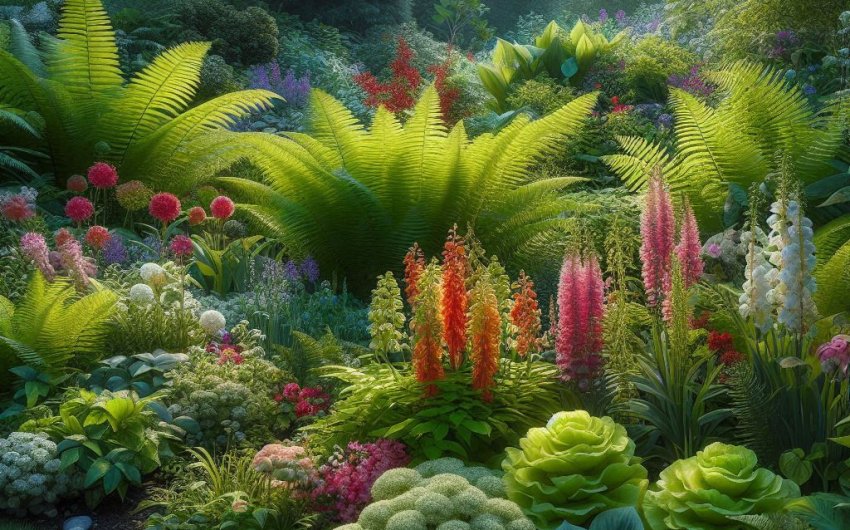
Creating a vibrant garden under the canopy of trees or on the north side of a house can seem challenging, but understanding what are the best perennial flowers for shade gardens opens up a world of beautiful possibilities. Shade doesn't have to mean a dull landscape; in fact, it offers a unique opportunity to cultivate a serene and lush environment with plants that thrive in dappled light or deeper shadows. From striking foliage to delicate blooms, a diverse array of perennials can transform even the shadiest spots into captivating havens.
What Kinds of Shade Do You Have in Your Garden?
Before choosing plants, it's important to understand the different types of shade, as this will impact which perennials will thrive.
Full Shade:
- Description: Receives less than 3 hours of direct sunlight per day, or dappled sun all day (e.g., under dense trees or on the north side of a building with no direct sun).
- Plants for Full Shade: Few plants truly thrive in deep, dark shade. Most "full shade" plants still prefer a bit of indirect light or dappled sun. Look for plants specifically labeled for "deep shade tolerance."
- Examples: Some mosses, certain ferns.
Partial Shade (or Part Sun/Part Shade):
- Description: Receives 3-6 hours of direct sunlight per day, often in the morning or late afternoon, or filtered sunlight throughout the day. This is the most common type of shade.
- "Part Sun" vs. "Part Shade":
- Part Sun: Prefers 4-6 hours of morning sun. Can tolerate more sun but might need more water in hot climates.
- Part Shade: Prefers 3-6 hours of morning sun or filtered sun, and needs protection from intense afternoon sun.
- Plants for Partial Shade: Many excellent perennials fall into this category.
Dappled Shade:
- Description: Sunlight filters through tree leaves, creating moving patterns of light and shadow throughout the day. It's like being under a high, airy canopy.
- Plants for Dappled Shade: Many plants that prefer partial shade or even part sun will flourish here, as they get gentle, consistent light without harsh direct exposure.
- Examples: Many woodland plants.
Dry Shade:
Advertisement- Description: Often found under mature trees where tree roots aggressively compete for moisture and nutrients. It's a challenging environment.
- Plants for Dry Shade: Requires tough, drought-tolerant plants that can handle competition. You may need to amend the soil and provide extra water initially.
- Examples: Certain hellebores, epimediums, some sedums, hardy geraniums.
What Are the Best Perennials for Their Stunning Foliage in Shade?
While flowers add splashes of color, many shade perennials are celebrated for their incredible foliage, which provides texture, form, and color throughout the growing season.
*Hostas (Hosta spp.):*
- Why they're great: The undisputed king of shade foliage. Hostas come in an astounding array of leaf sizes, shapes, colors, and textures.
- Foliage Features: From tiny blue mouse ears to giant gold dinner plates; variegated, corrugated, cupped, rippled, smooth, or frosty. Colors include blues, golds, greens, whites, and creams.
- Flowers: Produce lily-like flowers (white, lavender) on tall scapes, often fragrant.
- Care: Easy to grow, prefers moist, well-drained soil. Hosta plants are relatively low maintenance.
- Hardiness: Zones 3-9.
- Best for: Full to partial shade. Blues need more shade to maintain color, golds tolerate more sun.
*Heucheras (Coral Bells) (Heuchera spp.):*
- Why they're great: Fantastic for adding vibrant, year-round color. Known for their striking, often ruffled or variegated leaves.
- Foliage Features: Available in an incredible spectrum of colors: lime green, amber, peach, bronze, deep purple, black, silver, and various variegations. They form neat mounds.
- Flowers: Delicate bell-shaped flowers on slender stalks, attracting hummingbirds.
- Care: Prefers moist, well-drained soil. Good drainage is key, especially in winter.
- Hardiness: Zones 4-9.
- Best for: Partial shade. Intense afternoon sun can scorch lighter-colored varieties.
*Ferns (various spp.):*
- Why they're great: Provide lush texture, graceful forms, and an ancient, woodland feel. Many are native to shady, moist environments.
- Foliage Features: Classic lacy fronds, available in shades of green, silver, red, and even gold. Textures range from delicate to bold.
- Examples:
- *Japanese Painted Fern (Athyrium niponicum 'Pictum'):* Stunning silver, burgundy, and green fronds. Japanese Painted Fern plants are very popular.
- Lady Fern (Athyrium filix-femina): Delicate, bright green fronds, very adaptable.
- Autumn Fern (Dryopteris erythrosora): New fronds emerge coppery-red, maturing to green.
- Maidenhair Fern (Adiantum pedatum): Elegant, delicate, black stems.
- Care: Most prefer moist, well-drained soil. Some are more drought-tolerant once established.
- Hardiness: Varies greatly by species (Zones 2-10).
- Best for: Partial to full shade.
*Lungwort (Pulmonaria spp.):*
- Why they're great: Attractive for their unique spotted or splashed foliage, often accompanied by early spring flowers.
- Foliage Features: Dark green leaves heavily speckled or blotched with silver spots, giving a dappled effect.
- Flowers: Clusters of bell-shaped flowers in shades of pink, blue, or purple, often changing color as they age.
- Care: Prefers moist, rich, well-drained soil. Can be susceptible to powdery mildew in hot, humid conditions without good air circulation.
- Hardiness: Zones 3-8.
- Best for: Partial to full shade.
Lamium (Dead Nettle) (Lamium maculatum):
- Why they're great: Excellent groundcover for dry shade, offering variegated foliage and small blooms.
- Foliage Features: Heart-shaped leaves, often silver, variegated with green edges, or solid green.
- Flowers: Small hooded flowers in shades of pink, white, or purple.
- Care: Very adaptable, tolerates dry shade once established. Can spread vigorously, so plant where it has room.
- Hardiness: Zones 3-8.
- Best for: Partial to full shade, including dry shade.
Which Perennials Offer Long-Lasting Blooms in Shady Spots?
Adding color to your shade garden is easy with these reliable bloomers.
*Astilbe (Astilbe spp.):*
- Why they're great: Famous for their feathery, plume-like flowers that bring vibrant color and texture to shady areas.
- Flowers: Plumes of flowers in shades of white, pink, red, and purple, blooming from late spring through summer, depending on the variety.
- Foliage: Attractive, fern-like foliage, often bronze-green.
- Care: Prefers consistently moist, well-drained soil. Intolerant of dry conditions. Astilbe plants thrive with adequate moisture.
- Hardiness: Zones 3-8.
- Best for: Partial to full shade, especially morning sun or dappled light.
Bleeding Heart (Dicentra spectabilis and Dicentra formosa):
- Why they're great: Iconic for their heart-shaped flowers, providing a romantic touch in spring.
- Flowers: The classic D. spectabilis has pink and white heart-shaped flowers dangling from arching stems in mid-spring. D. formosa (Western Bleeding Heart) has smaller, often pinker flowers and usually reblooms.
- Foliage: Lacy, delicate foliage, usually blue-green. D. spectabilis foliage often goes dormant in summer heat; D. formosa foliage often persists.
- Care: Prefers moist, rich, well-drained soil.
- Hardiness: Zones 3-9.
- Best for: Partial to full shade.
Lenten Rose (Helleborus orientalis):
- Why they're great: One of the earliest bloomers, often flowering in late winter or early spring when little else is in bloom, even through snow.
- Flowers: Long-lasting, cup-shaped flowers in shades of white, pink, purple, green, and often speckled or spotted, facing downwards.
- Foliage: Leathery, evergreen leaves, providing winter interest.
- Care: Prefers moist, well-drained soil with plenty of organic matter. Established plants are very drought-tolerant. Hellebore plants are quite tough.
- Hardiness: Zones 4-9.
- Best for: Partial to full shade, including dry shade once established.
Foamflower (Tiarella cordifolia):
- Why they're great: Native woodland plant with charming foamy flower spikes and attractive foliage.
- Flowers: Delicate, airy spikes of white or pale pink flowers in spring.
- Foliage: Lobed, often textured leaves that can be green, bronze, or variegated, sometimes with prominent central markings. Often evergreen.
- Care: Prefers moist, well-drained, acidic soil. Spreads by runners to form a nice groundcover.
- Hardiness: Zones 3-8.
- Best for: Partial to full shade.
*Toad Lily (Tricyrtis spp.):*
- Why they're great: Provides unique orchid-like blooms in late summer or fall, extending the shade garden's interest.
- Flowers: Intricate, star-shaped, often speckled flowers in shades of white, purple, or yellow.
- Foliage: Attractive, sometimes speckled, broad leaves on upright or arching stems.
- Care: Prefers moist, rich, well-drained soil. Can be slow to establish but worth the wait.
- Hardiness: Zones 4-9.
- Best for: Partial to full shade.
What Are Some Reliable Groundcovers and Fillers for Shade?
Groundcovers are essential for filling bare spots, suppressing weeds, and creating a cohesive look in a shade garden.
Lily of the Valley (Convallaria majalis):
- Why they're great: Charming, fragrant white bells in spring and excellent groundcover.
- Flowers: Small, highly fragrant, bell-shaped white (sometimes pink) flowers in spring.
- Foliage: Broad, strap-like green leaves that form a dense carpet.
- Care: Extremely tough and adaptable, thrives in deep shade and tolerates dry conditions once established. Can be aggressive, so plant where it can spread freely.
- Hardiness: Zones 2-7.
- Best for: Partial to full shade, including dry shade.
Pachysandra (Japanese Spurge) (Pachysandra terminalis):
- Why they're great: A classic, evergreen groundcover known for its dense, uniform spread.
- Foliage: Whorls of glossy, dark green leaves that maintain their color year-round.
- Flowers: Small white flower spikes in spring, not highly ornamental but add a touch of texture.
- Care: Very low maintenance, tolerates dry shade once established. Can spread vigorously.
- Hardiness: Zones 4-8.
- Best for: Partial to full shade, including dry shade.
Sweet Woodruff (Galium odoratum):
- Why they're great: Delicate, fragrant groundcover with airy white flowers.
- Flowers: Small, starry white flowers in spring.
- Foliage: Whorls of bright green, lance-shaped leaves that form a fine-textured carpet. Foliage smells like freshly mown hay when crushed or dried.
- Care: Prefers moist, well-drained soil but tolerates dry shade. Spreads readily but is easy to pull.
- Hardiness: Zones 4-8.
- Best for: Partial to full shade, including dry shade.
Creeping Jenny (Lysimachia nummularia):
- Why they're great: Offers bright, vibrant yellow-green foliage that cascades beautifully.
- Foliage: Small, round, chartreuse-yellow leaves on creeping stems. Forms a dense mat.
- Flowers: Small, cup-shaped yellow flowers in summer, but grown primarily for foliage.
- Care: Prefers moist soil but is adaptable. Can be vigorous, use where it can spread or in containers where it can spill over.
- Hardiness: Zones 4-8.
- Best for: Partial to full shade. Brighter color in more light.
What Are Key Considerations When Planting Perennials in Shade Gardens?
Success in a shade garden goes beyond just choosing the right plants; it also involves understanding the unique challenges and opportunities of these environments.
Soil Preparation:
- Amending: Shade gardens, especially under trees, often have poor soil due to competition from tree roots and limited organic matter. Amend heavily with compost or other organic materials to improve drainage, water retention, and nutrient levels.
- Tree Roots: Be mindful of existing tree roots. Avoid cutting major roots. Plant smaller perennials in pockets of amended soil between roots, or consider raising the bed slightly.
Watering:
- Initial Watering: All newly planted perennials need consistent watering to establish, even those tolerant of dry shade.
- Ongoing Moisture: Shade gardens often require less frequent watering than sunny beds, but deep shade can still lead to dry conditions if rain doesn't reach the soil or if tree roots are highly competitive. Monitor soil moisture regularly.
Nutrient Competition (with trees):
- Fertilizing: Trees are often heavy feeders. While a healthy soil rich in organic matter usually suffices, you might need to provide a balanced, slow-release granular fertilizer for shade plants to ensure your perennials get enough nutrients.
- Mulching: A 2-3 inch layer of wood mulch helps conserve moisture, moderate soil temperature, and slowly adds organic matter as it decomposes. Keep mulch away from tree trunks.
Air Circulation:
- Fungal Diseases: Humid, still air in dense shade can promote fungal diseases like powdery mildew.
- Spacing: Space plants appropriately to allow for good airflow. Prune lower tree branches to open up the canopy if possible.
Pest Management:
- Slugs and Snails: Shade gardens, with their damp, cool conditions, are often prime habitats for slugs and snails, especially for plants like Hostas. Use slug and snail bait (organic options available) or manual removal.
- Deer/Rabbits: Some shade plants are deer or rabbit favorites. If browsing is an issue, choose deer-resistant shade plants or use repellents.
Design Principles for Shade:
- Focus on Foliage: Embrace the diverse textures, forms, and colors of shade-loving foliage plants.
- Repetition: Repeat plants or plant groupings to create a sense of harmony and flow.
- Contrast: Use contrasting leaf shapes and colors (e.g., broad Hosta leaves next to lacy ferns) to add visual interest.
- Whites and Pale Colors: White and light-colored flowers or variegated foliage stand out beautifully in dim light, brightening shady corners.
By selecting the best perennial flowers for shade gardens and understanding their specific needs, you can transform even the most challenging low-light areas into captivating and serene outdoor rooms.