
What Are the Best Perennial Vegetables for Long-Term Gardening?
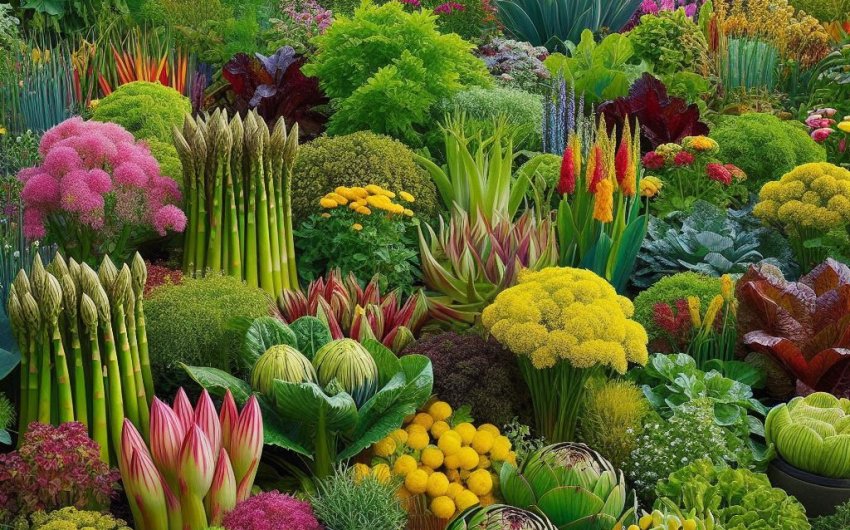
The best perennial vegetables for long-term gardening are those that reliably return year after year, offering harvests with minimal effort once established. These include classic choices like asparagus and rhubarb, as well as less common but equally valuable options such as Jerusalem artichokes and sorrel.
Why Choose Perennial Vegetables for Your Garden?
Incorporating perennial vegetables into your garden plan is a smart move for any gardener looking for efficiency and sustainability. Unlike annuals, which must be replanted every year, perennials establish a root system and return season after season, often producing for many years or even decades.
What are the Benefits of Perennial Vegetables?
- Reduced Workload: Once established, perennial vegetables require significantly less effort. You save time and labor each spring by not having to prepare beds and replant.
- Early Harvests: Many perennials are among the first crops ready in spring, providing fresh produce when other garden beds are just getting started.
- Improved Soil Health: Their extensive root systems help to prevent soil erosion, improve soil structure, and can even draw up nutrients from deeper in the soil, benefiting surrounding plants.
- Increased Biodiversity: Perennial plantings create stable habitats for beneficial insects and microbes, contributing to a healthier garden ecosystem.
- Cost Savings: No need to buy new seeds or starts every year for these crops, saving you money over the long term.
- Resilience: Once established, many perennial vegetables are more drought-tolerant and less susceptible to common pests and diseases compared to annuals.
- Beauty and Function: Many perennials, like asparagus or artichokes, have attractive foliage or flowers, integrating seamlessly into ornamental landscapes.
What are the Top Perennial Vegetables for Most Climates?
When considering perennial vegetables, certain varieties stand out for their reliability, ease of growth, and delicious yields across a wide range of temperate climates. These are excellent choices for starting your long-term garden.
Asparagus (Asparagus officinalis)
- Description: A classic spring delicacy, asparagus produces tender spears that emerge from the ground each year. It's known for its unique flavor and is a true sign of spring.
- Climate Zones: USDA Zones 3-8, but some varieties can extend to Zone 2 or 9.
- Planting: Plant 1-year-old crowns in well-drained soil rich in organic matter. Dig a trench 6-8 inches deep, place crowns 12-18 inches apart, and gradually fill the trench as the spears grow.
- Harvest: Be patient! Do not harvest in the first year after planting, and only lightly in the second. Begin full harvest in the third year when spears are 6-8 inches tall and pencil-thick. Snap or cut spears at the soil line for 6-8 weeks.
- Maintenance: Keep beds weed-free. Allow foliage to grow after harvest to replenish energy in the crowns. Cut back dead foliage in late fall or early spring.
- Recommended Varieties: 'Mary Washington', 'Jersey Knight' (male, higher yielding), 'Purple Passion' (sweeter, tender). Consider buying asparagus crowns from a reputable supplier.
Rhubarb (Rheum rhabarbarum)
- Description: Grown for its tart stalks, rhubarb is often used in pies, crumbles, and sauces. Its large leaves are toxic and should not be eaten.
- Climate Zones: USDA Zones 2-9, thrives in cooler climates with a cold winter dormancy.
- Planting: Plant root divisions (crowns) in full sun to partial shade in rich, well-drained soil. Space plants 3-4 feet apart.
- Harvest: Do not harvest in the first year to allow plants to establish. In the second year, harvest lightly for 1-2 weeks. Begin full harvest in the third year by pulling (not cutting) stalks when they are 10-15 inches long, leaving at least two stalks per plant. Stop harvesting in mid-summer.
- Maintenance: Water during dry spells. Divide clumps every 5-10 years to maintain vigor.
- Recommended Varieties: 'Victoria', 'Canada Red', 'Strawberry'. You can find rhubarb bare roots online.
Artichoke (Cynara scolymus)
- Description: A striking plant grown for its edible flower buds. In warmer climates, it's a true perennial; in colder areas, it's often grown as an annual or overwintered.
- Climate Zones: USDA Zones 7-11 for true perennial growth. Can be grown as an annual in colder zones (4-6) if started early indoors.
- Planting: Start from seeds indoors or plant divisions in full sun and well-drained, fertile soil. Space 3-6 feet apart.
- Harvest: In perennial zones, harvest flower buds when they are tight and firm, before scales begin to open. Cut with 2-3 inches of stem attached.
- Maintenance: In colder zones, protect crowns with heavy mulch in winter or dig and store. Provide consistent moisture.
- Recommended Varieties: 'Green Globe Improved', 'Imperial Star' (good for annual production).
Sunchokes / Jerusalem Artichokes (Helianthus tuberosus)
- Description: A type of sunflower grown for its edible, nutty-flavored tubers. These are vigorous growers and can easily naturalize.
- Climate Zones: USDA Zones 3-9. Extremely hardy.
- Planting: Plant tubers 4-6 inches deep and 12-18 inches apart in full sun. Be aware: they can spread aggressively, so consider planting in a dedicated area or a contained bed.
- Harvest: Harvest tubers in late fall after frost has killed the top growth, or in early spring before new growth begins. Dig carefully to avoid damaging tubers. Leave some tubers in the ground for next year's crop.
- Maintenance: Minimal maintenance. Can grow quite tall (8-10 feet), so provide support if needed.
- Recommended Varieties: Any named variety like 'Stampede' or 'Fuseau'. You can purchase sunchoke tubers for planting.
Sorrel (Rumex acetosa)
- Description: A leafy green with a distinct lemony, tangy flavor, excellent in salads, soups, and sauces.
- Climate Zones: USDA Zones 4-9.
- Planting: Sow seeds directly or plant starts in full sun to partial shade in moist, well-drained soil.
- Harvest: Begin harvesting outer leaves when they are 4-6 inches tall. Pick individual leaves as needed to encourage continuous production.
- Maintenance: Keep soil moist. Cut back flower stalks to encourage more leaf production. Can be divided every few years.
- Recommended Varieties: 'French Sorrel', 'Belleville'.
What are Some Lesser-Known But Valuable Perennial Vegetables?
Beyond the widely recognized perennial vegetables, there are many other fascinating and productive options that can add diversity and unique flavors to your long-term garden. These often come with their own benefits and considerations.
Sea Kale (Crambe maritima)
- Description: A unique, beautiful plant grown for its tender shoots, flower buds (like broccoli), and blanched leaves. It has a mild, nutty, slightly cabbage-like flavor.
- Climate Zones: USDA Zones 4-8. Thrives in coastal areas but adapts inland.
- Planting: Plant root cuttings or crowns in full sun to partial shade in deep, well-drained soil, ideally sandy. Space 2-3 feet apart.
- Harvest: Don't harvest in the first year. In subsequent years, blanch shoots in early spring by covering plants to exclude light (e.g., with a large pot or special blanching pot) for 3-4 weeks until shoots are pale and tender. Harvest flower shoots before they open.
- Maintenance: Very low maintenance once established. Can live for decades.
- Recommended Varieties: Standard species available.
Cardoon (Cynara cardunculus)
- Description: A close relative of the artichoke, cardoon is grown for its edible leaf stalks, which are typically blanched and cooked. It's a tall, architectural plant.
- Climate Zones: USDA Zones 7-10 for true perennial growth; often grown as an annual in colder zones.
- Planting: Sow seeds indoors or plant divisions in full sun and fertile, well-drained soil. Space 3-4 feet apart.
- Harvest: In late summer or fall, blanch stalks by wrapping them in burlap, newspaper, or straw for 3-4 weeks. Then cut the blanched stalks at the base.
- Maintenance: Protect crowns in winter in colder zones with heavy mulch.
- Recommended Varieties: 'Gobbo di Nizza', 'Plein Blanc Amélioré'.
Egyptian Walking Onion (Allium × proliferum)
- Description: A unique onion that reproduces by forming bulbils (small bulblets) at the top of its stalks. These bulbils eventually become heavy, causing the stalk to "walk" or bend over and root into the ground, starting new plants. All parts are edible: the bulblets, green tops, and underground bulbs.
- Climate Zones: USDA Zones 3-9. Extremely hardy and adaptable.
- Planting: Plant the small bulbils or underground bulbs in full sun to partial shade. They are very forgiving.
- Harvest: Harvest green tops as needed throughout the season. Pick the small bulbils from the stalks. Dig up the underground bulbs in late summer or fall.
- Maintenance: Very little. They will multiply rapidly.
- Recommended Varieties: Standard species available. You can usually find Egyptian walking onion sets from garden suppliers.
Daylily (Hemerocallis species - specific varieties)
- Description: While primarily ornamental, many daylily species (especially the common orange 'ditch lily' or certain cultivated varieties) have edible parts. The tubers, young shoots, and flower buds are all edible and delicious.
- Climate Zones: USDA Zones 3-9. Extremely hardy.
- Planting: Plant divisions in full sun to partial shade in well-drained soil.
- Harvest:
- Tubers: Dig up in spring or fall; clean and cook like potatoes.
- Young Shoots: Harvest in early spring as they emerge, before flowering. Use like asparagus.
- Flower Buds: Pick when plump and green, before they open. Stir-fry or steam.
- Caution: Only eat parts of true Daylilies (Hemerocallis). Do not confuse them with true Lilies (Lilium), which are toxic. Always confirm the species. Some people may also have mild allergic reactions.
- Recommended Varieties: Look for species or older, reliable cultivars.
Good King Henry (Chenopodium bonus-henricus)
- Description: A traditional European perennial leafy green with a mild, earthy flavor. All parts are edible: young shoots, leaves, and flower spikes (cooked).
- Climate Zones: USDA Zones 3-9.
- Planting: Sow seeds or plant starts in full sun to partial shade in moist, well-drained soil.
- Harvest: Harvest young shoots in spring like asparagus. Pick leaves throughout the season. Cook leaves like spinach.
- Maintenance: Fairly self-sufficient. Can reseed readily.
- Recommended Varieties: Standard species available.
How Do You Plan Your Perennial Vegetable Garden?
Planning is crucial for a successful and low-maintenance perennial vegetable garden. Unlike annuals, these plants will be in their spot for a long time, so choose wisely.
Key Planning Considerations
- Site Selection:
- Sunlight: Most perennial vegetables prefer full sun (at least 6 hours per day), but some tolerate partial shade (like sorrel or Good King Henry). Match the plant's needs to your garden's sun exposure.
- Soil: Well-drained, fertile soil is paramount. Amend heavy clay or sandy soils with plenty of organic matter before planting. A soil test kit can help you understand your soil's composition and nutrient levels.
- Protection: Consider wind protection, especially for taller plants like asparagus or cardoon.
- Planting Zones: Know your USDA Plant Hardiness Zone. This tells you which plants are likely to survive winter in your area.
- Space Requirements: Perennial vegetables need space. Research the mature size of each plant and provide adequate spacing to ensure good air circulation and root development. Asparagus and artichokes can be quite large.
- Dedicated Beds vs. Integration:
- Dedicated Beds: For aggressive spreaders like sunchokes or large crops like asparagus, a dedicated bed or even a contained area is best to prevent them from overwhelming other plants.
- Permaculture/Food Forest: Many perennials integrate well into a permaculture design or food forest, mimicking natural ecosystems with layers of plants.
- Long-Term Vision: Think about how the plants will look at maturity. Asparagus develops feathery fern-like foliage after harvest, which can be ornamental. Artichokes are very sculptural.
- Water Access: Ensure easy access to water, especially during establishment and dry periods.
- Weed Management: Plan for initial weed control, as young perennial plants can be outcompeted. Mulching is an excellent long-term solution.
Garden Design Tips
- Edible Landscaping: Many perennial vegetables are beautiful enough to be integrated into ornamental flower beds or front yards. Artichokes provide a dramatic focal point; asparagus ferns are elegant.
- Consider Succession: Plan for continuous harvests. Early spring asparagus can be followed by rhubarb, then sorrel, and sunchokes in the fall.
- Pathways: Include clear pathways for easy access for harvesting and maintenance without compacting soil.
- Future Expansion: Leave room for future additions or expansion as your perennial garden matures.
How Do You Prepare the Soil for Perennial Vegetables?
Proper soil preparation is the most critical step for perennial vegetables because they will inhabit the same spot for many years. Investing time here will pay dividends in long-term health and productivity.
Steps for Ideal Soil Preparation
- Site Clearing: Clear the chosen area of all weeds, especially perennial weeds, as they will be very difficult to remove once your perennial vegetables are established. Dig them out thoroughly or use a tarp solarization method.
- Soil Testing: Perform a soil test. This will tell you your soil's pH, nutrient levels, and texture. Knowing this information allows you to amend the soil precisely. You can purchase a soil testing kit or send a sample to your local extension office.
- Adjust pH: Most perennial vegetables prefer a slightly acidic to neutral pH (6.0-7.0).
- If your soil is too acidic, add garden lime to raise the pH.
- If your soil is too alkaline, add elemental sulfur or peat moss to lower the pH.
- Follow soil test recommendations for amounts.
- Incorporate Organic Matter: This is arguably the most important step. Perennial vegetables thrive in rich, well-drained, and moisture-retentive soil. Amend generously with:
- Compost: Well-rotted compost is ideal. It improves soil structure, drainage, water retention, and provides a slow release of nutrients. Aim for a 4-6 inch layer tilled or dug into the top 12-18 inches of soil.
- Aged Manure: If available, aged manure is another excellent source of nutrients and organic matter. Ensure it's fully composted to avoid burning plants or introducing weed seeds.
- Leaf Mold: Decomposed leaves also add valuable organic matter.
- Double Digging (Optional but Recommended): For deep-rooted perennials like asparagus, consider double digging the bed. This involves removing the top layer of soil, loosening the subsoil, amending both layers, and then replacing them. This creates a very deep, loose, and fertile root zone.
- Form Raised Beds (If Necessary): If your soil has poor drainage, consider planting in raised garden beds. These offer excellent drainage and allow you to fill them with an ideal soil mix. You can find various raised garden bed kits.
- Final Rake: Rake the prepared bed smooth, removing any large rocks or debris, ready for planting.
How Do You Plant and Establish Perennial Vegetables?
The initial planting phase is critical for the long-term success of your perennial vegetables. Proper technique ensures they establish strong root systems and thrive for years to come.
General Planting Guidelines
- Timing: The best time to plant most perennial vegetables is in early spring, once the danger of hard frost has passed and the soil is workable. This allows them a full growing season to establish before winter. Some can also be planted in early fall in milder climates.
- Source of Plants:
- Crowns/Roots: For plants like asparagus and rhubarb, you'll typically purchase dormant crowns or bare roots.
- Tubers: Sunchokes are planted from their tubers.
- Seeds: Sorrel, artichokes (in colder zones as annuals), and sea kale can be started from seed, though crowns or root cuttings establish faster for sea kale.
- Divisions: You can also get plants from divisions of existing, healthy perennial vegetable plants from fellow gardeners.
- Digging the Hole/Trench:
- Individual Plants: Dig a hole twice as wide as the root ball and deep enough so the plant sits at the same level it was in its nursery pot (or crown at appropriate depth).
- Asparagus: As mentioned, for asparagus, dig a trench and create small mounds within it for the crowns.
- Planting Technique:
- Crowns/Bare Roots: Spread the roots out carefully over the soil in the hole/trench.
- Potted Plants: Gently remove the plant from its pot. If roots are circling, gently tease them apart.
- Place the plant so the crown (where roots meet stem) is at the correct level relative to the soil surface.
- Backfilling and Watering:
- Gently backfill the hole with the prepared soil, lightly firming around the roots to remove air pockets.
- Water thoroughly immediately after planting. This settles the soil around the roots and provides essential moisture. Use a watering can or gentle hose flow.
- Mulching: Apply a 2-4 inch layer of organic mulch (e.g., straw, shredded leaves, wood chips) around the newly planted perennials.
- Benefits of Mulch: Suppresses weeds (critical for young perennials!), conserves soil moisture, moderates soil temperature, and slowly adds organic matter as it breaks down. Keep mulch a few inches away from the plant stems to prevent rot. You can find garden mulch options at garden centers.
How Do You Maintain Established Perennial Vegetables?
Once your perennial vegetables are established, the real benefits of long-term gardening begin. Maintenance shifts from intensive planting to ongoing care that ensures continued productivity and plant health.
Routine Care for Perennial Beds
- Weed Control: While mulching significantly reduces weeds, some will inevitably appear. Hand-weed regularly, especially around young plants, to prevent competition for nutrients and water. Weeds are less of an issue once plants are mature.
- Watering: Established perennials are more drought-tolerant than annuals, but they still need consistent moisture, especially during dry spells and during their main growing and production phases. Deep, infrequent watering is better than shallow, frequent watering, as it encourages deeper root growth.
- Fertilizing: Perennial vegetables are heavy feeders because they produce year after year.
- Apply a top-dressing of well-rotted compost around plants each spring. This slowly releases nutrients and enriches the soil.
- Supplement with a balanced organic fertilizer if your soil test indicates nutrient deficiencies.
- Pest and Disease Monitoring: Regularly inspect your plants for signs of pests or diseases. Early detection allows for organic intervention before problems become severe. Healthy, vigorous plants are more resistant.
- Pruning/Cutting Back:
- Asparagus: Allow ferns to grow all season to build energy in the crowns. Cut back yellowed or brown foliage to the ground in late fall or early spring before new growth emerges.
- Rhubarb: Remove any flower stalks that emerge to direct energy into stalk production.
- Sorrel: Cut back flower stalks to encourage more leafy growth.
- Sunchokes: Cut back dead stalks in fall.
- Winter Protection (in colder zones): For less hardy perennials like artichokes in colder zones, provide a heavy layer of mulch (straw, leaves) over the crowns in late fall after the first hard frost. This insulates them from extreme cold.
- Dividing: Every few years (e.g., 5-10 for rhubarb, sorrel), divide mature perennial clumps. This rejuvenates the plants, prevents overcrowding, and allows you to create new plants. This is best done in early spring or fall.
What are Common Challenges with Perennial Vegetables?
While perennial vegetables offer many advantages, they aren't entirely without their challenges. Understanding these potential issues and how to address them can ensure your long-term garden thrives.
Addressing Potential Problems
- Patience for First Harvests:
- Challenge: The biggest challenge for impatient gardeners! Many perennial vegetables, especially asparagus and rhubarb, require a waiting period (1-3 years) before you can begin harvesting.
- Solution: Understand and accept this upfront. Plant annuals alongside your young perennials to get immediate harvests while you wait. The long-term reward is worth it.
- Weed Control (Initial Years):
- Challenge: Young perennials are vulnerable to being outcompeted by weeds.
- Solution: Thoroughly prepare the site by removing all perennial weeds. Apply a thick layer of mulch immediately after planting. Hand-weed diligently in the first year or two.
- Spread and Aggressiveness:
- Challenge: Some perennial vegetables, like sunchokes or Egyptian walking onions, can spread aggressively and take over garden beds.
- Solution: Plant these in a dedicated area where their spread won't be an issue, or use physical barriers like root barriers or bottomless containers sunk into the ground to contain them. Regular harvesting of tubers (sunchokes) can also help control spread.
- Pests and Diseases:
- Challenge: While generally resilient, perennials can still fall victim to specific pests or diseases. For example, asparagus beetles or rust on rhubarb.
- Solution: Practice good garden hygiene. Choose disease-resistant varieties if available. Monitor plants regularly and use organic pest control methods (e.g., hand-picking, insecticidal soap) at the first sign of trouble. Encourage beneficial insects.
- Winter Hardiness:
- Challenge: Some perennial vegetables, like artichokes, may not be reliably hardy in colder zones without protection.
- Solution: Know your USDA Plant Hardiness Zone. Choose varieties suited to your climate. For borderline hardy plants, provide heavy winter mulch over the crowns, or consider lifting and storing roots indoors in areas with very harsh winters.
- Nutrient Depletion:
- Challenge: Because they grow in the same spot for years, perennials can deplete soil nutrients over time.
- Solution: Regularly amend the soil with generous amounts of compost or other organic matter each spring. This replenishes nutrients and improves soil structure. A periodic soil test can help you identify specific nutrient needs.
What is a Sample Perennial Vegetable Garden Layout?
Visualizing how perennial vegetables fit into a garden space can be helpful. A sample layout demonstrates how to group plants based on their needs and growth habits.
Example Layout for a Small Perennial Vegetable Bed (Approx. 10x15 feet)
This layout aims to create a productive and relatively low-maintenance bed with a mix of common and unique perennial vegetables.
| Zone/Area | Plants (and approximate spacing) | Notes |
|---|---|---|
| Back Row (North Side) | 1. Sunchokes (Helianthus tuberosus) - 18" apart | Tallest plants, may need staking, consider a root barrier to contain spread. Harvest tubers in fall/spring. |
| 2. Cardoon (Cynara cardunculus) - 3-4' apart | Architectural plant, needs space. Blanch stalks for harvest. | |
| Middle Row/Main Bed | 3. Asparagus (Asparagus officinalis) - 12-18" apart (trench) | Needs dedicated space, takes 3 years to full harvest. Ferns provide summer backdrop. |
| 4. Rhubarb (Rheum rhabarbarum) - 3-4' apart | Large, leafy plant. Requires cold dormancy. Stalks only. | |
| 5. Artichoke (Cynara scolymus) - 3-6' apart | Needs full sun, rich soil. Can be covered in winter in colder zones. | |
| Front Row/Edge | 6. Sorrel (Rumex acetosa) - 12" apart | Tangy leaves, good for early spring. Can self-seed. |
| 7. Egyptian Walking Onions (Allium × proliferum) - 6-12" apart | Fun "walking" habit, provides greens and bulbs. Very hardy. | |
| 8. Daylilies (Hemerocallis, edible varieties) - 18" apart | Edible tubers, shoots, and flower buds. Adds beauty. | |
| Additional Elements | Paths: Use wood chips or stepping stones | Allows easy access without compacting soil. |
| Mulch: 2-4" layer of straw or shredded leaves | Applied annually to suppress weeds, retain moisture, build soil. |
Key Design Principles in this Layout:
- Tallest plants at the back: Sunchokes and Cardoon won't shade out other plants.
- Dedicated zones: Asparagus and Rhubarb have specific growth habits and long lifespans, so they get their own clear areas.
- Edge plants: Smaller, more frequently harvested plants like sorrel and walking onions are easily accessible at the front.
- Pathways: Ensures you can reach all plants for harvesting and care.
- Mulch: A universal component for all perennial beds.
This sample layout is flexible and can be adapted to your specific climate, available space, and personal preferences for perennial vegetables. The key is to think about the long-term growth and needs of each plant when planning your garden.
Embracing perennial vegetables for long-term gardening offers a smart, sustainable, and satisfying way to provide fresh, homegrown produce with significantly less effort than traditional annual gardening. By selecting the right plants, preparing your soil thoroughly, and providing consistent care, you can enjoy a bountiful and beautiful harvest year after year.