
How Do I Create a Pollinator-Friendly Garden?
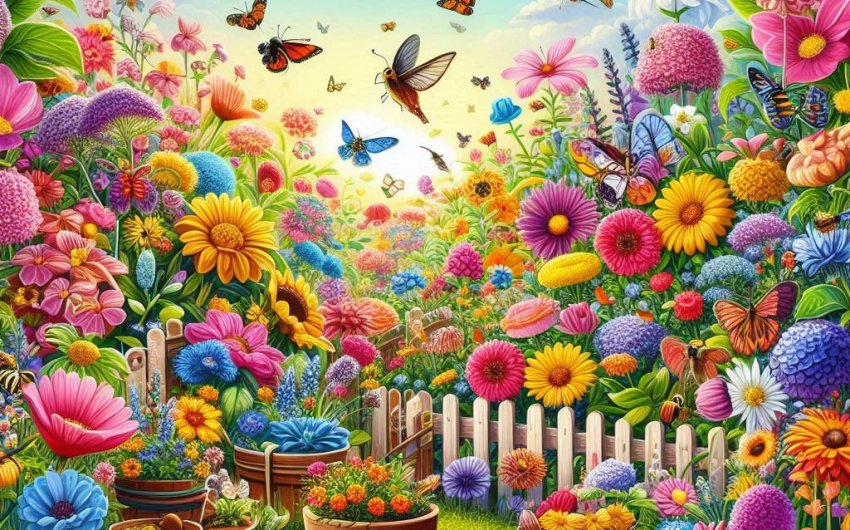
You can create a pollinator-friendly garden by providing a continuous supply of food, water, and shelter for beneficial insects and wildlife, primarily through diverse native plantings and chemical-free practices. This means choosing the right plants and maintaining your garden in a way that supports these vital creatures.
Why Do Pollinators Matter So Much?
Pollinators are essential for life on Earth. They are responsible for helping plants reproduce by transferring pollen from one flower to another, a process that is critical for growing most of the fruits, vegetables, and nuts we eat. Beyond our food supply, pollinators support healthy ecosystems by helping wild plants produce seeds and fruits.
What are the Benefits of a Pollinator-Friendly Garden?
- Boosts Food Production: A significant portion of our global food crops, including apples, blueberries, almonds, and coffee, rely on pollinators. Supporting them directly contributes to a more abundant harvest in your own vegetable garden.
- Supports Biodiversity: By providing habitat and food for pollinators, you help maintain the delicate balance of your local ecosystem, encouraging a wider variety of plants and animals.
- Enhances Garden Beauty: Pollinator gardens are vibrant and dynamic spaces, constantly buzzing with activity. The diverse array of flowering plants required creates a visually stunning landscape.
- Reduces Pest Problems: Many beneficial insects, which are also attracted to pollinator-friendly plants, prey on common garden pests, reducing the need for chemical pesticides.
- Environmental Health: Creating a chemical-free pollinator garden helps reduce the amount of harmful pesticides and synthetic fertilizers entering our soil and water systems.
- Educational Opportunity: It's a fantastic way to teach children and adults about ecological connections, the importance of insects, and sustainable living.
- Personal Well-being: Spending time in a thriving garden full of life can be incredibly relaxing and fulfilling.
What Do Pollinators Need in Your Garden?
To successfully create a pollinator-friendly garden, you need to think like a pollinator. What are their basic needs? Food, water, shelter, and safety from harmful chemicals are paramount.
How to Provide Food for Pollinators
The foundation of any pollinator-friendly garden is a diverse and continuous supply of nectar and pollen.
- Native Plants are Key:
- Why Native? Native plants have co-evolved with local pollinators. They provide the specific types of nectar and pollen that native insects are adapted to use, and they also serve as host plants for larval stages (e.g., milkweed for monarch caterpillars).
- Examples by Pollinator Type:
- Bees: Prefer flowers with open, bowl-shaped, or tubular shapes; often white, yellow, blue, or purple; e.g., Coneflower (Echinacea spp.), Bee Balm (Monarda spp.), Aster (Symphyotrichum spp.), Salvia (Salvia spp.).
- Butterflies: Prefer flat-topped clusters of flowers, or tubular flowers with landing platforms; often bright colors like red, orange, yellow, pink, or purple; e.g., Milkweed (Asclepias spp. - essential for monarchs), Butterfly Bush (Buddleja spp. - choose non-invasive native varieties or sterile cultivars), Joe Pye Weed (Eutrochium spp.).
- Hummingbirds: Attracted to red, orange, or pink tubular flowers with no landing platform; e.g., Trumpet Vine (Campsis radicans), Cardinal Flower (Lobelia cardinalis), Columbine (Aquilegia spp.).
- Moths: Prefer pale, white, or night-blooming flowers with strong fragrance to attract them after dark; e.g., Evening Primrose (Oenothera biennis), Nicotiana (Nicotiana alata).
- Succession of Bloom: Plan your garden so something is always in bloom from early spring to late fall.
- Early Spring: Pussy willow, crocus, hellebore, native spring ephemerals.
- Mid-Spring to Summer: Coneflower, bee balm, phlox, wild indigo, milkweed.
- Late Summer to Fall: Asters, goldenrod, obedient plant, sedum.
- Plant in Clumps: Plant drifts or clusters of the same flower type (at least 3x3 feet). This creates a strong visual signal for pollinators, making it easier for them to find food, and allowing them to forage more efficiently.
- Diversity of Flower Shapes and Colors: Different pollinators have different mouthparts and vision. A variety of flower shapes (cups, tubes, flat clusters) and colors will attract a wider range of species.
- Avoid "Double" Flowers: Many highly cultivated "double" or "multi-petaled" flowers have so many petals that they hide or even eliminate the nectar and pollen. Stick to single-petal varieties where the reproductive parts are visible.
- Leave Some Weeds: Even common "weeds" like dandelions and clover provide early season food for pollinators. Consider tolerating them in less visible areas.
How to Provide Water for Pollinators
Water is just as essential as food for pollinators. They need clean water for drinking and cooling down.
- Shallow Water Source: A regular bird bath can work, but pollinators need very shallow water to land safely without drowning.
- Add stones, pebbles, or marbles to a shallow dish or bird bath. This creates landing spots above the waterline.
- A good bird bath with stones can serve both birds and pollinators.
- Mud Puddles: Butterflies, in particular, engage in "puddling," drinking water from muddy areas to obtain minerals.
- Create a small, damp, muddy patch in your garden. You can even mix sand or compost into a shallow depression and keep it moist.
- Dripping Water: A leaky hose or a small pond with gently sloping edges can also provide a water source.
How to Provide Shelter and Nesting Sites
Pollinators need safe places to rest, hide from predators, overwinter, and raise their young.
- Bare Ground: Many native bees are ground-nesting. Leave some patches of undisturbed, bare soil (not mulched or heavily compacted) in a sunny spot.
- Woody Stems and Hollow Stems:
- Leave Stems: Don't cut back all your perennial stems in the fall. Many native bees and beneficial insects lay eggs or overwinter in hollow or pithy stems (e.g., bee balm, coneflower, rudbeckia). Cut them back in spring to about 15-20 inches tall.
- Brush Piles: A loose pile of sticks and branches in a quiet corner of your yard provides shelter for insects and other small wildlife.
- Leaf Litter: Leave fallen leaves on your garden beds or create a leaf litter pile in an out-of-the-way area. Many beneficial insects and queen bumblebees overwinter in leaf litter. You can find leaf mold compost that can be integrated as organic compost.
- Rock Piles: A pile of stones can create crevices for insects to hide or overwinter.
- Pollinator Houses/Bee Hotels (with caution):
- These can be supplemental, but ensure they are made from untreated wood, have varying hole sizes, and can be cleaned or replaced annually to prevent disease. Avoid bamboo sticks that cannot be cleaned. Look for mason bee houses that have removable tubes.
- Placement: Mount them securely in a sunny, protected spot, out of direct rain.
- Dense Plantings: Clusters of dense shrubs and perennials provide hiding spots and protection from wind and predators.
How Do You Design Your Pollinator Garden Layout?
Designing your garden with pollinators in mind involves strategic plant placement and creating diverse habitats. It's about more than just tossing seeds; it's about building a sustainable ecosystem.
Key Design Principles for Pollinators
- Grouping Plants (Mass Planting): Plant in clumps or drifts of the same species (minimum 3x3 feet). This makes flowers more visible to pollinators, allowing them to forage more efficiently and conserving energy.
- Layered Planting: Create different vertical layers in your garden, from groundcovers to tall shrubs and trees. This provides diverse foraging and nesting opportunities.
- Ground Layer: Bare soil, moss, low-growing groundcovers.
- Herbaceous Layer: Perennials, annuals, grasses.
- Shrub Layer: Small to medium-sized shrubs.
- Tree Layer: Small to large trees.
- Succession of Bloom: As mentioned, plan for continuous blooms throughout the growing season (early spring, summer, late fall) to ensure a consistent food supply.
- Sunlight Requirements: Most pollinator-friendly plants prefer full sun (at least 6 hours per day). Design your layout to maximize sun exposure where needed.
- Shelter from Wind: Strategically place taller plants or existing structures (fences, walls) to provide shelter from strong winds, making it easier for smaller pollinators to fly and forage.
- Water Feature Placement: Place your pollinator water source in a sunny, easily accessible location, but close enough to plants for quick hydration stops.
- Avoid Fragmentation: If possible, create larger, connected patches of pollinator habitat rather than small, isolated ones. This creates more robust ecosystems.
- Pathways and Seating: Incorporate paths and seating areas to allow you to observe and enjoy the pollinator activity up close without disturbing the plants. Use permeable materials like wood chips or stepping stones.
Planning a Garden Section by Season
Example Garden Plan (Conceptual):
| Section | Early Spring (March-April) | Mid-Season (May-July) | Late Season (Aug-Oct) |
|---|---|---|---|
| Edge/Front | Crocus, Winter Aconite, Creeping Phlox | Wild Geranium, Penstemon, Coreopsis | Sedum, Aster, Goldenrod |
| Middle | Bleeding Heart, Columbine, Lupine | Bee Balm, Coneflower, Phlox, Joe Pye Weed | Tall Goldenrod, Ironweed, Swamp Milkweed |
| Back/Tall | Serviceberry Tree, Redbud Tree | Buttonbush, Elderberry, Willow | Sumac, Witch Hazel (for fall bloom) |
| Special | Patch of bare soil for ground bees | Puddling station with stones | Brush pile in corner; uncut hollow stems |
This table provides a generalized example. Always research plants native to your specific region and their bloom times for best results.
What Are the Best Plants for a Pollinator Garden?
Selecting the right plants is the cornerstone of a thriving pollinator-friendly garden. Focus on native plants, as they provide the most appropriate food and habitat for local pollinator species.
Top Native Plant Categories and Examples
It's important to research what plants are truly native to your specific USDA Hardiness Zone and ecoregion. Your local cooperative extension office, native plant society, or Audubon chapter are excellent resources.
Trees and Shrubs (Provide Shelter, Nectar, and Host Plants):
- Serviceberry (Amelanchier spp.): Early spring blooms for bees, berries for birds.
- Redbud (Cercis canadensis): Early spring flowers are a vital nectar source.
- Native Willows (Salix spp.): Early pollen and nectar, crucial for queen bees emerging from hibernation.
- Buttonbush (Cephalanthus occidentalis): Unique, fragrant flowers attract a wide range of bees and butterflies in summer.
- Elderberry (Sambucus canadensis): Flowers for various pollinators, berries for birds.
- Native Holly (Ilex spp.): Flowers for bees, berries for birds, evergreen shelter.
- Sumac (Rhus spp.): Important fall nectar and pollen source, berries for birds, host plant.
- Witch Hazel (Hamamelis virginiana): Late fall/early winter blooms for hardy pollinators.
Perennials (Long-lasting Nectar and Pollen Sources):
- Milkweed (Asclepias spp.): Essential host plant for Monarch butterflies. Various species exist; choose one native to your area. Get monarch milkweed seeds.
- Coneflower (Echinacea spp.): Long-blooming, attracts many bees and butterflies.
- Bee Balm (Monarda spp.): Tubular flowers perfect for hummingbirds and long-tongued bees, strong fragrance.
- Phlox (Phlox spp.): Many native species offer nectar for butterflies and moths.
- Aster (Symphyotrichum spp.): Crucial late-season nectar source for migrating monarchs and other pollinators.
- Goldenrod (Solidago spp.): Misunderstood plant, but a powerhouse of pollen and nectar in late summer/fall. Choose clump-forming varieties.
- Salvia (Salvia spp. - native varieties): Tubular flowers are great for hummingbirds and long-tongued bees.
- Lupine (Lupinus perennis): Important host plant for certain butterflies, beautiful flowers.
- Blazing Star / Liatris (Liatris spp.): Tall spires of purple flowers are butterfly magnets.
- Cardinal Flower (Lobelia cardinalis): Striking red, tubular flowers are a hummingbird favorite.
- Ironweed (Vernonia spp.): Tall, purple flowers provide late-season nectar.
- Wild Indigo (Baptisia australis): Early season blooms for long-tongued bees.
Annuals (for seasonal color and supplemental nectar if native options are limited):
- Cosmos (Cosmos bipinnatus): Easy to grow, attracts bees and butterflies.
- Zinnia (Zinnia elegans - single-petal varieties): Butterfly favorite, bright colors. Look for single-petal zinnia seeds.
- Sunflower (Helianthus annuus - open-pollinated varieties): Provides lots of pollen and seeds.
- Borage (Borago officinalis): Attracts bees, edible flowers.
How Do You Maintain a Pollinator-Friendly Garden?
The way you care for your garden has a huge impact on its effectiveness as a pollinator habitat. Sustainable practices that mimic natural processes are key.
Essential Maintenance Practices
- Go Chemical-Free (Absolutely No Pesticides or Herbicides): This is the single most important rule. Even "organic" or "natural" pesticides can harm beneficial insects. Herbicides kill off plants that pollinators rely on.
- Pest Control: Embrace a little damage. Use cultural methods (healthy soil, right plant in the right place), companion planting, or introduce beneficial insects. Hand-pick large pests.
- Weed Control: Mulch heavily to suppress weeds. Hand-weed as needed.
- Leave the Leaves: In the fall, leave a layer of fallen leaves on your garden beds or create a brush pile. Many pollinators (and other beneficial insects) overwinter as eggs, larvae, or adults in leaf litter.
- Don't Cut Back in Fall: Resist the urge to cut down all your perennial stalks in autumn. Many cavity-nesting bees and other insects overwinter inside hollow stems. Wait until spring (temperatures consistently above 50°F / 10°C) to cut them back, leaving about 15-20 inches of stem for future nesting.
- Provide Bare Ground: Maintain some small patches of bare, undisturbed soil for ground-nesting bees.
- Mulch Wisely: While mulch is good for weed suppression and moisture retention, avoid mulching directly over areas designated for ground-nesting bees.
- Avoid Over-Tidying: A "messy" garden is often a healthy garden for wildlife. Embrace a more naturalistic approach rather than striving for perfect manicured beds.
- Water Wisely: Provide consistent water, especially during dry spells, but avoid overhead watering that washes away pollen or makes it difficult for small insects to navigate. Bottom-watering or drip irrigation is often best.
- Reduce Lawn Area: Consider converting some of your lawn into perennial garden beds. Lawns offer very little to pollinators.
- Learn to Identify: Take time to learn about the different types of pollinators visiting your garden. This will help you appreciate their diversity and understand their needs better.
What are Common Misconceptions About Pollinator Gardens?
There are several common misunderstandings that can prevent gardeners from effectively creating a pollinator-friendly garden. Clearing these up is crucial for success.
Dispelling Myths and Clarifying Practices
- Myth 1: "Any Flower Will Do."
- Reality: While any flower might attract some insects, not all flowers are equally beneficial for pollinators. Double-petal flowers, non-native ornamentals, and chemically treated plants offer little to no real value. Native, single-petal, nectar- and pollen-rich flowers are best.
- Myth 2: "Pollinator Gardens are Messy and Unattractive."
- Reality: A well-designed pollinator garden can be incredibly beautiful, vibrant, and full of life. It embraces a natural aesthetic, celebrating the beauty of native plants and the activity of wildlife. It's about a shift in perspective from strictly manicured to ecologically rich.
- Myth 3: "All Bees Live in Hives."
- Reality: Honeybees (Apis mellifera) are just one type of bee. The vast majority of bee species are native bees, and most of these are solitary (not living in hives) and nest in the ground or in hollow stems. Supporting these native bees is crucial for local ecosystems.
- Myth 4: "Pesticides are Necessary for a Healthy Garden."
- Reality: Pesticides kill indiscriminately, harming beneficial insects along with pests. A truly pollinator-friendly garden is one that avoids all pesticides, herbicides, and synthetic fertilizers. A healthy ecosystem often balances itself.
- Myth 5: "Butterflies are the Only Important Pollinators."
- Reality: While charismatic, butterflies are just one piece of the puzzle. Bees (especially native bees), moths, flies, beetles, and even some birds (like hummingbirds) and bats are all important pollinators. A diverse garden supports a diverse range of pollinators.
- Myth 6: "Bird Baths are Enough for Water."
- Reality: While good, bird baths are often too deep for smaller pollinators to land and drink safely. Adding stones or creating a shallow muddy puddle is vital.
- Myth 7: "Just Plant a Butterfly Bush (Buddleja)."
- Reality: While attractive to butterflies, common butterfly bushes (Buddleja davidii) are often invasive outside their native range, outcompeting native plants that are crucial host plants for caterpillars. Choose native alternatives or sterile cultivars if you must use Buddleja.
What is the Impact of Your Pollinator-Friendly Garden?
Every pollinator-friendly garden, no matter its size, contributes to a larger network of vital habitats. Your efforts make a real difference, supporting ecosystems and enriching your local environment.
The Broader Ecological Impact
- Creating "Stepping Stones": Individual pollinator gardens act as "stepping stones" or "habitat corridors" that allow pollinators to travel safely across developed landscapes. This is crucial in fragmented urban and suburban areas.
- Supporting Local Ecosystems: By providing food, water, and shelter for local pollinator populations, your garden directly contributes to the health and resilience of the natural ecosystems in your area.
- Mitigating Pollinator Decline: Pollinator populations worldwide are facing significant decline due to habitat loss, pesticide use, and climate change. Your garden plays a direct role in combating this trend.
- Education and Inspiration: Your garden can inspire neighbors and community members to create their own pollinator habitats, multiplying the positive impact.
- Clean Water and Air: By reducing chemical use, your garden contributes to cleaner local waterways and healthier air.
- Food Security: By supporting the creatures responsible for pollinating many of our food crops, you're directly contributing to local and global food security.
Creating a pollinator-friendly garden is a powerful act of environmental stewardship that offers beauty, life, and purpose to your outdoor space. By understanding the needs of pollinators and embracing sustainable gardening practices, you can make a significant difference, one flower at a time.