
What Are the Best Pollinators for Fruit Trees?
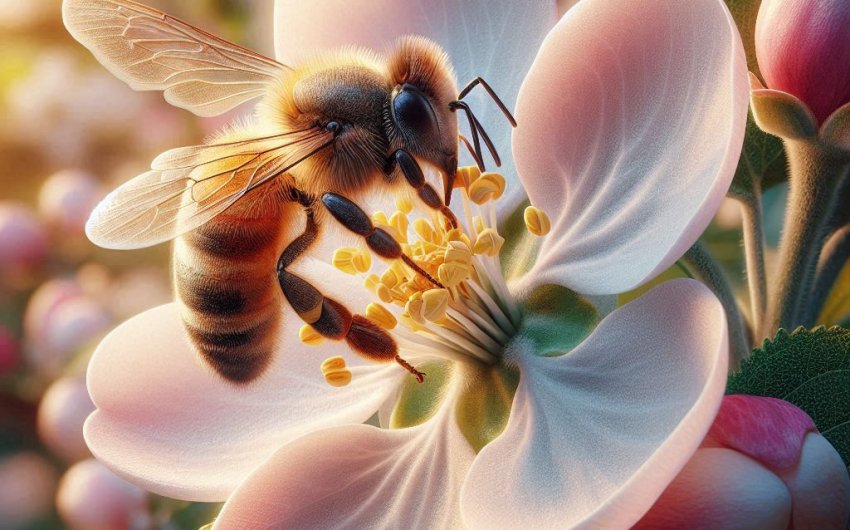
Achieving a bountiful harvest from your fruit trees relies heavily on a critical natural process: pollination. Without effective transfer of pollen from one flower to another, many fruit trees simply won't produce fruit, or will yield very little. While some trees are self-fertile, meaning they can pollinate themselves, many popular varieties require help from external sources to move pollen between flowers, or even between different trees. Understanding the role of these helpful creatures and how to attract them is fundamental to successful fruit growing.
Why Are Pollinators So Important for Fruit Trees?
The vast majority of fruit trees depend on pollinators to transfer pollen, leading to fertilization and fruit development. This process is more than just a convenience; it's an essential step in the reproductive cycle of the tree. Without effective pollination, flowers might bloom beautifully but never turn into the apples, cherries, or peaches you desire.
What is Pollination?
Pollination is the transfer of pollen grains from the male part of a flower (the anther) to the female part of a flower (the stigma). This transfer can happen in several ways: wind, water, or most commonly for fruit trees, by animals. When a pollinator visits a flower, pollen sticks to its body. As it moves to another flower, some of that pollen rubs off on the stigma, leading to fertilization. This successful fertilization is what triggers the flower to develop into a fruit. It's a delicate and vital dance between plants and animals.
Why Do Some Fruit Trees Need Cross-Pollination?
Many fruit trees are self-incompatible, meaning they cannot pollinate themselves or flowers from the same tree or even genetically identical trees. These varieties require cross-pollination, which means they need pollen from a different, compatible variety of the same fruit type. For example, many apple varieties need pollen from a different apple variety to produce fruit. This genetic diversity ensures stronger, healthier offspring. If you plant a self-incompatible tree without a suitable pollinator nearby, you'll see plenty of blossoms but no fruit.
What is Self-Fertility vs. Self-Incompatibility?
It's important to understand the difference.
- Self-fertile (or self-pollinating) fruit trees can produce fruit with pollen from their own flowers. They still benefit from pollinators to improve fruit set and size, but they don't strictly need another tree for pollination. Examples include some peach, apricot, and sour cherry varieties.
- Self-incompatible fruit trees absolutely require pollen from a different, compatible variety to set fruit. Most apple, pear, sweet cherry, and many plum varieties fall into this category. If you have a self-incompatible tree, you must plant a suitable pollinator partner tree nearby that blooms at the same time. This is a critical point for any aspiring fruit grower.
Who Are the Best Pollinators for Fruit Trees?
While wind plays a minor role for some fruit trees, the primary work of pollination is done by insects. Among insects, some groups are far more effective and common visitors to fruit tree blossoms than others.
Why Are Honey Bees So Important?
Honey bees (Apis mellifera) are often considered the most important and efficient pollinators for commercial fruit production. They are specifically managed and moved by beekeepers to orchards during bloom time.
- High Numbers: A single hive contains thousands of bees, providing a massive workforce.
- Flower Constancy: Honey bees exhibit "flower constancy," meaning they tend to stick to one type of flower during a foraging trip. This makes them highly effective at transferring pollen between flowers of the same fruit tree species, leading to successful pollination.
- Generalists: They visit a wide variety of flowering plants, including most fruit trees. While honey bees are excellent, relying solely on them can be risky due to colony collapse disorder and other factors. Supporting a diverse pollinator population is key. To encourage honey bees, avoid pesticides and plant a variety of flowering plants that bloom throughout the season. Consider a honey bee habitat kit for your garden.
What Role Do Native Bees Play?
Native bees are incredibly diverse and often more efficient pollinators than honey bees for certain crops. This group includes mason bees, leafcutter bees, bumblebees, and many species of solitary bees.
- Efficiency: Many native bees are "buzz pollinators" (sonication), meaning they can vibrate flowers to release pollen that honey bees cannot.
- Cold Tolerance: They are often active in cooler temperatures or light rain, when honey bees might stay in their hives.
- Non-Aggressive: Most native bees are solitary and non-aggressive, making them safe to have around.
- Local Adaptation: They are perfectly adapted to your local ecosystem and its plants. Attracting native bees involves providing diverse native flowering plants, nesting sites (like bare soil, hollow stems, or bee hotels), and avoiding pesticides. A mason bee house can be a great addition.
Are Bumblebees Good Pollinators?
Bumblebees are large, fuzzy native bees that are excellent pollinators.
- Buzz Pollination: They are particularly good at "buzz pollination," which is crucial for some plants (like blueberries and tomatoes) but also beneficial for fruit trees, as it releases more pollen.
- Cold Tolerance: Their large, fuzzy bodies allow them to forage in cooler temperatures and lower light conditions than honey bees, extending the pollination window.
- Effective Pollinators: They carry a lot of pollen on their fuzzy bodies. Bumblebees are social but less aggressive than honey bees and build nests underground or in dense grass. Creating diverse habitats can encourage them.
What About Other Insects?
While bees are the star pollinators, other insects also contribute.
- Flies: Syrphid flies (hoverflies) and blow flies can be surprisingly effective pollinators, especially in cooler weather when bees are less active. Some even mimic bees or wasps.
- Beetles: Certain beetles visit flowers and can transfer pollen, though they are generally less efficient than bees.
- Butterflies and Moths: While beautiful, butterflies and moths are generally not as effective at pollinating fruit trees because they tend to focus on nectar and have less hairy bodies to pick up pollen. However, they do contribute to overall biodiversity. Encouraging a wide variety of beneficial insects creates a resilient pollinator ecosystem in your orchard or garden.
How Can I Attract More Pollinators to My Fruit Trees?
To ensure your fruit trees are well-pollinated, it's essential to create an inviting environment for these beneficial insects. This goes beyond just having the fruit trees themselves.
What Flowers Attract Pollinators?
Planting a diversity of pollinator-friendly flowers around your fruit trees is key. Choose native plants that bloom throughout the year, especially before and after your fruit trees blossom. This provides a continuous food source for pollinators, keeping them in your area.
- Early Spring: Crocuses, pussy willows, and early blooming native wildflowers provide nectar and pollen when fruit trees are just starting to bud.
- Fruit Tree Bloom Time: Beyond the fruit tree blossoms themselves, consider underplanting with plants that attract a wide range of bees, such as clover, dandelion (if you allow them), or specific native wildflowers.
- Late Spring to Fall: Provide continuous blooms with plants like coneflowers, asters, sunflowers, and various herbs (lavender, mint, oregano when flowering). A consistent supply of food ensures a healthy and thriving pollinator population. A pollinator seed mix can simplify this.
Why is Providing Water Sources Important?
Pollinators, like all living creatures, need water. Providing shallow water sources can attract and sustain bee populations.
- Bird baths with rocks: Place pebbles or stones in a shallow bird bath so bees have a landing spot and don't drown.
- Mud puddles: Bees also collect minerals from muddy areas.
- Dripping water: A slow drip from a hose onto a rock can create a popular watering hole. Ensure any water source is clean and free of chemicals.
How Can I Create Nesting Sites for Native Bees?
Many native bees are solitary and do not live in large hives. Providing suitable nesting sites is crucial for their survival and encourages them to take up residence near your fruit trees.
- Bee hotels: These structures contain hollow tubes (bamboo, cardboard, or drilled wood blocks) where mason bees and other solitary bees can lay their eggs. Place them in a sunny, sheltered spot.
- Bare ground: Many ground-nesting bees need undisturbed patches of bare, well-drained soil.
- Pithy stems: Leave hollow or pithy stems from plants like elderberry, sunflower, or raspberry in your garden; some bees nest inside them.
- Brush piles and logs: These can provide shelter and nesting sites for bumblebees and other insects.
- Avoid tilling: Reducing tillage in garden beds can protect ground-nesting bees.
What Are Safe Pest Management Practices?
Pesticides, especially insecticides, are a major threat to pollinators. Adopt pollinator-friendly pest management practices:
- Avoid broad-spectrum insecticides: These kill beneficial insects along with pests.
- Identify pests first: Don't spray unless you've identified the pest and know it's a threat.
- Use targeted treatments: Opt for pest-specific or organic solutions when necessary, such as horticultural oils or insecticidal soaps.
- Spray at night or not during bloom: If you must spray, do so when pollinators are not active (e.g., late evening) and never during bloom time.
- Embrace beneficial insects: Encourage natural predators of common fruit tree pests.
- Pruning and sanitation: Remove diseased or infested branches manually. A healthy ecosystem with diverse plants and natural predators will reduce reliance on chemical interventions.
Should I Tolerate Some Weeds?
Yes, tolerating some "weeds" can be highly beneficial for pollinators. Many common weeds, like dandelions, clover, and vetch, are excellent early-season food sources for bees, providing essential nectar and pollen when other flowers are scarce. Allowing a small patch of these "weeds" to bloom, or planting a bee-friendly ground cover like white clover instead of a pristine lawn, can significantly support your pollinator population. Rethinking your lawn can create more habitat.
What Fruit Trees Require Specific Pollination Strategies?
While general principles apply, some fruit tree types have unique pollination needs that require specific planning to ensure a good harvest.
What About Apple Trees?
Most apple trees are self-incompatible and require a different, compatible apple variety nearby for cross-pollination.
- Pollination Groups: Apple varieties are often grouped by their bloom time (early, mid, late season). You need to select two or more compatible varieties that bloom at the same time to ensure successful cross-pollination.
- Crabapples as Pollinators: Many homeowners plant a disease-resistant flowering crabapple nearby as a dedicated pollinator for their apple trees. Crabapples are excellent pollen producers and can pollinate most apple varieties, provided their bloom times overlap.
- Triploid Varieties: Some apple varieties (called triploids, e.g., 'Mutsu' or 'Jonagold') have sterile pollen and cannot pollinate other trees, even though they need cross-pollination themselves. If you have a triploid, you'll need two other compatible diploid varieties: one to pollinate the triploid, and another to pollinate that second variety. This can get complicated, so it's often easier to stick to diploid varieties if you're a beginner. A guide to apple varieties can help identify ideal pairings.
How Do Pears Pollinate?
Similar to apples, most pear trees are self-incompatible and require a different, compatible pear variety for cross-pollination.
- European Pears: Most European pear varieties need a different European pear for pollination.
- Asian Pears: Most Asian pear varieties also need cross-pollination from another Asian pear.
- Overlap: Ensure the chosen pear varieties have overlapping bloom times.
- Exception: A few pear varieties might be partially self-fertile, but even these will produce better with a pollinator partner.
What Are the Pollination Needs of Cherries?
Cherry trees have distinct pollination needs based on whether they are sweet or sour.
- Sweet Cherries: Almost all sweet cherry varieties are self-incompatible and require cross-pollination from a different, compatible sweet cherry variety. There are specific compatibility charts for sweet cherries as some varieties cannot pollinate others even if their bloom times overlap.
- Sour Cherries (Tart Cherries): Most sour cherry varieties (e.g., 'Montmorency') are self-fertile and can produce fruit on their own. They will still benefit from pollinators for a better yield.
- "Self-Fertile" Sweet Cherries: A few new sweet cherry varieties have been bred to be self-fertile, offering more flexibility for home growers with limited space.
How Do Plums Pollinate?
Plum trees have varied pollination requirements depending on their type.
- European Plums: Many European plums (Prunus domestica) are self-fertile or partially self-fertile.
- Japanese Plums: Most Japanese plums (Prunus salicina) are self-incompatible and require another compatible Japanese plum variety for cross-pollination.
- Hybrid Plums (Pluots/Pluerries): These interspecific hybrids often have complex pollination requirements and usually need a specific compatible pollinator, sometimes another hybrid, or a specific Japanese plum. Always check the nursery information for these.
What About Peaches and Apricots?
Most peach and apricot trees are generally self-fertile, meaning they can pollinate themselves and produce fruit without another variety.
- Peaches: Almost all standard peach varieties are self-fertile. While pollinators will improve yield, you can often get a decent crop from a single peach tree.
- Apricots: Most apricot varieties are also self-fertile.
- Exceptions: Always double-check specific variety information, as a very few exceptions or partial self-fertility might exist, where a pollinator can still significantly boost yields.
How Can I Ensure Good Pollination in a Small Space?
Even with limited garden space, you can implement strategies to ensure your fruit trees receive adequate pollination and produce fruit.
What is a Pollination Chart?
For self-incompatible fruit trees like apples, pears, and sweet cherries, a pollination chart is an invaluable tool. These charts list fruit varieties and indicate their bloom times (early, mid, late) and their compatibility with other varieties. By consulting a chart, you can select two or more varieties that bloom concurrently and are known to be good pollinators for each other. This is crucial for avoiding disappointment. Many nurseries and university extension offices provide these charts.
Can I Graft a Pollinator Branch?
Yes, grafting a pollinator branch onto a self-incompatible fruit tree is an excellent solution for small spaces. This involves attaching a scion (a small cutting) from a compatible pollinator variety onto your existing tree. Once the graft takes and grows, this new branch will produce the necessary pollen for your tree, acting as a built-in pollinator. This saves space compared to planting an entire second tree. It's a slightly more advanced technique but very rewarding. A grafting tool kit can make the process easier.
What About Multi-Grafted Trees?
Multi-grafted fruit trees, also known as "fruit cocktail" trees, are single trees onto which multiple varieties of the same fruit type have been grafted. These often include compatible pollinator varieties already on the same rootstock. For example, you might find an apple tree with three different apple varieties, each capable of pollinating the others. This is an ideal solution for small yards as it provides cross-pollination within a single tree, saving valuable space while offering a variety of fruits.
Can I Use a Bouquet of Pollinator Branches?
If you have a self-incompatible fruit tree and no suitable pollinator nearby, or if a partner tree isn't blooming at the right time, you can temporarily provide pollen by using a "bouquet" of pollinator branches.
- Cut flowering branches from a compatible pollinator tree (with permission, of course).
- Place these branches in a bucket of water near your blooming fruit tree, ideally hanging them within its canopy.
- As long as the flowers on the cut branches remain fresh and shed pollen, visiting bees will transfer pollen from them to your tree's blossoms. This is a good emergency or temporary solution, but a permanent pollinator partner is always best.