
How to Grow Pawpaw Fruit in Your Backyard?
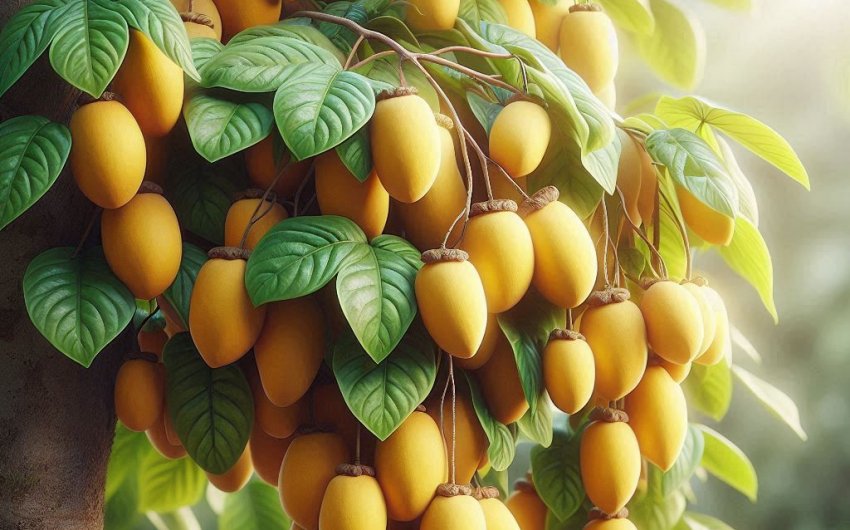
For fruit enthusiasts looking to add a truly unique and delicious native gem to their home orchard, the pawpaw fruit (Asimina triloba) offers a delightful and rewarding challenge. This fascinating tree, often hailed as "America's forgotten fruit," produces custardy, tropical-flavored fruit in temperate climates, without the need for extensive care or pesticides often associated with other fruit trees. Learning how to grow pawpaw fruit in your backyard means unlocking a taste of the exotic, straight from your own garden.
What Makes Pawpaw Fruit So Special for Backyard Growers?
The pawpaw fruit is experiencing a resurgence in popularity, and for good reason! For backyard growers, it offers a unique combination of delicious flavor, surprising resilience, and cultural significance that sets it apart from more common fruit trees. It's truly a special addition to any home orchard.
The Unique Flavor and Nutritional Benefits
One of the most compelling reasons to grow pawpaw fruit is its unique flavor and impressive nutritional benefits. It's unlike anything else you can pick from a tree in temperate North America.
- Custardy, Tropical Flavor: The taste of a ripe pawpaw is often described as a creamy, tropical blend of banana, mango, and pineapple, with hints of vanilla. The texture is soft and custardy, almost like a pudding. This exotic flavor profile makes it a highly sought-after fruit by chefs and foodies.
- A Taste of Homegrown Exotics: For gardeners in cooler climates who can't grow true tropical fruits like mangoes or papayas, the pawpaw offers a wonderful taste of the tropics that's completely hardy in their backyard. The satisfaction of harvesting such a unique fruit from your own tree is immense.
- Rich in Nutrients: Beyond its delicious flavor, pawpaw fruit is packed with nutrients. It's a good source of:
- Vitamin C: Important for immune health.
- Manganese: An essential mineral for bone health and metabolism.
- Iron: Key for oxygen transport in the body.
- Magnesium: Involved in hundreds of bodily functions.
- Copper: Essential for energy production and iron metabolism.
- It also contains good levels of potassium, phosphorus, and some amino acids. In fact, some studies show it has higher levels of certain vitamins and minerals than apples, peaches, or grapes.
- Unique Compounds: Pawpaws contain acetogenins, a group of compounds that have shown promise in scientific research, although more study is needed.
The combination of an unforgettably delicious and uniquely tropical taste with a healthy nutritional profile makes the pawpaw fruit a truly special and rewarding crop for any backyard grower.
Native Resilience and Low Maintenance Qualities
Beyond its amazing fruit, the pawpaw tree itself is remarkably appealing to backyard growers due to its native resilience and low maintenance qualities. It's a plant that largely takes care of itself once established, offering a welcome contrast to some more demanding fruit trees.
- Native to North America: Pawpaws are indigenous to a wide swath of eastern North America, growing wild from Florida to Canada. This means they are naturally adapted to the climate, soils, and environmental conditions of these regions. They've evolved to thrive without human intervention for centuries.
- Pest and Disease Resistance: One of the greatest advantages for the home gardener is the pawpaw's natural resistance to most common tree pests and diseases. Unlike apples or peaches, which often require sprays to combat fungal issues or insect infestations, pawpaws generally don't need regular chemical treatments. This makes them an excellent choice for organic gardeners and those seeking a truly low-spray fruit.
- Drought Tolerance (Once Established): While young pawpaw trees need consistent moisture, mature trees are surprisingly tolerant of dry periods. Their deep root systems allow them to access water far below the surface, reducing the need for supplemental irrigation once they're well-established.
- Shade Tolerance (When Young): Uniquely for a fruit tree, pawpaws actually prefer some shade when they are very young, mimicking their natural tendency to grow as understory plants in forests. This can make initial planting easier in partially shaded areas, though they will need more sun to fruit well as they mature.
- Minimal Pruning: Pawpaws require very little pruning compared to other fruit trees. Primarily, you'll be removing dead, damaged, or crossing branches to maintain good air circulation and shape.
This combination of hardiness, disease resistance, and minimal maintenance makes the pawpaw tree an exceptionally rewarding choice for those looking to grow pawpaw fruit in their backyard with less fuss and worry, contributing to a more sustainable and low-input garden.
How Do You Choose and Prepare the Right Site for Pawpaws?
Before planting your pawpaw trees, careful site selection and preparation are crucial. While these trees are resilient, giving them a good start in the right environment will ensure healthy growth and bountiful harvests for years to come.
Site Selection: Sun Exposure and Shelter
Choosing the ideal location for your pawpaw trees is vital for their long-term health and fruit production. You need to balance their unique needs for sun and shelter.
- Sun Exposure: This is a bit tricky with pawpaws.
- Young Trees (First 1-2 Years): Pawpaws in their seedling stage and for the first couple of years prefer partial shade, mimicking their natural growth as understory trees in a forest. Direct, intense afternoon sun can scorch their delicate young leaves. A spot that gets morning sun and afternoon shade, or dappled light all day, is ideal initially. You might even consider using a temporary tree shade cloth for the first year if planting in a very sunny spot.
- Mature Trees (For Fruiting): Once established (usually after 2-3 years), pawpaw trees need full sun (at least 6-8 hours of direct sunlight per day) to produce abundant fruit. Trees in too much shade will grow fine but will produce very little to no fruit. So, choose a site that starts with some protection but will transition to full sun as the trees grow taller than any surrounding temporary shade.
- Shelter from Wind: While hardy, strong winds can damage branches and fruit, especially during pollination. A location that offers some natural shelter from prevailing winds (perhaps near a building, a fence, or a row of other trees) can be beneficial, particularly during their younger years.
- Air Circulation: While shelter is good, stagnant air is not. Ensure the site has good air circulation to prevent fungal issues, although pawpaws are generally disease-resistant.
- Avoid Frost Pockets: Like all fruit trees, avoid low-lying areas where cold air collects, as late spring frosts can damage early blooms and impact fruit set.
Finding a spot that provides initial shade and eventually transitions to full sun, along with some protection from strong winds, will create an optimal environment for your pawpaw trees to grow and produce delicious pawpaw fruit.
Soil Preparation: Drainage, pH, and Organic Matter
Pawpaw trees are not overly fussy once established, but proper soil preparation is key to giving them a strong start. Focusing on drainage, pH, and organic matter will create an ideal growing medium.
- Drainage is Paramount: Pawpaws absolutely do not tolerate wet feet (soggy soil). While they like consistent moisture, their roots will rot in poorly draining conditions.
- Test Drainage: Dig a hole about a foot deep and fill it with water. If the water drains within a few hours, your drainage is good. If it sits for more than 12-24 hours, you have a drainage problem.
- Improve Drainage: If drainage is poor, consider planting on a slight mound or raised bed. You can also amend heavy clay soils with organic matter (but avoid sand, which can create a "concrete" effect).
- Soil pH: Pawpaws prefer a slightly acidic to neutral soil pH, ideally between pH 5.5 and 7.0.
- Test pH: Use a simple soil testing kit to determine your current soil pH.
- Adjust pH: If your soil is too alkaline (above 7.0), you can lower the pH by adding elemental sulfur. If it's too acidic (below 5.5), you can raise it by adding agricultural lime. Make adjustments several months before planting.
- Organic Matter: Pawpaws thrive in rich, fertile soil. Incorporating plenty of organic matter into the planting area is highly beneficial.
- Sources: Add well-rotted compost, aged manure, or leaf mold to the planting hole and surrounding soil. This improves soil structure, drainage, water retention, and provides a slow release of nutrients.
- Benefits: Organic matter creates a loamy soil that is ideal for pawpaw root development.
By paying close attention to drainage, pH, and organic matter during soil preparation, you'll provide your pawpaw trees with the healthy foundation they need to flourish and produce abundant pawpaw fruit in your backyard.
How Do You Plant Pawpaw Trees for Success?
Once you've chosen and prepared your site, the act of planting your pawpaw trees is the next critical step. This process requires a bit of care to ensure the delicate young root systems establish well, setting the stage for future fruit production.
Choosing and Acquiring Pawpaw Trees
Before you plant, you need to select the right pawpaw trees. This involves understanding their pollination needs and choosing healthy young plants.
- Pollination Requirement: Plant at Least Two (Different Varieties): This is perhaps the most crucial fact about pawpaw fruit production. Most pawpaw varieties are self-incompatible, meaning a single tree cannot pollinate itself to produce fruit. You need at least two different varieties of pawpaw trees to ensure cross-pollination. Planting two trees from the same "parent" (e.g., from the same seedling batch if grown from seed, or two clones of the same named variety) won't work. They need genetically different partners.
- Example: If you plant a 'Shenandoah' and a 'Susquehanna' pawpaw, they will pollinate each other. If you plant two 'Shenandoah' trees, they will likely not produce fruit.
- Nursery Stock (Potted Plants): Buying bare-root pawpaw trees can be challenging due to their sensitive root systems. It's generally recommended to acquire potted pawpaw trees from a reputable nursery. Look for plants that have been grown in deep pots (often called "tree pots" or "air-pruning pots") to accommodate their taproot.
- Named Varieties vs. Seedlings:
- Named Varieties: These are propagated clonally (usually by grafting) from superior parent trees and guarantee the fruit quality and characteristics (size, flavor, ripeness) of that specific cultivar. They are more expensive but offer predictable results. Examples include 'Shenandoah', 'Susquehanna', 'Prima 1216', 'NC-1'. You can order grafted pawpaw trees online.
- Seedlings: Grown from seed, these are genetically diverse. Their fruit quality will vary widely, from excellent to mediocre, and they take longer to fruit. However, they are often cheaper. If planting seedlings, plant at least two from different parentage (or collect seeds from different wild trees if you have access) to ensure genetic diversity for pollination.
- Healthy Plants: Choose plants with healthy, green leaves, no signs of pests or disease, and a strong, straight central leader. Avoid plants that look stressed, leggy, or pot-bound.
By carefully selecting and acquiring the right pawpaw trees, especially ensuring you have two different varieties for cross-pollination, you're setting yourself up for successful pawpaw fruit harvests.
Planting Process: Care for the Taproot
The planting process for pawpaw trees is unique, mainly due to their notoriously sensitive taproot. Careless handling of the roots can set the tree back significantly or even kill it.
- Timing: Plant pawpaw trees in the spring after the last frost, when the soil has warmed up and before the intense heat of summer. Fall planting can also work in milder climates, giving roots time to establish before spring growth.
- Dig the Right Hole: Dig a planting hole that is as deep as the root ball and about 2-3 times as wide. The width is more important than the depth, as it allows roots to spread out into loosened soil.
- Handle with Extreme Care: This is the most crucial step. Pawpaws have a deep taproot and very fragile feeder roots. Do not disturb the root ball any more than absolutely necessary.
- Gently remove the tree from its pot. If roots are circling, very gently loosen only the outermost few to encourage outward growth, but avoid breaking up the main root ball.
- Do NOT cut or prune the taproot.
- Do NOT bare-root the plant. The soil around the root ball should remain intact.
- Planting Depth: Place the tree in the hole so that the top of the root ball is level with or slightly above the surrounding soil grade. Planting too deep can suffocate the roots. The "root flare" (where the trunk widens at the base) should be visible at or just above soil level.
- Backfill Gently: Backfill the hole with the amended soil you prepared earlier. Gently tamp down the soil around the root ball to remove large air pockets, but do not compact it heavily. You can use your hands or gently step on the soil.
- Water Thoroughly: Immediately after planting, water the tree deeply and slowly. This helps settle the soil around the roots and removes any remaining small air pockets. Consider using a watering tree ring to ensure deep, consistent watering for the first few months.
- Mulch: Apply a 2-4 inch layer of organic mulch (like wood chips or shredded bark) around the base of the tree, keeping it a few inches away from the trunk. Mulch conserves moisture, suppresses weeds, and moderates soil temperature.
- Provide Initial Shade (Crucial for Young Trees): For the first 1-2 years, you must protect young pawpaw trees from intense afternoon sun. You can use a shade cloth on stakes, a temporary fence, or plant them on the east side of a larger shrub or structure. This initial shade is vital for their establishment.
By taking these precise steps during the planting process, especially with careful handling of the taproot, you give your pawpaw trees the best possible start in your backyard, paving the way for eventual harvests of delicious pawpaw fruit.
How Do You Care for Pawpaw Trees for Optimal Fruiting?
Once your pawpaw trees are in the ground, ongoing care is relatively low-maintenance, a testament to their native resilience. However, a few key practices will ensure your trees grow strong and produce the abundant, delicious pawpaw fruit you're hoping for.
Watering, Fertilizing, and Pollination
Consistent watering, careful fertilizing, and intentional pollination are the pillars of care for pawpaw trees that aim for optimal fruiting.
- Watering:
- Young Trees (First 2-3 Years): Critical for establishment. Water young pawpaw trees regularly and consistently, especially during dry spells. The goal is consistently moist soil, but never soggy. Aim for about 1 inch of water per week, either from rain or irrigation. You might need to water more frequently in hot, dry weather. A tree watering bag can provide slow, deep watering.
- Mature Trees: Once established (after 2-3 years and with a robust root system), pawpaw trees are surprisingly drought-tolerant and generally only need supplemental watering during extended dry periods. Continue to use mulch to help retain soil moisture.
- Fertilizing:
- First Year: Avoid fertilizing in the first year after planting. The goal is to encourage root growth into the native soil, not just leafy top growth. The organic matter added during planting should be sufficient.
- Subsequent Years: From the second year onwards, you can apply a balanced, organic slow-release fertilizer in early spring. A fruit tree specific fertilizer or a general-purpose fertilizer with an NPK ratio like 5-10-5 or 10-10-10 works well. Follow label instructions for dosage based on tree size. Alternatively, top-dress with compost or well-rotted manure annually to provide a gentle, continuous nutrient supply and improve soil health.
- Avoid High Nitrogen: Too much nitrogen can promote excessive leafy growth at the expense of fruit production.
- Pollination (Crucial for Fruit Set!): This is often the biggest hurdle for pawpaw growers.
- Cross-Pollination Needed: As mentioned, most pawpaw varieties are self-incompatible and require pollen from a genetically different tree for fruit set. This is why you need to plant at least two different varieties.
- Pollinators: Pawpaw flowers are unique. They are pollinated primarily by flies and beetles, not bees, and they have a subtle, sometimes unpleasant, yeasty or carrion-like scent that attracts these insects. They are maroon-purple and hang downwards.
- Hand Pollination (Optional but Recommended): If you have poor fruit set, you can hand pollinate to ensure success, especially when trees are young or if natural pollinator activity is low.
- In the morning, find newly opened, receptive female flowers (pistillate stage – the pistil, the female part, looks shiny and sticky, usually with 3-6 green parts in the center).
- Find older, male-stage flowers (staminate stage – pollen is shed, looking like powdery yellow balls on anthers). These are often flowers that opened a day or two earlier.
- Collect pollen using a small, soft paintbrush or cotton swab.
- Gently transfer the pollen to the pistil of the receptive female flowers on a different variety.
- Attracting Pollinators: Some growers hang rotting fruit or fish scraps near the trees during bloom time to attract more flies, though this can also attract other unwanted critters.
By meticulously managing watering, fertilization, and especially pollination, you significantly increase your chances of abundant harvests of delicious pawpaw fruit from your backyard trees.
Pruning and Pest/Disease Management
Compared to other fruit trees, pawpaw trees require relatively minimal pruning and pest/disease management, making them an excellent low-maintenance choice for the home gardener.
- Pruning:
- When to Prune: Prune in late winter or early spring while the trees are dormant, before new growth begins.
- Minimal Pruning for Mature Trees: Pawpaws don't require extensive annual pruning. The goal is primarily to maintain health, structure, and accessibility.
- Remove Dead, Damaged, or Crossing Branches: Cut out any branches that are dead, broken, diseased, or rubbing against each other.
- Maintain Single Leader (Optional): For a more upright, tree-like form, you can train young trees to a single central leader. However, a multi-stemmed, shrub-like form is also natural for pawpaws.
- Open the Canopy (Slightly): If the canopy becomes very dense, light pruning to open it slightly can improve air circulation and sunlight penetration, which may enhance fruit quality and reduce disease risk.
- Sucker Removal: Pawpaws can produce suckers from their roots. Remove these suckers at the ground level unless you want them to grow into a thicket (which is natural for pawpaws but can reduce individual tree productivity).
- Pest Management:
- General Resistance: Pawpaws are remarkably resistant to most common insect pests and diseases that plague other fruit trees. This is a huge benefit for organic growers and those who prefer a low-spray approach.
- Pawpaw Peduncle Borer: This is one of the few pests that can occasionally be an issue, boring into flower stems and causing premature flower drop. It's usually not a major problem for backyard growers.
- Zebra Swallowtail Caterpillar: This is a beautiful butterfly whose larvae feed exclusively on pawpaw leaves. While they will defoliate some leaves, they rarely cause significant damage to mature trees and are not considered a major pest. Many growers welcome them.
- Monitoring: Periodically inspect your trees for any unusual insect activity or signs of damage. Healthy trees are generally resilient. You can use general organic pest control for fruit trees if absolutely necessary, but it's rarely needed.
- Disease Management:
- General Resistance: Pawpaws are also highly resistant to most common tree diseases.
- Powdery Mildew/Fungal Spots: In very humid conditions, or if air circulation is poor, you might occasionally see powdery mildew or some leaf spot diseases. These are generally not life-threatening to the tree and can be managed by ensuring good air circulation and cleaning up fallen leaves.
- Overwatering/Poor Drainage: The main "disease" issue for pawpaws is root rot caused by soggy soil. This is why proper site selection and soil preparation for drainage are so critical.
With minimal but consistent attention to pruning and a general monitoring approach for pests and diseases, your pawpaw trees will remain healthy and productive, ensuring a steady supply of delicious pawpaw fruit from your backyard.
What Are the Signs of Ripe Pawpaw Fruit and How Do You Harvest It?
The moment of truth for any pawpaw grower is the harvest! Knowing exactly when your pawpaw fruit is ripe and how to properly pick it ensures you get to enjoy the custardy, tropical flavor at its peak.
Recognizing Ripe Pawpaw Fruit
Identifying a perfectly ripe pawpaw fruit is crucial, as they don't ripen well if picked too early, and they spoil quickly once fully mature. It's a sensory experience.
- Softness to the Touch: This is the primary indicator. Gently squeeze the fruit. A ripe pawpaw will feel soft, similar to a ripe avocado or a very soft peach. It should yield slightly to gentle pressure. If it's rock hard, it's not ready. If it's mushy, it's overripe.
- Skin Color Change: The skin color typically changes from a bright, uniform green to a slightly lighter green with yellowish undertones. Some varieties may develop faint brown or black spots or mottling on the skin as they ripen, which is normal and not a sign of spoilage. Don't wait for it to be uniformly brown like an overripe banana; the slight yellowing and mottling are key.
- Aromatic Scent: A truly ripe pawpaw will emit a strong, sweet, and tropical fragrance. You might even smell it before you see the fruit on the tree.
- Easy Detachment from Tree: A ripe pawpaw will usually detach easily from the branch with a gentle tug. If you have to pull hard, it's not ready. Some perfectly ripe fruit might even fall to the ground on their own. However, if they fall, try to collect them quickly to avoid bruising or damage from pests.
- Timing: Pawpaws typically ripen in late summer to early fall, usually from late August through October, depending on your climate and variety. The ripening period for a single tree can last a few weeks.
Learning to discern these signs is essential for harvesting pawpaw fruit at its peak flavor and texture, transforming your backyard into a source of exotic delight.
Harvesting Techniques and Storage Tips
Once you've identified ripe pawpaw fruit, knowing the best harvesting techniques and storage tips will help you enjoy your bounty for as long as possible. Pawpaws are notoriously perishable, so quick action is key.
- Harvesting:
- Gentle Pick: When a fruit feels soft to the touch and releases easily, gently twist it from the branch. Handle the fruit carefully, as ripe pawpaws bruise very easily.
- Collect Fallen Fruit Quickly: If ripe fruit falls to the ground, collect it immediately to prevent bruising, spoilage, or consumption by animals. Place them gently in a basket or padded container.
- Daily Check: During peak ripening season, check your trees daily, as fruit can ripen very quickly, sometimes in just a day or two after feeling firm.
- Post-Harvest Handling:
- Don't Wash Immediately: Avoid washing fruit until just before consumption to prevent premature spoilage.
- Sort: Separate any bruised or overripe fruit from perfectly ripe ones. Use bruised fruit immediately for cooking or processing.
- Storage Tips: Pawpaws have a very short shelf life at room temperature, typically only a few days once fully ripe.
- Room Temperature: Ripe fruit will last 2-3 days at room temperature. Use immediately or prepare for storage.
- Refrigeration: Uncut, ripe pawpaw fruit can be stored in the refrigerator for about 1-2 weeks. Place them in a single layer in a crisper drawer or a breathable bag.
- Freezing (Best for Longer Storage): This is the most common and effective way to store pawpaws for extended periods (up to a year or more).
- Wash the ripe fruit.
- Cut the fruit in half, scoop out the flesh with a spoon, and remove the large black seeds.
- The flesh can be pureed in a blender or food processor.
- Portion the puree into freezer bags or airtight containers. Label with the date.
- Freeze. Frozen pawpaw puree is excellent for smoothies, ice cream, baked goods, and other desserts.
- Seed Saving: If you want to grow more pawpaw trees from seed, collect the clean seeds and store them in a moist, cool place (stratification) until spring. You can buy a fruit processing kit to help.
By carefully harvesting and properly storing your pawpaw fruit, you can extend the enjoyment of this unique backyard delicacy well beyond its brief ripening season.