
How to Create a Food Forest with Fruit Trees?
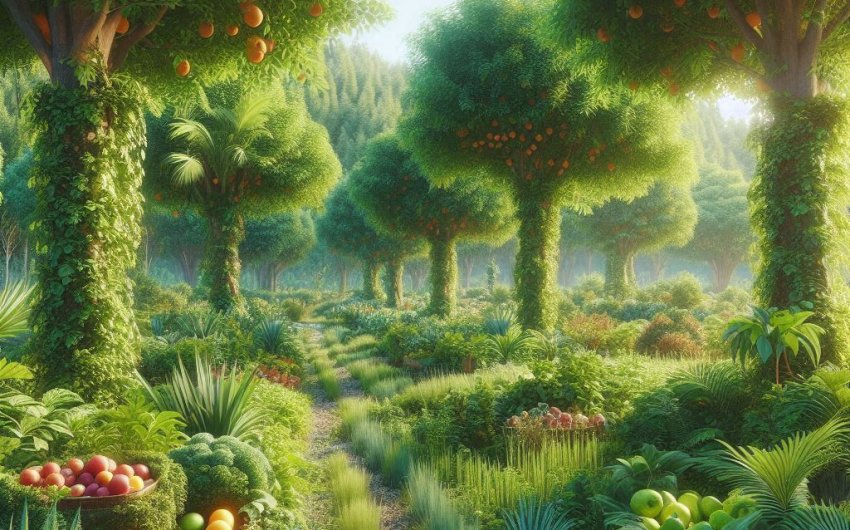
To create a food forest with fruit trees, you design a multi-layered, self-sustaining ecosystem that mimics a natural forest, focusing on perennial edible plants. This involves carefully selecting compatible fruit trees as the canopy layer, then integrating understory trees, shrubs, herbaceous plants, groundcovers, and root crops that support each other, build soil fertility, and produce abundant food with minimal human intervention over time.
What is a Food Forest?
A food forest, also known as a forest garden, is a perennial polyculture system that incorporates fruit and nut trees, shrubs, herbs, vines, and perennial vegetables. It's designed to mimic the structure and functions of a natural forest ecosystem, but with the primary goal of producing food.
Key Principles of a Food Forest
- Perennial Dominance: Focuses on plants that live for many years, reducing the need for annual planting.
- Multi-Layered Design: Utilizes different vertical layers of plants, maximizing space and light capture.
- Polyculture: Diverse plant species are grown together, fostering biodiversity and resilience.
- Self-Sustaining: Aims to minimize external inputs (fertilizers, pesticides, irrigation) over time, as the system matures.
- Mimics Nature: Operates on ecological principles, allowing natural processes like nutrient cycling and pest control to take over.
Why Create a Food Forest?
- Abundant Food Production: Provides a continuous yield of diverse fruits, nuts, berries, vegetables, and herbs.
- Low Maintenance (Once Established): Requires less work than traditional annual gardening once the system matures, as plants largely care for themselves.
- Increased Biodiversity: Attracts beneficial insects, pollinators, and wildlife, creating a healthy ecosystem.
- Soil Health Improvement: Builds healthy, fertile soil through organic matter accumulation, nitrogen fixation, and reduced disturbance.
- Water Conservation: Dense planting and mulching help retain soil moisture, reducing irrigation needs.
- Resilience: A diverse system is more resistant to pests, diseases, and climate fluctuations.
- Beauty and Aesthetics: Creates a lush, natural, and beautiful landscape.
What Are the Layers of a Food Forest?
The multi-layered design is fundamental to a food forest, allowing you to maximize productivity in a given area. Each layer plays a role in supporting the overall ecosystem.
1. Canopy Layer (Tallest Trees)
- Description: The largest, tallest trees, forming the upper canopy. These are typically large fruit or nut trees.
- Function: Provides shade, shelter, and a microclimate for the layers below. Produces the primary harvest.
- Examples of Fruit Trees:
- Apples: (Dwarf or semi-dwarf varieties for smaller spaces)
- Pears: (Dwarf or semi-dwarf)
- Cherries: (Sweet or sour, dwarf varieties)
- Plums:
- Peaches/Nectarines: (Require more specific climate considerations)
- Persimmons:
- Pawpaws: (Native, shade-tolerant understory trees, but can form a canopy in smaller systems)
- Mulberries:
- Nut Trees: Walnuts, Chestnuts (can be large, choose carefully).
2. Understory Tree Layer (Smaller Trees)
- Description: Smaller fruit trees or large shrubs that thrive in partial shade or reach just below the canopy.
- Function: Produce additional fruit, provide shade for lower layers, and add vertical structure.
- Examples:
- Dwarf Fruit Trees: Dwarf apples, pears, peaches.
- Fig Trees:
- Serviceberry (Amelanchier): Edible berries, native.
- Hazelnut: Edible nuts, can be grown as a large shrub or small tree.
- Pawpaw: If not already in the canopy, it is an excellent understory tree.
- Bush Cherries:
- Citrus: In appropriate climates or protected zones.
3. Shrub Layer (Berries and Small Fruits)
- Description: Medium-sized shrubs that produce berries and other fruits, thriving in partial sun.
- Function: Provide diverse fruit harvests, attract pollinators, and contribute to ground cover.
- Examples:
- Blueberries: (Require acidic soil)
- Raspberries/Blackberries: (Can be aggressive, consider trellising)
- Currants/Gooseberries:
- Elderberries:
- Jostaberries:
- Aronia (Chokeberry):
- Nanking Cherries:
4. Herbaceous Layer (Perennial Vegetables and Herbs)
- Description: Non-woody perennial plants that die back in winter, including culinary herbs, perennial vegetables, and flowers.
- Function: Produce food, suppress weeds, attract beneficial insects, improve soil, and can act as dynamic accumulators (bringing up nutrients from deep in the soil).
- Examples:
- Perennial Vegetables: Asparagus, Rhubarb, Artichokes, Sorrel, Lovage.
- Culinary Herbs: Mint (plant in containers!), Oregano, Thyme, Rosemary, Sage, Chives.
- Dynamic Accumulators: Comfrey, Dandelion (edible leaves).
- Beneficial Insect Attractors: Yarrow, Dill, Fennel, Marigolds.
5. Groundcover Layer (Low-Growing Edibles)
- Description: Spreading plants that cover the soil, suppressing weeds and often producing fruit.
- Function: Protect the soil, retain moisture, prevent erosion, and provide low-level harvests.
- Examples:
- Strawberries: (Wild or cultivated varieties)
- Cranberries: (For acidic, wet areas)
- Lingonberries:
- Clover: (Nitrogen fixer, edible flowers for some types)
- Creeping Thyme:
- Violets: (Edible flowers and leaves)
6. Rhizosphere (Root Layer)
- Description: Plants that produce edible roots, tubers, or rhizomes.
- Function: Harvestable food, loosen soil, improve soil structure.
- Examples:
- Potatoes (Perennial varieties): Groundnut (Apios americana).
- Jerusalem Artichokes (Sunchokes): Can be very vigorous, plant with care.
- Oca:
- Daylilies: (Edible tubers)
7. Vertical Layer (Climbers and Vines)
- Description: Plants that climb up trees or trellises, utilizing vertical space.
- Function: Maximize vertical growing area, provide additional harvests.
- Examples:
- Grapes:
- Kiwi (Hardy Kiwi):
- Passion Fruit: (In warmer climates or protected areas)
- Hops: (Edible shoots and flowers for brewing)
- Malabar Spinach: (Perennial in warm zones)
How Do I Plan and Design My Food Forest?
Careful planning is essential for a successful and low-maintenance food forest. Don't rush this stage.
1. Site Analysis
- Sunlight: Map out how much direct sunlight different areas receive throughout the day, in both summer and winter. This is critical for placing fruit trees.
- Water Access: Identify water sources and plan for irrigation (though a mature food forest should reduce irrigation needs).
- Soil Type: Conduct a soil test to understand its pH, nutrient levels, and texture. This informs plant selection and necessary amendments.
- Existing Features: Note any existing trees, structures, pathways, or utilities.
- Slope and Drainage: Observe how water flows through the site.
2. Define Your Goals
- Primary Harvests: What fruits do you want most?
- Yield Expectations: Are you aiming for subsistence, surplus for sharing, or just a diverse garden?
- Aesthetics: Do you prefer a wild, natural look or a more manicured appearance?
- Time Commitment: How much time are you willing to invest, especially in the first few years?
3. Choose Your Plants (Plant Selection)
This is the heart of the design. Focus on:
- Climate Suitability: Select plants hardy to your USDA zone and suited to your specific microclimate.
- Sunlight Needs: Match plants to the light conditions of their chosen layer.
- Compatibility (Guilds): Look for plants that work well together (plant guilds).
- Nitrogen Fixers: (e.g., Peas, Beans, Clover, Autumn Olive, Siberian Pea Shrub) improve soil fertility.
- Dynamic Accumulators: (e.g., Comfrey, Dandelion) bring up nutrients from deep in the soil.
- Pest Deterrents: (e.g., Marigolds, Garlic, certain herbs) naturally repel pests.
- Pollinator Attractors: (e.g., Echinacea, Borage, Lavender) encourage bees and other beneficial insects.
- Harvest Times: Choose varieties that ripen at different times for a continuous harvest.
- Pollination Needs: Research if your fruit trees require cross-pollination from another variety.
- Pest/Disease Resistance: Select varieties known for their resilience.
4. Design the Layout
- Start with Canopy Trees: These are the longest-lived and most impactful. Place them according to mature size and sunlight requirements. Allow adequate spacing between them.
- Fill in Layers: Once canopy trees are placed, fill in the understory, shrub, herbaceous, groundcover, and vertical layers, considering light needs and companion planting.
- Access Paths: Plan paths for access for harvesting, maintenance (especially in the early years), and enjoyment. Consider permeable materials like wood chips.
- Water Management: Incorporate swales, rain gardens, or catchments to manage water effectively.
How Do I Establish My Food Forest?
Establishing a food forest is a multi-year process, but the initial steps set the stage for long-term success.
1. Site Preparation
- Clear and Suppress Weeds: Remove existing weeds. Techniques include sheet mulching (layering cardboard, compost, and wood chips), solarization (covering with clear plastic in sun), or occultation (covering with black plastic). Avoid heavy tilling, as it disrupts soil structure.
- Improve Soil: Amend the soil based on your soil test results. Add compost, aged manure, and organic matter. Improve drainage if needed.
2. Planting
- Plant in Stages: It's often easier to plant the canopy trees first, then the understory, then the shrubs and lower layers.
- Proper Planting:
- Dig a hole twice as wide as the root ball and just as deep.
- Gently loosen circling roots.
- Place the tree so the root collar (where the roots meet the trunk) is at or slightly above ground level.
- Backfill with amended soil, gently tamping to remove air pockets.
- Water thoroughly.
- Tree Guards: Protect young tree trunks from rodents, deer, and weed trimmers.
- Support: Stake young trees if necessary, especially in windy areas.
3. Initial Mulching
- Heavy Mulch Layer: Apply a thick layer (4-6 inches) of organic mulch around all newly planted trees and plants.
- Materials: Wood chips, straw, shredded leaves, aged compost.
- Benefits: Suppresses weeds, retains soil moisture, regulates soil temperature, and slowly adds organic matter as it decomposes.
- Avoid "Volcano Mulching": Keep mulch away from the tree trunk to prevent rot.
4. Irrigation
- Consistent Watering (First Few Years): Young plants, especially trees, need consistent watering to establish deep roots.
- Deep Watering: Water deeply and less frequently to encourage roots to grow down.
- Drip Irrigation: Consider a drip system for efficiency during establishment.
How Do I Maintain a Maturing Food Forest?
Once established, a food forest becomes increasingly self-sufficient, but some ongoing maintenance is still required, especially in the early years.
Mulching
- Ongoing Application: Replenish mulch as it decomposes. This is a primary maintenance activity.
- "Chop and Drop": If you have dynamic accumulator plants (like comfrey) or nitrogen fixers, you can chop their leaves and drop them as mulch in place, adding nutrients.
Pruning
- Fruit Tree Pruning: Regular pruning is essential for fruit trees to maintain health, shape, and maximize fruit production. Prune to improve airflow, remove dead/diseased wood, and open the canopy for light.
- Shrubs/Vines: Prune to manage size, encourage fruiting, and keep pathways clear.
Pest and Disease Management (Ecological Approach)
- Observe and Identify: Regularly inspect your plants.
- Encourage Beneficials: Attract and protect birds, predatory insects (ladybugs, lacewings), and amphibians.
- Healthy Soil: Resilient plants grown in healthy soil are naturally more resistant to pests and diseases.
- Physical Barriers: Use netting for birds, tree guards for rodents.
- Organic Solutions: Use horticultural oils, neem oil, or insecticidal soaps only as a last resort for severe infestations.
- Diversity: A diverse food forest makes it harder for specific pests to devastate an entire crop.
Weeding
- Reduced Over Time: With proper mulching and dense planting, weeding needs will significantly decrease as the food forest matures.
- Hand Weeding: Address persistent weeds manually.
Fertility Management
- Internal Cycling: A well-designed food forest aims for internal nutrient cycling.
- Compost: Add finished compost periodically to boost soil fertility.
- Worm Composting: Integrate worm bins directly into the food forest for nutrient-rich castings.
- Humanure (Advanced): Some practitioners use properly composted human waste (check local regulations and safety).
Harvesting
- Continuous Harvest: Enjoy diverse fruits, nuts, berries, and herbs throughout the growing season.
- Staggered Ripening: Design your planting to have fruits ripening at different times.
What Are Common Challenges and Tips for Success in a Food Forest?
Creating a food forest is a long-term commitment. Be prepared for challenges and celebrate small successes.
Challenges:
- Initial Labor: The first few years involve significant work in site preparation, planting, and establishing plants.
- Patience: Fruit trees take years to mature and produce significant yields.
- Pest/Disease Outbreaks: Despite best efforts, localized issues can occur.
- Weed Pressure: Can be intense in the first year or two before groundcovers establish.
- Plant Mortality: Not every plant will survive. Be prepared to replace.
Tips for Success:
- Start Small: Don't try to implement a massive food forest all at once. Start with a manageable section (e.g., a "guild" around one fruit tree) and expand over time.
- Learn Your Plants: Research the specific needs and habits of each plant you introduce.
- Observe: Pay attention to how your plants interact, how sunlight changes, and what pests or beneficials appear. Nature is your best teacher.
- Embrace Imperfection: A food forest is not a manicured garden. Acknowledge that some plants may not thrive, and some leaves might be chewed. Focus on the overall health and abundance of the system.
- Mulch, Mulch, Mulch: This cannot be overemphasized. It's the foundation of a low-maintenance, healthy food forest.
- Connect with Local Experts: Join permaculture groups, local gardening clubs, or extension services for advice tailored to your region.
- Be Patient: A true food forest takes years to mature into a self-sustaining ecosystem. The rewards are well worth the wait.
Creating a food forest with fruit trees is a deeply ecological and rewarding gardening endeavor. By understanding the layered design, carefully planning your plant choices, dedicating effort to initial establishment, and embracing an ethos of observation and natural processes, you can transform your yard into a resilient, biodiverse, and incredibly productive edible landscape that provides fresh, healthy food for years to come with diminishing effort.