
How to Grow Peaches Organically in Humid Climates?
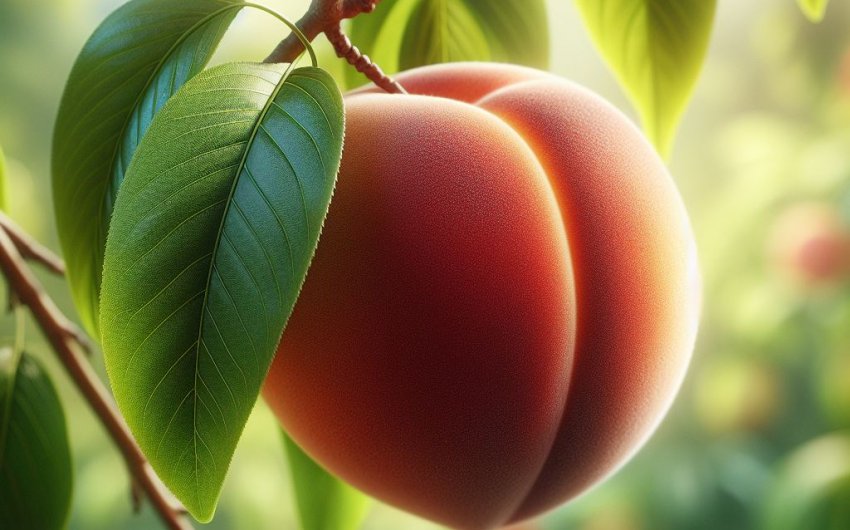
Cultivating juicy, sweet peaches organically in a humid climate might seem like a daunting challenge, but it's a deeply rewarding endeavor. While high humidity can be a breeding ground for certain pests and diseases that love stone fruit, a strategic and proactive approach focused on natural methods can lead to bountiful, delicious harvests without synthetic chemicals. It requires careful planning, vigilant observation, and a commitment to nurturing a healthy orchard ecosystem.
The key to success lies in selecting the right varieties, optimizing growing conditions, and implementing clever organic defenses that build the tree's natural resilience. Imagine biting into a perfectly ripe peach, knowing it was grown with care for both your family and the environment. This comprehensive guide will empower you with the knowledge and techniques needed to unlock the secrets of organic peach growing in humid regions, turning your dream of a backyard orchard into a sweet reality.
What Are the Best Peach Varieties for Humid Climates?
Choosing the right peach variety is the single most important decision for organic peach growing in humid climates. High humidity creates conditions where fungal diseases can easily thrive. Therefore, selecting varieties with natural resistance to common diseases in these areas is crucial for success without relying on synthetic fungicides.
Key Traits to Look for in Humid-Climate Peach Varieties:
- Disease Resistance (Especially Fungal): This is paramount. Look for varieties with known resistance or tolerance to:
- Brown Rot: A common fungal disease that causes blossoms, twigs, and fruit to rot.
- Peach Scab: Causes small, round, velvety brown spots on fruit and leaves.
- Bacterial Spot: Causes small, angular spots on leaves and scabby lesions on fruit.
- Powdery Mildew: White, powdery growth on leaves and fruit.
- Chill Hours: Peaches need a certain number of chill hours (hours below 45°F or 7°C but above 32°F or 0°C) during winter dormancy to properly flower and fruit in spring. Ensure the variety you choose matches the chill hours typical for your specific location. Too few chill hours results in poor fruit set; too many can cause delayed bud break.
- Ripening Time: Consider varieties that ripen at different times throughout the summer to extend your harvest season. Early-ripening varieties often face fewer pest and disease pressures simply because the season is shorter.
- Self-Pollinating: Most modern peach varieties are self-pollinating, meaning a single tree can produce fruit. However, planting a second compatible variety can often increase yields. Check the specific variety's pollination requirements.
Recommended Peach Varieties for Humid Climates:
These varieties are often noted for their good disease resistance and adaptability to warmer, humid zones, but always double-check with your local agricultural extension office for recommendations specific to your microclimate.
- 'Contender': A very popular and reliable freestone variety. Known for good cold hardiness and excellent resistance to bacterial spot and canker. Produces large, juicy, yellow-fleshed fruit. Needs around 850 chill hours.
- 'Reliance': Another very cold-hardy freestone peach. It’s disease resistant and produces medium-sized, firm, yellow-fleshed fruit. Good for areas with late frosts. Needs around 800 chill hours.
- 'Belle of Georgia': A classic white-fleshed freestone peach. It's known for its excellent quality fruit and decent resistance to common diseases. Needs around 850 chill hours.
- 'Elberta': A very popular, large, yellow-fleshed freestone peach with good flavor. While not the most disease-resistant, it's widely grown and performs reasonably well in many humid areas if given good care. Needs around 800 chill hours.
- 'Harvester': A yellow-fleshed freestone peach known for consistent crops and good resistance to bacterial spot. Needs around 750-800 chill hours.
- 'Redskin': A medium-sized, yellow-fleshed freestone peach that is a late-season bearer. It's known for being quite hardy and having good disease tolerance. Needs around 700 chill hours.
- 'Challenger': A yellow-fleshed freestone peach that is fairly new but gaining popularity for its good quality fruit and improved resistance to bacterial spot. Needs around 850 chill hours.
- 'Flordaking' (Lower Chill): For very warm, humid climates (like Florida and parts of the Gulf Coast), lower chill varieties are essential. 'Flordaking' needs only about 400 chill hours and produces good-sized, yellow-fleshed clingstone peaches.
- 'TropicBeauty' (Lower Chill): Another low-chill option (around 200 chill hours) for very warm zones, producing good-flavored, yellow-fleshed clingstone fruit.
When sourcing your trees, look for reputable nurseries that specialize in fruit trees and ideally, those located in or supplying to your climate zone. Buying a bare-root peach tree in late winter/early spring is often cost-effective and provides a good start. Always ask about the specific disease resistance of the varieties you are considering for your humid climate.
Where Should You Plant Your Peach Trees?
The planting location for your organic peach trees is almost as important as the variety you choose, especially in humid climates. Optimal placement can significantly reduce disease pressure, encourage healthy growth, and ensure bountiful harvests without relying on synthetic interventions.
1. Sunlight is Essential:
- Full Sun: Peach trees need abundant sunlight to produce sweet, juicy fruit. Choose a spot that receives at least 6-8 hours of direct sunlight per day, preferably more. Lack of sun leads to smaller, less flavorful fruit and can increase susceptibility to disease due to slower drying of foliage.
- Morning Sun is Critical: If you have to choose, prioritize a location that gets ample morning sun. Morning sun helps to quickly dry dew off the leaves and fruit, which is crucial in humid climates for preventing fungal diseases like brown rot and peach scab.
2. Well-Drained Soil is a Must:
- Avoid Waterlogging: Peach trees absolutely hate "wet feet." Their roots are highly susceptible to root rot in waterlogged or heavy clay soils that don't drain well.
- Perform a Drainage Test: Before planting, dig a hole about 1 foot deep and 1 foot wide. Fill it with water. If the water hasn't drained within 2-4 hours, your drainage is poor.
- Improve Drainage:
- Mound Planting: If drainage is an issue, consider planting your peach tree on a mound or raised bed 12-18 inches high and several feet wide. This elevates the root crown and improves drainage significantly.
- Amend Soil: Incorporate generous amounts of organic matter (like compost or aged pine bark fines) into the planting area. Organic matter improves soil structure, aeration, and drainage in both heavy clay and sandy soils.
- Site Selection: Avoid low-lying areas where water naturally collects after rain.
3. Air Circulation is Your Ally Against Disease:
- Open Location: Choose a spot that has good air circulation. Avoid planting trees too close to buildings, fences, or other large trees that might block airflow. Stagnant, humid air creates a perfect breeding ground for fungal diseases.
- Prevailing Winds: Consider the direction of prevailing winds. A gentle breeze helps dry foliage after rain or morning dew.
- Spacing: When planting multiple trees, ensure adequate spacing between them to allow for good airflow and sunlight penetration to all parts of the canopy, especially as they mature. This also makes pruning and harvesting easier.
4. Soil pH and Nutrients:
- Ideal pH: Peach trees prefer a slightly acidic to neutral soil pH, ideally between 6.0 and 6.5.
- Soil Test: Always conduct a soil test before planting. This will tell you your current pH and nutrient levels, allowing you to make necessary amendments before planting. Your local extension office can provide soil testing kits.
- Amend Organically: Based on your soil test, incorporate compost and other organic soil amendments. If pH needs adjustment, use elemental sulfur to lower pH or garden lime to raise it, applying several months before planting if possible.
By carefully considering sunlight, drainage, air circulation, and soil conditions, you can select the optimal planting location that gives your organic peach trees the best chance to thrive in a humid climate, naturally resisting disease and producing abundant, flavorful fruit.
How Do You Prune Peach Trees for Humid Climates?
Pruning is one of the most vital practices for organic peach growing in humid climates. Proper pruning not only shapes the tree and encourages fruit production but, most importantly, promotes excellent air circulation throughout the canopy. This significantly reduces disease pressure, which is a major concern in humid environments.
Why is Pruning So Important in Humid Climates?
- Air Circulation: This is the number one reason. An open, well-pruned tree allows air to move freely through the branches. This helps dry out leaves and fruit quickly after rain or morning dew, preventing fungal diseases like brown rot, peach scab, and bacterial spot from taking hold.
- Sunlight Penetration: Good pruning ensures that sunlight reaches all parts of the tree, including the inner branches and developing fruit. Sun exposure also helps dry foliage and ripen fruit evenly.
- Disease Removal: Pruning allows you to remove diseased branches, preventing the spread of pathogens.
- Strong Structure: It develops a strong scaffold (main branches) capable of bearing heavy fruit loads without breaking.
- Fruit Production: Peaches fruit on wood that grew the previous year. Pruning encourages the production of new fruiting wood.
- Pest Management: An open canopy makes it easier to spot and deal with pests.
When to Prune Peach Trees:
- Dormant Pruning (Late Winter/Early Spring): The primary pruning should occur in late winter or early spring (February-March in many regions), just before bud break. This allows you to clearly see the tree's structure and any dead or diseased wood. Avoid pruning during freezing temperatures.
- Summer Pruning (Light): Light summer pruning (or "summer thinning") can be done to remove vigorous upright shoots ("watersprouts") or weak, inward-growing branches that are shading the center of the tree. This further improves air circulation and sunlight.
The Open-Center (Vase) System:
The open-center or vase system is almost universally recommended for peach trees, especially in humid climates, because it promotes maximum air circulation and sunlight penetration.
- Year 1 (At Planting):
- Heading Back: Cut back the main trunk (leader) to about 30 inches (75 cm) from the ground. This encourages branching at a manageable height.
- Select Scaffold Branches: Choose 3-5 strong, evenly spaced branches that are growing outwards at a 45-60 degree angle from the trunk. These will be your main "scaffold" branches. Remove all other branches.
- Year 2-3 (Establishing the Scaffold):
- Develop Scaffold: Continue to train your 3-5 scaffold branches. Prune them back by about 1/3 to encourage secondary branching.
- Remove Inward Growth: Remove any branches growing towards the center of the tree. The goal is to keep the center open like a vase.
- Remove Watersprouts/Suckers: Remove any vigorous, upright shoots (watersprouts) and shoots growing from the base of the tree (suckers).
- Mature Tree Pruning (Annual Dormant Pruning):
- Maintain Open Center: Every year, remove branches growing into the center of the tree.
- Remove Dead, Diseased, Damaged (the 3 D's): Always prune out any dead, diseased, or damaged branches. Make cuts into healthy wood. Dispose of diseased wood away from the orchard.
- Remove Crossing/Rubbing Branches: Prune out branches that cross or rub against each other, as this can create wounds where disease can enter.
- Thin Out: Remove some of the older, less productive branches to encourage new growth (remember, peaches fruit on 1-year-old wood). Aim to remove about 20-30% of the previous year's growth.
- Maintain Height: Prune to keep the tree at a manageable height for harvesting and maintenance (usually 8-10 feet or 2.5-3 meters).
Pruning Tools and Tips:
- Clean and Sharp Tools: Always use clean, sharp pruning shears, loppers, and a pruning saw. Disinfect your tools with rubbing alcohol or a bleach solution between trees (and even between major cuts on a diseased tree) to prevent spreading pathogens.
- Angle of Cut: Make cuts at a slight angle, just above an outward-facing bud or branch collar (the swollen area where a branch meets the trunk).
- Remove Debris: Collect and dispose of all pruned branches, especially diseased ones, away from the garden to prevent disease carryover.
Proper pruning is your most powerful tool in organic peach growing in humid climates. It directly influences the health of your trees and their ability to resist disease naturally.
How Do You Fertilize Peach Trees Organically?
Organically fertilizing peach trees in humid climates is about nurturing the soil ecosystem to provide a slow, steady supply of nutrients, rather than relying on synthetic quick fixes. Healthy, nutrient-rich soil supports a robust tree that is naturally more resilient to disease and stress.
1. Soil Test: Your Starting Point
- Crucial First Step: Before applying any fertilizer, conduct a soil test. This tells you your soil's existing nutrient levels and pH. Without it, you're just guessing. A university extension soil test is the most accurate.
- Ideal pH: Peach trees prefer a slightly acidic to neutral soil pH, ideally between 6.0 and 6.5. Adjust pH according to soil test recommendations using organic amendments like elemental sulfur (to lower pH) or garden lime (to raise pH).
2. The Foundation: Compost and Organic Matter
- Mulching with Compost: The most important organic amendment is regular application of compost. Apply a 2-4 inch (5-10 cm) layer of well-rotted compost (or aged manure) in a wide ring around the drip line of your peach tree in late winter or early spring.
- Benefits: Compost provides a broad spectrum of slow-release nutrients, improves soil structure, enhances drainage, increases water retention, and fosters a thriving soil microbiome that breaks down nutrients for the tree.
- Avoid Trunk Contact: Keep compost a few inches away from the tree trunk to prevent moisture buildup and disease.
- Other Organic Matter: Incorporate other forms of organic matter into the soil around the tree over time, such as shredded leaves or straw.
3. Organic Nutrient Sources (as Supplement):
Based on your soil test, you might need to supplement with specific organic fertilizers. Always use these in moderation and follow package directions.
- Nitrogen (N): For leafy growth, especially on young trees.
- Blood Meal: A good source of nitrogen. Apply lightly and work into the soil.
- Feather Meal: Slower release nitrogen source.
- Alfalfa Meal: Provides nitrogen and other micronutrients, also acts as a soil conditioner.
- Fish Emulsion: A liquid option that provides quick nitrogen, good for foliar feeding or drenching. A bottle of organic fish emulsion fertilizer is a versatile choice.
- Phosphorus (P): For root development, flowering, and fruiting.
- Bone Meal: A classic slow-release source of phosphorus. Good for mixing into the soil at planting or for established trees.
- Rock Phosphate: A very slow-release mineral source.
- Potassium (K): For overall plant health, stress tolerance, and fruit quality.
- Kelp Meal: Provides potassium and a wide range of micronutrients, also good for soil biology.
- Green Sand: A natural mineral that provides potassium and other trace minerals.
- Wood Ash: Use with extreme caution and only if your soil pH is acidic, as it is very alkaline and can significantly raise pH. Use very sparingly.
4. Fertilization Schedule:
- Young Trees (First Year): A light application of balanced organic fertilizer (or compost) can be applied in late spring after the tree has started new growth. Avoid fertilizing too heavily in the first year to encourage root development over excessive top growth.
- Established Trees:
- Late Winter/Early Spring (Primary): Apply compost and any necessary granular organic fertilizers (based on soil test) just before bud swell. This gives the tree nutrients as it begins its most active growth period.
- Late Spring/Early Summer (Optional Light Feeding): If your tree is a heavy bearer or showing signs of nutrient need, a lighter application of a balanced organic fertilizer or a liquid feed like fish emulsion can be given after fruit set. Avoid heavy nitrogen later in the season, as it can promote vegetative growth over fruit ripening and make fruit softer.
5. Application Tips:
- Spread Evenly: Apply granular fertilizers evenly around the tree's drip line (the area directly under the outer edge of the branches), where the feeder roots are.
- Avoid Trunk: Keep fertilizers several inches away from the tree trunk to prevent burning or disease.
- Water In: Always water granular fertilizers thoroughly after application to help them break down and move into the soil.
- Listen to Your Tree: Observe your tree. Yellowing leaves might indicate nitrogen deficiency, while poor fruit set despite good flowering might point to phosphorus needs. Adjust accordingly after confirming with a soil test.
By nourishing your soil with organic amendments and applying appropriate organic fertilizers, you'll build a strong, self-sufficient foundation for your peach trees, enabling them to produce healthy, delicious fruit year after year in humid climates.
How Do You Manage Pests Organically in Humid Climates?
Managing pests organically in humid climates is one of the biggest hurdles for organic peach growing. Humidity creates ideal conditions for many insect pests and the fungal diseases they can vector. A multi-pronged, proactive approach focusing on prevention and natural controls is essential.
1. Cultural Practices: Your First Line of Defense
- Disease-Resistant Varieties: As mentioned, choosing naturally resistant varieties is your most important preventative step against diseases that often weaken trees and make them more susceptible to pests.
- Proper Pruning: An open, well-pruned canopy is crucial. Good air circulation and sunlight penetration help deter many pests and allow you to easily spot infestations. Remove and dispose of any diseased or infested branches promptly.
- Sanitation:
- Clean Up Fallen Fruit: Promptly remove and dispose of any fallen or rotting fruit (do not compost, as it can spread disease and pests). This breaks the life cycle of pests like plum curculio and brown rot.
- Clear Debris: Keep the area around the tree free of weeds and plant debris, which can harbor pests or disease spores.
- Monitor Regularly: Inspect your trees frequently, at least weekly, throughout the growing season. Look at both the top and undersides of leaves, new shoots, and developing fruit. Early detection is key. A garden magnifying glass can help spot tiny pests.
- Water Wisely: Deep, infrequent watering promotes healthy, resilient trees less stressed and thus less attractive to pests.
2. Biological Controls: Enlisting Nature's Help
- Beneficial Insects: Encourage natural predators in your garden.
- Attract Them: Plant companion flowers that attract beneficial insects like ladybugs (feed on aphids), lacewings (feed on aphids, mealybugs), predatory wasps (parasitize caterpillars), and hoverflies. Flowers like dill, fennel, yarrow, cosmos, and marigolds are excellent.
- Provide Habitat: Create diverse habitats with varied plantings, brush piles, and water sources to support a thriving beneficial insect population.
- Avoid Broad-Spectrum Pesticides: Never use synthetic broad-spectrum pesticides, as they kill beneficial insects along with pests, disrupting your natural pest control.
- Nematodes: For soil-dwelling pests like certain grubs or borers, beneficial nematodes can be effective. These are microscopic roundworms that specifically target and kill pest larvae. You can purchase beneficial nematodes and apply them to the soil.
3. Physical & Mechanical Controls: Barriers and Traps
- Bagging Fruit: For peach fruit, individual fruit bagging can be highly effective against plum curculio, peach scab, and brown rot. Once fruits are about dime to nickel size, carefully slip a specially designed fruit protection bag over each one and secure it. This provides a physical barrier.
- Trunk Bands/Barriers: For pests that crawl up the trunk, sticky tree bands or physical barriers can deter them.
- Traps: Pheromone traps or sticky traps can be used to monitor pest populations. While they might not eliminate a large infestation, they can help you gauge when pest pressure is high. A plum curculio trap can help you time preventative measures.
- Hand Picking: For larger pests like stink bugs or caterpillars, hand picking them off the tree and dropping them into a bucket of soapy water can be effective for smaller infestations.
4. Organic Sprays (Last Resort):
Use these sparingly and only when necessary, as even organic sprays can impact beneficial insects. Always follow label directions.
- Horticultural Oil: Applied during dormant season (winter) to smother overwintering insect eggs and larvae (e.g., scale, mites). A dormant oil spray is a key organic practice.
- Neem Oil: A botanical insecticide that disrupts insect feeding and growth. Effective against aphids, mites, whiteflies, and some caterpillars.
- Insecticidal Soap: Works on soft-bodied insects by dissolving their outer protective layer. Effective against aphids, spider mites, and mealybugs.
- Bacillus thuringiensis (Bt): A naturally occurring bacterium that is specific to caterpillars (larvae of moths and butterflies). It's very safe for other organisms. Use Bt for caterpillars only when caterpillars are present.
By combining these organic pest management strategies, from proactive cultural practices to targeted natural solutions, you can successfully grow delicious peaches organically in humid climates, maintaining healthy trees and bountiful harvests with minimal environmental impact.
How Do You Manage Diseases Organically in Humid Climates?
Organically managing diseases in humid climates is arguably the biggest challenge for organic peach growing. Fungal and bacterial diseases thrive in moist, warm conditions. Success hinges on rigorous preventative measures, cultural practices that promote airflow, and timely application of organic-approved disease controls.
1. Variety Selection and Site Preparation (Recap):
- Disease-Resistant Varieties: This cannot be stressed enough. Choose peach varieties specifically bred or known for their resistance to common diseases in your region (especially brown rot, peach scab, and bacterial spot). This is your first and best defense.
- Optimal Site: Plant in full sun with excellent air circulation and well-drained soil. Morning sun to dry leaves quickly is crucial. Good spacing between trees is vital.
2. Cultural Practices: Your Primary Defense Against Disease
- Pruning for Airflow: As detailed earlier, regular and meticulous pruning to an open-center (vase) shape is paramount. Remove all inward-growing branches, suckers, and watersprouts. This allows sunlight and air to penetrate the canopy, drying leaves and fruit surfaces quickly after rain or dew, which directly prevents fungal spore germination.
- Orchard Sanitation:
- Remove Fallen Fruit: Promptly pick up and dispose of (don't compost unless in a very hot compost pile) any fallen or diseased fruit. This is critical for breaking the life cycle of brown rot and plum curculio (which often carries brown rot spores).
- Prune Out Diseased Wood: At any sign of cankers, blighted twigs, or diseased branches, prune them out immediately. Make your cuts into healthy wood several inches below the visible disease. Disinfect your pruning tools with a 10% bleach solution or rubbing alcohol between each cut on diseased wood to prevent spreading the pathogen. Dispose of diseased prunings away from the orchard.
- Clean Up Debris: Keep the area around the tree free of fallen leaves and other plant debris, as these can harbor disease spores over winter.
- Weed Control: Keep weeds down around the tree base. Weeds compete for nutrients and reduce air circulation.
- Proper Watering: Water at the base of the tree, not overhead, to keep foliage dry. Water in the early morning to allow leaves to dry before nightfall.
- Balanced Nutrition: A healthy, well-nourished tree (fed organically, with good soil pH) is more resilient and better able to resist disease. Avoid excessive nitrogen, which can promote lush, soft growth that is more susceptible to disease.
3. Organic-Approved Sprays (As Needed):
These are not a substitute for good cultural practices but can be valuable tools when disease pressure is high.
- Dormant Oil (Winter): A dormant oil spray applied in late winter (before bud break) can smother overwintering fungal spores (like peach leaf curl) and insect eggs. This is a foundational organic practice. A horticultural dormant oil is usually safe and effective.
- Organic Fungicides (Preventative):
- Copper-Based Fungicides: Fixed copper sprays (like Bordeaux mix or copper hydroxide) are a traditional organic choice for many fungal and bacterial diseases. Apply at specific times, often dormant or just at bud swell, and sometimes post-bloom. Be careful with repeated applications as copper can build up in the soil.
- Sulfur-Based Fungicides: Wettable sulfur can be effective against powdery mildew, peach scab, and some other fungal issues. Apply before diseases become established. Avoid using sulfur when temperatures are very high (above 85°F/30°C) as it can burn foliage.
- Bacillus subtilis (or similar biological fungicides): These are beneficial microbes that compete with or suppress disease-causing fungi. Often used as a preventative spray, especially against brown rot during bloom. Look for biological fungicides for fruit trees.
- Neem Oil: Can have some fungicidal properties against mild powdery mildew, in addition to its insecticidal effects.
- Compost Tea: While research is ongoing, some gardeners use aerated compost tea as a foliar spray, believing the beneficial microbes outcompete disease pathogens.
- Important Note for Sprays:
- Timing is Everything: Organic sprays are often protectants, meaning they need to be on the plant surface before the disease takes hold. Timing applications (e.g., at bud swell, petal fall, fruit sizing) is critical.
- Coverage: Ensure thorough coverage of all plant surfaces.
- Read Labels: Always, always read and follow the specific instructions and safety precautions on the organic spray product label.
- Important Note for Sprays:
By diligently implementing these organic disease management strategies, with a strong emphasis on preventative cultural practices and targeted organic sprays, you can significantly reduce disease pressure and successfully grow healthy, productive peach trees organically in humid climates.