
How to Build a Self-Watering System for Fruit Plants?
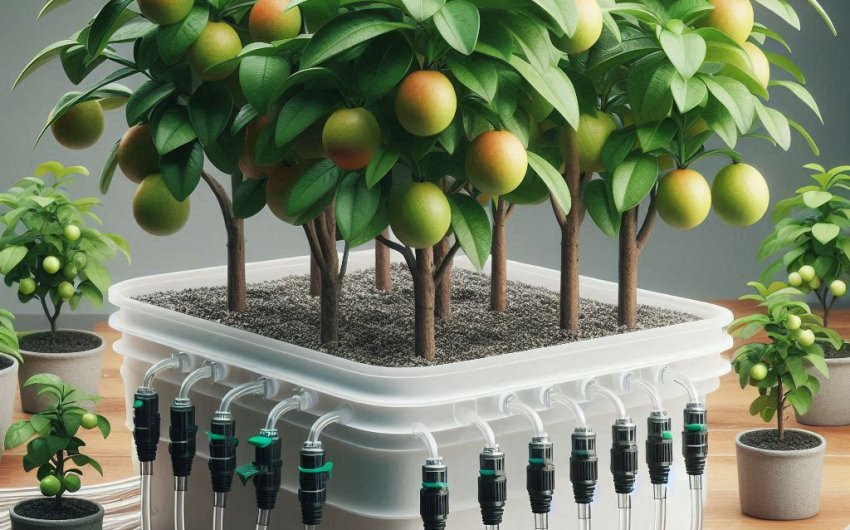
For many gardeners, the dream of harvesting plump, juicy fruits right from their own backyard is incredibly appealing. Yet, the reality of tending to fruit plants often involves a significant commitment to consistent watering. Unlike many ornamental plants, fruit-bearing varieties require a steady and precise supply of moisture, especially during crucial stages of flowering and fruit development. Fluctuations in watering—too much, too little, or inconsistent schedules—can lead to cracked fruits, blossom drop, poor yields, or even plant death. This challenge is particularly daunting for busy individuals, those who travel frequently, or anyone looking to minimize daily garden chores. Imagine a system that takes this critical task off your hands, providing your fruit plants with exactly what they need, when they need it. This is where a self-watering system becomes a game-changer. It’s an ingenious solution that not only conserves water but also promotes healthier plants and more abundant harvests, all with less effort from you. Let’s explore how to construct such a system, transforming your fruit garden into a marvel of efficiency and productivity.
Why is a Self-Watering System Beneficial for Fruit Plants?
Fruit plants, by their nature, are more demanding than many other garden plants when it comes to consistent moisture. Understanding why a self-watering system is so advantageous for them highlights its value and can inspire you to make the leap.
What are the challenges of watering fruit plants manually?
Relying solely on manual watering for fruit plants can present several significant hurdles that impact their health and productivity.
- Inconsistency: It's difficult to manually provide a perfectly consistent watering schedule. Life happens – you might forget, get busy, or go on vacation. Inconsistent watering can lead to:
- Blossom Drop: Especially for plants like tomatoes (often treated as fruit in this context), peppers, and even small fruit trees, erratic watering can cause flowers to fall off before they set fruit.
- Fruit Cracking/Splitting: For fruits with thin skins like tomatoes, cherries, or stone fruits, a sudden heavy watering after a dry spell can cause the fruit to swell too rapidly, leading to unsightly and problematic cracking.
- Blossom End Rot: Common in tomatoes and squash, this physiological disorder is often linked to inconsistent watering, which affects calcium uptake, leading to a rotten spot on the bottom of the fruit.
- Poor Flavor/Texture: Fluctuating water levels can affect the sugar content and overall quality of the fruit.
- Water Loss (Evaporation/Runoff): When watering from above, a significant portion of the water can be lost to evaporation, especially on hot, sunny days, or simply run off the soil surface before it can properly soak in. This means wasted water and inefficient hydration.
- Time and Effort: Manually watering a garden, especially one with multiple fruit plants, can be time-consuming and laborious, particularly in large gardens or during hot, dry periods when daily watering might be required.
- Disease Risk: Overhead watering can wet the foliage, creating conditions favorable for fungal diseases like powdery mildew, blight, or leaf spot, especially in humid environments.
How does a self-watering system solve these problems?
A self-watering system (often referred to as a sub-irrigated planter or SIP) addresses these challenges head-on, offering numerous benefits for fruit plant cultivation.
- Consistent Moisture: The core benefit is the continuous, consistent supply of water from below. Plants can draw up water as they need it, mimicking a steady water table. This eliminates the feast-or-famine cycle of manual watering.
- Optimal Fruit Development: This consistency leads to healthier growth, stronger root systems, and significantly reduces issues like blossom drop, fruit cracking, and blossom end rot.
- Improved Yields and Quality: A well-hydrated plant with stable moisture levels can put more energy into producing higher quality and quantity of fruit.
- Water Efficiency and Conservation:
- Reduced Evaporation: Because water is supplied from the bottom reservoir and wicks up into the soil, much less water is lost to evaporation compared to top-watering.
- No Runoff: All water remains within the system, eliminating runoff.
- Less Frequent Refilling: The reservoir can hold a significant amount of water, meaning you'll need to refill it far less often – perhaps once a week or even less, depending on plant size and weather. This is ideal for busy gardeners or those who travel.
- Healthier Roots and Reduced Disease:
- Aerated Root Zone: While the reservoir ensures constant moisture, the soil above the wicking system remains aerated, providing roots with necessary oxygen. This prevents the "soggy bottom" that leads to root rot in traditional overwatered pots.
- Dry Foliage: Since water is delivered from below, the foliage stays dry, significantly reducing the risk of foliar diseases caused by wet leaves.
- Nutrient Retention: Nutrients in the soil are less likely to leach out with drainage water, as is common with overhead watering. They remain in the root zone, available to the plant.
- Growth and Vigor: Plants in self-watering systems often exhibit more vigorous growth and a healthier overall appearance due to their optimal and consistent hydration.
- Flexibility: These systems are versatile and can be built for individual plants (in containers) or for larger garden beds.
For fruit plants that are particularly sensitive to watering fluctuations, such as tomatoes, peppers, strawberries, blueberries (in pots), and dwarf fruit trees, a self-watering system can be a game-changer, simplifying care and boosting your chances of a successful, abundant harvest.
What Are the Different Types of Self-Watering Systems?
Before diving into building, it's helpful to understand the basic designs of self-watering systems. While they all share the principle of wicking water from a reservoir to the plant's roots, they achieve this in slightly different ways. Each type has its advantages and is suited for different scales and budgets.
1. Wicking Pot/Container System (Basic DIY)
This is the most common and easiest type of self-watering system to build, perfect for individual potted plants.
- How it works: It involves a plant container placed above a water reservoir. A wicking material (like a fabric strip or perlite/vermiculite mix) extends from the soil in the plant container down into the water reservoir, drawing water upwards into the soil via capillary action.
- Components:
- Outer container: Holds the water reservoir (e.g., a larger bucket, plastic tote, or specialized self-watering planter).
- Inner container/plant pot: Sits above the reservoir, holds the soil and plant, and has drainage holes at the bottom.
- Wicking material: Often a strip of capillary matting, polyester felt, or even a thick cotton rope. Sometimes, a "wicking chamber" filled with perlite or coarse potting mix acts as the wick.
- Filler pipe: A tube (e.g., PVC pipe) that extends from the water reservoir up to the soil surface, allowing you to easily refill the reservoir without disturbing the plant.
- Overflow hole: Crucial to prevent overfilling and root rot. Located just below the bottom of the inner container.
- Advantages:
- Simple and inexpensive to build.
- Excellent for individual fruit plants like tomatoes, peppers, or small berry bushes in containers.
- Portable.
- Disadvantages:
- Limited soil volume per plant compared to larger systems.
- Reservoir size can limit watering duration.
- Example: A 5-gallon bucket system is a classic example of this type.
2. Earthbox-Style Planter (Commercial or Advanced DIY)
Earthbox is a popular brand, but the design principle can be replicated in a DIY fashion for a contained garden bed.
- How it works: This is a contained system, typically a long, rectangular planter, that integrates the water reservoir directly into the bottom of the planter box. A perforated aeration screen separates the soil from the water reservoir, and a "fill tube" extends to the surface.
- Components:
- Rectangular planter box: Can be plastic or wood, lined with pond liner for waterproofing.
- Aeration/wicking screen: A perforated barrier that sits above the reservoir, separating it from the soil.
- Wicking chimneys/columns: Small sections of the soil mix extend down through the screen into the reservoir to draw water upwards.
- Filler pipe: For adding water to the reservoir.
- Overflow drain: Essential to prevent oversaturation.
- Advantages:
- Provides more soil volume than single pots, supporting larger fruit plants or multiple plants.
- Excellent for tomatoes, peppers, strawberries, or rows of small bush fruits.
- Highly efficient in water use.
- Disadvantages:
- More involved to build than simple wicking pots.
- Can be heavy when filled.
- Example: A DIY version built from a plastic tote or a wooden planter box. You can also purchase commercial versions like an EarthBox Junior Kit.
3. Wicking Bed (Large-Scale Outdoor Garden)
This is essentially an oversized self-watering planter for a garden bed or raised bed.
- How it works: A large, lined garden bed has a water reservoir at the bottom, covered by a permeable layer (often coarse sand or gravel) and then the growing medium. Water wicks upwards from the reservoir into the entire bed.
- Components:
- Lined garden bed: Can be an in-ground excavation or a raised bed, lined with heavy-duty pond liner to create a waterproof basin.
- Perforated pipe/drainage layer: A layer of perforated pipe (for even water distribution) surrounded by coarse gravel or scoria sits at the bottom, creating the reservoir space.
- Wicking layer/fabric: A layer of geotextile fabric or thick felt separates the gravel reservoir from the soil, preventing soil from washing into the reservoir but allowing water to pass through. Or, a wicking layer of coarse sand is used.
- Filler pipe: For filling the reservoir.
- Overflow pipe: Crucial for draining excess water during heavy rains and preventing waterlogging.
- Advantages:
- Ideal for larger fruit plant gardens (e.g., rows of strawberries, multiple tomato plants, dwarf fruit tree rows).
- Extremely water efficient.
- Provides highly consistent moisture over a large area.
- Minimizes weeding due to consistent moisture from below.
- Disadvantages:
- Most involved to construct.
- Requires more materials and planning.
- Less portable once built.
Choosing the right type depends on the scale of your fruit plant ambitions. For a few containerized plants, the wicking pot is ideal. For a small patch of concentrated plants, an Earthbox-style system is great. For larger, permanent installations, a wicking bed offers significant advantages.
How Do I Build a Basic Self-Watering Container for Fruit Plants? (5-Gallon Bucket Method)
Building a basic self-watering container from a 5-gallon bucket is one of the easiest and most cost-effective ways to get started. This system is perfect for a single tomato plant, a pepper plant, or a small berry bush.
What You'll Need (Materials and Tools):
- Two 5-gallon buckets: Make sure they are food-grade if possible, especially if you're concerned about chemicals leaching into your food. Look for buckets marked HDPE #2. You can often find them at hardware stores, big box stores, or even bakeries/restaurants.
- Plastic pot with drainage holes: Approximately 6-8 inches in diameter. This will become your "wicking chamber." It needs to fit inside the bucket and sit above the bottom.
- PVC pipe (1-1.5 inches diameter): About 2-3 feet long. This will be your filler tube.
- Drill with drill bits: Various sizes, including a large one (1/2 to 1 inch) for overflow holes and a smaller one (1/8 to 1/4 inch) for aeration holes.
- Hacksaw or utility knife: For cutting plastic.
- Potting mix: High-quality, well-draining potting mix. Avoid heavy garden soil.
- Perlite or Vermiculite: For the wicking chamber.
- Small fruit plant: Ready to be transplanted (e.g., tomato seedling, pepper plant).
Step-by-Step Construction:
Step 1: Prepare the Reservoir Bucket (Outer Bucket)
- Mark the overflow hole: Take one of your 5-gallon buckets. Measure up about 2-3 inches from the bottom of the bucket. This is where the bottom of your inner plant pot will sit, and you want the water level to be below that. Mark a spot for your overflow hole at this height.
- Drill the overflow hole: Using a drill with a large bit (1/2 to 1 inch), drill the overflow hole at the marked spot. This hole is critical! It prevents the plant's roots from sitting in standing water and getting root rot.
- Optional (but recommended) aeration holes: Drill a few small (1/8 to 1/4 inch) holes around the sides of the reservoir bucket, just above the very bottom. These provide a bit of aeration to the water reservoir, helping to prevent it from becoming stagnant.
Step 2: Prepare the Plant Bucket (Inner Bucket/Top Bucket)
- Cut the bottom off: Take the second 5-gallon bucket. Measure up about 4-5 inches from the bottom and use a hacksaw or strong utility knife to carefully cut off the entire bottom section. This piece will become your "wicking base."
- Drill drainage holes: The larger, top part of this cut bucket (which will hold the main soil) will need drainage. Drill several small (1/4 inch) drainage holes evenly spaced across the bottom of this upper section. These are important for initial top-watering and ensuring overall drainage.
Step 3: Prepare the Wicking Chamber Pot
- Enlarge drainage holes (if needed): Take your small plastic pot (6-8 inches). Ensure its drainage holes are reasonably large to allow for good water flow from the wicking chamber. If they are too small, you can slightly enlarge them with your drill.
- Measure and cut PVC pipe: Place the small pot into the center of the cut-off bucket bottom (the "wicking base" from Step 2). Now, place this entire assembly into the reservoir bucket. Measure how long your PVC pipe needs to be so that it extends from the bottom of the reservoir bucket to about 2-3 inches above the top rim of the reservoir bucket. Cut the PVC pipe to this length. This will be your filler tube.
- Position PVC pipe: Make a small notch or hole in the side of the small wicking chamber pot (or cut a "V" shape on the rim) so that the PVC pipe can fit snugly next to it, going all the way down into the reservoir.
Step 4: Assemble the System
- Place wicking base: Place the cut-off bucket bottom (your "wicking base") into the reservoir bucket. It should sit comfortably on the bottom of the reservoir bucket, forming a raised platform.
- Insert filler tube: Push the PVC pipe (filler tube) down through one of the drainage holes of the "wicking base" until it rests on the very bottom of the reservoir bucket. Position it next to where your wicking chamber pot will go.
- Place wicking chamber pot: Place the small plastic pot (wicking chamber) onto the "wicking base" inside the reservoir bucket, next to the filler tube. Ensure the filler tube extends past the bottom of this pot.
- Add wicking material: Fill the small wicking chamber pot with perlite or vermiculite. This material is excellent at wicking water upwards.
- Place top bucket: Carefully place the larger cut section of the second 5-gallon bucket (your main soil container) on top of the "wicking base" assembly within the reservoir bucket. It should fit snugly. The bottom of this bucket (where you drilled drainage holes) should rest on the "wicking base" and the top of the perlite-filled wicking chamber. The perlite should extend up into the soil of the main growing area.
Step 5: Add Soil and Plant
- Fill with potting mix: Fill the main growing area (the top bucket) with high-quality, well-draining potting mix. Make sure the potting mix completely surrounds and is in contact with the perlite in the wicking chamber.
- Plant your fruit plant: Dig a hole in the center of the potting mix and carefully plant your fruit plant (e.g., tomato seedling, pepper plant).
- Initial watering: Water the plant from the top immediately after planting. Water until you see water dripping from the overflow hole. This initial top-watering helps settle the soil and ensures the wicking action begins.
- Fill the reservoir: Once the top-watering has drained, slowly add water to the PVC filler tube until water starts to flow out of the overflow hole. This indicates the reservoir is full.
Maintenance Tips for Your Self-Watering Bucket:
- Refilling: Check the water level in the reservoir every few days (or by observing the topsoil). When the topsoil starts to feel slightly dry or the reservoir is low, refill the reservoir via the PVC pipe until water comes out the overflow hole.
- Nutrients: Since nutrients can't leach out, they might build up. Consider using a slow-release granular fertilizer, like Osmocote Smart-Release Plant Food, mixed into the top few inches of soil when planting. You can also use liquid fertilizers added to the reservoir water at a diluted strength.
- Top-Watering Occasionally: It's a good idea to top-water the plant normally (from above) once every few weeks. This helps flush any mineral salt buildup that might occur at the top of the soil and encourages roots to grow upwards.
- Mulch: Add a layer of mulch (e.g., straw, shredded leaves) on top of the soil. This further reduces evaporation from the soil surface, suppresses weeds, and keeps the soil temperature more stable.
- Support: For tall fruit plants like tomatoes, add a sturdy tomato cage or stake when planting.
This 5-gallon bucket self-watering system is a simple yet effective way to provide consistent moisture to your fruit plants, leading to healthier growth and better yields.
How Do I Build an Earthbox-Style Self-Watering Planter? (Larger Scale DIY)
An Earthbox-style self-watering planter is an excellent choice for growing several fruit plants in a contained system, offering more soil volume and an integrated reservoir compared to single buckets. This design is perfect for a row of tomatoes, multiple pepper plants, or a mini strawberry patch.
What You'll Need (Materials and Tools):
- Large rectangular plastic tote/container: At least 15-20 gallons (60-80 liters) or larger. A storage tote is often suitable. Make sure it's food-grade if possible.
- Plastic aeration screen/grate: A rigid plastic piece (like a light diffuser panel, heavy-duty plastic shelf, or cut-up plastic crates) that will fit inside the tote, forming a platform about 4-6 inches from the bottom. This will separate the water reservoir from the soil. You can often find Plastic Light Diffuser Panels at hardware stores.
- Small plastic pots (2-4): 3-4 inches in diameter, with drainage holes. These will be your wicking chimneys.
- PVC pipe (1-1.5 inches diameter): About 2-3 feet long. This is your filler tube.
- Drill with drill bits: Various sizes, including a large bit (1/2 to 1 inch) for overflow and smaller bits (1/8 to 1/4 inch) for the aeration screen.
- Hacksaw or utility knife: For cutting plastic.
- Measuring tape/ruler
- High-quality potting mix: Light and well-draining. Avoid heavy garden soil.
- Perlite or Vermiculite: For the wicking chimneys.
- Fruit plants: Ready for planting (e.g., tomato seedlings, pepper plants, strawberry plants).
Step-by-Step Construction:
Step 1: Prepare the Tote (Outer Container)
- Mark and cut the overflow hole: Measure up 4-6 inches from the bottom of the tote. This height will define your water reservoir. Mark a spot on the side of the tote at this level.
- Drill the overflow hole: Using your drill with a large bit (1/2 to 1 inch), drill the overflow hole at the marked spot. This hole is crucial for preventing waterlogging and ensuring your plants don't drown.
Step 2: Prepare the Aeration Screen/Wicking Platform
- Cut the screen to fit: Cut your plastic screen/grate to fit snugly inside the tote, so it rests horizontally at the height where your overflow hole is (4-6 inches from the bottom). It should form a sturdy platform.
- Prepare holes for wicking chimneys: Decide how many wicking chimneys you want (usually 2-4 for a standard tote). Use one of your small plastic pots to trace circles on the screen where the wicking chimneys will go. Cut out these circles.
- Prepare a hole for the filler pipe: Cut a small hole (or notch) in one corner of the screen where your PVC filler pipe will be placed.
Step 3: Prepare the Wicking Chimney Pots
- Remove bottoms: Take your small plastic pots. Using a hacksaw or utility knife, carefully cut out the entire bottom of each pot. This will create a hollow cylinder or "chimney."
- Enlarge side holes (optional): You can also drill a few small holes in the sides of these pots to allow for better water flow into the wicking material later.
Step 4: Assemble the Interior Components
- Place the aeration screen: Place the cut aeration screen into the bottom of the tote, resting on its support structure (if it has feet) or on bricks/blocks if needed, so it sits at the desired reservoir height (just below the overflow hole).
- Insert wicking chimneys: Insert the bottomless plastic pots (wicking chimneys) into the holes you cut in the aeration screen. They should sit vertically and extend down into the water reservoir area.
- Insert filler pipe: Place the PVC pipe (filler tube) down through the corner hole in the aeration screen, extending to the bottom of the tote.
- Fill wicking chimneys: Fill the wicking chimneys with perlite or a coarse potting mix. This material will act as your wick, drawing water from the reservoir up into the main soil bed. Ensure it fills the entire chimney.
Step 5: Add Soil and Plant
- Add potting mix: Carefully add your high-quality, well-draining potting mix into the tote, filling it up around and over the wicking chimneys and filler pipe. Make sure the potting mix is in firm contact with the wicking material in the chimneys. Fill the tote to about 1-2 inches from the top rim.
- Plant your fruit plants: Dig holes and carefully transplant your fruit plants (e.g., tomato plants, pepper plants, strawberry starts). Refer to plant spacing guidelines for your specific fruits.
- Initial watering (from top): Thoroughly water your plants from the top after planting. Water until you see water starting to drain out of the overflow hole. This ensures the soil is fully saturated and initiates the wicking action.
- Fill the reservoir: Once the top-watering has drained, slowly pour water into the PVC filler tube until water begins to flow out of the overflow hole. This indicates the reservoir is full.
Maintenance Tips for Your Earthbox-Style Planter:
- Refilling: Check the water level in the reservoir every few days (or simply observe the topsoil; it will start to look less moist when the reservoir is low). Refill the reservoir via the PVC pipe until water flows from the overflow hole.
- Nutrient Management:
- Slow-release granular fertilizer: When setting up, you can mix a slow-release granular fertilizer into the top 2-3 inches of the potting mix.
- Fertilizer strip (optional, for specific commercial designs): Some Earthbox-style designs suggest adding a strip of granular fertilizer directly on top of the soil after planting, under a cover. Follow specific instructions if you're replicating a particular commercial design.
- Liquid fertilizer in reservoir: You can also add a diluted liquid fertilizer to the reservoir water when refilling.
- Mulch: A thick layer of mulch (e.g., black plastic sheeting, straw, leaves) on top of the soil is highly recommended. This suppresses weeds and dramatically reduces evaporation from the soil surface, maximizing water efficiency. For example, a roll of Black Plastic Mulch Film can work well.
- Top-Watering: Occasionally, especially if you notice signs of nutrient deficiency or salt buildup (crusty white residue on the soil surface), give the planter a good top-watering until water flushes out the overflow. This helps to flush out excess salts.
- Support: For tall fruit plants like tomatoes, install strong supports like a tomato cage or stakes at planting time.
Building an Earthbox-style planter is a rewarding DIY project that provides a highly efficient and effective self-watering system for a range of fruit plants, simplifying care and boosting your harvest.
How Do I Build a Self-Watering Wicking Bed? (Larger Scale Garden Bed)
For larger fruit plant gardens or permanent installations, a wicking bed is the ultimate self-watering system. It's a significantly more involved project than a single container but offers unparalleled water efficiency, consistent moisture, and low long-term maintenance for rows of plants or small fruit trees.
What You'll Need (Materials and Tools):
- Defined bed structure: Can be an existing raised garden bed (wooden, metal, stone) or an excavated in-ground trench with defined sides.
- Heavy-duty pond liner (EPDM or PVC): Essential for creating a waterproof reservoir. Choose a liner that is safe for potable water. You'll need enough to cover the entire bottom and sides of your bed, with extra overlap. A good option is Firestone PondGard EPDM Rubber Liner.
- Perforated drainage pipe (4-inch diameter): PVC drain pipe with holes. Quantity depends on bed size; typically run a few parallel lines for large beds.
- Coarse gravel or scoria: For the reservoir layer. Avoid limestone gravel, which can raise pH. Pea gravel is usually fine.
- Geotextile fabric/filter fabric: A permeable fabric that separates the gravel reservoir from the soil, allowing water to pass through but preventing soil from clogging the reservoir. You can use Landscape Fabric Weed Barrier.
- Solid PVC pipe (1-1.5 inches diameter): For your filler pipe(s).
- Solid PVC pipe (1.5-2 inches diameter): For your overflow pipe.
- PVC fittings: Elbows, connectors as needed for pipes.
- High-quality growing medium: A mix of good potting mix, compost, and possibly some added perlite or vermiculite for drainage and aeration. Avoid heavy garden soil.
- Shovel, rake, level: For excavation and leveling.
- Utility knife or strong scissors: For cutting liner and fabric.
- Fruit plants: Ready for planting (e.g., strawberry plants, raspberry canes, blueberry bushes, dwarf fruit trees).
Step-by-Step Construction:
Step 1: Prepare the Bed Structure
- Define Dimensions: Decide on the size and shape of your wicking bed. Aim for a minimum depth of 12-18 inches (30-45 cm) for the entire bed, with 6-8 inches (15-20 cm) allocated for the reservoir.
- Excavate or Build Raised Bed:
- In-ground: Dig an excavation to your desired depth and shape, ensuring the bottom is level.
- Raised Bed: Construct your raised garden bed frame (wood, stone, metal).
- Remove any sharp objects: Ensure the inside of your bed is smooth, without any sharp stones or roots that could puncture the liner.
Step 2: Install the Pond Liner
- Line the bed: Carefully unfold and place the heavy-duty pond liner into the bed, ensuring it completely covers the bottom and all sides. Smooth out any major wrinkles. Allow for at least 6-12 inches (15-30 cm) of overlap over the top edge of the bed.
- Secure temporarily: Temporarily hold the liner in place at the top edges with clamps or bricks.
Step 3: Create the Reservoir (Gravel Layer and Pipes)
- Place perforated pipes: Lay your perforated drainage pipes on the very bottom of the pond liner. For beds wider than 3 feet, lay multiple parallel lines connected at one end. This ensures even water distribution.
- Install filler pipe(s): Stand a solid PVC pipe (your filler tube) vertically in one corner or at an end of the bed, ensuring it reaches the very bottom of the liner. You might need one or two, depending on the bed's length.
- Install overflow pipe: Stand a solid PVC pipe (your overflow tube) vertically in another corner or at the opposite end. Cut this pipe to the desired height of your water reservoir (e.g., 6 inches from the bottom). This pipe will define the water level and prevent overfilling. Cut notches or drill holes at the bottom of the overflow pipe so water can easily enter it.
- Add gravel/scoria: Carefully pour coarse gravel or scoria into the bed, surrounding the pipes, until it reaches the top of your overflow pipe (the height of your reservoir). This material provides the reservoir space and allows water to flow freely. Ensure the gravel covers the perforated pipes entirely.
Step 4: Add the Geotextile Fabric
- Lay fabric: Cut and carefully lay the geotextile fabric directly over the gravel layer, ensuring it covers the entire surface and goes up the sides of the bed slightly. This fabric prevents the potting mix from washing down into the gravel reservoir, which would clog the system.
- Cut holes for pipes: Cut small holes in the fabric for your filler pipe(s) and overflow pipe to pass through.
Step 5: Fill with Growing Medium and Plant
- Add growing medium: Start filling the bed with your high-quality growing medium. This should be a mix of potting mix and compost for good drainage and nutrient content. Fill the bed to within 2-4 inches (5-10 cm) of the top edge of your raised bed or trench.
- Plant your fruit plants: Dig holes and carefully transplant your fruit plants (e.g., strawberry plants, raspberry canes, blueberry bushes, dwarf fruit trees suitable for your bed size). Consider their mature size and spacing requirements.
- Initial top-watering: After planting, give the entire bed a thorough top-watering. Water until you see water flowing out of the overflow pipe. This helps settle the soil and fully saturate the wicking layer.
- Fill the reservoir: Once the top-watering has drained, slowly add water to the filler pipe(s) until water begins to flow out of the overflow pipe. Your reservoir is now full.
Maintenance Tips for Your Wicking Bed:
- Refilling: The biggest advantage is reduced watering frequency. Check the reservoir every few days or once a week. When it's low (you might hear air when filling, or the topsoil looks a bit dry), simply refill via the filler pipe(s) until the overflow pipe starts draining.
- Nutrient Management: Wicking beds are very efficient with nutrients. Incorporate slow-release granular fertilizer into the growing medium when initially filling the bed. You can also add liquid organic fertilizer to the reservoir water during refilling cycles.
- Mulch Heavily: A thick layer (4-6 inches) of organic mulch on top of the growing medium is essential. This dramatically reduces evaporation, suppresses weeds, and mimics the natural mulching found in healthy ecosystems. Options include straw, shredded leaves, or wood chips.
- Occasional Top-Watering: Every few months, or if you notice any salt buildup (white crust on the surface), give the bed a thorough top-watering to flush out any accumulated mineral salts. This is particularly important for salt-sensitive plants.
- Pest and Disease Monitoring: While wicking beds promote healthier plants, continue to monitor for common fruit plant pests and diseases. The dry foliage from bottom-watering generally reduces fungal issues.
- Seasonal Prep: In fall, consider adding more compost to the top layer as a slow-release nutrient boost for the next growing season.
Building a wicking bed is a substantial project but offers remarkable rewards, transforming your fruit garden into a productive, water-efficient, and largely self-sufficient system that saves you time and ensures consistent, optimal conditions for your plants.