
What Are the Best Low-Maintenance Fruit Trees for Beginners?
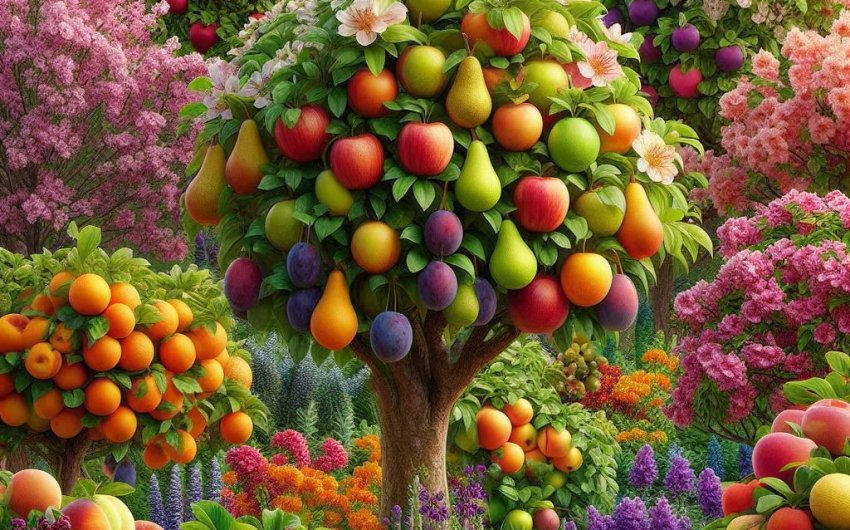
The best low-maintenance fruit trees for beginners are typically resilient varieties that are self-pollinating, disease-resistant, and adaptable to various soil conditions, requiring minimal pruning or pest intervention. Excellent choices include mulberries, pawpaws, persimmons, serviceberries, and certain fig and cherry varieties, which offer delicious harvests without constant fuss.
Why Choose Low-Maintenance Fruit Trees?
For aspiring fruit growers, starting with low-maintenance fruit trees can make the difference between a rewarding hobby and a frustrating chore. These trees are forgiving, resilient, and still provide abundant, delicious harvests.
Easier for Beginners
- Less Demanding: Requires fewer specialized tasks like intensive pruning, frequent spraying, or complex fertilization schedules.
- Higher Success Rate: More forgiving of beginner mistakes, leading to a greater chance of successful fruiting.
- Less Time Commitment: Ideal for busy individuals or those who prefer a more relaxed approach to gardening.
Resilience and Durability
- Disease Resistant: Many low-maintenance varieties have natural resistance to common fungal or bacterial diseases, reducing the need for chemical treatments.
- Pest Tolerant: Less attractive to common fruit tree pests, or can withstand minor infestations without significant damage.
- Adaptable: Often tolerant of a wider range of soil types, pH levels, and environmental conditions.
Natural Ecosystem Benefits
- Attracts Pollinators: Many low-maintenance trees offer beautiful blossoms that draw in bees and other beneficial insects.
- Supports Wildlife: Provides food and shelter for birds and other local wildlife.
- Contributes to Biodiversity: Adds diversity to your garden ecosystem.
Delicious Rewards
- Fresh, Homegrown Fruit: Enjoy the superior taste and quality of fruit picked directly from your own tree.
- Sense of Accomplishment: There's immense satisfaction in harvesting your own produce with minimal effort.
What Factors Make a Fruit Tree Low-Maintenance?
When selecting a low-maintenance fruit tree, certain characteristics stand out as key indicators of easy care.
1. Self-Pollinating
- No Partner Needed: Self-pollinating trees can produce fruit on their own, meaning you only need to plant one tree to get a harvest. This eliminates the need to plant a second, compatible variety purely for pollination.
- Simplicity: Simplifies planning and space requirements.
- Examples: Many fig varieties, some cherry varieties, pawpaws, persimmons, mulberries.
2. Disease and Pest Resistance
- Reduced Intervention: Trees with natural resistance to common local diseases (like apple scab or peach leaf curl) and pests (like codling moths) require fewer, if any, fungicide or insecticide applications.
- Healthy Growth: Resist common issues that can weaken or even kill less robust trees.
- Research Local Issues: Check with your local agricultural extension office for common fruit tree problems in your area and choose resistant cultivars.
3. Adaptability to Soil and Climate
- Forgiving: Tolerant of a wider range of soil pH, nutrient levels, and soil types (sandy, clay, loam).
- Cold Hardiness: Able to withstand your region's winter temperatures without special protection.
- Heat Tolerance: Can handle your summer highs.
- Drought Tolerance (Once Established): Requires less supplemental watering after the first few years.
4. Minimal Pruning Needs
- Natural Form: Some trees naturally grow into a desirable shape, requiring only light corrective pruning.
- No Specialized Training: Don't require complex training systems like espalier or cordon.
- Examples: Pawpaws, some bush cherries, mulberries.
5. Fast Maturation (Relatively)
- Quicker Rewards: While no fruit tree provides instant gratification, some begin bearing fruit sooner than others (e.g., mulberries, bush cherries often fruit in 2-3 years, whereas some apples can take 5+).
What are the Best Low-Maintenance Fruit Trees for Beginners?
Based on the criteria above, several fruit trees consistently rank high for their ease of care and delicious yields.
1. Mulberries
- Why they're low-maintenance: Extremely hardy, drought-tolerant once established, generally pest and disease free, adaptable to various soils, and self-pollinating. They produce abundant fruit with minimal fuss.
- Fruit: Sweet, juicy berries resembling elongated blackberries. Best eaten fresh or used in pies, jams.
- Growth Habit: Can grow into large trees, but can also be pruned to shrub size. Fast growing.
- Considerations: Birds love them (consider netting), and fallen fruit can stain. Choose 'shrub' or 'fruitless' varieties if staining is a major concern, but then you lose the fruit!
- Look for a Morus Alba White Mulberry Tree for a classic choice.
2. Pawpaws
- Why they're low-maintenance: Native to much of eastern North America, they are very disease and pest resistant. Once established, they are drought-tolerant and require very little pruning.
- Fruit: Large, greenish-yellow, custard-like fruit with a flavor often described as a mix of banana, mango, and pineapple.
- Growth Habit: Small to medium-sized understory trees, often forming colonies.
- Considerations: While often self-fertile, planting at least two genetically different varieties generally leads to better fruit set. Need some shade when very young.
- A Pawpaw Tree (Asimina triloba) can bring unique flavor to your garden.
3. Persimmons (American and Asian)
- Why they're low-maintenance: Highly ornamental, very hardy, few serious pest or disease issues. Often self-pollinating.
- Fruit: Sweet, sometimes astringent (American persimmons must be fully soft to be edible; Asian varieties can be non-astringent).
- Growth Habit: Medium-sized trees, lovely fall foliage.
- Considerations: Can take several years to fruit. American persimmons are often dioecious (need male and female for fruit), but some varieties are parthenocarpic (fruit without pollination). Asian varieties (Diospyros kaki) are often self-pollinating.
4. Serviceberry (Amelanchier species)
- Why they're low-maintenance: Native, very hardy, disease-resistant, and adaptable. Little to no pruning needed.
- Fruit: Small, sweet, purplish-red berries that taste like a cross between blueberries and cherries. Excellent for fresh eating, pies, and jams.
- Growth Habit: Can be grown as a large shrub or small multi-stemmed tree. Beautiful spring flowers and fall foliage.
- Considerations: Birds love the berries, so you might need to net if you want a significant harvest.
- A Serviceberry Tree is a four-season ornamental and edible.
5. Figs
- Why they're low-maintenance: Many varieties are self-pollinating and very resilient. They are highly adaptable to container growing, which makes pest/disease management easier.
- Fruit: Sweet, unique fruit, perfect for fresh eating or preserves.
- Growth Habit: Can be grown as large shrubs or small trees. Respond very well to pruning to control size.
- Considerations: Most varieties are only hardy to USDA Zone 7 (some to 6 with protection). In colder zones, they need winter protection or must be grown in pots and moved indoors.
- A Brown Turkey Fig Tree is a popular, easy-to-grow variety.
6. Bush Cherries (e.g., Nanking Cherry, Mongolian Cherry)
- Why they're low-maintenance: Very cold hardy, drought-tolerant once established, and generally free of major pest and disease issues. Self-pollinating and prolific.
- Fruit: Small, tart cherries, excellent for jams, jellies, and pies.
- Growth Habit: Large shrubs, not full trees, making them manageable.
- Considerations: Birds love them. Best for processing due to tartness.
| Fruit Tree Variety | USDA Hardiness Zone | Pollination Needs | Main Benefits | Considerations |
|---|---|---|---|---|
| Mulberries | 4-8 | Self-pollinating | Extremely hardy, abundant, pest-free | Fruit can stain, birds love them |
| Pawpaws | 5-8 | Self-pollinating (better with 2+) | Native, unique flavor, pest-free | Young plants need shade, slower fruiting |
| Persimmons | 4-9 | Self-pollinating (often) | Hardy, ornamental, few pest issues | Can be astringent, slower fruiting |
| Serviceberry | 2-9 | Self-pollinating | Very hardy, ornamental, pest-free | Birds love berries |
| Figs | 6-10 (some to 5) | Self-pollinating | Easy container growth, prolific, delicious | Need winter protection in cold zones |
| Bush Cherries | 2-8 | Self-pollinating | Very hardy, prolific, shrub-like | Fruit is tart, birds love them |
What Basic Care Do Low-Maintenance Fruit Trees Need?
Even low-maintenance trees still require some basic care, especially in their first few years, to establish strong roots and healthy growth.
1. Proper Planting
- Right Spot, Right Tree: Choose a location that meets the tree's sunlight requirements (most fruit trees need at least 6-8 hours of direct sun).
- Good Drainage: Ensure the planting site has good drainage. Dig a wide hole (2-3 times the width of the root ball) but only as deep as the root ball.
- Avoid Deep Planting: The root collar (where the roots meet the trunk) should be at or slightly above soil level.
- Water In: Water thoroughly after planting to settle the soil around the roots.
2. Watering (Especially Young Trees)
- Consistent Moisture: For the first 1-2 years, young trees need consistent watering to establish a strong root system. Water deeply once or twice a week, depending on rainfall and soil type.
- Deep and Infrequent: Aim for deep watering that encourages roots to grow down, rather than shallow, frequent watering.
- Mature Trees: Once established (after 2-3 years), many low-maintenance trees become quite drought-tolerant and rely more on natural rainfall, except during extended dry spells.
3. Mulching
- Benefits: A 2-4 inch layer of organic mulch (wood chips, shredded leaves, straw) around the base of the tree is incredibly beneficial.
- Weed Suppression: Reduces competition from weeds.
- Moisture Retention: Helps keep the soil consistently moist, reducing watering needs.
- Temperature Regulation: Insulates roots from extreme heat and cold.
- Soil Improvement: Decomposes over time, adding organic matter and nutrients to the soil.
- Application: Keep mulch a few inches away from the tree trunk to prevent rot.
4. Basic Pruning
- Structural Pruning (First Few Years): In the initial 1-3 years, some light pruning may be needed to establish a strong central leader or open vase shape, depending on the tree type.
- Corrective Pruning (Ongoing): Annually, remove any dead, diseased, or crossing branches. This improves air circulation and light penetration, benefiting fruit production and reducing disease risk.
- Suckers and Water Sprouts: Remove any suckers (shoots growing from the rootstock below the graft union) or vigorous, upright water sprouts.
5. Fertilization (Minimal)
- Soil Test First: Ideally, perform a soil test to determine actual nutrient needs.
- Organic Matter: For most low-maintenance trees, amending the soil with good compost annually (and relying on mulch) can provide sufficient nutrients.
- Avoid Over-Fertilizing: Too much nitrogen can lead to lush leafy growth at the expense of fruit.
What Are Common Challenges and How to Overcome Them?
Even "low-maintenance" trees can present minor challenges. Being prepared helps.
Birds and Fruit
- Challenge: Birds often discover ripening berries and cherries before you do!
- Solution: Netting can be effective for significant harvests, but it requires careful installation. For smaller harvests, consider sharing with the birds.
Young Tree Establishment
- Challenge: The first year is critical. Trees are vulnerable to drought, competition from weeds, and extreme temperatures.
- Solution: Consistent watering, a thick layer of mulch, and sometimes tree guards or temporary stakes are essential.
Pest and Disease (Minor Issues)
- Challenge: While resistant, no tree is completely immune. You might see occasional minor issues.
- Solution: Focus on good cultural practices (airflow, hygiene), encourage beneficial insects, and use organic sprays (like insecticidal soap or neem oil) only as needed for localized outbreaks. Identify the pest first!
Space Limitations
- Challenge: Even dwarf varieties grow.
- Solution: Choose cultivars known for their compact size. Pruning can help manage size. Consider growing in large containers for ultimate control, though this increases watering and feeding needs.
| Challenge | Solution |
|---|---|
| Birds eating fruit | Netting, distract with water baths, share harvest |
| Slow establishment | Consistent watering (first 1-2 years), mulching |
| Occasional pest sightings | Identify pest, organic sprays (neem oil), encourage beneficial insects |
| Limited space | Choose dwarf/compact varieties, strategic pruning |
Where to Buy Low-Maintenance Fruit Trees?
Choosing a reputable nursery ensures you get healthy, correctly labeled trees.
Local Nurseries
- Benefits: Staff can offer advice specific to your climate and soil. Trees are already acclimated to local conditions. You can inspect plants in person.
- Drawback: Selection might be limited to common varieties.
Online Nurseries
- Benefits: Wider selection of unique and specialized varieties. Convenient delivery.
- Drawbacks: Shipping costs. You can't inspect the tree before purchase. Ensure the nursery has good reviews and guarantee policies.
- Look for specific varieties like a Nanking Cherry Bush from reputable online nurseries.
Horticultural Societies or Plant Sales
- Benefits: Often unique varieties, good prices, and advice from experienced local growers.
- Drawbacks: Seasonal, limited availability.
Starting your fruit-growing journey with the best low-maintenance fruit trees for beginners sets you up for success and enjoyment. By choosing resilient, self-pollinating, and disease-resistant varieties like mulberries, pawpaws, persimmons, serviceberries, figs, and bush cherries, and providing basic foundational care, you can look forward to years of delicious, homegrown fruit with minimal fuss.