
How to Prevent Fruit Splitting on Citrus Trees?
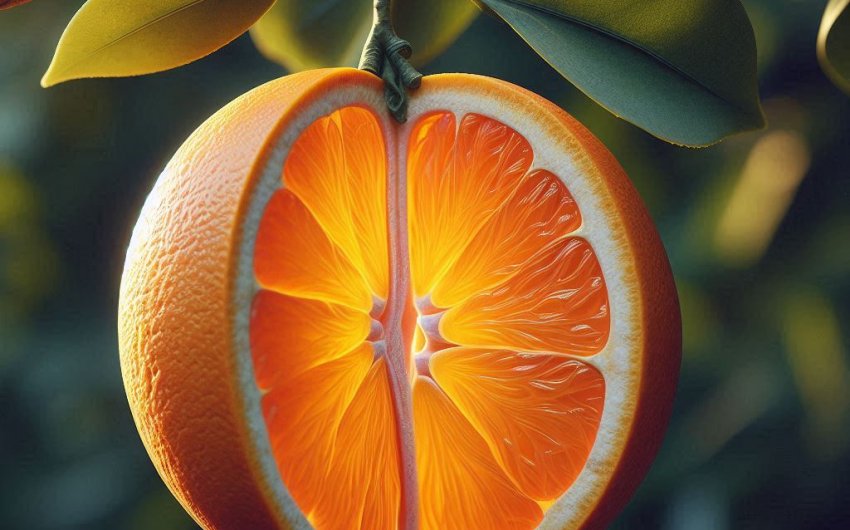
You've nurtured your citrus tree, watching its fragrant blossoms turn into tiny green fruits, anticipating the juicy harvest. Then, just as the fruits are ripening and looking almost perfect, you spot it: a crack, a split, or a burst seam right in the middle of a beautiful orange or lemon. This frustrating phenomenon is known as fruit splitting, and it's a common issue for citrus growers, especially as harvest time approaches.
Fruit splitting on citrus trees can feel disheartening, spoiling what would otherwise be a perfect fruit. It's not usually a sign of disease or pest, but rather a physiological disorder, meaning it's a response of the fruit to environmental changes. Understanding what causes this sudden rupture and, more importantly, how to prevent it, is key to ensuring a bountiful and blemish-free citrus harvest.
What is Fruit Splitting on Citrus Trees?
Fruit splitting is a specific problem that affects citrus fruits as they mature on the tree. It's not a bite mark from a pest or a rot from disease, but a physical rupture of the fruit's skin and flesh. This can be incredibly frustrating for citrus growers because it often happens just when the fruit is nearing ripeness and looks most promising.
Understanding the mechanics behind fruit splitting is the first step toward effective prevention. It's largely about the balance (or imbalance) of water within the fruit and the external skin's ability to keep up with internal growth.
A Physiological Disorder
Fruit splitting on citrus trees is classified as a physiological disorder. This means it's a problem that arises from a plant's response to its environment or internal processes, rather than from an infection by a pathogen (like a fungus or bacteria) or damage from an insect pest. It's essentially the fruit reacting to stress or imbalance.
- Internal Pressure: The core issue is usually an increase in internal pressure within the fruit. As the fruit develops, cells are actively taking up water and sugars, causing the fruit to expand.
- Skin Elasticity: The outer skin of the citrus fruit needs to be able to stretch and expand as the fruit grows. When the internal pressure becomes too great for the skin to accommodate, the skin cracks or splits.
- Timing: Fruit splitting most commonly occurs during the later stages of fruit development, as the fruit is reaching full size and ripening, but before it's ready for harvest. This is when the internal sugars and water content are rapidly increasing, putting maximum pressure on the skin.
- Not Contagious: Because it's a physiological disorder, fruit splitting is not contagious. It won't spread from one fruit to another like a disease. However, if conditions are right, many fruits on the same tree, or even on neighboring trees, can experience it simultaneously.
Recognizing fruit splitting as a physiological disorder helps you focus on environmental and cultural solutions rather than pest or disease treatments.
Uneven Water Uptake
The primary culprit behind the increased internal pressure that causes fruit splitting is uneven water uptake by the citrus tree. This means periods of low water availability followed by sudden, abundant water.
- Dry Spell Followed by Rain/Heavy Watering: This is the classic scenario.
- Dry Conditions: During a period of drought or insufficient watering, the tree conserves water. The fruit's growth slows down, and its rind (skin) becomes less flexible and somewhat hardened as it loses some elasticity.
- Sudden Water Surge: Then, there's a sudden influx of water – either from a heavy rainfall or an intense watering session. The citrus tree rapidly absorbs this water.
- Rapid Fruit Expansion: This surge of water is quickly transported to the fruits. The internal cells of the fruit rapidly swell with water.
- Rind Cannot Expand: Because the rind has lost its elasticity during the dry spell, it cannot stretch quickly enough to accommodate this rapid internal expansion. The result is the fruit's skin literally bursting open or splitting.
- Watering Frequency: Inconsistent watering frequency (e.g., waiting too long between waterings, then giving a lot at once) can mimic this dry spell/wet surge pattern, even without rainfall.
- Temperature Fluctuations: Rapid shifts in temperature can also play a role, affecting the rate of transpiration and water movement within the tree, which indirectly impacts uneven water uptake.
Maintaining consistent soil moisture is the single most important factor in preventing fruit splitting caused by uneven water uptake.
Nutrient Deficiencies (Boron and Calcium)
While uneven water uptake is the main cause, deficiencies in certain nutrients, particularly Boron and Calcium, can also contribute to fruit splitting on citrus trees. These nutrients play crucial roles in maintaining the structural integrity of the fruit rind.
- Calcium (Ca):
- Role: Calcium is essential for building strong and flexible cell walls in plants, including the cells that make up the fruit rind. It helps bind cell walls together, contributing to the rind's strength and elasticity.
- Deficiency Impact: If the fruit isn't getting enough calcium, its rind can become weaker and less able to stretch, making it more prone to splitting when internal pressure increases. Calcium is transported primarily with water flow. Inconsistent watering can indirectly lead to localized calcium deficiency in the fruit, even if there's enough calcium in the soil.
Boron (B):
- Role: Boron is a micronutrient vital for the proper development of cell walls, sugar transport within the plant, and overall fruit development. It works closely with calcium in strengthening cell structures.
- Deficiency Impact: A lack of boron can lead to poorly formed or weak cell walls, making the fruit rind brittle and less able to withstand the internal pressure of a rapidly expanding fruit. Boron deficiency can also affect water movement within the plant.
How to Address:
- Soil Test: The best way to determine if you have a nutrient deficiency is to perform a soil test. This will tell you if your soil lacks these elements.
- Balanced Fertilization: Use a balanced citrus fertilizer that contains micronutrients like boron and calcium. A high-quality citrus tree fertilizer often includes these.
- Consistent Watering: Even if the nutrients are in the soil, uneven water uptake can make them unavailable to the plant or prevent their proper transport to the developing fruit. So, maintaining consistent moisture helps ensure the tree can absorb and move these nutrients effectively.
While not the direct trigger, nutrient deficiencies can predispose citrus fruits to splitting, making the rind less resilient to fluctuations in water pressure.
How to Prevent Fruit Splitting on Citrus Trees?
Preventing fruit splitting on citrus trees largely boils down to creating a stable, consistent environment for the tree, especially when the fruits are developing and ripening. It's about minimizing stress and ensuring a steady supply of what the tree needs.
These prevention strategies focus on managing water, providing proper nutrition, and choosing the right varieties to give you the best chance of a perfect, unblemished citrus harvest.
Consistent Watering Practices
This is, by far, the most critical step in preventing fruit splitting on citrus trees. As discussed, uneven water uptake is the primary cause, so maintaining stable soil moisture is paramount.
- Monitor Soil Moisture Regularly: Don't just water on a schedule. Feel the soil. Stick your finger 2-3 inches deep into the soil. If it feels dry, it's time to water. For larger trees, use a soil moisture meter for trees or dig a small test hole to check moisture at root depth.
- Water Deeply and Slowly: When you water, water thoroughly enough to saturate the entire root zone. Shallow watering encourages shallow roots. Apply water slowly to allow it to penetrate the soil and prevent runoff, especially in heavier soils.
- Avoid Drought-Flood Cycles: The goal is to avoid letting the soil dry out completely and then drenching it. Try to maintain a consistently moist (but not soggy) soil environment, especially during the fruit development and ripening stages. This might mean watering more frequently during hot, dry spells.
- Drip Irrigation or Soaker Hoses: These methods are ideal for citrus trees as they deliver water slowly and directly to the root zone, minimizing evaporation and ensuring consistent moisture without wetting the foliage. A drip irrigation kit for fruit trees can be very beneficial.
- Adjust for Weather: Be mindful of rainfall. If you get a heavy downpour after a dry spell, you might still experience some splitting, but consistent baseline watering will make the trees more resilient. Reduce watering during cool or rainy periods.
Consistent watering practices are your strongest defense against fruit splitting, helping the fruit skin remain flexible and adapt to internal growth.
Apply Mulch Around the Tree
Using mulch around the base of your citrus tree is an excellent and eco-friendly way to maintain consistent soil moisture, which directly helps prevent fruit splitting.
- How Mulch Helps:
- Reduces Evaporation: A layer of mulch acts as a barrier, significantly reducing the amount of water that evaporates directly from the soil surface due to sun and wind. This keeps the soil moist for longer periods, reducing the need for frequent watering.
- Moderates Soil Temperature: Mulch insulates the soil, keeping it cooler in summer (further reducing evaporation) and warmer in winter. Stable soil temperatures contribute to stable root function and water uptake.
- Suppresses Weeds: Fewer weeds mean less competition for water and nutrients with your citrus tree.
- Adds Organic Matter: As organic mulches decompose, they gradually improve the soil structure, enhancing its ability to retain moisture and drain effectively over time.
- Types of Mulch:
- Organic Mulches: Wood chips, bark nuggets, shredded leaves, or straw are excellent choices. They slowly break down and enrich the soil. You can find bags of cedar mulch or pine bark nuggets.
- Inorganic Mulches: Gravel or rocks can also reduce evaporation, but they don't add organic matter and can heat up the soil significantly in sunny climates.
- Application: Apply a 2-4 inch layer of mulch around the citrus tree, extending out to the drip line (the edge of the tree's canopy). Crucially, keep the mulch a few inches away from the trunk of the tree. Piling mulch directly against the trunk can trap moisture and encourage rot or pest issues.
Using mulch is a simple, effective, and sustainable way to support your watering efforts and stabilize the soil moisture around your citrus tree, greatly reducing the risk of fruit splitting.
Proper Fertilization with Calcium and Boron
While uneven water uptake is the main cause, ensuring your citrus tree receives adequate nutrients, particularly calcium and boron, can help prevent fruit splitting by strengthening the fruit rind.
- Soil Testing: The best way to determine if your soil is deficient in any nutrients is to get a soil test done. This will give you precise recommendations for what your soil needs. You can buy a soil test kit or send a sample to a local extension office.
- Balanced Citrus Fertilizer: Use a balanced citrus fertilizer that is specifically formulated for citrus trees. These fertilizers often contain a good balance of macro-nutrients (Nitrogen, Phosphorus, Potassium) and essential micronutrients like calcium and boron.
- Calcium Source: Look for calcium listed on the fertilizer label. If your soil test indicates low calcium, you might also apply supplementary calcium in the form of gypsum or bone meal, mixed into the soil around the drip line.
- Boron Source: Boron is a micronutrient typically needed in very small amounts. Many quality citrus fertilizers will include it. Be careful not to over-apply boron, as too much can be toxic to plants.
- Application: Follow the application instructions on your chosen citrus fertilizer carefully. Apply it at the recommended times, usually during periods of active growth (spring and summer), and typically every 4-6 weeks or as directed. Water thoroughly after applying granular fertilizers.
- Avoid Excessive Nitrogen in Late Season: While nitrogen is essential for leafy growth, too much nitrogen late in the season can encourage rapid vegetative growth and potentially contribute to cracking. Shift to a fertilizer with a lower nitrogen ratio as fruit begins to ripen.
By providing your citrus tree with all the nutrients it needs, especially calcium and boron, you help it develop strong, flexible fruit rinds that are more resistant to the pressures of internal expansion.
Choose Less Susceptible Varieties
While all citrus fruits can potentially experience splitting, some varieties are naturally more prone to it than others. If fruit splitting is a recurring problem in your area or you're planting a new citrus tree, choosing a less susceptible variety can be a good long-term prevention strategy.
- Commonly Affected Varieties:
- Navel Oranges: These are famously susceptible to splitting.
- Eureka Lemons: Also quite prone to splitting.
- Satsuma Mandarins: Can also show signs of splitting.
- Less Susceptible Varieties:
- Valencia Oranges: Generally much more resistant to splitting than Navels.
- Meyer Lemons: Tend to be less prone to splitting than Eureka.
- Grapefruit, Limes, and most other mandarins/tangerines (besides Satsuma) are usually less affected.
- Research for Your Climate: When buying a citrus tree, research varieties that are known to perform well and resist splitting in your specific climate and growing conditions. Local nurseries or extension services can provide valuable advice.
- Understand Why: Varieties with thinner or less elastic rinds, or those that have very rapid growth spurts during ripening, tend to be more susceptible. Those with thicker, more flexible rinds, or a slower, more consistent growth habit, are often more resistant.
If you are just starting your citrus tree journey, consider varieties known for their resistance to fruit splitting to save yourself future frustration and ensure a more reliable harvest. A Meyer lemon tree is a popular and relatively resilient choice.
Ensure Good Drainage
Regardless of watering practices, if your citrus tree is in soil that drains poorly, it will be more susceptible to fruit splitting (and a host of other problems, including root rot). Good drainage is absolutely essential for citrus tree health.
- Why Drainage Matters:
- Prevents Waterlogging: Citrus trees hate wet feet. Waterlogged soil deprives roots of essential oxygen, stresses the tree, and makes it unable to properly absorb water and nutrients. This stress can lead to erratic water uptake by the fruit, contributing to splitting.
- Promotes Healthy Roots: Healthy roots are resilient roots. Soil with good drainage encourages a strong, deep root system that can efficiently manage water absorption, even during minor fluctuations.
- How to Ensure Good Drainage:
- Site Selection: When planting in-ground, choose a location where water doesn't pool after rain. If your soil is heavy clay, consider building a raised bed or amending the soil heavily with organic matter like compost to improve its structure.
- Proper Potting Mix (for containers): For container-grown citrus, use a potting mix specifically formulated for citrus or a very well-draining potting mix. It should contain ingredients like pine bark, perlite, or coarse sand to ensure sharp drainage. A standard citrus potting mix is usually ideal.
- Drainage Holes: Make absolutely certain any containers have adequate drainage holes at the bottom. Never let pots sit in standing water in saucers for extended periods.
- Avoid Compaction: Don't walk directly over the root zone of your citrus trees to avoid compacting the soil, which reduces drainage and aeration.
Good drainage provides a stable and healthy environment for your citrus tree's roots, which in turn supports consistent water delivery to the fruit and helps prevent splitting.
What to Do if Fruit Splitting Occurs?
Despite your best prevention efforts, fruit splitting can still happen on your citrus trees. It's a natural response to certain environmental factors, and sometimes, a sudden heavy rain or an unforeseen temperature swing is unavoidable. When you find a split fruit, the key is to manage it correctly.
While you can't "fix" a split fruit, you can prevent secondary problems and learn from the experience to improve future harvests.
Harvest and Use Immediately
Once a citrus fruit splits on the tree, it unfortunately cannot heal itself. The exposed flesh becomes an open invitation for pests and diseases, and the fruit will quickly begin to rot.
- Immediate Harvest: The moment you notice a split fruit, harvest it immediately. Don't leave it on the tree, even if it's only a small crack.
- Salvage and Use:
- Examine: Check the split fruit for any signs of mold, fermentation, or insect infestation.
- Salvageable: If the split is clean and the internal flesh looks fresh and hasn't started to ferment or mold, you can often salvage the fruit for immediate use. Cut away any damaged or exposed parts.
- Ideas for Use: Use the good portions for juice, zest, cooking, or eating fresh right away. For example, a slightly split orange can be juiced for fresh orange juice, or a split lemon can be used for lemonade. A citrus juicer can help you get the most out of your fruit.
- Discard if Rotted: If the fruit is clearly rotting, moldy, or filled with insects, it's best to discard it to prevent disease spread or attracting more pests to your tree. Do not compost diseased or severely rotten fruit in a home compost pile unless you know your pile gets hot enough to kill pathogens.
- Why Immediate Action?: Leaving split fruit on the tree not only attracts fruit flies, ants, and other pests, but it also creates an entry point for fungal and bacterial diseases that could then spread to other healthy fruits or even parts of the tree. It's a sanitation measure.
While frustrating, immediate harvest and use of split fruit is the best way to salvage what you can and maintain the overall health of your citrus tree.
Don't Spray Fungicides or Pesticides
When you see a split fruit, it might be tempting to reach for a chemical spray, thinking it's a disease or pest problem. However, as fruit splitting is a physiological disorder, spraying fungicides or pesticides will be ineffective and unnecessary, and potentially harmful.
- Ineffective for Physiological Disorders: Fungicides target fungal diseases, and pesticides target insect pests. They have no effect on a physical rupture caused by water pressure and rind elasticity issues. Applying them won't heal the split or prevent future ones directly.
- Potential Harm:
- Beneficial Insects: Unnecessary spraying can harm beneficial insects that help control other pests or pollinate your citrus blossoms.
- Environmental Impact: Chemicals can leach into the soil or runoff into water sources, harming the broader environment.
- Residue on Fruit: Spraying chemicals on ripening fruit can leave residues, making it unsafe for consumption without extensive washing.
- Focus on Cultural Practices: Instead of reaching for chemicals, reinforce your cultural practices that prevent splitting:
- Ensure consistent watering.
- Maintain good mulch.
- Check for and correct nutrient deficiencies.
- Address any underlying drainage issues.
Your efforts are much better spent on prevention and management through environmental control rather than chemical intervention when fruit splitting occurs.
Learn from the Experience
Finding split fruit on your citrus tree can be a learning opportunity. Each instance provides valuable clues that can help you adjust your gardening practices and reduce the problem in future seasons.
- Evaluate Your Watering: This is the first thing to assess.
- Recent Rainfall?: Did a heavy rain follow a period of dryness? If so, you know the cause.
- Your Watering Schedule: Have you been consistent? Are you checking soil moisture, or just watering on a set schedule? Are you watering deeply enough?
- Identify Dry Spells: Were there any periods where you know the tree was likely stressed by lack of water, even if you tried to water?
- Check Soil Conditions: Is the soil draining well? Is your mulch layer adequate? Is the soil compacted?
- Consider Tree Health: Is the tree generally healthy? Are there any signs of nutrient deficiencies or other stresses that might be making the rinds weaker?
- Note the Variety: Which specific citrus varieties on your tree are splitting? This can inform future planting choices.
- Environmental Factors: Were there sudden, drastic temperature swings? While you can't control the weather, understanding its impact helps you anticipate next time.
- Take Notes: Keep a garden journal! Note the date, the variety that split, recent weather patterns, and your watering schedule. This data will be invaluable over time.
By treating each instance of fruit splitting as a clue, you can fine-tune your citrus tree care, learning to better anticipate and manage the environmental conditions that lead to this frustrating disorder, ultimately leading to more successful and abundant harvests in the future.