
How to Grow Fruit on a Balcony with Limited Sunlight?
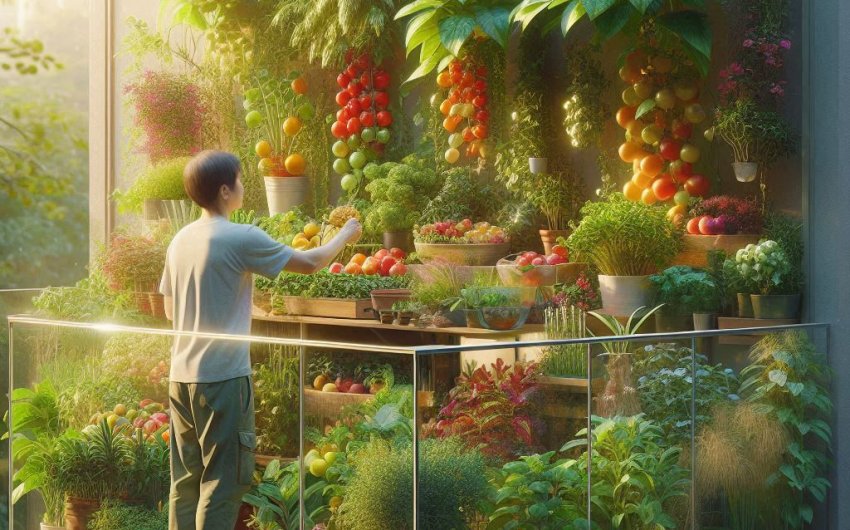
Dreaming of fresh, homegrown fruit but limited to a small balcony with less-than-ideal sunlight? Many aspiring urban gardeners face the challenge of cultivating edible delights in compact spaces, especially when a coveted south-facing, full-sun exposure isn't an option. While the majority of fruit-bearing plants thrive in abundant sunshine, a limited-light balcony doesn't have to spell the end of your fruity ambitions. With strategic plant selection, clever container solutions, and smart cultivation techniques, you can still achieve a surprisingly bountiful harvest.
Growing fruit on a balcony with limited sunlight is a rewarding endeavor that calls for creativity and a willingness to explore less conventional options. It's about maximizing every ray of available light, choosing varieties that perform well in partial shade, and optimizing every inch of vertical and horizontal space. This guide will help you transform your shaded balcony into a productive oasis, proving that even with challenging light conditions, you can enjoy the unparalleled satisfaction of plucking delicious, homegrown fruit right outside your door, bringing the joy of the orchard to your urban haven.
Why is Limited Sunlight a Challenge for Fruit Production?
Understanding why most fruit needs sun is the first step in adapting your gardening strategies for a shady balcony.
How Does Sunlight Affect Fruit Plants?
- Photosynthesis: Sunlight is the primary fuel for photosynthesis, the process by which plants convert light energy into chemical energy (sugars) for growth and development. Fruit production is an incredibly energy-intensive process.
- Energy for Fruit: More sunlight generally means more energy produced, which translates to:
- More Flowers: Better light typically leads to more abundant flowering.
- Better Fruit Set: More flowers develop into fruit.
- Larger Fruit: Fruit grows to a more substantial size.
- Sweeter Fruit: Sugar development in fruit is highly dependent on light. Less sun often means less sweet or flavorful fruit.
- Faster Ripening: Fruit ripens more quickly in full sun.
- Weak Growth: Plants in insufficient light become "leggy" (stretched and spindly) as they try to reach for light. This weak growth is less productive and more susceptible to pests and diseases.
What is the Difference Between Full Sun, Partial Sun, and Shade?
It's important to accurately assess how much light your balcony receives.
- Full Sun: At least 6 hours or more of direct sunlight per day. Ideal for most fruiting plants.
- Partial Sun (or Partial Shade): 4 to 6 hours of direct sunlight per day. Often morning sun is gentler. Many plants tolerant of "partial shade" will still produce fruit here, though yields might be reduced.
- Full Shade: Less than 4 hours (and often less than 2 hours) of direct sunlight per day. Usually very difficult for most fruit plants to produce well.
- Consider Sun Angle Throughout the Day/Year: The sun's path changes with the seasons. A spot that gets sun in summer might be completely shaded in winter. Observe your balcony's light patterns over a full day and across seasons if possible. A plant light meter can help you accurately measure light levels.
How Does Limited Light Affect Fruit Yield and Quality?
- Reduced Yield: The most significant impact. Fewer flowers, poorer fruit set, and less energy for ripening mean a smaller harvest.
- Lower Quality Fruit: Fruit may be smaller, less sweet, less flavorful, or take much longer to ripen.
- Increased Vulnerability: Stressed plants in low light are more susceptible to pests and diseases.
- Fewer Flowers/No Flowers: Some plants might not flower at all if light is too low, meaning no fruit.
What Are the Best Fruit Plants for Limited Sunlight on a Balcony?
While "full sun" is ideal for most fruit, certain plants and specific varieties are more forgiving of partial shade.
Which Berries Tolerate Partial Shade?
Many berries are more tolerant of partial shade than fruit trees.
- Strawberries: Excellent for balconies due to their compact size and ability to spread. Alpine varieties (tiny, intensely flavored) are particularly well-suited for containers and partial shade, though yields will be lower than in full sun. Day-neutral and ever-bearing varieties are good choices for continuous harvest. A strawberry planter for balcony can maximize vertical space.
- Raspberries and Blackberries (Dwarf/Compact Varieties): Some varieties of dwarf or compact raspberries and blackberries can tolerate partial shade, especially if they get morning sun. Look for primocane-fruiting (ever-bearing) varieties that fruit on first-year canes. They will need trellising.
- Blueberries (Dwarf Varieties): Dwarf blueberry bushes can grow well in containers and tolerate partial shade, especially if they receive at least 4-5 hours of direct sun. They need acidic soil. You'll likely need two different varieties for cross-pollination. A dwarf blueberry bush is perfect for a pot.
- Currants and Gooseberries: These often prefer partial shade, especially in hot climates, and can produce well with 4-5 hours of direct sun. They are excellent choices for cooler, shadier balconies.
Are There Any Fruit Trees for Partial Shade?
Most traditional fruit trees need full sun. However, a few smaller options or specific varieties might tolerate slightly less.
- Dwarf Citrus (Limited Success): While citrus trees prefer full sun, some can tolerate partial shade and still produce a few fruit, especially if they get good morning sun. Yields will be lower and fruit may be less sweet. Meyer lemons or Calamondin oranges might be candidates. They require significant light overall.
- Figs (Dwarf Varieties): Certain dwarf fig varieties (e.g., 'Brown Turkey', 'Chicago Hardy') can tolerate some partial shade and still produce fruit. They are more forgiving than other fruit trees. They can be deciduous and tolerate cooler temperatures. A dwarf fig tree for containers can be productive.
What About Less Common Options?
- Elderberry: While a large shrub, some varieties can be grown in large containers. They tolerate partial shade and produce berries that are good for jams or wine.
- Hardy Kiwi (Actinidia arguta): This is a vining fruit, different from fuzzy kiwi. Some varieties are relatively shade-tolerant and can produce fruit with about 4-6 hours of sun. Needs strong support. Often requires male and female plants.
- Mulberry (Dwarf Varieties): Dwarf mulberry trees can provide berries and tolerate partial shade.
- Pawpaw (Asimina triloba): A native tree that prefers partial shade (especially when young) but needs more space than a typical balcony. If you have a very large, shaded balcony, it might be an option, though fruit set can be tricky.
What Other Edible Plants Offer "Fruiting" Benefits?
While not traditional fruits, these offer delicious edibles from your balcony.
- Chives: Provide edible flowers and leaves, are tolerant of partial shade, and can be grown in containers.
- Mint: A vigorous herb that tolerates partial shade and produces small flowers attractive to pollinators.
- Strawberries (Alpine): As mentioned, provide small, intensely flavorful berries.
- Rhubarb (if space allows): While the stalks are edible, not the fruit, it thrives in partial shade in large containers.
- Edible Flowers: Many edible flowers that thrive in partial shade (e.g., Pansies, Violas, Impatiens, Begonias) can provide both beauty and garnish for your dishes.
How Do I Maximize Light on a Shady Balcony?
Even with limited natural sunlight, you can optimize its impact on your fruit plants.
What is the Importance of Reflective Surfaces?
- Bounce Light: Use bright or reflective surfaces to bounce available light towards your plants.
- Materials: Paint nearby walls white or a light color. Use white gravel or light-colored pavers on the balcony floor. Place reflective mylar grow film on walls or barriers behind plants.
- Mirrors: Carefully placed outdoor-rated mirrors can reflect light, but position them so they don't scorch plants or annoy neighbors.
How Can I Strategically Arrange Plants?
- Sun-Mapping: Observe your balcony throughout the day to identify exactly where and when direct sunlight hits. Place your fruit plants in the absolute sunniest spots.
- Rotation: Rotate pots every few days or weekly to ensure all sides of the plant get some exposure to the sun. This prevents one side from becoming leggy. Use plant caddies with wheels for easy movement.
- Elevate Plants: Use plant stands or benches to elevate pots, bringing them higher to catch more light, especially if your balcony railing or lower wall casts shade. A tiered plant stand for balcony is perfect.
- Verticality: Grow vining plants (like hardy kiwi) up trellises or supports to maximize their leaf exposure to light.
Do Grow Lights Help Outdoors?
While commonly used indoors, grow lights can supplement light on a very shady balcony, especially for small, high-value plants or during shorter, darker seasons.
- Purpose: They provide additional light intensity and duration, mimicking full sun conditions.
- Types: Use waterproof LED grow lights for outdoor plants for safety.
- Practicality: This is an investment and requires an outdoor power source. It might be overkill for just a few plants, but an option for dedicated fruit growers.
- Timing: Run them for specific hours to extend the "daylight" period, typically 12-16 hours per day.
What Are the Best Container Solutions for Balcony Fruit?
Choosing the right containers is vital for balcony fruit growing, especially with limited light.
What are the Ideal Pot Materials?
- Plastic/Resin Pots:
- Pros: Lightweight (easy to move), hold moisture well (less frequent watering), affordable, come in various sizes and colors.
- Cons: Can look less aesthetic than other materials.
- Fabric Grow Bags:
- Pros: Excellent for aeration (prevents root circling), lightweight, relatively inexpensive, promote healthy root growth. Ideal for many fruit plants. A heavy-duty fabric grow bag is durable.
- Cons: Can dry out faster than plastic in hot weather.
- Terracotta/Clay Pots:
- Pros: Classic look, porous nature helps prevent overwatering (good for succulents or plants prone to root rot).
- Cons: Heavier, dry out very quickly (require frequent watering), can crack in freezing temperatures.
- Avoid: Metal pots can heat up too much in direct sun. Black pots absorb more heat; lighter colors are often better for fruit trees in containers.
How Important is Pot Size?
- Size Matters: For fruit plants, bigger is almost always better when it comes to pot size. Larger pots hold more soil, which means more moisture and nutrients, reducing watering frequency and allowing for larger root systems.
- Minimums:
- Berries (strawberries, blueberries): At least 10-15 gallons (approx. 18-20 inch diameter).
- Dwarf Trees (figs, citrus): At least 15-25 gallons (approx. 20-24 inch diameter) for mature plants. Start smaller and pot up.
- Root Space: Ample root space is crucial for productive fruiting.
- Benefits of Large Pots: Less frequent watering, better nutrient availability, more stable root temperatures.
Do I Need Good Drainage?
Yes, excellent drainage is non-negotiable for all container fruit plants.
- Drainage Holes: Every pot MUST have ample drainage holes at the bottom. Without them, water collects, suffocating roots and leading to root rot, which will quickly kill your plants.
- Potting Mix: Use a high-quality, well-draining potting mix for containers. Often a blend of bark fines, peat moss/coco coir, and perlite/pumice. Never use garden soil.
- Elevate Pots: Use pot feet to lift pots slightly off the ground, ensuring drainage holes don't get blocked and allowing for better air circulation underneath.
What About Vertical Growing Systems?
Vertical gardening solutions are fantastic for maximizing limited balcony space and potentially catching more light.
- Strawberry Towers: Tiered planters designed specifically for strawberries. A vertical strawberry planter can hold many plants in a small footprint.
- Wall Planters: Mountable planters that attach to a balcony wall. Great for herbs or small berries.
- Trellises/Cages: For vining plants (hardy kiwi, dwarf vining tomatoes) or to support raspberry canes, install a sturdy garden trellis for containers or a heavy-duty tomato cage.
What Are Essential Care Practices for Balcony Fruit?
Even with suitable plants and containers, consistent care is vital for successful fruit production on a balcony.
How Often Should I Water Balcony Fruit Plants?
Container plants generally dry out faster than in-ground plants.
- Daily Check: In hot, sunny, or windy weather, you may need to check your fruit plants daily, sometimes twice a day. Even in partial shade, they can dry out quickly.
- Finger Test: Stick your finger 2-3 inches into the soil. If it feels dry, it's time to water.
- Water Thoroughly: When you water, drench the pot until water drains from the bottom.
- Moisture-Retaining Potting Mix: Using a good quality potting mix with coco coir or compost helps retain moisture.
- Mulch: Apply a 1-2 inch layer of organic mulch (shredded bark, straw) on the soil surface to reduce evaporation.
- Self-Watering Pots: Consider self-watering planters to reduce watering frequency. A self-watering planter for outdoor use is convenient.
Do Balcony Fruit Plants Need Special Fertilizing?
Yes, they are heavy feeders, especially in limited soil volume.
- Growing Season: Fertilize regularly during the spring and summer growing season (when actively growing and fruiting).
- Balanced Fertilizer: Start with a balanced liquid or granular fruit plant fertilizer.
- Fruiting Boost: Once flowering or fruiting begins, switch to a fertilizer higher in phosphorus (P) and potassium (K) to encourage blooms and fruit development.
- Follow Directions: Always dilute liquid fertilizers according to package directions to avoid burning roots.
- Avoid in Dormancy: Reduce or stop fertilizing in fall and winter.
How Important is Pollination?
- Natural Pollinators: While some balconies attract bees and other pollinators, a shaded balcony might have fewer natural visitors.
- Manual Pollination: For some fruit plants (e.g., citrus), you might need to manually pollinate flowers. Use a small, soft paintbrush or cotton swab to transfer pollen from the anthers to the stigma of the same flower or another flower.
- Self-Pollinating Varieties: Choose self-pollinating varieties where possible to ensure fruit set even without many pollinators.
- Companion Flowers: Plant small, pollinator-attracting flowers (e.g., alyssum, low-growing herbs) near your fruit plants. A pollinator attracting flower seed mix can help.
How Do I Prune My Balcony Fruit Plants?
- Size Control: Pruning is crucial for keeping fruit plants at a manageable size for containers and a limited-light balcony.
- Shape and Airflow: Prune to maintain an open, airy shape that allows light to penetrate the canopy and improves air circulation, reducing disease risk.
- Fruiting Wood: For fruit trees and bushes, prune to encourage the development of fruiting wood. Research specific pruning techniques for each fruit type. A sharp pair of hand pruners is essential.
What Are Common Challenges and Solutions for Balcony Fruit?
Even with the best planning, balcony gardening can present unique hurdles.
What if My Fruit is Not Sweet Enough?
- Lack of Sunlight: The most common reason. Fruit needs sun to develop sugars.
- Solution: Maximize light with reflective surfaces, rotation, and grow lights. Choose more shade-tolerant varieties.
- Overwatering: Can dilute flavors.
- Solution: Ensure proper watering and drainage.
- Nutrient Imbalance:
- Solution: Ensure balanced fertilization, especially with potassium, which helps with fruit development.
How Do I Deal with Pests and Diseases on a Balcony?
- Early Detection: Regular inspection is easier in a contained space.
- Organic Solutions: Use eco-friendly pest control methods.
- Hand-Picking: Remove larger pests.
- Insecticidal Soap/Neem Oil: For aphids, spider mites, scale.
- Water Sprays: Dislodge pests.
- Good Air Circulation: Prune plants to improve airflow and reduce fungal diseases.
- Avoid Overwatering: The primary cause of root rot and fungal issues.
- Quarantine New Plants: Inspect new plants before bringing them to your balcony. A houseplant pest control kit often includes organic solutions.
What About Winter Protection for Balcony Fruit?
For perennials, if you live in a climate with freezing winters, containerized fruit plants are more vulnerable than in-ground plants.
- Move Indoors: For tender plants (citrus, tropicals), bring them indoors to a sunny window before the first frost.
- Insulate Pots: For hardier plants, wrap pots with burlap or bubble wrap. Group pots together. Elevate on pot feet.
- Unheated Garage/Shed: For deciduous plants that need dormancy (figs, pomegranates), move them to an unheated garage or shed where temperatures stay cool but above freezing. Water sparingly. A plant caddy with wheels is essential for moving heavy pots.
How Do I Manage Limited Space on a Balcony?
- Vertical Gardening: Use wall planters, hanging baskets, and trellises.
- Dwarf Varieties: Always choose dwarf or compact varieties of fruit plants.
- Succession Planting: For annual fruit-producing vegetables (like bush beans), plant small batches every few weeks for a continuous harvest.
- Multi-Purpose Plants: Choose plants that offer more than one benefit (e.g., blueberries are ornamental and fruitful).
By embracing strategic plant choices, optimizing your limited light, and committing to consistent care, you can transform your balcony into a productive urban orchard, yielding delicious, homegrown fruit year-round.