
What Is the Best Soil for Container Gardening?
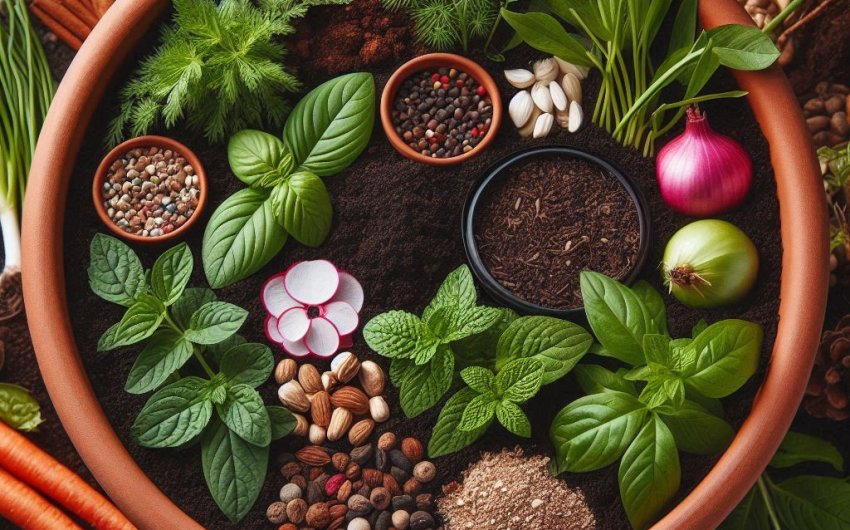
Container gardening offers an incredibly versatile way to grow plants, whether you have a tiny balcony, a spacious patio, or simply want to add movable splashes of color and greenery around your yard. Unlike plants in the ground, container-grown plants rely entirely on you for everything they need, from water to nutrients. And at the heart of their well-being is the soil you choose. You might think "dirt is dirt," but when it comes to containers, the right growing medium is absolutely crucial for your plants' survival and success. Using the wrong kind of soil can lead to waterlogged roots, nutrient deficiencies, or plants that simply fail to thrive. This guide will walk you through what makes an ideal container mix, explore the best options available, and help you pick the perfect foundation for your potted plants to flourish.
Why Can't I Just Use Garden Soil in Pots?
This is one of the most common mistakes new container gardeners make. It seems logical, right? If your garden soil grows great plants in the ground, why wouldn't it work in a pot? The truth is, garden soil is generally a poor choice for container gardening, and here's why.
Compaction
Compaction is the biggest issue. In a garden bed, soil is part of a much larger system. Earthworms, roots, and other living things constantly work to keep it loose and aerated. When you put garden soil into a small, enclosed container, it behaves very differently. The weight of the soil particles, combined with watering, quickly causes it to become dense and compacted.
- What happens? When soil compacts, the tiny air pockets (called pore space) that roots need to breathe get squeezed out. Roots need oxygen to function properly and absorb water and nutrients.
- Result: Root suffocation. Roots literally can't breathe, leading to root rot and eventually, plant death.
Drainage
Good drainage is critical for container plants. Water needs to be able to flow freely out of the bottom of the pot.
- What happens? Garden soil, especially if it has a lot of clay, drains very slowly in a pot. When water can't escape, it sits around the roots, creating a soggy environment.
- Result: Root rot is a common problem in poorly draining pots. Even if it's not clay, garden soil in a pot can stay too wet for too long because of the way water behaves in a confined space.
Weight
Garden soil is heavy, especially when wet. If you have many large containers, moving them or even just working with them can be a back-breaking task.
- What happens? The sheer weight makes large pots difficult to move for cleaning, rearranging, or bringing sensitive plants indoors for winter.
- Result: Limited flexibility and potential for physical strain.
Weeds, Pests, and Diseases
Garden soil, by its nature, is full of life. This includes weed seeds, pest larvae, and disease spores.
- What happens? When you bring garden soil into a pot, you're also bringing all these potential problems right up to your doorstep. It's much harder to deal with a weed or a pest in a confined container than in a large garden bed.
- Result: Constant battles with unwanted weeds, insect infestations, and plant diseases in your containers.
What Makes a Good Container Potting Mix?
Instead of garden soil, what you need for containers is a specially formulated potting mix (often called potting soil, though it typically contains no actual soil). A good potting mix is designed to provide the ideal environment for roots in a confined space. It needs to be:
1. Well-Draining and Aerated
This is the most important characteristic. It allows excess water to drain quickly, preventing soggy roots, while still holding enough moisture for the plant. It also contains plenty of air pockets for root breathing.
2. Lightweight
A good mix should be relatively light, making pots easier to move and reducing stress on balcony railings or shelves.
3. Able to Retain Moisture
While it drains well, it also needs to hold enough water so you don't have to water constantly. It's a delicate balance.
4. Provide Adequate Support for Roots
It needs to be firm enough to anchor the plant, but loose enough for roots to grow freely.
5. Free of Weeds, Pests, and Diseases
A good quality potting mix should be sterilized or made from ingredients that are less likely to carry these unwanted guests.
6. Have a Neutral pH
Most plants prefer a slightly acidic to neutral pH (around 6.0 to 7.0). Good potting mixes are formulated to be in this range, suitable for a wide variety of plants.
Key Ingredients in a Quality Potting Mix
A typical potting mix is a blend of several ingredients, each playing a specific role in creating the ideal growing environment.
1. Peat Moss or Coco Coir (for Moisture Retention and Aeration)
These are the primary bulk ingredients and are crucial for moisture retention and creating good structure.
Peat Moss
- What it is: Decomposed plant material, primarily from sphagnum moss bogs.
- Pros: Excellent at holding water (up to 20 times its weight) and nutrients, creates air pockets when dry, lightweight. It is naturally acidic, which is good for many plants.
- Cons: Can be slow to re-wet if it dries out completely. Some environmental concerns exist regarding peat harvesting from bogs (non-renewable resource).
- You can find sphagnum peat moss as a standalone amendment or as a key component in commercial mixes.
Coco Coir (Coconut Fiber)
- What it is: A byproduct of the coconut industry, made from the fibrous outer husk of coconuts.
- Pros: A sustainable and renewable alternative to peat moss. Also excellent at retaining water and aerating the soil. It re-wets easily and resists compaction. It typically has a neutral pH.
- Cons: Can be more expensive than peat moss. Some sources might have high salt levels if not properly processed (look for "low-salt" or "buffered" coir).
- Coco coir bricks are popular as they expand greatly when water is added.
2. Perlite or Vermiculite (for Drainage and Aeration)
These additives are essential for ensuring good drainage and maintaining air pockets in the mix.
Perlite
- What it is: A lightweight, white, porous volcanic glass that has been heated until it expands, creating tiny air cells.
- Pros: Improves drainage, aeration, and prevents compaction. It doesn't hold water itself but creates space for air and allows water to flow through. It's chemically inert, meaning it won't change the pH of your mix.
- Cons: Can be dusty; sometimes floats to the top when watered.
- Perlite for plants is a common additive in many mixes.
Vermiculite
- What it is: A naturally occurring mineral (mica) that has been heated until it expands into lightweight, absorbent flakes.
- Pros: Improves aeration like perlite, but also holds water and nutrients (unlike perlite, it's absorbent). It helps reduce soil temperature fluctuations. Often used in seed-starting mixes.
- Cons: Can compact over time more than perlite.
- Vermiculite for gardening is another excellent choice for aeration and water retention.
3. Composted Bark or Other Organic Matter (for Structure and Nutrients)
These ingredients add bulk, improve structure, and can provide some slow-release nutrients.
Composted Pine Bark Fines
- What it is: Small, shredded pieces of composted pine bark.
- Pros: Adds structure and helps with drainage while still retaining some moisture. It breaks down slowly, providing long-term benefits to the mix. Often used in orchid mixes too.
- Cons: Can tie up some nitrogen as it breaks down (usually compensated for in commercial mixes).
- Look for composted pine bark fines in larger bags.
Compost
- What it is: Decomposed organic material like food scraps and yard waste.
- Pros: Rich in nutrients, improves soil structure, introduces beneficial microorganisms.
- Cons: Can be heavy, and if not fully composted, can contain weed seeds or pathogens. Use sparingly in container mixes, usually less than 10-20% of the total volume.
- Organic garden compost is great for adding nutrients.
4. Nutrients (Fertilizer)
Most quality potting mixes come with a small amount of fertilizer already mixed in, often a slow-release fertilizer.
- What it is: Granules that slowly release nutrients over weeks or months as you water.
- Pros: Provides an initial boost for plants, reduces the need for immediate fertilization.
- Cons: The nutrients will eventually run out, requiring you to add more fertilizer later.
5. Other Potential Additives
- Wetting Agents: Some mixes include wetting agents (surfactants) to help water penetrate peat moss or coco coir more easily, especially if they've dried out completely.
- Mycorrhizae: Beneficial fungi that form a partnership with plant roots, helping them absorb water and nutrients more efficiently. Some premium mixes include these.
- pH Adjusters: Small amounts of lime (to raise pH) or sulfur (to lower pH) might be added to achieve the desired pH.
Types of Potting Mixes and When to Use Them
You'll see a variety of potting mixes at the garden store. Choosing the right one depends on what you're growing.
1. All-Purpose Potting Mix (General Container Gardening)
- What it is: The most common type, a balanced blend suitable for a wide range of plants. It typically contains peat moss or coco coir, perlite/vermiculite, and often some composted bark and a starter fertilizer.
- When to Use: For most annual flowers, perennial flowers, herbs, vegetables, and houseplants in containers.
- Example: A standard all-purpose potting mix.
2. Seed Starting Mix
- What it is: A very fine, lightweight, and sterile mix with excellent moisture retention. It has very few large particles, making it ideal for tiny seeds to sprout easily. It usually has very little to no added nutrients.
- When to Use: For starting seeds indoors or in trays. Its fine texture allows tiny roots to penetrate easily.
- Example: Seed starting mix.
3. Container & Hanging Basket Mix
- What it is: Similar to all-purpose mix but often contains more perlite or coco coir for even better drainage and aeration, which is crucial for plants that are watered frequently, like those in hanging baskets. It might also contain more slow-release fertilizer.
- When to Use: For plants in hanging baskets, window boxes, or containers that dry out quickly in hot weather.
- Example: Hanging basket potting mix.
4. Organic Potting Mix
- What it is: Made from all-natural ingredients, often including compost, worm castings, bone meal, or other organic fertilizers instead of synthetic ones.
- When to Use: If you prefer an entirely organic approach to gardening, especially for edible plants.
- Example: Organic potting mix for vegetables.
5. Specialty Mixes (Cactus, Succulent, Orchid, etc.)
- What it is: Formulated for plants with very specific soil needs.
- Cactus & Succulent Mix: Contains a higher proportion of sand, perlite, or grit for extremely fast drainage, which these plants require to prevent root rot.
- Orchid Mix: Usually contains large pieces of bark, charcoal, and perlite, designed to be very airy and allow rapid drainage, mimicking their natural epiphytic (growing on trees) habitat.
- When to Use: Only for the specific plants they are designed for.
- Example: Cactus and succulent potting mix.
Can I Make My Own Potting Mix?
Yes, you absolutely can! Making your own potting mix gives you full control over the ingredients and can be more cost-effective if you're container gardening on a large scale.
Basic DIY Potting Mix Recipe
A good general-purpose mix often follows a "thirds" rule:
- 1 part Peat Moss or Coco Coir: For moisture retention.
- 1 part Perlite or Vermiculite: For drainage and aeration.
- 1 part Composted Pine Bark Fines or high-quality Compost: For structure, slow-release nutrients, and microbial activity.
Additional Additives for DIY Mixes
- Worm Castings: (5-10% of total volume) – Excellent natural fertilizer and soil conditioner. Find organic worm castings.
- Slow-Release Organic Fertilizer: (follow package directions) – If your compost isn't super rich, add some bone meal, kelp meal, or an all-purpose organic granular fertilizer.
- Garden Lime: If using a lot of peat moss and your plants prefer a higher pH, add a small amount (e.g., 1 tablespoon per gallon of mix). A soil pH test kit can help determine if this is needed.
Tips for Making Your Own
- Mix Thoroughly: Use a large bin, wheelbarrow, or tarp to mix all ingredients evenly.
- Moisten First: It's easier to mix ingredients (especially peat moss or coir) if they are slightly damp.
- Sterilize if Needed: If you're using garden compost (and not professionally bagged compost) or have had previous disease issues, you might want to sterilize your mix (e.g., by baking in an oven or using a solarization method) to kill weed seeds and pathogens.
Important Considerations When Choosing and Using Potting Mix
Always Buy Fresh Potting Mix
Potting mix doesn't last forever. Over time, the ingredients can break down, lose their effectiveness, or become compacted in the bag.
- Avoid Old Bags: Don't use a bag of potting mix that's been sitting open for years, especially if it's very dry or has been exposed to the elements.
- Buy What You Need: Purchase only what you anticipate using within a year or so.
Don't Reuse Old Potting Mix Indefinitely
It's okay to reuse potting mix for a second season, especially for less demanding plants. However, recognize its limitations.
- Nutrient Depletion: Most nutrients will have been used up by the previous plants.
- Breakdown: The structure will have broken down, leading to compaction and poor drainage.
- Pests/Diseases: It might harbor leftover disease spores or insect eggs.
- Rejuvenate: If reusing, always add fresh organic matter (like compost), more perlite/vermiculite, and fresh fertilizer to rejuvenate it. Avoid reusing mix from plants that had disease problems.
Add Extra Drainage (Sometimes)
While good potting mix drains well, some plants (like succulents) or very large containers might benefit from extra drainage.
- More Perlite/Grit: You can always add more perlite or coarse sand to an all-purpose mix for plants that need even sharper drainage.
- Avoid Drainage Layers: Do NOT put a layer of gravel or broken pot pieces at the bottom of the pot. This actually hinders drainage by creating a "perched water table," where water collects just above the gravel layer, leading to soggy roots. Water will only drain when the soil above the gravel is completely saturated.
Fertilize Regularly (Because Potting Mix Has Limited Nutrients)
Remember, even mixes with starter fertilizer will run out of food.
- Container plants are heavy feeders: Because they have limited soil volume, they quickly deplete nutrients.
- Supplement: Plan to start fertilizing your plants with a liquid plant fertilizer or a slow-release granular fertilizer a few weeks after planting, following product directions.
Choosing the right potting mix is perhaps the most important decision you'll make for the health and success of your container plants. By understanding why garden soil won't work and what components make up a good mix, you can provide your plants with the ideal foundation. Whether you opt for a high-quality commercial product or decide to mix your own, investing in the best possible "soil" will reward you with thriving, beautiful container gardens year after year.