
What Soil is Best for Vegetable Gardening?
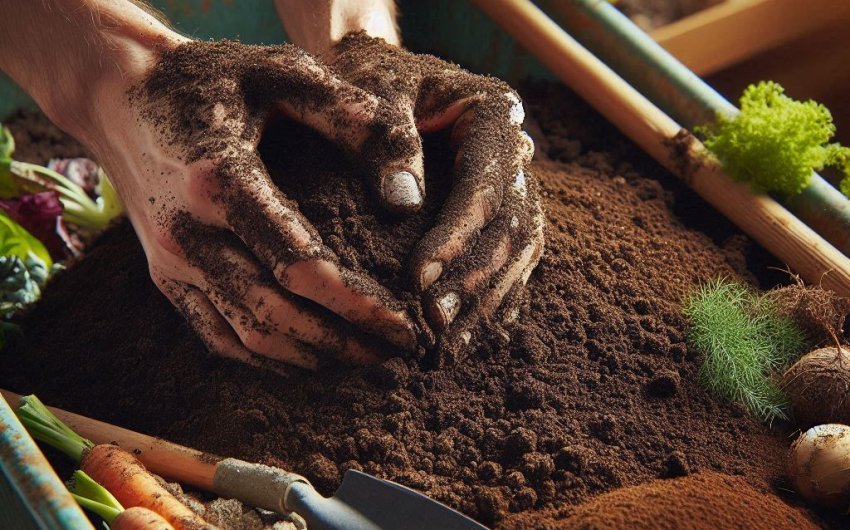
Understanding what soil is best for vegetable gardening is the foundational secret to unlocking bountiful harvests and robust plant health. While often overlooked by novice gardeners, the quality of your garden's earth dictates everything from nutrient availability to water drainage, directly impacting your plants' ability to thrive. Investing time in perfecting your soil conditions sets the stage for a truly rewarding and productive vegetable patch, transforming seemingly barren ground into a fertile powerhouse.
What are the essential characteristics of ideal vegetable garden soil?
Ideal soil for vegetable gardening isn't just "dirt"; it's a complex, living ecosystem that provides everything plants need to flourish. Think of it as a perfectly balanced meal for your vegetables, offering the right texture, nutrients, air, and water. Understanding these essential characteristics is the first step in creating a productive garden and answers the fundamental question: what soil is best for vegetable gardening?
1. Good Drainage
This is perhaps the most critical characteristic. While vegetables need water, their roots cannot survive in constantly waterlogged conditions.
- Why it's essential: Roots need oxygen to "breathe" and absorb nutrients. If soil pores are consistently filled with water, roots suffocate and eventually rot. Poor drainage also encourages fungal diseases.
- Ideal scenario: Water should soak into the soil quickly after rain or irrigation, but the soil should remain moist, not soggy.
- Symptoms of poor drainage: Water pools on the surface for extended periods, soil smells sour, plants wilt even when soil is wet (a sign of root rot), or develop yellowing leaves.
2. Proper Aeration (Good Air Circulation)
Closely related to drainage, aeration refers to the presence of air pockets within the soil.
- Why it's essential: Plant roots, as well as beneficial soil microbes, require oxygen to carry out vital functions. Compacted soil (lacking air pockets) hinders root growth and suffocates beneficial organisms.
- Ideal scenario: Soil should be loose and crumbly, allowing roots to easily penetrate and spread.
- Symptoms of poor aeration: Soil feels hard and dense, roots are stunted, and overall plant growth is slow.
3. Rich in Organic Matter
Organic matter is decomposed plant and animal material (like compost, aged manure, or leaf mold). It's the "lifeblood" of healthy garden soil.
- Why it's essential:
- Improves Structure: It helps sandy soils hold water and nutrients better, and it helps heavy clay soils become looser and more well-draining. It acts like a "glue" for aggregates (soil clumps), creating ideal structure.
- Nutrient Source: As it decomposes, organic matter slowly releases essential nutrients that plants can use.
- Feeds Microbes: It provides food for a vast array of beneficial soil microorganisms (bacteria, fungi, worms, etc.) that make nutrients available to plants and improve soil health.
- Ideal scenario: Aim for at least 5% organic matter in your garden soil, though higher percentages (up to 10% or more) are even better for vegetables.
4. Balanced Nutrient Content
Plants need a variety of nutrients in the right proportions to grow strong and produce well. These include macronutrients (Nitrogen, Phosphorus, Potassium - NPK) needed in larger amounts, and micronutrients (iron, zinc, manganese, etc.) needed in smaller amounts.
- Why it's essential: Nutrient deficiencies lead to stunted growth, yellowing leaves, poor fruit set, and reduced yields. Excessive nutrients can also harm plants.
- Ideal scenario: Soil should have a balanced supply of essential nutrients readily available to plants.
- How to achieve: Primarily by regularly adding organic matter, which naturally releases nutrients. Soil testing is the best way to know your current nutrient levels.
5. Correct pH Level
Soil pH measures how acidic or alkaline (basic) the soil is, on a scale of 0 to 14 (7 is neutral). This is crucial because it affects the availability of nutrients to plants.
- Why it's essential: Most vegetables prefer a slightly acidic to neutral pH range (6.0 to 7.0). Outside this range, even if nutrients are present in the soil, plants may not be able to absorb them efficiently.
- Ideal scenario: Aim for a pH between 6.0 and 7.0 for most vegetables.
- Symptoms of incorrect pH: Nutrient deficiency symptoms that don't improve with fertilizer application.
- How to test/adjust: Use a soil pH testing kit or send a sample to a lab. Adjust pH by adding lime to raise it (make it more alkaline) or sulfur or acidic organic matter to lower it (make it more acidic).
6. Thriving Microbial Life
Healthy soil isn't sterile; it's teeming with microscopic organisms like bacteria, fungi, and protozoa, as well as visible life like earthworms.
- Why it's essential: These microbes break down organic matter, convert nutrients into forms plants can use, improve soil structure, and even help suppress plant diseases. Earthworms aerate the soil and create nutrient-rich castings.
- Ideal scenario: A handful of healthy garden soil should smell earthy, not sour, and feel crumbly, with signs of earthworm activity.
- How to foster: Primarily by adding lots of diverse organic matter and avoiding synthetic chemicals that can harm microbial populations.
By focusing on these six characteristics, you're not just adding amendments; you're building a sustainable, vibrant foundation that answers what soil is best for vegetable gardening, ensuring your plants have everything they need for robust growth season after season.
How do different soil types influence garden performance?
Soil is made up of mineral particles of varying sizes: sand, silt, and clay. The proportion of these three components determines your soil type, which profoundly influences drainage, water retention, nutrient holding capacity, and overall workability. Understanding your soil type is key to knowing what soil is best for vegetable gardening and how to improve it.
1. Sandy Soil
- Characteristics:
- Large particles: Feels gritty to the touch, like beach sand.
- Excellent Drainage: Water drains very quickly.
- Poor Water Retention: Doesn't hold moisture well, dries out rapidly.
- Poor Nutrient Retention: Nutrients leach (wash away) easily.
- Good Aeration: Plenty of air pockets.
- Easy to Work: Very loose and easy to dig.
- Gardening Challenges: While easy to work, sandy soil struggles with providing consistent moisture and nutrients, which are vital for vegetables. Plants in sandy soil often require more frequent watering and fertilization.
- How to Improve: The primary solution is to add large quantities of organic matter (e.g., compost, aged manure, leaf mold). Organic matter acts like a sponge, improving water retention and nutrient-holding capacity. It also provides a slow release of nutrients.
2. Clay Soil
- Characteristics:
- Small particles: Feels sticky when wet, smooth when dry, can form hard clumps.
- Poor Drainage: Water drains very slowly, leading to waterlogging.
- High Water Retention: Holds a lot of water, but much of it might be unavailable to plants.
- High Nutrient Retention: Can hold nutrients well, but they might be bound up and unavailable if the soil is compacted.
- Poor Aeration: Particles pack tightly, reducing air pockets.
- Hard to Work: Becomes very hard when dry and a sticky, heavy mud when wet.
- Gardening Challenges: The biggest issues are poor drainage, compaction, and lack of aeration, which suffocate roots and promote disease.
- How to Improve: Again, organic matter is the hero. It helps clay particles clump together into larger aggregates, creating air spaces and improving drainage. Adding coarse sand (not fine sand, which can just make "concrete") along with organic matter can also help, but organic matter is paramount. Avoid working clay soil when it's wet, as this compacts it further.
3. Silt Soil
- Characteristics:
- Medium-sized particles: Feels smooth and powdery like flour when dry, slippery when wet.
- Moderate Drainage: Drains better than clay but slower than sand.
- Moderate Water Retention: Holds moisture fairly well.
- Good Nutrient Retention: Decent ability to hold nutrients.
- Can Compact: Prone to compaction if heavily worked when wet.
- Gardening Challenges: Silt soil is generally better than pure sand or clay, but it can still compact and form a crust on the surface, making it difficult for seedlings to emerge.
- How to Improve: Regular additions of organic matter will improve its structure, enhance aeration, and prevent surface crusting.
4. Loam Soil
- Characteristics:
- Balanced Mix: An ideal balance of sand (40%), silt (40%), and clay (20%).
- Excellent Drainage: Drains well without being excessively quick.
- Good Water Retention: Holds enough moisture for plants between waterings.
- High Nutrient Retention: Excellent ability to hold nutrients.
- Good Aeration: Plenty of air pockets for roots.
- Easy to Work: Crumbly, friable, and a joy to dig.
- Gardening Performance: Loam soil is widely considered the best soil for vegetable gardening. It offers the perfect balance of properties, providing everything vegetable plants need without significant intervention.
- How to Maintain: Even if you start with loam, continuous gardening can deplete organic matter. Regular top-dressing with compost will maintain its excellent structure and fertility.
Identifying Your Soil Type
You can do a simple "jar test" or "squeeze test" to get a general idea of your soil type:
Squeeze Test:
- Take a handful of slightly moist soil.
- Squeeze it firmly.
- Sandy: Crumbles immediately.
- Silty: Forms a ball that breaks easily when poked.
- Clay: Forms a firm ball that can be rolled into a ribbon without breaking (the longer the ribbon, the more clay).
- Loam: Forms a ball that is cohesive but crumbles easily when gently pressed.
Jar Test:
- Fill a clear jar (like a mason jar) halfway with garden soil.
- Fill the rest with water, leaving an inch or two of air space.
- Add a teaspoon of dish soap (to help separate particles).
- Shake vigorously for a minute until all soil clumps are broken apart.
- Let it settle for 24 hours. The layers will reveal your soil composition: sand at the bottom, then silt, then clay on top. Organic matter will often float.
Understanding your current soil type is the fundamental starting point for any significant soil improvement efforts, directly impacting your ability to achieve what soil is best for vegetable gardening.
How can I improve my garden soil for optimal vegetable growth?
Few gardeners are blessed with naturally perfect loam. The good news is that almost any soil can be significantly improved over time to become highly productive for vegetables. The key is consistent effort, primarily focused on incorporating organic matter. These steps are crucial for answering what soil is best for vegetable gardening through active improvement.
1. Add Ample Organic Matter
This is the single most important and effective way to improve any soil type. Organic matter is the universal soil amendment.
- What to use:
- Compost: Well-rotted finished compost (your own or purchased). This is gold for your garden.
- Aged Manure: From herbivores (cow, horse, chicken, rabbit). Ensure it's well-aged (at least 6 months to a year) to prevent burning plants with fresh nitrogen or introducing pathogens/weed seeds.
- Leaf Mold: Decomposed leaves.
- Composted Wood Chips/Bark: Can be used, but fresh chips should be avoided as they can temporarily deplete nitrogen as they decompose.
- How to apply:
- Top-Dressing: Spread a 2-4 inch layer of organic matter over your garden beds each spring and/or fall. Let earthworms and natural processes work it into the soil.
- Digging In: For initial improvement of very poor soil, you can lightly dig or till in a generous layer (4-6 inches) of compost. However, be cautious with excessive tilling, as it can disrupt soil structure and microbial life over time.
- No-Dig/No-Till: Many successful gardeners advocate for simply layering organic matter on top, letting nature incorporate it. This preserves soil structure and microbial networks.
2. Avoid Compaction
Compacted soil stifles root growth, limits water infiltration, and reduces air circulation.
- Prevention is Key:
- Stay Off Wet Soil: Never walk or work in your garden beds when the soil is wet or muddy. This is when soil is most susceptible to compaction. Wait until it passes the "squeeze test."
- Use Permanent Paths: Establish defined pathways between your garden beds that you always walk on. This keeps your growing areas free from compaction.
- Avoid Excessive Tilling: While initial tillage might be necessary to break up virgin soil, repeated deep tilling can destroy soil structure over time, leading to compaction.
- Remediation for Compacted Soil:
- Deep Mulch: A thick layer of organic mulch (see below) helps soil structure over time.
- Cover Crops: Planting cover crops (like clover or annual rye) can help break up compaction with their root systems.
- Broadfork: For manual, deep aeration without turning the soil, a broadfork can be effective.
3. Mulch Your Garden Beds
Mulching is a simple yet powerful practice.
- What to use: Layers of organic materials like straw, shredded leaves, wood chips (for paths, or well-aged for beds), or compost.
- Benefits:
- Retains Moisture: Reduces water evaporation from the soil, meaning less frequent watering.
- Suppresses Weeds: Blocks sunlight from weed seeds, reducing competition for your vegetables.
- Regulates Soil Temperature: Keeps soil cooler in summer and warmer in winter, providing a more stable environment for roots.
- Adds Organic Matter: As organic mulches break down, they slowly add valuable organic matter to the soil.
- Prevents Erosion: Protects bare soil from wind and water erosion.
4. Practice Crop Rotation and Cover Cropping
These are advanced soil health practices that are highly beneficial.
- Crop Rotation: The practice of planting different types of vegetables in different areas of your garden each season.
- Benefits: Helps prevent the buildup of specific soil-borne diseases and pests, and manages nutrient depletion (e.g., following a heavy feeder like corn with a nitrogen-fixing legume like beans).
- Cover Cropping: Planting specific crops (e.g., legumes, grains, brassicas) during the off-season when your main vegetable beds would otherwise be bare.
- Benefits:
- Adds organic matter when tilled into the soil.
- Prevents soil erosion.
- Suppresses weeds.
- Some (legumes) fix nitrogen.
- Improves soil structure and aeration through their root systems.
- Benefits:
5. Adjust Soil pH (If Necessary)
Only adjust pH after a professional soil test.
- To Raise pH (make more alkaline): Add agricultural lime (calcium carbonate or dolomite lime).
- To Lower pH (make more acidic): Add elemental sulfur, peat moss (though non-renewable), or acidic compost (like pine needle compost).
- Important: pH adjustments take time (months to a year) and should be done gradually. Follow test recommendations carefully.
By consistently implementing these improvement strategies, you're not just growing vegetables; you're cultivating healthy, living soil, which ultimately defines what soil is best for vegetable gardening and ensures a productive and sustainable garden for years to come.
What is the role of soil testing and how often should I do it?
You wouldn't try to build a house without a blueprint, and you shouldn't try to grow a successful vegetable garden without knowing what's in your soil. Soil testing provides a comprehensive "report card" on your garden's foundation, guiding your improvement efforts and ensuring you provide exactly what your plants need. Understanding its role and frequency is paramount to figuring out what soil is best for vegetable gardening for your specific plot.
What is Soil Testing?
Soil testing is a laboratory analysis of a soil sample that provides detailed information about:
- Nutrient Levels: It measures the available levels of essential plant nutrients, especially the macronutrients (Nitrogen, Phosphorus, Potassium - NPK) and often key micronutrients (e.g., Calcium, Magnesium, Sulfur, Iron, Manganese, Zinc).
- Soil pH: It determines how acidic or alkaline your soil is, which is crucial for nutrient availability.
- Organic Matter Content: Some tests will also estimate the percentage of organic matter in your soil.
- Cation Exchange Capacity (CEC): A measure of the soil's ability to hold onto and release positively charged nutrients.
- Recommendations: Most test results come with specific recommendations for amendments (e.g., lime, sulfur, specific fertilizers) to optimize your soil for the plants you intend to grow.
Why is Soil Testing Essential for Vegetable Gardening?
- Prevents Guesswork: Without a test, you're just guessing what your soil needs. Adding too much of a nutrient (like phosphorus) that's already abundant can be wasteful, harmful to plants, and detrimental to the environment (e.g., runoff). Adding too little of a deficient nutrient means your plants will struggle.
- Optimizes Nutrient Availability: The pH reading is critical. Even if a nutrient is present in the soil, it might be "locked up" and unavailable to plants if the pH is too high or too low. The test helps you adjust pH to the ideal range for vegetables.
- Saves Money: By identifying specific deficiencies or excesses, you buy only the amendments your soil truly needs, avoiding unnecessary purchases.
- Promotes Plant Health: Balanced nutrient levels and correct pH lead to stronger, healthier plants that are more resistant to pests and diseases.
- Maximizes Yields: Healthy soil is fertile soil, which directly translates to bigger, healthier, and more abundant vegetable harvests.
- Environmental Stewardship: Prevents over-application of fertilizers, reducing nutrient runoff into waterways.
How to Take a Soil Sample:
Taking a proper sample is crucial for accurate results.
- Tools: You'll need a clean trowel or spade, a clean plastic bucket, and the sample bags provided by the testing lab (or sturdy zip-top bags).
- Depth: For vegetable gardens, sample to a depth of 6-8 inches, which is where most feeder roots are.
- Multiple Samples: Take 10-15 random "sub-samples" from different areas of your garden bed. Avoid areas directly under eaves, near compost piles, or where you've recently applied amendments.
- Mix Thoroughly: Combine all sub-samples in the plastic bucket and mix them well. This creates a composite sample that represents your entire garden.
- Fill Bag: From the mixed composite, fill the sample bag as directed by your chosen lab.
- Label: Label the bag clearly with your name, address, and any identifying information the lab requires.
- Complete Form: Fill out the lab's submission form, indicating what you plan to grow (e.g., "vegetables") so they can provide relevant recommendations.
Where to Get a Soil Test:
- Cooperative Extension Office: Your local university or county cooperative extension office is often the best and most affordable option. They typically have standardized forms, clear instructions, and provide reliable, localized recommendations.
- Private Labs: Various private companies offer soil testing services. Search for "soil testing labs near me" online.
- Home Test Kits: While convenient and inexpensive, home soil test kits usually provide only very basic pH and NPK readings, and their accuracy can be variable. They are useful for quick spot checks but don't replace a full lab analysis for a new garden or significant issues.
How Often Should I Test My Soil?
- Initial Test: Absolutely essential for a new garden or a neglected plot.
- Every 3-5 Years: For established gardens, testing every 3 to 5 years is a good general guideline. This allows you to monitor changes, especially if you're consistently adding organic matter, which can gradually shift pH and nutrient levels.
- When Problems Arise: If your plants are consistently struggling despite good care, a soil test can help diagnose underlying nutrient deficiencies or pH imbalances.
- Before Major Amendments: If you plan to make significant changes to your garden (e.g., adding a large amount of a specific amendment), a test before and after can be beneficial.
By making soil testing a regular part of your gardening routine, you gain invaluable insight into your soil's health, allowing you to fine-tune your approach and truly understand what soil is best for vegetable gardening in your unique space. It's the intelligent way to grow.
What are the key nutrients for vegetable growth and how do they impact plants?
To truly grasp what soil is best for vegetable gardening, it's crucial to understand that healthy soil provides specific nutrients that plants absorb to grow and produce food. These nutrients act like the building blocks and fuel for all plant processes. They are categorized into macronutrients (needed in large amounts) and micronutrients (needed in smaller amounts).
Macronutrients (The Big Three: N-P-K)
These are the primary nutrients usually found on fertilizer labels (e.g., 5-10-5).
Nitrogen (N):
- Role: Essential for leafy green growth, chlorophyll production (which makes plants green and enables photosynthesis), and overall vegetative growth. Think "up and out."
- Impact on Plants:
- Deficiency: Yellowing of older leaves (starting from the tips), stunted growth, pale green color.
- Excess: Lush, dark green, but weak, leggy growth; reduced flowering and fruiting; increased susceptibility to pests and diseases.
- Sources: Blood meal, aged manure, compost, synthetic nitrogen fertilizers.
Phosphorus (P):
- Role: Critical for root development, flowering, fruiting, seed formation, and overall energy transfer within the plant. Think "down and fruit."
- Impact on Plants:
- Deficiency: Purplish tint on lower leaves and stems (especially visible on corn and tomatoes), stunted root growth, poor flowering/fruiting.
- Excess: Can tie up other micronutrients like zinc and iron, making them unavailable.
- Sources: Bone meal, rock phosphate, aged manure, compost, synthetic phosphorus fertilizers.
Potassium (K): (Also known as Potash)
- Role: Vital for overall plant vigor, disease resistance, water regulation, strong stems, and improving fruit quality (flavor, color). Think "strength and health."
- Impact on Plants:
- Deficiency: Yellowing or browning of leaf edges (scorching), weak stems, poor fruit development.
- Excess: Can interfere with the uptake of other nutrients like magnesium and calcium.
- Sources: Greensand, wood ash (use sparingly and only if soil is acidic), compost, synthetic potassium fertilizers.
Secondary Macronutrients
Needed in slightly smaller amounts than N-P-K, but still crucial.
Calcium (Ca):
- Role: Essential for cell wall formation, strong growth, and fruit development.
- Impact on Plants:
- Deficiency: Blossom end rot in tomatoes, peppers, and squash; distorted new growth; stunted root tips.
- Sources: Bone meal, egg shells (crushed, slow release), lime (dolomitic lime provides both calcium and magnesium).
Magnesium (Mg):
- Role: Central component of chlorophyll, vital for photosynthesis.
- Impact on Plants:
- Deficiency: Yellowing between the veins of older leaves, leaving veins green.
- Sources: Epsom salts (magnesium sulfate), dolomitic lime.
Sulfur (S):
- Role: Component of amino acids and proteins, important for enzyme activity and flavor development (e.g., in onions and garlic).
- Impact on Plants:
- Deficiency: Pale green to yellowing of younger leaves, stunted growth.
- Sources: Gypsum, elemental sulfur, compost.
Micronutrients (Trace Elements)
Needed in very small amounts, but deficiencies can still severely impact plants.
- Examples: Iron (Fe), Manganese (Mn), Zinc (Zn), Copper (Cu), Boron (B), Molybdenum (Mo), Chlorine (Cl).
- Role: Primarily involved in enzyme activity, hormone production, and specific metabolic processes.
- Impact on Plants: Deficiencies often manifest as various types of chlorosis (yellowing) or distorted growth in new leaves, depending on the specific nutrient. Excess can also be toxic.
- Sources: Compost, kelp meal, chelated micronutrient mixes. Maintaining the correct soil pH is often the most important factor for micronutrient availability, as they can become locked up if the pH is out of range.
The Role of Organic Matter in Nutrient Cycling
It's important to reiterate that a soil rich in organic matter and thriving with microbial life is the best long-term solution for nutrient availability.
- Microbes break down organic matter, slowly releasing nutrients in a form plants can absorb.
- Organic matter improves soil structure, which in turn enhances aeration and water retention, optimizing conditions for nutrient uptake.
- It buffers pH changes, helping to keep nutrients available.
By focusing on building a healthy, living soil that naturally cycles these essential nutrients, you are actively cultivating what soil is best for vegetable gardening, ensuring your plants receive the balanced diet they need for robust growth and abundant harvests.