
When is the Best Time to Plant Vegetables?
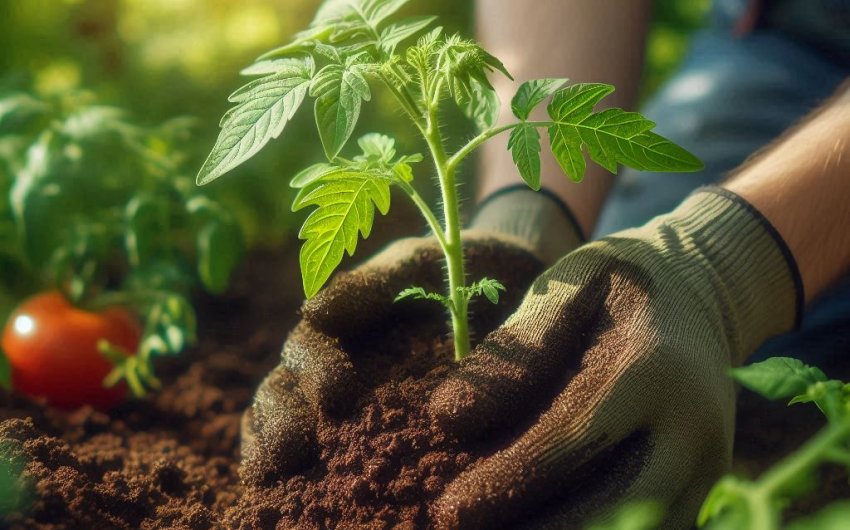
Knowing when is the best time to plant vegetables is a cornerstone of successful gardening, directly influencing the health, yield, and overall vitality of your harvest. It's not just about tossing seeds in the ground; rather, it involves understanding critical factors like your local climate, specific plant needs, and soil conditions. Timing your planting correctly ensures your plants get the ideal start, avoiding damage from frost or excessive heat, and ultimately leading to a more abundant and satisfying yield from your vegetable garden.
Why is planting time so important for vegetables?
The timing of planting is crucial for vegetables because each plant has specific needs for temperature, light, and moisture to grow well. Planting too early or too late can lead to stressed plants, poor growth, and a meager harvest. It's all about providing the best possible start for your leafy greens, root crops, and fruiting plants.
What happens if I plant too early?
- Frost Damage: The biggest danger of planting early is frost. Most vegetable seedlings are tender and cannot survive freezing temperatures. A late spring frost can kill young plants or severely damage them, setting back your entire growing season. Even if they survive, the shock can stunt their growth.
- Cold Soil: Even if there's no frost, cold soil can harm plants. Seeds might not sprout, or they may sprout very slowly and weakly. Cold soil can also stress young plants, making them more vulnerable to diseases and pests. Many warm-season vegetables, like tomatoes or peppers, prefer warm soil to establish healthy roots.
- Damping-Off Disease: Cold, wet soil, especially for seeds or very young seedlings, can lead to a fungal disease called damping-off. This causes the stem to rot at the soil line, and the seedling collapses.
- Stunted Growth: Plants planted too early often sit in cold, wet soil, putting all their energy into merely surviving rather than growing. This can lead to permanently stunted plants, even when the weather finally warms up.
What happens if I plant too late?
- Heat Stress: Planting too late, especially warm-season crops, means they might experience intense summer heat during crucial growth or fruiting stages. High temperatures can cause flowers to drop (e.g., on tomatoes and peppers) without setting fruit, or make leafy greens bolt (go to seed) quickly, turning bitter.
- Pest and Disease Pressure: Many pests and diseases are more prevalent in hot, humid summer conditions. Late-planted vegetables might face higher pressure from these issues, making them harder to manage.
- Reduced Yield/Quality: Crops might not have enough time to mature before the end of the growing season or the onset of cooler weather. This leads to smaller harvests, or the vegetables might not develop their full flavor. Root vegetables might become woody, and lettuce might bolt before forming good heads.
- Competition: Weeds grow quickly in warm weather. Late-planted seedlings might struggle to compete with established weeds for nutrients, water, and sunlight.
Understanding these risks helps emphasize why checking your local climate and the specific needs of each vegetable is the smartest way to approach planting vegetables for a bountiful harvest.
What is my USDA Plant Hardiness Zone and why does it matter?
Your USDA Plant Hardiness Zone is a vital piece of information for any gardener. It's a geographical area defined by its average annual extreme minimum winter temperature. Knowing your zone helps you understand which plants are likely to survive the winter in your region.
How do I find my hardiness zone?
You can easily find your USDA Plant Hardiness Zone by entering your zip code into the USDA Plant Hardiness Zone Map website. Many gardening websites and seed catalogs also provide this tool. For example, if your zone is 6b, it means the lowest winter temperature typically ranges from -5 to 0 degrees Fahrenheit.
Why is the hardiness zone important for vegetables?
While the hardiness zone mainly tells you about perennial plants (those that come back year after year), it's also a good general guide for understanding your local climate, which influences when you can safely plant annual vegetables.
- Average Last Frost Date: Your hardiness zone directly relates to your average last frost date in spring and your average first frost date in fall. These dates are crucial for determining when it's safe to plant tender vegetables.
- Length of Growing Season: The hardiness zone gives you an idea of how long your growing season is (the period between the last and first frost). This helps you choose vegetable varieties that have enough time to mature. For instance, gardeners in short growing seasons might need faster-maturing varieties or rely more on starting seeds indoors.
- Temperature Expectations: It provides an overall expectation of your climate's warmth and cold, guiding decisions on which vegetables will thrive.
While the hardiness zone is a good starting point, remember that microclimates (small areas within your garden that are warmer or colder than the surrounding area due to sun exposure, wind breaks, or pavement) can affect actual conditions. Always combine zone knowledge with local observations.
What is the "last frost date" and why is it crucial?
The average last frost date is one of the most important pieces of information for a vegetable gardener. It's the approximate date in spring after which the likelihood of freezing temperatures drops significantly.
How do I find my average last frost date?
You can typically find your average last frost date by searching online for "average last frost date [your city, state]" or by consulting your local extension office resources. This date is an average, so actual conditions can vary year to year.
Why is it so important for planting vegetables?
- Protection of Tender Plants: Many warm-season vegetables are extremely sensitive to cold temperatures and will be severely damaged or killed by frost. These include popular crops like:
- Tomatoes
- Peppers
- Eggplant
- Cucumbers
- Squash
- Beans
- Corn
- Basil Planting these tender vegetables before the last frost date is a gamble that often doesn't pay off.
- Soil Warming: Beyond air temperature, the soil temperature also needs to be warm enough for many seeds to sprout and for young plants to establish healthy root systems. The last frost date often signals that soil temperatures are beginning to rise.
- Seed Germination: Some seeds, particularly those of warm-season plants, simply won't germinate in cold soil. Waiting until after the last frost ensures the soil has warmed sufficiently for successful seed germination.
General Rule of Thumb: For most warm-season vegetables, wait until at least two weeks after your average last frost date before planting them outdoors. This gives an extra buffer against unexpected cold snaps and ensures the soil has truly warmed up. For instance, if your average last frost is May 1st, aim to plant warm-season crops around May 15th.
It's wise to keep an eye on the local weather forecast even after your average last frost date. If an unexpected cold snap is predicted, be prepared to protect any newly planted tender vegetables with row covers or by bringing potted plants indoors temporarily.
What are "cool-season" versus "warm-season" vegetables?
Understanding the difference between cool-season and warm-season vegetables is fundamental to timing your planting correctly. Each type has distinct temperature preferences for optimal growth.
What are cool-season vegetables?
Cool-season vegetables thrive in cooler temperatures, typically between 50-70°F (10-21°C). They can tolerate light frosts, and some even taste better after a light chill. Planting them too late in spring can cause them to bolt (go to seed) or become bitter in hot summer weather.
Characteristics:
- Temperature Preference: Prefer cool, but not freezing, temperatures.
- Frost Tolerance: Can handle light frosts.
- Growth Cycle: Often planted in early spring for a spring/early summer harvest, or in late summer/early fall for a fall/winter harvest.
- Examples:
- Planting Window:
- Spring: As soon as the soil can be worked in early spring, often 4-6 weeks before the average last frost date.
- Fall: Late summer, allowing enough time to mature before the first hard frost.
What are warm-season vegetables?
Warm-season vegetables absolutely require warm temperatures, both air and soil, to grow and produce. They are very sensitive to frost and will not tolerate even a light chill. They generally prefer temperatures between 65-85°F (18-29°C).
Characteristics:
- Temperature Preference: Need consistent warmth to thrive.
- Frost Tolerance: Extremely sensitive; will be damaged or killed by frost.
- Growth Cycle: Planted after all danger of frost has passed, for summer and early fall harvests.
- Examples:
- Fruiting Vegetables: Tomatoes, Peppers, Eggplant, Cucumbers, Squash, Pumpkins
- Legumes: Bush Beans, Pole Beans
- Grains: Corn
- Herbs: Basil
- Planting Window:
- Spring/Summer: After all danger of frost has passed and soil temperatures are consistently warm (often two weeks after the average last frost date).
By distinguishing between these two groups, you can plan your garden layout and planting schedule effectively, ensuring each vegetable type gets the conditions it needs to thrive.
How does soil temperature affect planting time?
While air temperature and frost dates are crucial, soil temperature is equally, if not more, important for successful seed germination and transplant establishment. Even if the air feels warm, cold soil can severely hinder plant growth.
Why is soil temperature critical?
- Seed Germination: Different seeds have specific minimum soil temperatures they need to sprout. If the soil is too cold, seeds may simply sit there and rot, or they might germinate very slowly and weakly, leading to poor stands.
- Nutrient Uptake: Cold soil makes it harder for plant roots to absorb water and nutrients, even if they are present in the soil. This can lead to stunted growth and nutrient deficiencies.
- Root Development: Warm soil encourages robust root growth, which is essential for a strong, healthy plant. Cold soil can stress roots, making them susceptible to disease.
- Transplant Shock: Planting warm-season transplants (like tomatoes) into cold soil can cause severe transplant shock, where the plant struggles to adjust to its new environment, often turning purplish and becoming stunted.
How do I measure soil temperature?
The most accurate way to measure soil temperature is with a soil thermometer.
- Get a soil thermometer: These are inexpensive and readily available at garden centers or online.
- Take readings: Insert the thermometer about 4-6 inches deep into the soil (the root zone). Take readings in a few different spots in your garden, especially where you plan to plant.
- Timing: Take readings in the morning, as the soil will be at its coolest then.
What are ideal soil temperatures for different vegetables?
| Vegetable Type | Ideal Soil Temperature Range | When to Plant (Soil Temp) |
|---|---|---|
| Cool-Season Crops | 45-65°F (7-18°C) | Can be planted when soil reaches 45°F, but 50°F is safer for many. |
| Warm-Season Crops | 60-85°F (15-29°C) | Wait until soil consistently stays above 60°F, ideally 65°F or higher for heat-lovers like peppers. |
Tips for warming up soil:
- Raised Beds: Raised garden beds warm up faster in spring than in-ground beds.
- Black Plastic/Fabric: Laying down black plastic sheeting or dark landscape fabric over planting areas for a few weeks before planting can significantly warm the soil.
- Compost: Incorporating compost into your soil can improve its structure, which helps with drainage and air circulation, indirectly contributing to warmer soil conditions.
Always check your soil temperature before planting, especially for warm-season vegetables, to give them the best possible start. It's often a more reliable indicator than air temperature alone.
How do I use seed packets and plant tags to determine planting time?
Every seed packet and plant tag is a treasure trove of information, providing specific guidance tailored to that particular vegetable variety. Learning to read and interpret these details is fundamental to successful vegetable gardening.
What information is on a seed packet?
A typical seed packet contains several key pieces of information that directly relate to planting time:
- Days to Maturity: This tells you the approximate number of days from planting to harvest. This is crucial for planning succession planting or for selecting varieties that will mature within your growing season.
- Planting Depth & Spacing: How deep to plant the seeds and how far apart to space them. Proper spacing ensures adequate air circulation and nutrient access.
- Sunlight Requirements: Whether the plant needs full sun (6+ hours of direct sun daily), partial sun (4-6 hours), or partial shade. Most vegetables need full sun.
- Soil Requirements: General preferences for soil type (e.g., well-draining, rich in organic matter).
- Water Needs: Whether the plant prefers consistently moist soil or can tolerate drier conditions.
- Germination Time: The estimated time it takes for seeds to sprout after planting.
- Planting Instructions: This section is often the most important for timing:
- Direct Sow: Seeds are planted directly into the garden soil.
- "Sow after danger of frost has passed," "Sow when soil temperature reaches [X]°F," or "Sow [X] weeks before last frost."
- Start Indoors: Seeds are sown indoors to get a head start before transplanting.
- "Start indoors [X] weeks before last frost," often with instructions for transplanting after frost danger.
- Fall Planting/Succession Planting: Some packets will also provide guidance for later plantings.
- Direct Sow: Seeds are planted directly into the garden soil.
- Hardiness Zone/Climate Suitability: Sometimes listed, but often implied by the planting instructions.
Example Seed Packet Readout: If a tomato seed packet says "Start indoors 6-8 weeks before last frost" and your last frost date is May 15th, you'd start those seeds indoors between March 15th and April 1st. If it also says "Transplant outdoors after all danger of frost has passed and soil is 60°F," you'd wait until late May or early June.
What information is on a plant tag?
When buying starter plants (seedlings) from a nursery, the plant tag offers similar critical information:
- Common Name & Botanical Name: Helps identify the specific plant.
- Light, Water, Soil Needs: Concise summaries of ideal growing conditions.
- Mature Size: How large the plant will get.
- Planting Instructions: Often very direct, such as "Plant outdoors after last frost," or "Ideal for summer garden."
- Spacing: How far apart to plant the seedlings.
- Hardiness Zone: Sometimes provided, especially for perennials, but still relevant for annual vegetables for understanding climate suitability.
- Special Notes: Any unique care requirements or tips.
Tips for using tags and packets:
- Save them: Keep your seed packets and plant tags! They are valuable references throughout the growing season and for future years.
- Cross-reference: Compare the information on the packet/tag with your local climate information (last frost date, typical summer temperatures) to make informed decisions.
- Don't rush: Resist the urge to plant early just because you're excited. Adhering to the recommended planting times based on these resources will yield far better results.
- Note variations: If buying the same type of vegetable from different brands, check for slight variations in "days to maturity" or "planting time" recommendations.
By carefully consulting these vital resources, you equip yourself with the knowledge needed to plant your vegetables at their optimal time, giving them the best chance for a healthy and productive life.
How do I plant cool-season vegetables in spring and fall?
Cool-season vegetables are the workhorses of the spring and fall garden, thriving in milder temperatures. Mastering their planting times allows for multiple harvests throughout the year.
Planting cool-season vegetables in spring:
The goal in spring is to get these plants in the ground as soon as conditions allow, so they can mature before the heat of summer causes them to bolt or become bitter.
- Monitor Soil: Begin checking your soil temperature as soon as the ground thaws and can be easily worked (not soggy). Many cool-season crops can tolerate soil as cool as 45°F (7°C), but 50°F (10°C) is often preferred for better germination.
- Early Spring Direct Sowing (3-6 weeks before last frost):
- Mid-Spring Sowing/Transplanting (2-4 weeks before last frost):
- Leafy Greens: Lettuce (many varieties), Swiss Chard, Kale, Arugula can be direct-sown or transplanted as seedlings.
- Cruciferous Crops: Broccoli, Cabbage, Cauliflower are best transplanted as young seedlings, often started indoors 6-8 weeks before this time.
- Potatoes: Seed potatoes can be planted around this time.
- Succession Planting: For crops like lettuce, spinach, and radishes, plant small batches every 2-3 weeks. This ensures a continuous harvest rather than one large flush that quickly goes to seed.
Planting cool-season vegetables in fall:
Fall planting allows you to enjoy fresh greens and root crops after the summer heat subsides, often extending your gardening season well into cooler weather, sometimes even through winter in milder climates.
- Calculate Backward: Determine your average first frost date in fall. Then, work backward using the "days to maturity" from your seed packet. For many crops, add 2-4 weeks to the "days to maturity" to account for slower growth in shorter, cooler days. This is your target planting window.
- Ideal Window: Often late summer to early fall. For example, if your first frost is October 15th, and lettuce takes 50 days to mature, you'd want to plant by late August.
- Soil Still Warm: The soil is still warm in late summer, which is great for seed germination. However, temperatures might be too hot for newly sprouted seedlings. Provide some shade cloth if necessary during heat waves.
- Examples of Fall Crops:
- Leafy Greens: Kale, Spinach, Lettuce, Arugula, Collards, Mustard Greens.
- Root Vegetables: Carrots, Radishes, Beets can be planted for a second harvest.
- Garlic: Hardneck and Softneck garlic cloves are typically planted in late fall (October-November in many zones) to overwinter and produce large bulbs next summer.
- Extending the Fall Harvest: Use row covers, cold frames, or hoop houses to protect cool-season crops from early frosts, extending the harvest well into winter. A garden cold frame is a great tool for this.
Fall gardening offers a refreshing change from the summer rush and often yields sweeter, crispier cool-season vegetables due to the cool weather.
How do I plant warm-season vegetables?
Warm-season vegetables are the stars of the summer garden, producing most of our beloved fruits and vegetables when the days are long and warm. Proper timing is critical to protect them from frost and give them a long growing season.
When should I plant warm-season vegetables?
The absolute golden rule for warm-season vegetables is to wait until all danger of frost has passed and the soil has warmed up. This usually means:
- After your average last frost date.
- When soil temperatures are consistently 60°F (15°C) or above (ideally 65-70°F for heat-lovers like peppers and eggplants). You can measure this with a soil thermometer.
- In many regions, this translates to late spring or early summer.
What warm-season vegetables can I direct sow?
Some warm-season vegetables are best direct-sown into the garden once conditions are warm enough, as they don't transplant well or grow rapidly from seed.
- Beans: Both bush beans and pole beans are quick growers and do well when sown directly.
- Corn: Corn seeds are sensitive to cold soil and should only be planted once the soil is reliably warm.
- Cucumbers: These vining plants prefer to be sown directly.
- Squash & Pumpkins: Summer squash, winter squash, and pumpkins are all best direct-sown once the soil is very warm.
- Okra: A heat-loving crop that thrives when direct-sown in hot conditions.
Direct Sowing Steps:
- Prepare your garden bed, ensuring good drainage and rich soil.
- Follow the planting depth and spacing instructions on your seed packet.
- Water thoroughly after planting.
- Keep the soil consistently moist until germination.
Which warm-season vegetables are best transplanted?
Many popular warm-season vegetables benefit from being started indoors as seedlings and then transplanted into the garden after the danger of frost has passed. This gives them a head start on the growing season, especially in regions with shorter summers.
- Tomatoes: Almost always started indoors 6-8 weeks before the last frost.
- Peppers: Also started indoors, typically 8-10 weeks before the last frost, as they grow slowly.
- Eggplant: Similar to peppers, requiring a long growing season.
- Basil: While it can be direct-sown, starting basil indoors ensures a bushier, earlier harvest.
Transplanting Steps:
- Harden off seedlings: About 7-10 days before transplanting outdoors, gradually acclimate your seedlings to outdoor conditions. Start with an hour or two in a sheltered outdoor spot, increasing time daily, and eventually exposing them to direct sun and wind. This process prevents transplant shock.
- Prepare planting holes: Dig holes slightly larger than the root ball of your seedlings.
- Planting: Gently remove the seedling from its container. If roots are circling the bottom, gently loosen them. Place the seedling in the hole, ensuring the soil level is the same as or slightly deeper (for tomatoes, you can bury part of the stem).
- Water in: Water thoroughly after planting to settle the soil around the roots.
- Protect (if needed): If an unexpected cold snap is forecast, cover young transplants with row covers, inverted pots, or blankets overnight.
By providing warm-season vegetables with the warmth they crave, whether through direct sowing or careful transplanting, you set the stage for a productive and delicious summer harvest.
Can I extend my growing season?
Absolutely! Extending your growing season means getting an earlier start in spring and keeping plants productive later into fall and even winter. This allows you to enjoy fresh vegetables for a much longer period than the natural climate might allow.
How can I get an early start in spring?
- Start Seeds Indoors: This is one of the most effective ways to get a jump on the season.
- Benefits: Allows you to grow tender warm-season vegetables (tomatoes, peppers, eggplants) that need a long growing period. You control the environment, protecting seedlings from pests and harsh weather.
- Equipment: You'll need seed starting trays, a seed starting mix, and ideally a grow light system to ensure strong, non-leggy seedlings. A heat mat can speed up germination.
- Timing: Consult seed packets for "start indoors X weeks before last frost" instructions.
- Cold Frames: A cold frame is a bottomless box with a transparent lid that sits over a garden bed. It traps solar heat, warming the soil and air inside.
- Uses: Great for starting cool-season crops earlier, hardening off seedlings, and extending the harvest of existing plants.
- How to use: Place it over your garden bed in early spring. Open the lid on sunny days to prevent overheating and close it at night to trap warmth.
- Row Covers: Lightweight fabric row covers draped over plants or supported by hoops can protect plants from light frosts, cold winds, and even some pests.
- Benefits: Allow light and water to pass through, but trap heat.
- Use: Place over beds of cool-season vegetables in early spring, or over warm-season transplants if a late frost threatens.
- Raised Beds: As mentioned earlier, raised garden beds warm up faster in spring than in-ground beds, allowing for earlier planting.
- Soil Warming Techniques: Laying down black plastic mulch for a few weeks before planting can significantly raise soil temperatures.
How can I extend my harvest into fall and winter?
- Succession Planting: Continue to plant quick-growing cool-season crops (lettuce, spinach, radishes, arugula) every 2-3 weeks into late summer. This ensures a continuous supply as older plants finish.
- Select Fall/Winter Varieties: Some vegetable varieties are bred specifically for cold tolerance and short-day growing. Look for "winter harvest" or "cold-hardy" on seed packets.
- Cold Frames/Hoop Houses: These are invaluable for extending the season in fall and even allowing for winter harvesting in many climates.
- Function: They create a mini-greenhouse effect, trapping heat and protecting plants from freezing temperatures, wind, and heavy snow. A garden hoop house kit provides a more substantial structure.
- Use: Plant your fall crops inside them. On sunny winter days, they can provide warmth for growth.
- Heavy Mulch: For root crops like carrots or parsnips, a thick layer of straw mulch applied in late fall can insulate the ground, allowing you to harvest them even after the ground freezes.
- Overwintering Crops: Some hardy vegetables can overwinter in the ground and provide an early spring harvest. This includes garlic (planted in fall), and some varieties of kale and collards in milder zones.
- Cloches and Row Covers: Similar to spring use, these can provide temporary protection from early fall frosts, giving plants a few extra weeks to mature. Individual garden cloches are great for protecting single plants.
By strategically implementing these techniques, you can significantly lengthen your productive gardening season, enjoying fresh vegetables almost year-round, making the most of when is the best time to plant vegetables in your specific region.