
How Do I Grow Vegetables in Containers?
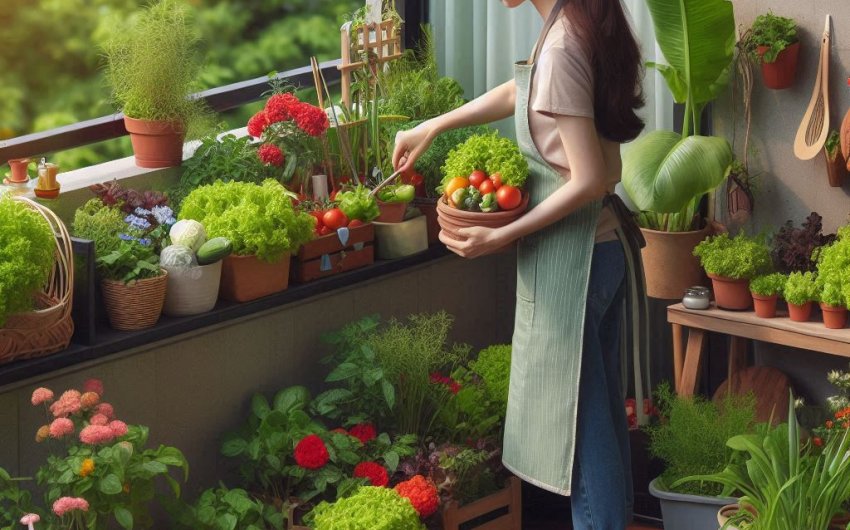
Discovering how do I grow vegetables in containers opens up a world of possibilities for fresh, homegrown produce, even if you lack a traditional garden plot. Whether you have a small balcony, a sunny patio, or just a bright windowsill, container gardening makes it possible to cultivate a surprising variety of vegetables. This method offers flexibility, pest control advantages, and the immense satisfaction of harvesting your own food, making it an ideal solution for urban dwellers, renters, or anyone looking to maximize their growing space.
Why Choose to Grow Vegetables in Containers?
Growing vegetables in pots offers numerous advantages, making it an excellent choice for a wide range of gardeners.
- Space Efficiency:
- Small Spaces: Perfect for apartments, condos, townhouses, or homes with limited yard space. Any sunny patio, balcony, deck, or even a rooftop can become a productive garden.
- Vertical Gardening: Containers can be stacked or placed on shelves to maximize vertical growing space.
- Flexibility and Mobility:
- Sunlight Tracking: Move containers to follow the sun throughout the day or season, ensuring plants always get optimal light. This is especially useful if your sunny spots change.
- Protection: Easily move plants indoors or to a sheltered location during extreme weather (frost, hail, excessive heat).
- Rearranging: Change your garden layout on a whim.
- Soil Control:
- Ideal Conditions: You have complete control over the potting mix, allowing you to create the perfect drainage, nutrient levels, and pH for your specific vegetables, regardless of your native soil quality. This is a huge advantage if you have poor garden soil (e.g., heavy clay or sand).
- Disease/Pest Prevention: Using fresh, sterile potting mix each season reduces the risk of soil-borne diseases and pests common in in-ground gardens.
- Weed Control:
- Minimal Weeds: Containers greatly reduce the number of weeds you'll encounter. Any weeds that do appear are usually easy to spot and pull.
- Pest Management:
- Easier Isolation: If one plant gets pests, it's easier to isolate and treat without spreading to the rest of the garden.
- Physical Barriers: Some pests are easier to deter in containers (e.g., slugs and snails on elevated pots).
- Accessibility:
- Raised Height: Containers can be placed on elevated stands or benches, making gardening more accessible for individuals with back issues, mobility challenges, or those who prefer not to kneel or bend extensively. Raised garden bed containers are very popular.
- Earlier/Later Harvests:
- Warm Up Faster: Container soil warms up more quickly in spring, allowing for earlier planting.
- Extend Season: You can bring tender plants indoors or into a greenhouse to extend the growing season beyond the first frost.
- Aesthetics:
- Containers add decorative elements to patios, decks, and entryways, blending edible gardening with ornamental design.
What Are the Best Containers for Growing Vegetables?
Choosing the right container is critical for healthy vegetable growth. It needs to provide adequate space for roots and proper drainage.
Key Considerations for All Containers:
- Drainage Holes are Non-Negotiable: Every container must have drainage holes at the bottom. Without them, water will pool, suffocating roots and leading to rot. If a decorative pot lacks holes, use it as a cachepot (a decorative outer pot) and place a functional pot with drainage inside.
- Size Matters: The bigger the pot, the better, especially for larger vegetables. Larger pots hold more soil, which means more consistent moisture and nutrients, and less frequent watering.
- Material: Different materials have different properties regarding water retention, weight, and durability.
Popular Container Materials:
Terracotta (Unglazed Clay) Pots:
- Pros: Porous, allowing good air circulation to roots and moisture to evaporate through the sides. This reduces the risk of overwatering.
- Cons: Dries out quickly, so you'll need to water more frequently, especially in hot weather. Can be heavy and crack in freezing temperatures.
- Best For: Plants that prefer slightly drier conditions or for gardeners who tend to overwater. A classic terracotta pot for vegetables.
Plastic Pots:
- Pros: Lightweight, affordable, retain moisture well (reducing watering frequency), durable, and come in many colors and sizes.
- Cons: Can retain too much moisture if overwatered. Dark colors can absorb a lot of heat, potentially overheating roots in direct sun.
- Best For: Most vegetables. Ideal for hot climates or for gardeners who don't want to water daily.
Grow Bags (Fabric Pots):
Advertisement- Pros: Excellent for drainage and aeration ("air pruning" roots, preventing root circling). Lightweight, foldable for storage, and very affordable. Comes in various sizes, including large fabric grow bags for root vegetables.
- Cons: Can dry out very quickly in hot, sunny conditions, requiring frequent watering. Appearance may not suit all aesthetics.
- Best For: Almost all vegetables, especially root crops (potatoes, carrots) and those prone to root circling.
Wooden Planters/Raised Beds:
- Pros: Attractive, good insulation for roots, breathable (similar to terracotta but slower to dry). Can be custom-built to large sizes. A wooden raised planter box adds aesthetic appeal.
- Cons: Can be heavy, wood eventually decays (though treated wood lasts longer).
- Best For: Larger installations, multi-plant setups, or permanent balcony gardens.
Metal Containers (Galvanized Tubs, Stock Tanks):
- Pros: Very durable, attractive rustic look, can be very large.
- Cons: Can absorb and transfer a lot of heat to roots in direct sun. Requires careful preparation (drilling drainage holes, potentially lining with insulation).
- Best For: Large-scale container gardening. Consider galvanized steel garden beds.
Recommended Minimum Pot Sizes for Common Vegetables:
| Vegetable Type | Minimum Pot Size (Diameter/Volume) |
|---|---|
| Lettuce/Greens | 6-8 inches (1-gallon) |
| Radishes/Carrots | 6-8 inches deep (for carrots, need 10-12 inches deep) |
| Bush Beans/Peas | 8-10 inches (2-gallon) |
| Herbs | 6 inches (1-gallon) for single herbs, larger for multiple |
| Bush Cucumbers | 10-12 inches (3-5 gallon) |
| Peppers/Eggplant | 12-16 inches (5-10 gallon) |
| Tomatoes (Bush/Dwarf) | 15-20 inches (10-20 gallon) |
| Potatoes | 15-20 inches deep (10-20 gallon potato grow bag) |
| Zucchini/Squash (Bush) | 20-24 inches (15-25 gallon) - one plant per pot |
What is the Best Potting Mix for Container Vegetables?
The right potting mix is crucial for success, as it provides the foundation for root growth, water retention, and nutrient availability.
- Avoid Garden Soil: Do NOT use native garden soil in containers. It's too dense, compacts easily, and doesn't drain well in a confined space. It also may contain pests, diseases, or weed seeds.
- Lightweight and Well-Draining: A good potting mix for containers needs to be lightweight enough to allow aeration for roots, yet retain enough moisture and nutrients.
- Ideal Potting Mix Components:
- Peat Moss or Coco Coir: Provides water retention and aeration. Compressed coco coir is a sustainable alternative to peat.
- Compost: Adds nutrients and beneficial microbes. Use high-quality finished compost.
- Perlite or Vermiculite: Essential for improving drainage and aeration. Horticultural perlite is lightweight and creates air pockets. Vermiculite also holds water.
- Other Amendments: Some mixes may include bark fines for drainage, or a slow-release fertilizer.
DIY Potting Mix Recipe (General Purpose):
- 1 part high-quality sphagnum peat moss or coco coir
- 1 part finished compost
- 1 part perlite (or a mix of perlite and vermiculite)
Mix these thoroughly. You can also buy a commercial potting mix specifically for containers or a vegetable potting mix.
How Do I Water and Fertilize Container Vegetables?
Container vegetables need more frequent watering and consistent fertilization than in-ground plants because they have limited soil volume.
Watering
- Frequent Checks: Container soil dries out much faster than garden beds. Check your containers daily, especially in hot, sunny, or windy weather. In peak summer, you might need to water twice a day.
- Signs of Thirst: Wilting leaves, light-feeling pots, or dry soil when you stick your finger in (at least 1-2 inches deep).
- Thorough Watering: Water deeply until you see water flowing out of the drainage holes. This ensures the entire root ball is saturated.
- Avoid Overhead Watering: Water at the base of the plant to keep foliage dry and reduce fungal diseases. Use a long-spout watering can or a drip irrigation system for containers.
- Self-Watering Containers: Consider self-watering planters, which have a reservoir that wicks water up to the soil, extending watering intervals.
Fertilizing
- Nutrient Depletion: Because of frequent watering, nutrients leach out of container soil more quickly. Container vegetables are also heavy feeders.
- Start Strong: Many good potting mixes come with some starter fertilizer. However, you'll need to supplement.
- Options for Fertilization:
- Slow-Release Granular Fertilizer: Mix a slow-release granular fertilizer into your potting mix at planting time. This provides nutrients over several months.
- Liquid Fertilizer: The most common method. Use a balanced liquid vegetable fertilizer (e.g., 5-1-1 or 2-4-2 ratio for general purpose) diluted to half or quarter strength.
- Frequency: Apply every 1-2 weeks once plants are established and actively growing.
- Application: Apply to moist soil to prevent root burn.
- Compost Tea: A gentle organic option that boosts both nutrients and beneficial microbes. Brew your own or buy compost tea concentrate.
What Are the Best Vegetables to Grow in Containers?
Many vegetables are well-suited for container gardening, especially bush or dwarf varieties.
Easy-to-Grow for Beginners:
- Lettuce and Leafy Greens: (Spinach, Swiss Chard, Arugula, Kale)
- Container Size: 6-8 inch deep pots or window boxes.
- Tips: Grow in partial shade in hot climates to prevent bolting. Harvest outer leaves for continuous supply.
- Radishes:
- Container Size: 6 inches deep, wide containers.
- Tips: Fast-growing, harvest quickly. Need consistent moisture.
- Bush Beans:
- Container Size: 8-10 inch deep, 2-gallon pots.
- Tips: No staking needed. Provide support for pole beans.
- Herbs: (Basil, Mint, Chives, Parsley, Cilantro, Thyme, Rosemary)
- Container Size: 6-inch pots for single plants, larger for mixed herb gardens.
- Tips: Mint can be invasive, so keep it in its own pot. Many herbs need full sun.
Best for Medium-Sized Containers (5-10 Gallons):
- Peppers (Bell, Chili):
- Container Size: 12-16 inches deep (5-10 gallons).
- Tips: Need full sun and consistent watering. May need staking as they get heavy.
- Eggplant:
- Container Size: 12-16 inches deep (5-10 gallons).
- Tips: Similar needs to peppers.
- Bush Cucumbers:
- Container Size: 10-12 inches deep (3-5 gallons).
- Tips: Choose "bush" or "patio" varieties. Provide a small trellis or cage for support.
- Dwarf Tomatoes:
- Container Size: 15-20 inches deep (10-20 gallons) for bush/dwarf varieties.
- Tips: Choose varieties labeled "patio," "bush," or "compact." They will still need a tomato cage for pots. 'Tiny Tim' or 'Patio' are good choices.
- Potatoes:
- Container Size: Large grow bags (15-20 gallons) or tall, sturdy containers. Potato grow bags are designed for this.
- Tips: Layer soil as plant grows (hilling up).
For Larger Containers (15+ Gallons):
- Bush Zucchini/Squash:
- Container Size: 20-24 inches deep (15-25 gallons). One plant per container.
- Tips: Choose "bush" or "patio" varieties. These are still sprawling but can be managed.
- Indeterminate Tomatoes:
- Container Size: 20-25 gallons or half whiskey barrels.
- Tips: Require very strong staking or a sturdy tomato cage for large containers, as they grow very large.
- Strawberries:
- Container Size: Strawberry pots or hanging baskets are popular. Standard pots of at least 8 inches are also good.
- Tips: Alpine strawberries can be grown from seed; June-bearing or ever-bearing varieties are also suitable.
What Are Essential Tips for Success with Container Vegetables?
Beyond the basics, these tips will help ensure your container vegetable garden thrives.
- Sunlight is Key: Most vegetables need at least 6-8 hours of direct sunlight per day for optimal growth and fruit production. Without enough sun, plants will be leggy and yields will be low.
- Start with Healthy Plants (or Seeds):
- Transplants: For many vegetables (tomatoes, peppers, eggplant), buying healthy young transplants from a nursery gives you a head start.
- Seeds: For others (radishes, carrots, beans, leafy greens), direct sowing seeds into the containers works well. Choose high-quality seeds.
- Choose "Bush," "Dwarf," or "Patio" Varieties: These are bred to be more compact and are specifically suited for container living. Check seed packets or plant tags.
- Provide Support: Many vegetables, even bush types, will benefit from support.
- Staking: Use plant stakes for peppers, eggplants, and dwarf tomatoes.
- Caging: Tomato cages are useful for keeping tomato plants upright.
- Trellising: Provide small trellises for vining plants like bush cucumbers or small squashes.
- Monitor for Pests and Diseases:
- Regular Checks: Inspect your plants daily for signs of pests (aphids, spider mites) or diseases (leaf spots, powdery mildew). Early detection makes control easier.
- Organic Solutions: Use organic pest control methods like neem oil spray or insecticidal soap.
- Remove Affected Parts: Prune off any diseased leaves or stems to prevent spread.
- Succession Planting:
- Continuous Harvest: For fast-growing crops like lettuce, radishes, or bush beans, plant small batches every 2-3 weeks. This ensures a continuous harvest rather than one big flush.
- Seasonal Turnover: When one crop finishes producing, replace it with a new crop suitable for the current season.
- Consider Plant-Specific Needs:
- Tomatoes: Need consistent watering to prevent blossom end rot.
- Peppers: Love heat and sun.
- Lettuce: Prefers cooler weather and some shade in hot climates.
- Root Vegetables: Need deep, loose soil.
- Blossom End Rot Prevention (for Tomatoes, Peppers, Squash):
- Consistent Watering: This is the most common cause. Ensure consistent moisture.
- Calcium: Ensure your soil has adequate calcium. You can add calcium supplement for vegetables or crushed eggshells (though eggshells break down slowly).
By diligently following these guidelines on how do I grow vegetables in containers, you can transform even the smallest outdoor spaces into highly productive and rewarding edible gardens, providing you with a continuous supply of fresh, healthy produce right at your fingertips.