
What Are the Benefits of Raised Bed Vegetable Gardening?
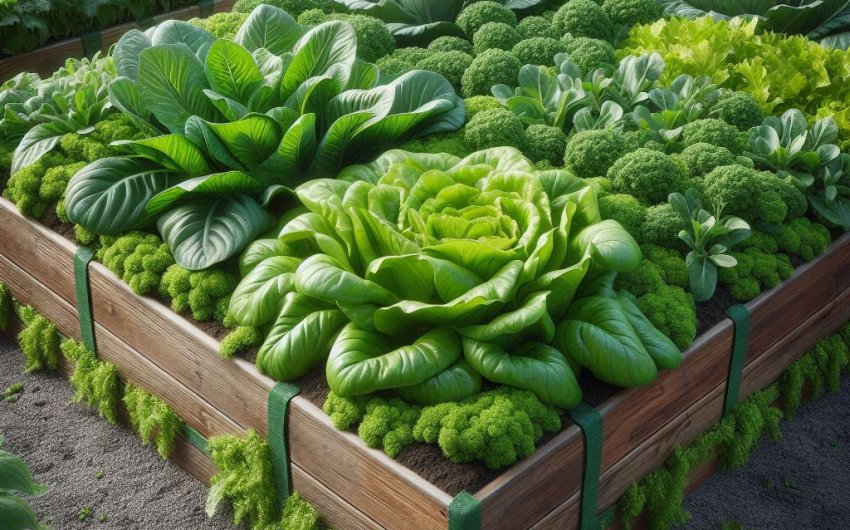
For many aspiring and experienced gardeners alike, the appeal of fresh, homegrown vegetables is undeniable. However, challenging soil conditions, limited space, or physical limitations can sometimes make traditional in-ground gardening difficult. This is where raised bed vegetable gardening shines, offering a flexible, efficient, and highly rewarding solution. Understanding what are the benefits of raised bed vegetable gardening can transform your approach to cultivating edibles, providing numerous advantages that lead to healthier plants, higher yields, and a more enjoyable gardening experience. Let's delve into why raised beds are a fantastic choice for nearly any gardener.
What is Raised Bed Vegetable Gardening?
Raised bed vegetable gardening involves creating an enclosed planting area that sits above the surrounding ground level. These beds are typically framed with materials like wood, stone, metal, or composite, and then filled with a custom-blended soil mix. This gardening method offers a distinct set of advantages over traditional in-ground planting.
Why Are Raised Beds Gaining Popularity?
- Customizable Environment: You control the soil composition, drainage, and even temperature to a greater degree than in-ground gardens.
- Space Efficient: Ideal for small yards, urban settings, or even patios, allowing intensive planting.
- Aesthetics: Raised beds create a neat, organized, and attractive appearance in any garden space.
- Accessibility: Their elevated height can make gardening more comfortable for individuals with mobility challenges.
How Do Raised Beds Improve Soil Quality and Management?
One of the most significant benefits of raised bed vegetable gardening is the unparalleled control you gain over your soil. This leads to vastly improved growing conditions compared to amending native soil.
Why is Soil Control So Advantageous in Raised Beds?
- Ideal Soil Environment:
- Custom Blending: You fill raised beds with a custom-blended soil mix that is specifically tailored for vegetables. This typically consists of good quality topsoil, compost, and other organic amendments, ensuring a rich, loose, and fertile medium right from the start. You can purchase organic raised bed soil mix.
- No Native Soil Issues: You bypass problems with existing native soil, such as heavy clay, sandy soil, rocky terrain, or contaminated soil, making gardening possible where it otherwise wouldn't be.
- Superior Drainage:
- Elevated Position: Being above ground level, raised beds naturally drain much better than in-ground gardens, preventing waterlogging and root rot, which are common issues in heavy soils or during excessive rain.
- Aeration: The loose soil mix within the bed remains well-aerated, providing essential oxygen to plant roots, which is crucial for healthy growth.
- Reduced Soil Compaction:
- No Foot Traffic: In a raised bed, you work around the bed, not on the soil within it. This eliminates foot traffic directly on the growing medium, preventing compaction.
- Benefits: Uncompacted soil allows roots to penetrate easily, water to infiltrate efficiently, and essential soil microbes to thrive.
- Faster Soil Warming in Spring:
- Early Planting: Raised beds warm up faster in spring compared to surrounding ground level, especially if they are constructed from dark-colored materials or placed in sunny spots.
- Extended Season: This allows for earlier planting in spring and can extend the growing season into the fall, as the elevated soil also stays warmer longer.
- Easier Soil Amendments:
- It's much simpler to add compost and other organic matter to a contained raised bed, ensuring consistent fertility year after year without extensive digging or tilling.
The ability to create and maintain an optimal soil environment is a cornerstone benefit, making raised bed vegetable gardening a highly productive choice.
How Do Raised Beds Impact Garden Maintenance and Accessibility?
Beyond superior soil, raised bed vegetable gardening significantly reduces the physical demands of gardening and simplifies many common maintenance tasks, making it more enjoyable and accessible for a wider range of gardeners.
What are the Maintenance Advantages of Raised Beds?
- Reduced Weeding:
- No New Weed Seeds: When you fill a raised bed with fresh, weed-free soil mix or compost, you minimize the introduction of new weed seeds.
- Easier Removal: Any weed seeds that do find their way into the bed (e.g., from wind, birds) are typically easier to spot and pull from the loose, well-draining soil. The defined edges also make it harder for perennial weeds from surrounding areas to creep in.
- Less Bending and Kneeling:
- Ergonomics: The elevated height of raised beds means less bending over for planting, weeding, and harvesting. This is a huge benefit for gardeners with back pain, knee problems, or other mobility limitations.
- Optimal Heights: Raised beds can be constructed at various heights, from low borders (6-8 inches) to waist-high beds, tailored to individual comfort.
- Better Pest Management:
- Physical Barrier: The sides of raised beds can deter some ground-crawling pests (like slugs and snails) from easily accessing your plants.
- Easier Monitoring: Plants are at a more convenient height for regular inspection, making early detection and treatment of pests simpler.
- Support for Netting/Covers: The frame of a raised bed provides an easy anchor for attaching protective netting, row covers, or hoops to deter flying insects, birds, or even deer. A garden hoop kit for raised beds is perfect for this.
- Tidier Appearance:
- Defined Edges: The clear, defined borders of raised beds give the garden a neat, organized, and intentional look, enhancing overall curb appeal.
- Containment: They prevent sprawling plants from encroaching on paths or other areas, maintaining order.
- Efficient Watering:
- Targeted Application: Water is applied directly to the bed, reducing runoff and ensuring it reaches the root zone more effectively.
- Less Waste: The contained nature of the bed means less water is wasted on surrounding areas. Drip irrigation systems are very efficient in raised beds. A raised bed drip irrigation kit saves water.
The ease of maintenance and improved accessibility make raised bed vegetable gardening a more enjoyable and sustainable practice for all gardeners.
How Do Raised Beds Lead to Higher Yields?
One of the most exciting benefits of raised bed vegetable gardening is its potential for increased productivity. By optimizing growing conditions and facilitating intensive planting, raised beds can help you harvest more food from a smaller space.
Why Do Raised Beds Produce More Vegetables?
- Optimal Soil Conditions:
- Loose, Rich Soil: The custom-blended, uncompacted soil in a raised bed is perfect for root development. Healthy, extensive roots lead to more vigorous plants and better nutrient uptake.
- Consistent Nutrients: It's easier to maintain high levels of organic matter and essential nutrients in a contained raised bed through regular topdressing with compost.
- Improved Drainage:
- No Waterlogging: As mentioned, excellent drainage prevents waterlogged conditions that can stunt growth and cause root rot, especially for vegetables sensitive to "wet feet."
- Faster Warming/Longer Season:
- Earlier Starts: The soil warms faster in spring, allowing you to plant earlier.
- Later Harvests: The elevated soil also stays warmer longer into the fall, extending your harvest season. A longer growing season directly translates to more yield.
- Intensive Planting (Square Foot Gardening):
- No Path Space: In traditional row gardening, a significant portion of your garden is dedicated to paths. In a raised bed, paths are around the bed. You plant much more closely within the bed itself, allowing every square foot to be productive.
- Example: In a 4x4 foot raised bed, you might plant 16 individual squares, each with a different plant or a specific number of plants (e.g., 1 tomato plant, 4 lettuce heads, 9 spinach plants, 16 carrots).
- Companion Planting: Easier to implement companion planting strategies in compact raised beds, where plants can mutually benefit each other.
- Better Water and Nutrient Uptake:
- Since water and nutrients are contained within the bed and the soil is optimized, plants efficiently access what they need, leading to healthier growth and higher yields.
By creating these ideal growing conditions, raised bed vegetable gardening empowers your plants to reach their full potential, resulting in an abundant harvest from a surprisingly small footprint.
What Are the Environmental Benefits of Raised Beds?
Beyond the personal advantages for gardeners, raised bed vegetable gardening also offers several environmental benefits, contributing to more sustainable and eco-conscious food production.
How Do Raised Beds Promote Environmental Health?
- Water Conservation:
- Reduced Evaporation: The contained nature of a raised bed, combined with good soil health, minimizes water loss from runoff and evaporation compared to traditional in-ground gardens.
- Targeted Watering: It's easier to implement efficient watering methods like drip irrigation or soaker hoses, delivering water directly to the plant roots with minimal waste. A drip irrigation kit for raised beds can save a lot of water.
- Reduced Soil Erosion:
- Containment: The framed sides of a raised bed prevent precious topsoil and organic matter from being washed away during heavy rains or strong winds, preserving soil structure and fertility.
- Less Chemical Use:
- Weed Suppression: The reduced weed pressure in raised beds means less (or no) need for chemical herbicides.
- Pest Management: Easier monitoring and organic pest control methods are often sufficient, reducing the reliance on synthetic pesticides.
- Targeted Fertilization: Soil tests and contained beds allow for more precise fertilization, minimizing nutrient runoff into waterways.
- Optimal Use of Urban Spaces:
- Reduces Impermeable Surfaces: Allows productive food growing in urban areas that might otherwise be paved or have poor soil, contributing to urban greening and reducing heat island effect.
- Biodiversity Support:
- Healthy Soil: The creation of healthy, undisturbed soil in a raised bed supports a thriving community of beneficial microorganisms, fungi, and earthworms, which are vital for a balanced ecosystem.
- Pollinator Attraction: Companion planting and growing a diversity of flowers within or around raised beds can attract pollinators, benefiting both your vegetables and local ecosystems.
- Sustainable Materials (if chosen wisely):
- Using sustainably sourced wood (like cedar), recycled plastic lumber, or upcycled materials for raised bed construction adds to the environmental benefits.
By opting for raised bed vegetable gardening, you're not just growing food; you're actively contributing to a more efficient, less impactful, and environmentally friendly way of cultivating, making it a truly beneficial choice for your garden and the planet.
What are the Best Materials for Raised Beds?
Choosing the right material for your raised bed frames is an important decision, impacting the bed's durability, appearance, safety, and cost. When considering what are the benefits of raised bed vegetable gardening, the material choice directly influences long-term success.
Common Materials for Raised Bed Frames:
- Wood:
- Pros: Natural aesthetic, readily available, relatively easy to work with, can be very affordable depending on the type.
- Cons: Durability varies widely depending on the wood. Prone to rot over time (especially untreated softwood in contact with soil).
- Types:
- Cedar: Naturally rot-resistant due to oils. Very durable (10-20+ years). More expensive but worth it. A cedar raised garden bed kit is a popular choice.
- Redwood: Similar rot resistance to cedar, but often more expensive and regionally specific.
- Douglas Fir/Pine (untreated): Less expensive, but will rot relatively quickly (3-7 years) if untreated. Best if lined or replaced frequently.
- Avoid Pressure-Treated Wood: Older pressure-treated wood contained chromated copper arsenate (CCA), which can leach arsenic. Newer ACQ (Alkaline Copper Quaternary) treated wood is considered safer for gardens, but some organic gardeners still prefer untreated options or a food-safe plastic liner between the wood and soil.
- Best For: Natural garden aesthetics, DIY projects.
- Metal (Galvanized Steel, Corrugated Metal):
- Pros: Very durable, long-lasting (20+ years), rust-resistant (especially galvanized), sleek modern look, can warm soil faster.
- Cons: Can be expensive. Can get hot in direct sun, potentially overheating soil (mitigate with mulching). Can have sharp edges (look for rolled edges).
- Best For: Modern designs, high durability, areas with gophers (metal sides extend below ground). A galvanized steel raised garden bed is a robust option.
- Stone/Concrete Blocks/Brick:
- Pros: Extremely durable, permanent, highly aesthetic, excellent thermal mass (retains heat for longer season), no rot concerns.
- Cons: Very heavy, labor-intensive to build, most expensive option. Difficult to move or modify once built.
- Best For: Permanent garden features, formal gardens, high thermal mass needs.
- Recycled Plastic Lumber (Composite):
- Pros: Extremely durable, impervious to rot, insects, and splintering (20+ years). Often made from recycled materials, low maintenance.
- Cons: Can be expensive. Can expand/contract with temperature changes. Can have a less natural appearance than wood.
- Best For: Low-maintenance gardens, environmentally conscious choices, areas prone to high moisture.
- Gabion Baskets:
- Pros: A gabion basket is a wire mesh container filled with rocks or other materials. Unique, rustic, very durable, excellent drainage.
- Cons: Labor-intensive to fill. Can be bulky.
- Best For: Large, permanent, decorative raised beds.
Important Considerations for Material Choice:
- Longevity vs. Cost: How long do you want the bed to last, and what's your budget?
- Aesthetics: Does the material complement your garden style?
- Safety: Are there any concerns about leaching chemicals (e.g., older treated wood)?
- Heat Absorption: Darker materials (dark metal, dark stone) absorb more heat. Mulching is crucial in these beds to keep roots cool.
- DIY vs. Kit: Are you building from scratch or buying a pre-made raised garden bed kit?
By carefully selecting the right material, you ensure your raised bed is not only functional but also a durable and attractive addition to your garden.
How Do You Fill and Maintain a Raised Bed?
Once you've chosen and assembled your raised bed, filling it correctly and establishing a consistent maintenance routine are key to maximizing the benefits of raised bed vegetable gardening and ensuring a productive harvest year after year.
How to Fill a Raised Bed for Optimal Growth:
The quality of what goes into your raised bed is paramount.
- Drainage Layer (Optional, and Debated):
- Historically: Many used gravel or rock at the bottom.
- Modern View: Often unnecessary and can even create a "perched water table" that impedes drainage. For most beds, a weed barrier at the bottom and proper soil mix are enough.
- When to Use: If your native soil underneath is extremely poor-draining clay, a thin layer of coarse gravel might be beneficial, but focus on the soil mix above.
- Weed Barrier:
- Purpose: Lay down a layer of cardboard (remove tape/labels) or landscape fabric at the bottom. This prevents weeds from growing up from the native soil into your raised bed.
- Benefits: Biodegradable cardboard is great as it eventually breaks down, adding organic matter.
- The "Lasagna Garden" Method (Optional):
- Concept: Layering various organic materials (browns like leaves, straw, wood chips; greens like grass clippings, food scraps) to fill the bed, which then slowly decompose to create rich soil.
- Pros: Cost-effective, builds highly fertile soil over time.
- Cons: Takes time to decompose (best started in fall for spring planting), can initially cause nitrogen tie-up if too much fresh "brown" material is used.
- Filling with Quality Soil Mix:
- Ideal Mix: Fill your raised bed with a blended mix. A common ratio is 60% topsoil, 30% compost, and 10% perlite/vermiculite or sand.
- Top with Compost: Always ensure the top 6-12 inches are rich in compost for immediate planting needs.
- Don't Compact: Fill loosely. Avoid packing the soil down hard. Water gently after filling to allow natural settling.
What is the Ongoing Maintenance for Raised Beds?
- Replenish Organic Matter Annually:
- Topdressing: Each spring, add 1-2 inches of fresh compost to the top of your raised bed. This replaces nutrients used by plants and maintains soil structure.
- Compost Tea: Supplement with compost tea or other organic liquid fertilizers during the growing season.
- Watering:
- Consistency: While raised beds drain well, they also dry out faster than in-ground gardens. Monitor soil moisture daily, especially during hot, sunny, or windy weather.
- Deep Watering: Water deeply and thoroughly when needed, until water drains from the bottom.
- Drip Irrigation: Consider installing a raised bed drip irrigation kit for efficiency and water conservation.
- Weed Control:
- While reduced, weeds will still appear. Pull them promptly when small from the loose soil.
- Mulching: Apply a layer of straw, shredded leaves, or wood chips around plants to further suppress weeds, retain moisture, and regulate soil temperature.
- Crop Rotation: Even in a small raised bed, practice crop rotation (don't plant the same vegetable family in the same spot year after year) to prevent nutrient depletion and disease buildup.
- Pest and Disease Monitoring:
- Regularly inspect your plants for signs of pests or diseases. Address issues quickly using organic methods where possible.
- The accessibility of raised beds makes this easier.
By diligently following these filling and maintenance practices, you unlock the full potential of raised bed vegetable gardening, ensuring a continuous cycle of healthy plants and abundant harvests.
What Are Common Challenges of Raised Beds and How to Solve Them?
While the benefits of raised bed vegetable gardening are numerous, like any gardening method, it comes with its own set of challenges. Knowing how to anticipate and address these can ensure a smoother and more successful experience.
How to Address Common Raised Bed Issues:
- Initial Cost of Setup:
- Challenge: Building and filling raised beds can be a significant upfront investment in materials (lumber, metal, soil) compared to traditional gardening.
- Solution:
- Start Small: Begin with just one or two beds and expand over time.
- DIY Construction: Build beds yourself using readily available materials like untreated pine (knowing it will need replacement) or reclaimed materials (e.g., salvaged lumber, cinder blocks).
- "Lasagna Gardening": Fill beds with free organic materials like leaves, wood chips, and grass clippings to reduce soil costs.
- Buy Kits: Raised bed kits can offer a streamlined, though sometimes more expensive, approach.
- Soil Drying Out Faster:
- Challenge: Raised beds, especially shallow ones or those made of porous materials like unglazed terra cotta, tend to dry out more quickly than in-ground gardens.
- Solution:
- Mulch: Apply a 2-4 inch layer of organic mulch (straw, shredded leaves, wood chips) over the soil surface. This significantly reduces evaporation.
- Deep Watering: When you water, water thoroughly until it drains out the bottom.
- Larger Beds: Choose deeper raised beds (at least 10-12 inches deep) as they hold more soil and retain moisture longer.
- Self-Watering Beds: Consider self-watering raised bed designs that have a built-in water reservoir.
- Drip Irrigation: Install a drip irrigation system for efficient, consistent watering.
- Soil Compaction (Over Time):
- Challenge: While raised beds start with loose soil, over time, the top layers can compact slightly due to watering, especially if not amended regularly.
- Solution:
- Annual Topdressing: Add 1-2 inches of fresh compost to the top of your raised bed each spring. This replenishes organic matter and helps maintain soil structure.
- Avoid Walking on Soil: Continue to work around the bed, not on the soil.
- Nutrient Depletion:
- Challenge: Intensive planting in raised beds means plants are using up nutrients quickly. Also, nutrients can leach out with consistent watering.
- Solution:
- Annual Compost: Regular topdressing with compost is crucial.
- Balanced Fertilization: Supplement with organic granular fertilizer or liquid feeds during the growing season, based on plant needs.
- Crop Rotation: Helps manage nutrient needs and disease buildup.
- Weed Prevention (Not Elimination):
- Challenge: While greatly reduced, weeds can still sprout from wind-blown seeds or existing roots.
- Solution: Use a weed barrier at the bottom. Apply a thick layer of mulch. Pull weeds promptly when they are small.
- Pest and Disease Management:
- Challenge: Raised beds are not immune to pests or diseases.
- Solution: Maintain good air circulation. Practice crop rotation. Inspect plants regularly and use organic pest control methods promptly. Use floating row covers as physical barriers for flying insects.
By being aware of these potential challenges and implementing these proactive solutions, you can fully harness the immense benefits of raised bed vegetable gardening and enjoy a productive, manageable, and highly rewarding growing experience for years to come.