
What is Raised Bed Gardening?
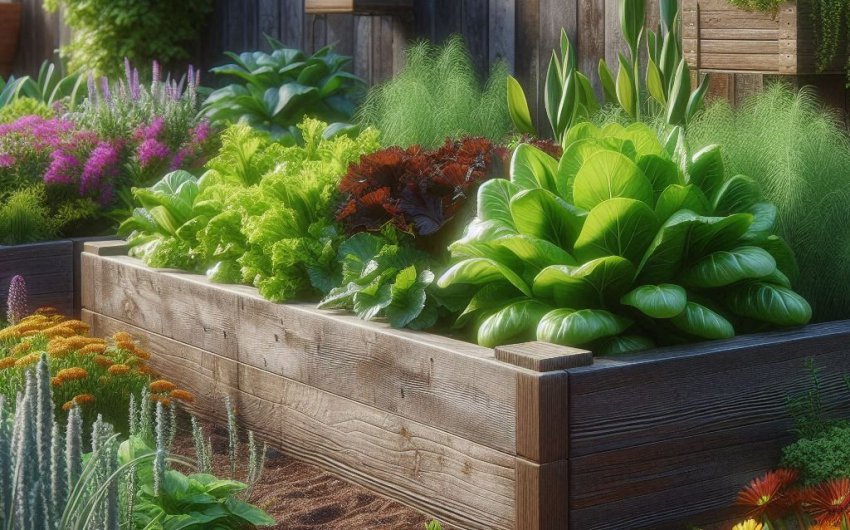
If you're looking for an efficient, productive, and often easier way to grow vegetables, herbs, or flowers, you've likely encountered the term "raised bed gardening." So, what is raised bed gardening? In its simplest form, it involves cultivating plants in an elevated enclosure, typically a bottomless box, filled with specially prepared soil. This method offers numerous advantages over traditional in-ground gardening, making it a popular choice for both beginners and experienced growers aiming for healthier plants and higher yields.
What Exactly is a Raised Bed?
A raised garden bed is essentially a frame, usually made of wood, metal, stone, or composite materials, that sits on top of the existing ground and is filled with soil. The key characteristic is that the garden area is elevated above the surrounding landscape.
- Structure: It's a contained structure, typically 6-12 inches (15-30 cm) deep, but can be much taller for accessibility. It defines the growing space.
- Bottomless: Most raised beds are bottomless, allowing plant roots to extend into the native soil below. This provides better drainage and allows beneficial microbes and earthworms to move freely. Some raised beds have solid bottoms, acting more like very large containers, which is useful on paved surfaces.
- Fill Material: The bed is filled with a high-quality soil mix, distinct from the native soil. This allows gardeners to create ideal growing conditions regardless of their existing soil type.
Why Should I Choose Raised Bed Gardening? What are the Benefits?
Raised bed gardening has exploded in popularity for good reason. It offers a multitude of advantages that can simplify gardening and boost productivity.
- Improved Soil Quality: This is arguably the biggest benefit.
- You fill your raised bed with a custom mix of high-quality soil, compost, and other amendments. This means you don't have to deal with poor native soil (e.g., heavy clay, sandy, rocky, or contaminated soil).
- The controlled environment prevents soil compaction, keeping it loose and well-aerated for optimal root growth.
- Better Drainage: The elevated structure naturally promotes excellent drainage. This is crucial for plants, as roots can suffocate in waterlogged soil. It prevents root rot and allows plants to thrive.
- Extended Growing Season:
- Raised beds warm up faster in spring because they are elevated and have more exposed surface area to the sun. This allows for earlier planting.
- They also drain faster, meaning you can work the soil sooner after rain.
- In fall, they retain warmth longer, extending the harvest season.
- Weed Control:
- With new, high-quality soil, you start largely weed-free.
- Weeds from surrounding areas are less likely to creep in.
- Any weeds that do appear are usually easier to spot and pull because the soil is loose and you're not walking on it.
- Pest Control:
- The elevated height can deter some ground-crawling pests (like slugs and snails) to a degree.
- It's easier to install physical barriers (like copper tape for slugs or netting for birds/insects) around a defined bed.
- Accessibility and Comfort:
- Taller raised beds (18 inches or more) reduce the need for bending, kneeling, or stooping. This makes gardening much more comfortable, especially for individuals with back problems, mobility issues, or for elderly gardeners.
- They are also excellent for teaching children about gardening, as they are at an easier height to manage.
- Neater Appearance: Raised beds create a defined, orderly look in the garden. They can turn a chaotic plot into a tidy, attractive feature.
- Space Efficiency: By creating rich, uncompacted soil, you can often plant more intensively (closer together) than in traditional rows, maximizing yield in a smaller footprint.
- Less Soil Compaction: Because you walk around the beds and not on the soil within them, the soil stays light and fluffy, perfect for root development.
What Are the Different Types of Raised Garden Beds?
Raised beds come in various materials and designs, each with its own advantages and considerations.
Material Types:
- Wood:
- Pros: Classic, natural look; easy to work with; readily available.
- Cons: Can rot over time. Avoid chemically treated wood (like railroad ties, older pressure-treated lumber) which can leach harmful substances into the soil. Cedar, redwood, and juniper are naturally rot-resistant and safer. Untreated pine is more economical but has a shorter lifespan.
- Lifespan: Varies significantly by wood type, from 5-7 years for untreated pine to 15-20+ years for cedar/redwood.
- Metal:
- Pros: Very durable; long lifespan (20+ years); sleek, modern look; available in various colors (e.g., galvanized steel, corrugated metal).
- Cons: Can be expensive upfront; can absorb heat (especially darker colors), potentially warming soil more than desired in hot climates.
- Consideration: Ensure food-grade coatings if choosing painted options. Galvanized steel raised garden beds are popular.
- Stone / Brick / Concrete Blocks:
- Pros: Extremely durable; aesthetically pleasing; can be very decorative; provides excellent insulation for soil.
- Cons: High upfront cost and labor-intensive to install; not easily moved once built.
- Consideration: Mortar may be needed for stability; ensure materials are safe for edibles.
- Recycled Plastic / Composite Materials:
- Pros: Very durable; rot-proof; often made from recycled materials; low maintenance.
- Cons: Can be expensive; aesthetics might not appeal to everyone.
- Lifespan: Very long, often 20+ years.
- Fabric Grow Bags:
- Pros: Extremely affordable; lightweight; portable; excellent aeration and drainage (prevents root circling).
- Cons: Less aesthetically permanent; can dry out faster; not suitable for very tall plants needing deep root anchorage.
- Types: Many sizes available, like gallon fabric grow bags.
Design Variations:
- Traditional Rectangle/Square: Most common and efficient use of space.
- Circular/Hexagonal: Can add aesthetic interest but might be less efficient for row planting.
- Tiered/Stepped Beds: Multiple levels, good for aesthetics and specific plant needs (e.g., taller plants in lower tiers).
- U-Shaped or L-Shaped Beds: Great for larger spaces, allowing access to the center without stepping on the soil.
- Keyhole Gardens: A specific type of raised bed, often circular, with a central compost column for continuous nutrient supply.
- Elevated Raised Beds / Planter Boxes: These have a solid bottom and legs, lifting the entire bed off the ground, often to waist height. They act like very large containers.
- Pros: Ultimate accessibility, good for small patios or balconies.
- Cons: Smaller soil volume, can dry out faster, often more expensive. You can find many elevated garden beds online.
How Do I Choose the Right Location for My Raised Bed?
Even the best raised bed needs the right spot to thrive. Location is crucial for plant health and garden success.
- Sunlight: Most vegetables, herbs, and flowering annuals need at least 6-8 hours of direct sunlight per day.
- Observe your chosen spot throughout the day. Is it shaded by buildings, trees, or fences?
- If you're growing shade-tolerant crops (like leafy greens in hot climates), you might get away with 4-6 hours.
- Level Ground: While not strictly necessary, building on level ground makes construction much easier and ensures even water distribution. If the ground isn't level, you'll need to dig or build up one side of the bed.
- Proximity to Water Source: Hauling water can be tiresome. Locate your raised bed close to a water spigot or a rain barrel for easy irrigation.
- Accessibility:
- Ensure you can easily access all sides of the bed without stepping into it. A general rule is to make beds no wider than 3-4 feet (90-120 cm) if you can only access from one side, or 6-8 feet (180-240 cm) if you can access from both sides.
- Consider paths between beds if you plan multiple.
- Drainage: Even though raised beds improve drainage, avoid placing them in naturally soggy areas if possible.
- Protection:
- Wind: Consider wind exposure. Strong winds can dehydrate plants and damage delicate stems.
- Wildlife: If deer or rabbits are an issue, factor in space for fencing or netting around the bed.
- Aesthetics: How will the raised bed look in your landscape? Does it fit the overall design?
How Do I Prepare the Site and Build My Raised Bed?
Once you've chosen your location and material, the actual building process is straightforward.
Site Preparation:
- Clear the Area: Remove any existing weeds, grass, or debris from the footprint of your intended raised bed.
- Level the Ground: Use a spirit level and shovel to ensure the ground is as level as possible. This makes building easier and prevents bowing or uneven settling.
- Weed Barrier (Optional but Recommended): Lay down a layer of cardboard or several layers of newspaper at the bottom of the cleared area. This suppresses existing weeds and grass. It will eventually break down and enrich the soil. Avoid plastic sheeting, as it prevents drainage.
Building the Frame (General Steps for Wood):
- Cut Lumber: Cut your chosen lumber to the desired lengths for the sides and ends of your bed.
- Assemble Corners: Join the boards at the corners.
- Simple Method: Use heavy-duty screws (e.g., deck screws) to attach boards directly into each other.
- More Durable: Use corner brackets or metal rebar stakes driven into the ground inside the corners for added stability.
- Stack Layers: If building a taller bed (more than one board high), stack additional layers of lumber, offsetting seams if possible for strength, and securing them with screws.
- Check for Squareness: Use a framing square to ensure corners are at perfect 90-degree angles.
(Steps will vary slightly for metal kits, stone, or concrete blocks, but assembly instructions are typically provided with kits or materials.)
What is the Best Soil Mix for Raised Beds?
The soil you put into your raised bed is critical. It's the primary advantage of raised beds, so invest in a high-quality mix.
Ideal Soil Mix Composition:
A good general mix aims for a balance of drainage, water retention, and nutrient content. A common recipe is:
- 50-60% High-Quality Topsoil or Loam: This provides the bulk and mineral content. Ensure it's screened topsoil, free of rocks and debris.
- 30-40% Compost: Essential for nutrients, improving soil structure, and supporting beneficial microbial life. Use well-rotted compost, mushroom compost, or worm castings.
- 10-20% Coarse Organic Matter / Aeration Amendment:
- Coarse Perlite or Vermiculite: Improves drainage and aeration, and vermiculite also helps with water retention.
- Coco Coir (Coconut Fiber): A sustainable alternative to peat moss, excellent for water retention and aeration. Coco coir bricks are compact and expand with water.
- Composted Pine Bark Fines: Good for aeration and acidity.
Filling Your Raised Bed: The "Lasagna Method" (Optional)
For deeper beds, you don't necessarily need to fill the entire thing with expensive bagged soil. The "lasagna method" is a great way to use organic matter to fill space and enrich the soil over time.
- Bottom Layer (optional, for very deep beds): Coarse woody material like logs, branches, or wood chips. These break down slowly, improve drainage, and eventually add nutrients. Avoid fresh wood.
- Green Layer: Fresh "green" materials like grass clippings (thin layer), kitchen scraps (bury deep to deter pests), coffee grounds, or leafy greens.
- Brown Layer: "Brown" materials like fallen leaves, straw, shredded newspaper/cardboard, or dead plant matter.
- Repeat Layers: Continue alternating green and brown layers, moistening each layer as you go, until the bed is mostly full.
- Top Layer: Finish with at least 6-12 inches (15-30 cm) of your ideal raised bed soil mix, as described above. This is where your plants will immediately establish.
This method will settle over time, so you might need to top up with more soil and compost annually.
What are the Best Plants for Raised Beds?
Almost any plant can grow in a raised bed, but some truly thrive or are particularly well-suited for this method.
Vegetables:
- Leafy Greens: Lettuce, spinach, kale, Swiss chard. They love the consistent moisture and loose soil.
- Root Vegetables: Carrots, radishes, beets. They grow exceptionally well in the deep, uncompacted soil, leading to straight, well-formed roots.
- Bush Beans and Peas: Bush varieties don't sprawl as much as pole varieties, making them ideal for intensive planting.
- Herbs: Basil, cilantro, parsley, mint (contain mint in a pot within the bed to prevent spreading!), rosemary, thyme, oregano. All thrive in well-drained soil.
- Tomatoes (Bush/Determinate Varieties): While indeterminate tomatoes can get very large, bush varieties are more manageable in a raised bed.
- Peppers: Bell peppers, chili peppers. They love consistent warmth and good drainage.
- Eggplant: Similar needs to peppers.
- Squash/Cucumbers (Bush or Vining, trained vertically): Choose bush varieties or use a trellis to train vining types upwards to save space.
- Strawberries: Excellent in raised beds as it keeps the fruit off the ground and helps with pest control.
Flowers:
- Annuals: Marigolds, zinnias, petunias, nasturtiums. They provide continuous color and can attract pollinators.
- Perennials: Depending on depth, many shallow-rooted perennials can thrive.
- Edible Flowers: Pansies, calendula, borage.
General Considerations:
- Intensive Planting: Because soil quality is so good, you can plant closer together than in traditional rows. This is often called square foot gardening.
- Crop Rotation: Even in raised beds, practice crop rotation (don't plant the same crop in the same spot year after year) to prevent nutrient depletion and disease buildup.
How Do I Care for My Raised Bed Garden?
Regular maintenance ensures your raised bed remains productive and your plants stay healthy.
- Watering:
- Raised beds, especially wooden ones, can dry out faster than in-ground gardens because of increased air exposure.
- Check soil moisture daily in hot, dry weather.
- Water deeply when needed, either with a watering wand or a drip irrigation system for consistent, efficient watering.
- Fertilizing:
- Start with nutrient-rich soil. Over time, plants will deplete nutrients.
- Topdress with Compost: Annually, add a 1-2 inch layer of fresh compost to the top of the bed. This is a gentle, slow-release way to replenish nutrients.
- Liquid Fertilizer: Supplement with a balanced liquid fertilizer (e.g., organic vegetable fertilizer) every few weeks during the peak growing season, especially for heavy feeders.
- Weeding:
- The loose soil makes weeding easy. Pull weeds by hand as soon as you see them to prevent competition with your crops.
- Pest and Disease Management:
- Monitor: Regularly inspect your plants for signs of pests or diseases.
- Hand-pick Pests: For larger pests (e.g., tomato hornworms), hand-picking is effective.
- Organic Sprays: Use neem oil spray or insecticidal soap for common pests like aphids or spider mites.
- Companion Planting: Plant herbs and flowers that attract beneficial insects (e.g., marigolds, dill).
- Mulching:
- Apply a 2-4 inch layer of organic mulch (straw, shredded leaves, wood chips, untreated grass clippings) around your plants.
- Benefits: Suppresses weeds, conserves soil moisture, regulates soil temperature, and slowly adds organic matter as it breaks down.
- Succession Planting: For continuous harvests of quick-growing crops (like lettuce, radishes, spinach), plant a small batch every 2-3 weeks.
- Vertical Support: Use trellises, stakes, or cages for vining plants (cucumbers, climbing beans, indeterminate tomatoes) to save space and keep fruit off the ground.
What Are Some Advanced Tips for Raised Bed Gardening?
Once you're comfortable with the basics, you can explore more advanced techniques to maximize your raised bed's potential.
- Self-Watering Raised Beds (Wicking Beds): These beds have a water reservoir at the bottom and use capillary action ("wicking") to draw water up into the soil as needed.
- Benefits: Greatly reduces watering frequency, conserves water, ensures consistent moisture.
- Installation: More complex to build, involves a liner, a drainage pipe, and a wicking medium. Many self-watering raised bed kits are available.
- Cold Frames or Hoophouses:
- Purpose: Extend your growing season even further. A cold frame is a simple transparent lid placed over the bed. A hoophouse uses hoops and plastic sheeting to create a mini-greenhouse.
- Benefits: Protects plants from early frosts in spring and extends harvest into late fall/winter.
- Materials: Can be DIY from wood and polycarbonate panels, or hoop house kits are available.
- Hugelkultur in Raised Beds:
- Concept: Incorporating rotting wood logs and branches into the base of a raised bed (similar to the bottom layer of the lasagna method).
- Benefits: Provides a long-term, slow-release nutrient source, improves drainage, and increases water retention as the wood decomposes.
- Application: Best for deeper raised beds.
- Cover Cropping/Green Manure:
- Concept: During the off-season, plant specific crops (e.g., clover, vetch, oats) that are then tilled or chopped and dropped into the soil before planting your main crops.
- Benefits: Adds organic matter, fixes nitrogen (legumes), suppresses weeds, prevents erosion, and improves soil structure.
- Integrated Pest Management (IPM):
- Beyond Sprays: Focus on attracting beneficial insects (ladybugs, lacewings) by planting pollinator-friendly flowers. Use physical barriers like row covers to exclude pests. Encourage diverse plant life to create a balanced ecosystem.
Raised bed gardening is a versatile and rewarding approach that addresses many common gardening challenges. By understanding what is raised bed gardening and implementing these comprehensive tips for building, filling, and maintaining your elevated garden, you'll create a highly productive and beautiful growing space, ensuring a continuous supply of fresh produce or a vibrant display of flowers right at your fingertips.