
How Do I Start a Raised Bed Garden?
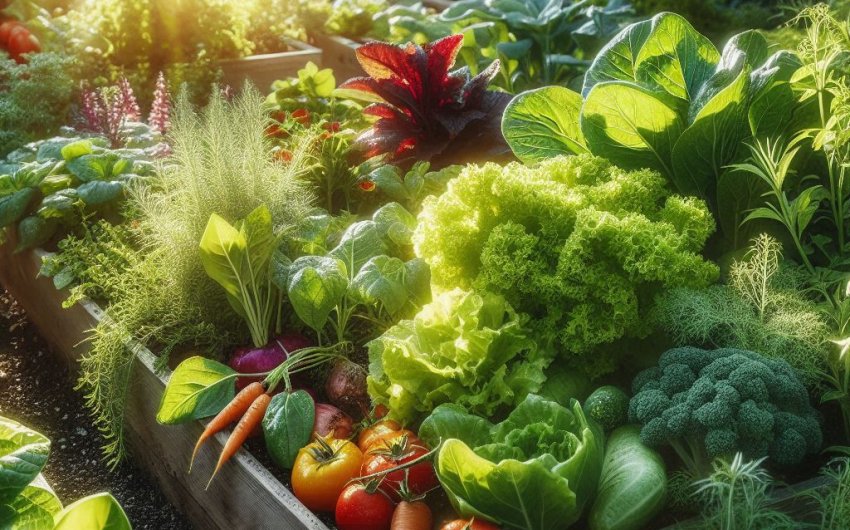
Embarking on a journey to cultivate your own fruits, vegetables, and flowers can be an incredibly rewarding experience, and for many, the ideal starting point is a contained planting area. Discovering how to start a raised bed garden is an excellent way to achieve gardening success, offering superior soil control, better drainage, and easier access compared to traditional in-ground plots. This guide will take you through every essential step, from planning your perfect bed to filling it with the ideal growing medium.
Why Should You Choose a Raised Bed Garden?
Raised bed gardens have gained immense popularity among gardeners of all experience levels, and for good reason. They offer a multitude of advantages over traditional in-ground planting, making gardening more accessible, efficient, and often more productive. Understanding these benefits is the first step in deciding if this gardening method is right for you.
What are the Benefits of Raised Bed Gardening?
The advantages of gardening in elevated structures are numerous, addressing common challenges faced by many gardeners.
- Improved Soil Quality and Control:
- You get to choose and create your ideal soil mix from scratch, rather than trying to amend difficult native soil. This means no more dealing with compacted clay, rocky soil, or sand.
- The controlled environment allows for rich, loose, and well-drained soil, providing optimal conditions for root growth.
- Better Drainage: Raised beds naturally drain better than in-ground gardens, preventing waterlogging and root rot, especially beneficial in areas with heavy clay soil or high rainfall.
- Extended Growing Season: The soil in raised beds warms up faster in spring, allowing for earlier planting. It also stays warmer longer into the fall, extending your harvest season.
- Reduced Weeding: With a contained, weed-free soil mix, weed seeds are far less likely to establish themselves. Any weeds that do appear are typically easier to pull from the loose soil.
- Easier Access and Reduced Strain: The elevated height means less bending over and kneeling, making gardening more comfortable for your back and knees. This is particularly advantageous for seniors or those with mobility issues. A raised bed garden with legs can offer even greater accessibility.
- Intensive Planting: Because you don't walk on the soil within the bed (which compacts it), you can plant vegetables closer together, leading to higher yields in a smaller footprint.
- Pest Control: The raised sides can act as a partial barrier against some crawling pests (like slugs and snails), and you can more easily add protective measures like netting or copper tape.
- Defined Garden Space: Raised beds create clear, neat, and aesthetically pleasing garden areas, making your yard look more organized and tidy.
- Manageable Size: They are often built to a comfortable working width (typically 3-4 feet), allowing you to reach the center from either side without stepping on the soil.
What are the Disadvantages of Raised Bed Gardening?
While the benefits are plentiful, it's also important to consider some potential drawbacks of raised bed gardening.
- Initial Cost: Building and filling raised beds can involve a higher upfront cost compared to simply amending an in-ground plot, as you need to purchase lumber/materials and soil mix.
- Drying Out Faster: Due to increased air circulation around the sides, raised beds tend to dry out more quickly than in-ground gardens, especially in hot climates. This means more frequent watering. Consider a raised bed watering system for efficiency.
- Material Sourcing: Depending on the material chosen, sourcing lumber or other construction materials might require some effort.
- Portability: Once filled, raised beds are generally permanent structures and are not easily moved.
- Soil Replenishment: Over time, the soil in raised beds will settle and nutrients will deplete, requiring yearly replenishment with fresh compost and amendments.
How Do You Plan Your Raised Bed Garden?
Careful planning is the cornerstone of a successful raised bed garden. Before you even think about building, consider key factors like location, size, and the number of beds needed. This foresight will save you time, effort, and potential headaches down the line.
Choosing the Best Location
The right spot for your raised bed is critical for plant health and garden accessibility.
- Sunlight: This is the most crucial factor. Most vegetables and flowering plants need at least 6-8 hours of direct sunlight per day to thrive.
- Observation: Spend a day observing your yard, noting where the sun falls at different times. Mark shaded areas caused by trees, buildings, or fences.
- South-Facing: A south-facing location (in the Northern Hemisphere) typically receives the most consistent sunlight throughout the day.
- Water Access: Your garden will need regular watering, especially in raised beds.
- Proximity to Water Source: Locate your beds close to a garden hose spigot or another reliable water source. Dragging a long hose every day gets old quickly.
- Drainage: While raised beds improve drainage, ensure the ground beneath them is not perpetually waterlogged. Good drainage under the bed is still beneficial.
- Accessibility:
- Ease of Access: Choose a spot that is easy to get to for planting, weeding, watering, and harvesting.
- Avoid Obstacles: Keep beds away from areas with heavy foot traffic, utility lines, or septic systems.
- Wind Protection (Optional): In very windy areas, consider a location that offers some natural windbreak (e.g., a fence or hedge) without sacrificing sunlight.
Determining Size and Number of Beds
The dimensions of your raised beds will impact their functionality and your gardening efforts.
- Width: The most important dimension for accessibility.
- Recommended Width: 3 to 4 feet is ideal. This allows you to reach the center of the bed comfortably from either side without stepping on the soil. Wider beds can lead to compaction and make weeding difficult.
- Length: This is more flexible and depends on your space. Common lengths range from 4 feet to 8 feet or even longer.
- Consider Lumber Sizes: If building with lumber, choosing lengths that align with standard lumber dimensions (e.g., 8-foot boards cut in half for 4-foot sides) can reduce waste.
- Height:
- Minimum: At least 6-8 inches high is sufficient to provide better drainage and soil quality than in-ground.
- Ideal for Veggies: 10-12 inches provides ample depth for most vegetable roots.
- Accessibility/Comfort: 18-24 inches high offers the most ergonomic benefits, reducing bending and kneeling.
- Number of Beds: Start small, perhaps with one or two beds, and expand as you gain experience and confidence. Overestimating your capacity can lead to burnout.
Mapping Out Your Garden Layout
Visualize your garden space and how the beds will fit in.
- Paths: Plan for adequate pathways between beds (at least 2-3 feet wide) for easy movement, wheelbarrow access, and comfortable working.
- Orientation: If planting tall crops (e.g., corn, trellised tomatoes) in multiple beds, orient them so they don't shade out lower-growing plants later in the day. Generally, place taller plants on the north side of the bed.
- Sketch It Out: Draw a simple sketch of your proposed layout, including bed dimensions, pathways, and approximate plant locations. This helps in material estimation and problem-solving.
What Materials Can You Use to Build a Raised Bed?
The material you choose for your raised garden bed frame will impact its durability, aesthetics, and cost. Each option has its unique advantages and considerations.
Wood
Wood is the most popular choice for raised beds due to its natural look and ease of use.
- Cedar:
- Pros: Naturally rot-resistant (due to natural oils), beautiful reddish color, long-lasting (10-15+ years), doesn't require chemical treatment. A cedar raised garden bed kit is a popular choice.
- Cons: More expensive than other woods.
- Redwood:
- Pros: Similar rot-resistance and longevity to cedar, attractive color.
- Cons: Can be even more expensive and harder to find outside of certain regions.
- Cypress:
- Pros: Good rot-resistance, especially "heartwood" cypress, and a more affordable alternative to cedar or redwood.
- Cons: Can be difficult to source in some areas.
- Pine/Fir (Untreated):
- Pros: Very inexpensive and readily available.
- Cons: Least rot-resistant, will likely only last 3-5 years without chemical treatment. Not recommended for long-term beds unless you enjoy replacing them.
- Treated Lumber (ACQ, MCA):
- Pros: Extremely rot-resistant and long-lasting (20+ years), relatively inexpensive.
- Cons: Historically, treated lumber contained arsenic (CCA), which is now banned for residential use. Modern treatments (ACQ, MCA) are considered safer for gardening, but some gardeners still prefer to avoid them for edible crops due to ongoing debate. If using, consider lining the interior with heavy-duty plastic sheeting to create a barrier between the wood and the soil.
Other Materials
Beyond wood, a variety of materials can be used, offering different aesthetics and levels of durability.
- Stone/Concrete Blocks/Bricks:
- Pros: Extremely durable and long-lasting, natural look, excellent thermal mass (can help warm soil). Can be dry-stacked or mortared.
- Cons: Heavy, labor-intensive to build, can be expensive. Mortared beds are permanent. Look for concrete retaining wall blocks.
- Galvanized Metal:
- Pros: Modern, sleek look; very durable and rust-resistant (look for food-grade galvanized steel); doesn't rot or attract pests; often lighter than wood or stone. Popular for a galvanized raised garden bed.
- Cons: Can get very hot in direct sun (potentially cooking roots near edges), initial cost can be higher.
- Recycled Plastic Lumber:
- Pros: Extremely durable, rot-proof, insect-proof, splinter-free, maintenance-free, often made from recycled materials, comes in various colors.
- Cons: Can be more expensive upfront, less rigid than wood (may need more internal bracing for long runs), aesthetics may not appeal to everyone. A recycled plastic raised bed kit offers great longevity.
- Corrugated Metal:
- Pros: Industrial look, often very affordable, durable.
- Cons: Can absorb significant heat, sharp edges can be dangerous, aesthetics might not fit all gardens.
- Woven Fabric/Textile (Grow Bags):
- Pros: Very inexpensive, excellent drainage and aeration (prevents root circling), lightweight and portable (when empty), made from recycled materials. A fabric raised garden bed is easy to set up.
- Cons: Less aesthetic for some, can dry out very quickly, not as long-lasting as rigid materials, susceptible to tearing.
- Logs or Railroad Ties:
- Pros: Natural, rustic look (logs); very durable and substantial (railroad ties).
- Cons: Logs can be uneven and prone to rot. Railroad ties are often treated with creosote (a hazardous chemical) and are NOT recommended for edible gardens.
How Do You Build a Simple Raised Bed Frame?
Once you've chosen your materials, building the frame for your raised garden bed is a straightforward DIY project. We'll focus on a common wood construction for simplicity, but the principles apply to other materials as well.
Basic Tools Needed
Having the right tools ready makes the building process much smoother.
- Tape Measure: For accurate measurements.
- Pencil/Marker: For marking cuts.
- Saw: Circular saw for lumber, or a hacksaw for metal.
- Drill: Cordless drill for pilot holes and driving screws.
- Level: To ensure your bed is level.
- Square: Speed square or framing square for accurate right angles.
- Shovel: For clearing the ground and leveling.
- Gloves and Safety Glasses: Always wear appropriate safety gear.
Step-by-Step Wood Frame Construction
This guide assumes a simple rectangular bed using 2x lumber (e.g., 2x8, 2x10, or 2x12 boards).
- Prepare the Site:
- Clear the Area: Remove any grass, weeds, rocks, or debris from the footprint of your planned raised bed.
- Level the Ground: Use a shovel to level the ground where the bed will sit. This is crucial for a stable, non-wobbly bed. Use your level to check all directions.
- Cut the Lumber:
- Cut two pieces of lumber to your desired length and two pieces to your desired width. For example, for a 4x8 foot bed, you'd cut two 8-foot boards and two 4-foot boards.
- If you're making a taller bed (e.g., 20 inches high using two 2x10 boards), you'll need two sets of these lengths and widths.
- Assemble the First Layer (Box):
- Place the cut boards on the leveled ground, forming a rectangle.
- Overlap the ends so the long boards butt into the ends of the short boards (or vice-versa, just be consistent).
- Secure Corners: At each corner, use a drill to create pilot holes and then drive two or three 3-inch or longer deck screws through the end of one board into the face of the perpendicular board.
- Check Squareness: Use your square to ensure all corners are at 90 degrees. Adjust as needed before tightening screws fully.
- Add Additional Layers (for Taller Beds):
- If building a taller bed, simply stack additional layers of lumber on top of the first assembled box.
- Overlap the corners in the opposite direction for increased stability (e.g., if the first layer had long boards butting into short boards, the second layer should have short boards butting into long boards).
- Secure each new layer to the one below it using longer screws (e.g., 4-inch or 5-inch screws) driven downwards into the lower board, and also secure the corners.
- Add Corner Bracing (Optional but Recommended): For extra stability and longevity, especially with taller or longer beds, you can add vertical bracing in the inside corners.
- Use 2x2 or 2x4 lumber cut to the height of your bed.
- Screw these into the interior corners of the assembled frame.
- Line the Bed (Optional):
- Weed Barrier: You can lay a layer of landscaping fabric or cardboard at the bottom of the bed to suppress existing weeds from growing up into your new soil. Ensure it's permeable to allow drainage.
- Gopher/Vole Mesh: If you have rodent issues, line the entire bottom of the bed with hardware cloth (¼ or ½ inch mesh). Staple it securely to the inside of the frame.
- Wood Liner (for treated lumber): If using treated lumber and want a barrier, line the interior sides with heavy-duty plastic sheeting or a pond liner, stapling it just below the top edge.
How Do You Fill a Raised Bed Garden?
Filling your raised bed garden correctly is just as important as building the frame. The right soil mix provides the perfect foundation for healthy plants. It's about creating a nutrient-rich, well-draining, and aerated environment.
Understanding the "Lasagna" Method (Hugelkultur Inspired)
For deeper beds, filling the entire volume with premium bagged potting soil can be very expensive. The "lasagna" method utilizes layers of organic materials that will decompose over time, creating rich, self-fertilizing soil.
Benefits: Reduces the amount of expensive bagged soil needed, repurposes organic waste, creates excellent drainage and long-term fertility, and promotes beneficial microbial activity.
General Layers (from bottom up):
- Coarse Organic Matter (Base Layer - 6-12 inches):
- Materials: Logs (untreated and decaying), thick branches, wood chips, untreated cardboard (flattened, remove tape), straw, old leaves.
- Purpose: Provides excellent drainage, slowly decomposes to release nutrients, and acts as a carbon sink. This layer settles significantly over time.
- Greener/Nitrogen-Rich Layer (4-6 inches):
- Materials: Grass clippings (thin layers to avoid heating), fresh green leaves, kitchen scraps (buried deeply), animal manure (aged, not fresh), green garden waste.
- Purpose: Provides nitrogen to fuel the decomposition of the carbon-rich layers below.
- Intermediate Layers (Repeat as needed - 2-4 inches each):
- Alternate layers of brown (straw, dried leaves, shredded newspaper/cardboard) and green materials (grass clippings, kitchen scraps), mimicking compost layers.
- Include a few shovelfuls of native garden soil (if available and decent) to introduce beneficial microorganisms.
- Finished Compost (Top 4-6 inches):
- Materials: Rich, well-rotted finished compost.
- Purpose: Provides a concentrated dose of nutrients and organic matter for immediate plant access and encourages a healthy soil food web.
- Premium Potting Mix / Topsoil Blend (Top 6-12 inches):
- Materials: High-quality raised bed soil mix or a blend of organic topsoil, perlite/vermiculite, and more compost.
- Purpose: This is the primary growing medium where your plant roots will establish. It needs to be light, well-draining, and nutrient-rich.
- Coarse Organic Matter (Base Layer - 6-12 inches):
Wetting Each Layer: Thoroughly wet each layer as you add it. This helps with compaction and kick-starts the decomposition process.
Choosing and Blending Your Growing Medium (Top Layers)
Even if you use the lasagna method for the bottom, the top 6-12 inches are crucial for healthy plant growth. If you have a shallower bed, you might fill it entirely with a custom blend.
- Ideal Ratio for Raised Beds: A common and highly effective blend for raised beds is:
- 50-60% High-Quality Topsoil: This provides the bulk and essential mineral components. Ensure it's actual topsoil, not just fill dirt.
- 30-40% Organic Compost: This is the key. Use well-rotted, finished compost (from your own pile or bagged organic compost). It improves soil structure, water retention, drainage, and provides a slow release of nutrients.
- 10-20% Perlite or Vermiculite (Optional but Recommended for improved drainage/aeration): These lightweight, porous materials improve aeration and drainage, especially important if your topsoil is a bit heavy. Large bag of perlite can be found at garden centers.
- Mixing: Thoroughly mix these components together. If you're buying bagged mixes, empty them into a wheelbarrow or on a tarp and blend well with a shovel.
- Fill to Top: Fill your raised bed with your chosen soil mix up to about 1-2 inches from the top edge. This leaves space for watering without overflow.
- Add Amendments (Optional):
- Slow-Release Fertilizer: You can mix in a granular organic slow-release fertilizer designed for vegetables or flowers.
- Worm Castings: A fantastic natural fertilizer and soil conditioner. Add a few shovelfuls of worm castings per bed.
- Mycorrhizal Fungi: These beneficial fungi establish a symbiotic relationship with plant roots, enhancing nutrient uptake. Products containing mycorrhizal fungi inoculant can be mixed in.
- Water In: After filling, water the bed thoroughly to settle the soil and activate beneficial microbes.
Successfully establishing your outdoor growing space begins with thoughtful preparation and informed choices. By carefully considering how to start a raised bed garden, from selecting the ideal location and constructing a sturdy frame to filling it with a nutrient-rich, custom soil blend, you create a perfect environment for healthy plant growth and a rewarding gardening experience for years to come.