
What Materials Are Best for Building a Raised Garden Bed?
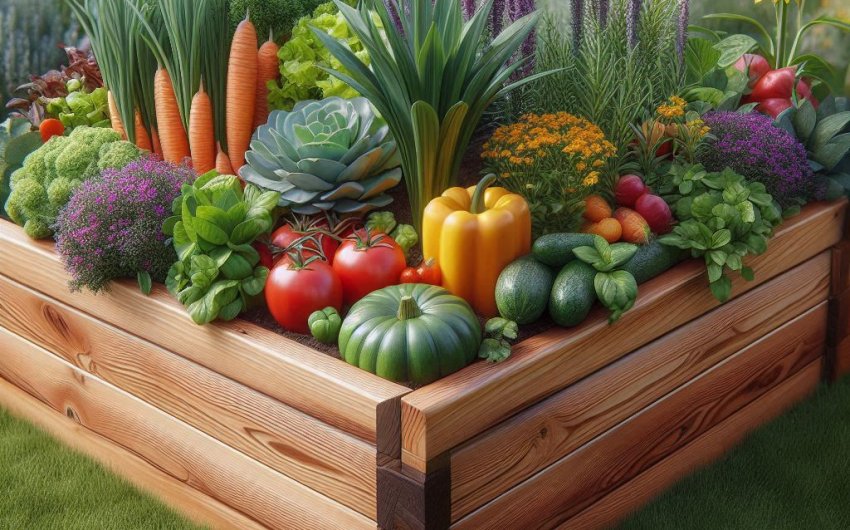
Building a raised garden bed is an excellent way to elevate your gardening game, offering benefits like better drainage, warmer soil, and easier access. However, before you even break ground, one of the most crucial decisions you'll make is selecting the right construction material. The durability, cost, aesthetics, and safety of your garden bed all hinge on this choice. Understanding what materials are best for building a raised garden bed will help you create a long-lasting, productive, and beautiful growing space tailored to your needs and budget.
Why Does Material Choice Matter for a Raised Garden Bed?
The material you choose for your raised garden bed walls isn't just about looks. It impacts several critical aspects of your gardening experience and the longevity of your bed.
- Durability and Lifespan: Some materials, like certain woods, will decompose much faster than others, like metal or stone. You want a material that will last for many years without needing constant repairs or replacement.
- Cost: Materials vary widely in price, from free repurposed items to expensive, long-lasting options. Your budget will play a significant role.
- Safety and Leaching: This is paramount for edible gardens. You need to ensure the material won't leach harmful chemicals into your soil, especially heavy metals or toxic preservatives.
- Aesthetics: The look of your raised bed should complement your garden and home. Some materials offer a rustic charm, while others are sleek and modern.
- Ease of Installation: Some materials are much easier for a DIY gardener to work with than others, requiring fewer specialized tools or skills.
- Insulation and Heat Retention: Different materials conduct and retain heat differently. This can affect soil temperature, which is important for plant growth, especially in colder climates.
By carefully considering these factors, you can make an informed decision about what materials are best for building a raised garden bed for your specific situation.
What Are the Best Wood Options for Raised Garden Beds?
Wood is a classic and popular choice for raised garden beds due to its natural aesthetics, ease of working with, and relatively affordable cost. However, not all wood is created equal when it comes to durability and safety for gardening.
Naturally Rot-Resistant Wood
These woods contain natural compounds that deter rot and insects, making them a safe and durable choice without chemical treatment.
- Cedar (Western Red Cedar, Eastern Red Cedar):
- Pros: Highly rot-resistant (can last 10-20+ years, even untreated), beautiful reddish-brown color, pleasant aroma, lightweight and easy to work with, readily available.
- Cons: More expensive than untreated pine or fir.
- Best For: Gardeners seeking a long-lasting, chemical-free, aesthetically pleasing wooden bed. Cedar Raised Garden Bed Kits are popular options.
- Redwood:
- Pros: Extremely rot-resistant (can last 15-20+ years, even untreated), beautiful color, very durable.
- Cons: Very expensive, less readily available outside of the West Coast.
- Best For: Premium, long-lasting beds where budget isn't a primary concern.
- Black Locust:
- Pros: One of the most naturally durable and rot-resistant woods available, highly sustainable (fast-growing).
- Cons: Can be very hard to find, difficult to work with (very dense and hard), often expensive.
- Best For: Extreme durability and sustainability for the dedicated DIYer who can source it.
Other Wood Types (with Caveats)
- Douglas Fir or Untreated Pine/Spruce:
- Pros: Very affordable, widely available, easy to work with.
- Cons: Low rot resistance (will rot quickly, 3-7 years, especially in contact with moist soil). Will require more frequent replacement.
- Best For: Budget-conscious gardeners looking for a temporary or very short-term solution, or if you don't mind replacing boards every few years.
- Heat-Treated Wood (HT stamped):
- Pros: Free of chemicals (only heated), similar rot resistance to untreated wood.
- Cons: No enhanced rot resistance, still relatively short lifespan.
- Best For: Projects where chemical-free is important but rot resistance is not critical.
Wood to AVOID for Raised Beds (especially for edibles):
- Chemically Treated Lumber (e.g., CCA, ACQ, MCA): Older pressure-treated wood (CCA) contained arsenic and chromium, which are toxic and can leach into soil. While newer treatments (ACQ, MCA) are considered safer by some, there's still debate among organic gardeners. It's generally best to avoid any pressure-treated lumber for beds where you'll be growing food.
- Railroad Ties: Often treated with creosote, a known carcinogen, and can leach into soil. Definitely avoid.
- Pallets (Unless Verified): While tempting as free material, many pallets are treated with chemicals (methyl bromide, indicated by "MB" stamp) or carry unknown contaminants. Only use "HT" (heat-treated) stamped pallets, and even then, be cautious as their history is unknown.
What Are the Best Metal Options for Raised Garden Beds?
Metal raised garden beds have gained significant popularity for their modern aesthetics, exceptional durability, and generally safe properties.
Galvanized Steel (Corrugated Metal)
This is the most common and recommended metal for raised beds.
- Pros:
- Extremely Durable: Rust-resistant due to the zinc coating (galvanization), can last 20+ years.
- Safe: Zinc is a micronutrient for plants and humans in small quantities; the amount leached from galvanized steel is negligible and safe for edible gardens.
- Sleek, Modern Look: Offers a contemporary aesthetic.
- Resistant to Pests/Rot: Impervious to rot, termites, and other pests.
- Temperature Regulation: The metal can heat up during the day, warming the soil, which can be beneficial in cooler climates. However, in very hot climates, consider painting them a lighter color or placing them in partial shade to prevent overheating.
- Ease of Assembly: Many come as pre-fabricated kits that are relatively easy to bolt together. Vego Garden Metal Raised Garden Beds are a very popular brand.
- Cons:
- Cost: More expensive than basic wood options initially, but cheaper than stone or brick over the long term.
- Heat (in very hot climates): Can heat up in direct sun, potentially overheating surface soil or roots.
- Best For: Gardeners seeking a long-lasting, low-maintenance, modern-looking bed for edibles.
Corten Steel (Weathering Steel)
- Pros: Develops a beautiful, stable, rust-like patina over time, which protects the underlying steel. Very durable and long-lasting (many decades). Strong, no-maintenance.
- Cons: Very expensive, heavy and difficult to work with, initial rust runoff can stain surfaces before the patina stabilizes.
- Best For: High-end, permanent garden designs where aesthetics and extreme longevity are paramount, and budget is not a concern.
Metal to AVOID for Raised Beds:
- Scrap Metal (Unknown Origin): Avoid using random scrap metal that might contain lead, cadmium, or other harmful chemicals. Stick to new, galvanized steel or Corten steel designed for outdoor use.
What Are the Best Stone/Masonry Options for Raised Garden Beds?
Stone and masonry materials offer exceptional durability and a classic, natural, or formal aesthetic for your raised garden bed.
Natural Stone (Dry Stack or Mortared)
- Pros:
- Extremely Durable: Can last for centuries, effectively permanent.
- Beautiful and Natural: Blends seamlessly into natural landscapes.
- Excellent Insulation: Stone provides good insulation, helping to keep soil temperatures stable.
- No Leaching: Safe for edibles (ensure stone type is non-toxic).
- Cons:
- Cost: Can be very expensive, especially if buying new stone and hiring a mason.
- Labor Intensive: Very heavy and difficult to work with for DIY projects, often requiring professional installation for mortared beds.
- Requires Skill: Dry-stacking requires careful fitting.
- Best For: Permanent, high-end garden designs where aesthetics and longevity are top priorities, and budget/labor are less of a concern.
Concrete Blocks (CMU Blocks)
- Pros:
- Affordable: Relatively inexpensive, especially reclaimed blocks.
- Durable: Last for a very long time, impervious to rot and pests.
- Easy to Stack (Dry Stack): Can be dry-stacked without mortar for a simple DIY project.
- Insulation: Good thermal mass, retains heat.
- Cons:
- Aesthetics: Can look bulky or utilitarian, less attractive than natural stone or wood.
- Potential Leaching (Debatable): Some concerns about leaching of lime/alkalinity into soil, especially in the first year. This can affect soil pH. Minor leaching of trace elements generally considered safe, but if concerned, line the inside with a breathable landscape fabric.
- Heavy: Difficult to move.
- Best For: Budget-conscious gardeners who prioritize durability and ease of installation over aesthetics.
Brick
- Pros:
- Durable: Lasts for many decades, rot and pest proof.
- Classic Aesthetic: Timeless and attractive look.
- Good Thermal Mass: Retains heat.
- Cons:
- Cost: Can be expensive, especially if new.
- Labor Intensive: Requires masonry skills and mortar for a sturdy, long-lasting bed.
- Heavy: Difficult to transport and work with.
- Best For: Gardeners seeking a permanent, attractive, traditional bed and willing to invest in materials and skilled labor (or possess masonry skills).
Masonry to AVOID for Raised Beds:
- Cinder Blocks (Fly Ash): Older cinder blocks might contain fly ash, which can contain heavy metals. Concrete blocks (CMU) are generally safer than actual cinder blocks.
- Unverified Reclaimed Concrete: Like metal, avoid concrete if its original use or composition is unknown.
What Other Materials Can Be Used for Raised Garden Beds?
Beyond the traditional wood, metal, and masonry, several other materials offer unique advantages for raised garden beds.
Composite Lumber (Recycled Plastic Lumber)
- Pros:
- Extremely Durable: Impervious to rot, insects, and decay, practically lasts forever.
- Low Maintenance: Never needs painting or sealing.
- Safe: Made from recycled plastics, generally considered safe for gardening.
- Lightweight: Easier to work with than heavy masonry.
- Cons:
- Cost: Can be expensive, similar to or more than cedar.
- Expansion/Contraction: Can expand and contract more than wood with temperature changes, potentially affecting structural integrity if not properly installed.
- Looks: Some find the appearance less natural than wood.
- Best For: Gardeners prioritizing extreme durability, low maintenance, and eco-friendliness, willing to invest financially. Raised Garden Bed Kits from Recycled Plastic are available.
Stone/Concrete Pavers
- Pros: Easy to dry-stack, relatively inexpensive (especially irregular flagstones), create an attractive edge.
- Cons: Can be heavy, may not be tall enough for deep beds without multiple layers.
- Best For: Low, wide borders or decorative edgings for shallow raised beds.
Gabion Baskets
- Pros: Unique, industrial aesthetic. Extremely durable. Can be filled with readily available local rock. Good drainage.
- Cons: Can be very labor-intensive to fill. Requires purchasing the wire mesh baskets.
- Best For: Modern, industrial-style gardens where large, distinctive raised beds are desired.
Recycled Materials (with careful consideration)
- Tires:
- Pros: Free, readily available.
- Cons: Significant safety concerns regarding leaching chemicals (heavy metals, petroleum derivatives) into soil, especially with heat. Difficult to clean thoroughly. Not generally recommended for food gardening.
- Best For: Non-edible plantings (flowers, shrubs) if you're comfortable with the aesthetics and potential safety risks.
- Plastic Barrels/Tubs (Food-Grade):
- Pros: Can be repurposed for free or cheap. Excellent for individual plant containers.
- Cons: Must be food-grade to ensure no harmful chemical residue. Can be bulky.
- Best For: Container gardening within a raised bed setup, or standalone mini-beds for single plants. Look for "food-grade" stamps or certifications.
What is the Best Material for My Raised Garden Bed? Making the Decision
Choosing what materials are best for building a raised garden bed ultimately depends on your individual priorities, budget, and desired aesthetics.
| Material Type | Pros | Cons | Avg. Lifespan | Cost (Relative) | Ideal For |
|---|---|---|---|---|---|
| Cedar/Redwood | Rot-resistant, natural look, easy to work with, non-toxic | More expensive than pine/fir | 10-20+ years | $$ - $$$ | Beautiful, safe, durable wooden beds |
| Untreated Pine/Fir | Affordable, easy to find, easy to work with | Rots quickly, short lifespan | 3-7 years | $ | Temporary beds, budget-conscious |
| Galvanized Steel | Extremely durable, rust-resistant, sleek, safe, easy assembly | Initial cost higher, can get hot in direct sun | 20+ years | $$ - $$$ | Modern look, extreme durability, low maintenance |
| Corten Steel | Extremely durable, unique rust patina, permanent | Very expensive, heavy, initial rust runoff stains | 50+ years | $$$$ | High-end, permanent, architectural designs |
| Natural Stone | Extremely durable, beautiful, timeless, excellent insulation | Very expensive, heavy, labor-intensive, requires skill | Centuries | $$$$ | Permanent, luxurious, natural-looking beds |
| Concrete Blocks | Affordable, very durable, easy to dry-stack, good thermal mass | Can look utilitarian, heavy, potential pH leaching (minor) | Decades | $ - $$ | Budget-conscious, durable, functional beds |
| Brick | Durable, classic aesthetic, good thermal mass | Expensive, heavy, labor-intensive (requires masonry skills) | Decades | $$$ | Permanent, traditional, aesthetic beds |
| Composite Lumber | Extremely durable, zero maintenance, impervious to rot/pests, safe | Expensive, can expand/contract, less natural look | 50+ years | $$$ | Long-term, low-maintenance, eco-conscious (recycled) |
Key Decision Factors:
- Budget: How much are you willing to spend?
- Lifespan: Do you want a temporary bed or something that will last a lifetime?
- Aesthetics: What look do you want for your garden?
- DIY Skill Level: How much effort and specialized tools are you willing to put in?
- Safety (for edibles): Is leaching of chemicals a concern for you? (Always opt for natural, untreated, or certified food-safe materials for edibles).
- Climate: Do you need materials that help regulate soil temperature (e.g., thermal mass of stone/concrete for warming in cold climates, or consideration of metal heating up in hot climates)?
By carefully weighing these options against your personal gardening goals and circumstances, you'll confidently select what materials are best for building a raised garden bed that serves your needs for years of successful harvests.