
How Deep Should a Raised Garden Bed Be?
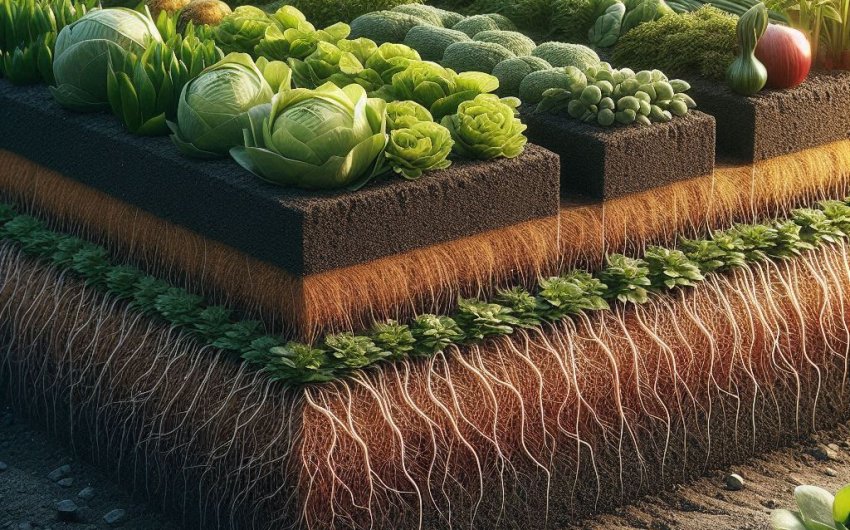
Building a raised garden bed offers numerous benefits, from improved drainage and soil quality to easier access and pest control. However, a common question often arises before construction begins: how deep should a raised garden bed be to truly maximize its potential? The ideal depth isn't a one-size-fits-all answer; it depends on what you plan to grow and your specific gardening goals. Understanding the various factors involved will help you design a raised bed that supports thriving plants and simplifies your gardening experience.
Why does raised garden bed depth matter?
The depth of your raised garden bed directly influences root development, drainage, soil temperature, and even your personal comfort while gardening. Getting the depth right is crucial for plant health and your long-term success.
How does depth affect root growth?
Different plants have different root structures. Shallow-rooted vegetables like lettuce and radishes don't need much depth, but deep-rooted crops such as tomatoes, carrots, or potatoes require substantial space to grow strong, healthy root systems. If a raised garden bed isn't deep enough, these plants will become root-bound, leading to stunted growth, reduced yields, and increased stress.
What role does depth play in drainage?
Raised beds inherently offer better drainage than in-ground gardens because the soil within them is elevated and often less compacted. The depth contributes to this by allowing excess water to drain away freely, preventing soggy soil conditions that can lead to root rot. A deeper bed provides more volume for water to percolate through.
How does depth influence soil temperature?
Deeper raised beds offer better insulation for the soil, helping to regulate temperature fluctuations. This means the soil stays warmer longer in the cooler months, extending the growing season, and it can help keep roots cooler during intense summer heat. Shallower beds will heat up and cool down more quickly.
What are the ergonomic benefits of deeper beds?
One of the most significant advantages of raised garden beds for many gardeners is reduced back strain. Taller beds mean less bending and kneeling. The ideal ergonomic height is often a combination of the bed's depth and any additional foundation it sits on, making gardening more accessible and enjoyable for everyone.
What is the minimum depth for most vegetables?
For a general-purpose raised garden bed suitable for a wide variety of common vegetables, a minimum depth is often recommended to ensure adequate space for most root systems.
What is the recommended minimum depth for vegetables?
A depth of 10 to 12 inches (25 to 30 cm) is generally considered the minimum ideal for growing most common vegetables. This depth allows sufficient room for the roots of many popular crops, including:
- Lettuce
- Spinach
- Radishes
- Bush beans
- Herbs
- Onions
- Most leafy greens
Even for plants that don't have extremely deep roots, this depth provides a good volume of soil for consistent moisture and nutrient availability.
Can I grow vegetables in a 6-inch deep raised bed?
Yes, you can grow some vegetables in a 6-inch deep raised garden bed, but your plant selection will be limited to very shallow-rooted crops.
Suitable crops for 6-inch depth:
- Lettuce varieties
- Spinach
- Radishes
- Most herbs (parsley, cilantro, thyme, chives)
- Microgreens
- Shallow-rooted salad greens
Challenges with 6-inch depth:
- Limited plant choice: You won't be able to grow root vegetables like carrots or potatoes, or large fruiting plants like tomatoes.
- Faster drying out: Shallower beds dry out much more quickly, requiring more frequent watering, especially in hot weather.
- Less nutrient retention: Less soil volume means less capacity to hold nutrients, potentially requiring more frequent fertilization.
While possible for specific crops, a 6-inch bed is generally not versatile enough for a diverse vegetable garden.
What is the ideal depth for a versatile raised garden bed?
For a raised garden bed that can accommodate almost any vegetable you'd want to grow, providing ample space for both shallow and deep-rooted plants, a deeper bed is highly recommended.
What depth offers the most versatility for a raised bed?
A depth of 18 to 24 inches (45 to 60 cm) is often considered the ideal depth for a truly versatile raised garden bed. This depth offers several significant advantages:
- Accommodates deep-rooted crops:
- Carrots (long varieties)
- Potatoes
- Sweet potatoes
- Tomatoes
- Peppers
- Squash
- Corn
- Legumes (peas, pole beans)
- Excellent drainage: The ample soil volume ensures superb drainage, even during heavy rains.
- Improved moisture retention: Deeper beds hold moisture more consistently, reducing the frequency of watering.
- Better temperature regulation: Provides a more stable soil temperature, insulating roots from extreme heat or cold.
- Ergonomic benefits: Reduces bending, making gardening more comfortable, especially for individuals with back issues or limited mobility.
- Reduced weed pressure: The significant depth from the ground often means fewer perennial weeds will push up into your bed.
This range allows you to grow virtually any vegetable, ensuring their root systems have plenty of room to expand and thrive.
What about beds deeper than 24 inches?
While less common for standard vegetable gardening, beds deeper than 24 inches (e.g., 30-36 inches or 75-90 cm) are sometimes used for specific purposes:
- Accessibility: For gardeners who need to work from a wheelchair or prefer to stand upright without bending at all.
- Tree/Shrub planting: If you plan to grow small fruit trees, berry bushes, or other permanent woody plants that require a significant root run.
- Hugelkultur: If you are building a Hugelkultur bed (layers of rotting wood, branches, and organic matter), these can be very deep to allow for decomposition and long-term soil fertility.
However, for typical annual vegetable gardening, exceeding 24 inches in depth primarily adds to the cost of materials and the volume of soil needed without significantly increasing the benefits for most crops.
How does the type of crop influence raised bed depth?
The specific vegetables, herbs, or fruits you intend to grow are the primary determinant of how deep a raised garden bed should be. Understanding their root growth habits is crucial.
What depth do root vegetables need?
Root vegetables are perhaps the most demanding when it comes to depth, as their edible part grows beneath the soil surface.
- Short root vegetables (6-8 inches deep):
- Radishes
- Most loose-leaf lettuces
- Onions (bulbing)
- Spinach
- Medium root vegetables (10-12 inches deep):
- Carrots (short to medium varieties)
- Beets
- Turnips
- Garlic
- Long root vegetables (12-18+ inches deep):
- Longer carrot varieties (e.g., Danvers, Imperator)
- Potatoes
- Sweet potatoes
- Parsnips
- Daikon radishes
For a successful harvest of these, ensure your raised garden bed matches or exceeds their potential root length.
What depth do fruiting vegetables need?
Fruiting vegetables like tomatoes, peppers, and squash develop extensive root systems to support their substantial top growth and fruit production.
- Tomatoes, Peppers, Eggplants: These heavy feeders develop deep and wide-spreading root systems. A minimum of 12-18 inches is recommended, but 18-24 inches is ideal for optimal production.
- Cucumbers, Zucchini, Squash: While these often have sprawling vines, their root systems are also quite extensive. 12-18 inches of depth is suitable.
- Beans and Peas: Many varieties can thrive in 10-12 inches of depth, but pole beans will benefit from deeper soil for anchorage.
How deep for leafy greens and herbs?
Most leafy greens and herbs are relatively shallow-rooted, making them suitable for shallower raised garden beds.
- Leafy Greens (Lettuce, Spinach, Arugula, Kale): These can do well in as little as 6-8 inches of depth. However, a 10-12 inch bed offers more consistent moisture and nutrient availability.
- Herbs (Basil, Cilantro, Parsley, Mint, Thyme, Rosemary): Most herbs are content in 6-10 inches of depth. For perennial herbs like rosemary that develop larger root balls over time, slightly deeper is beneficial.
What about small fruit plants?
If you plan to grow small fruit plants in your raised garden bed, consider their perennial nature and larger root systems.
- Strawberries: Generally do well in beds 10-12 inches deep.
- Blueberries: Require very acidic soil and prefer beds 18-24 inches deep to accommodate their extensive, shallow root system.
- Raspberries/Blackberries: These can spread vigorously and benefit from deeper beds, 18-24 inches, to contain their roots.
What type of fill material should I use for my raised garden bed?
Once you've decided how deep a raised garden bed should be, the next step is filling it. The right fill material is crucial for healthy plant growth and long-term success.
Can I just use garden soil to fill a raised bed?
While tempting, simply filling your raised garden bed with native garden soil is generally not the best approach, especially if your native soil is heavy clay or very sandy.
- Problems with garden soil:
- Compaction: Native soil, particularly clay, can become compacted in a raised bed, hindering drainage and root growth.
- Weed seeds and pathogens: Garden soil often contains dormant weed seeds and potential disease pathogens.
- Poor nutrient balance: Native soil may lack the ideal nutrient balance for intensive vegetable growing.
What is the best soil mix for a raised garden bed?
The ideal fill for a raised garden bed is a mixture that provides excellent drainage, good aeration, and sufficient nutrients. This is often called "raised bed mix."
- Typical Raised Bed Mix Components:
- Topsoil (30-40%): Provides structure and some minerals. Look for screened, high-quality topsoil.
- Compost (30-40%): The powerhouse of your mix. Provides a steady supply of nutrients, improves soil structure, and enhances water retention. Use well-rotted organic compost for gardening.
- Pine bark fines/shredded bark (20-30%): Improves drainage and aeration, prevents compaction, and offers long-term organic matter. Composted pine bark is excellent.
- Perlite or Vermiculite (5-10% for extra drainage/moisture retention): Especially helpful in areas with heavy rainfall or very dense compost. Horticultural perlite is a good choice.
Can I use Hugelkultur to fill a deep raised bed?
Yes, Hugelkultur is an excellent method for filling deeper raised garden beds, particularly those 18 inches or more. It's a traditional German method that involves filling the bottom of the bed with decaying wood and other organic materials.
Benefits of Hugelkultur:
- Reduces cost: Less need for expensive purchased soil.
- Improves drainage: The woody material creates air pockets.
- Water retention: The decaying wood acts like a sponge, holding onto moisture.
- Slow-release nutrients: As the wood decomposes over years, it releases nutrients, feeding your plants.
- Adds warmth: Decomposition generates a small amount of heat, which can extend the growing season.
Hugelkultur Layers (from bottom up):
- Large logs/branches: Decaying wood is best.
- Smaller branches/twigs: Fills gaps.
- Leaves, grass clippings, straw: Green and brown organic matter.
- Inverted sod (optional): If starting on existing grass.
- Compost/topsoil mix: The final top layer where you plant.
This method is particularly useful for maximizing the benefits of deeper raised beds.
What structural considerations are there for deep raised beds?
Once you've decided how deep a raised garden bed should be and chosen your fill materials, consider the structural integrity of your bed, especially for deeper designs.
What materials are best for building deep raised beds?
The material you choose for your raised garden bed walls will influence its longevity and cost.
- Wood:
- Cedar: Naturally rot-resistant, lasts for many years, looks beautiful. A popular choice for cedar raised garden bed kits.
- Redwood: Also highly rot-resistant, but often more expensive.
- Untreated Pine/Fir: Less expensive but will decompose faster. Can be prolonged with natural wood preservatives not harmful to plants.
- Avoid treated lumber: Historically, treated lumber used arsenic, which is harmful. Modern pressure-treated wood is generally safer (ACQ, MCQ), but check labels if you are concerned about leaching into food crops.
- Metal (Corrugated Steel):
- Pros: Very durable, long-lasting, sleek modern look, doesn't leach chemicals. Often comes in metal raised garden bed kits.
- Cons: Can be more expensive initially, can get hot in direct sun (though the soil inside usually remains insulated).
- Stone/Brick/Concrete Blocks:
- Pros: Extremely durable, permanent, good thermal mass for temperature regulation.
- Cons: Most expensive and labor-intensive to build.
- Recycled Plastic/Composite:
- Pros: Very durable, rot-proof, often made from recycled materials, low maintenance. Many composite raised garden beds are available.
- Cons: Can be more expensive than wood, some may look less natural.
Do I need to worry about pressure on the walls of a deep bed?
Yes, the deeper a raised garden bed, the more pressure the soil exerts on its walls.
- Reinforcement: For beds 18 inches or deeper, especially those made from wood, consider internal bracing or thicker lumber (e.g., 2x8s or 2x10s for taller beds) to prevent bowing. Corner brackets or internal cross-ties can add significant stability.
- Proper construction: Ensure all joints are securely fastened with appropriate weather-resistant screws for outdoor wood or bolts.
Should I line the bottom of my raised garden bed?
Lining the bottom of your raised garden bed depends on your goals and the ground beneath.
- Weed barrier fabric: If placing over existing grass or weeds, a layer of weed barrier fabric for garden beds at the bottom can prevent perennial weeds from growing up into your bed. Ensure it's permeable to allow drainage.
- Hardware cloth: If gophers, voles, or other burrowing pests are an issue, line the bottom with a layer of hardware cloth for garden beds (¼ or ½ inch mesh) before adding soil. This creates a physical barrier.
- No liner: If placing on bare, prepared soil, or if you plan to incorporate the native soil into your bed (e.g., in a Hugelkultur setup), a liner may not be necessary. Allowing roots to access the native soil can sometimes be beneficial, provided the native soil is not heavily compacted or contaminated.
What ongoing care do raised garden beds need regardless of depth?
Regardless of how deep a raised garden bed should be, consistent care is vital for its long-term health and productivity.
How do I maintain soil fertility in a raised bed?
Unlike in-ground gardens where natural processes replenish nutrients, raised beds are somewhat closed systems.
- Compost annually: Topdress your beds with 1-2 inches of fresh organic compost for gardens each spring before planting. This replenishes organic matter and nutrients.
- Fertilize as needed: Supplement with a balanced organic fertilizer throughout the growing season based on your plants' needs and soil test results.
- Cover crops: In the off-season, consider planting a cover crop for garden beds (like clover or oats) to add nitrogen and organic matter.
- Crop rotation: Rotate your crops each season to prevent nutrient depletion and reduce pest/disease buildup.
How do I manage watering in a raised bed?
Even with improved drainage, raised beds can dry out faster than in-ground gardens, especially shallower ones.
- Check frequently: Monitor soil moisture daily, especially during hot, dry periods. Stick your finger 2-3 inches into the soil; if it's dry, it's time to water.
- Deep watering: When you water, water thoroughly until it drains from the bottom. This encourages deep root growth.
- Mulch: Apply a 2-3 inch layer of organic mulch for vegetable gardens (straw, shredded leaves, wood chips) around plants to conserve moisture, suppress weeds, and regulate soil temperature.
- Drip irrigation: Consider installing a drip irrigation system for raised beds for efficient, consistent watering.
What about pest and disease control in raised beds?
Raised beds can offer some advantages in pest and disease control but still require vigilance.
- Fewer soil-borne diseases: Because you're bringing in fresh, clean soil, you're less likely to have existing soil-borne diseases.
- Easier to spot pests: Plants are at a more accessible height, making it easier to inspect for pests.
- Physical barriers: It's easier to install garden netting for pest control or row covers for vegetable gardens over raised beds to keep out insects or animals.
- Good air circulation: Space plants appropriately to ensure good airflow, which helps prevent fungal diseases.
Ultimately, the decision of how deep should a raised garden bed be hinges on your gardening aspirations and the specific plants you dream of cultivating. By considering the root depths of your desired crops, evaluating the benefits of ample soil volume, and planning for effective fill materials and sturdy construction, you can build a raised bed that not only looks great but also fosters a thriving, productive garden for years to come.