
What Vegetables Grow Best in Raised Beds?
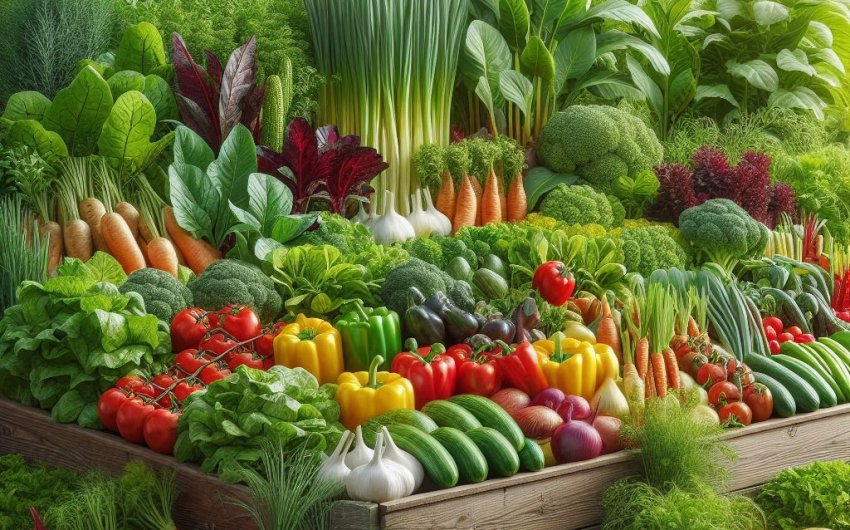
Raised beds offer an ideal growing environment for a wide variety of vegetables due to superior soil control, drainage, and warmth. Most edibles thrive, particularly root vegetables, leafy greens, and plants that appreciate consistent moisture and rich, loose soil.
Why Are Raised Beds Great for Growing Vegetables?
Raised garden beds have become incredibly popular, and for good reason. They offer a host of advantages over traditional in-ground gardening, making them an excellent choice for growing almost any vegetable, especially for beginners or those with challenging soil conditions.
Superior Soil Control
- Custom Soil Mix: With a raised bed, you're not stuck with your native soil, which might be heavy clay, sandy, or full of rocks. You can fill your raised bed with an ideal custom blend of topsoil, compost, and other amendments. This allows you to create the perfect growing medium for vegetables, which generally prefer rich, loose, well-draining soil.
- Optimal Nutrients: It's easier to maintain consistent nutrient levels in a raised bed, as you're starting with a fresh mix and can easily topdress with compost or add fertilizers without them leaching too quickly.
Excellent Drainage
- No Waterlogging: One of the biggest advantages is improved drainage. Raised beds naturally prevent waterlogging, which is critical for healthy root development and preventing root rot in many vegetables. Even if your native soil drains poorly, the elevated nature of a raised bed ensures excess water can escape.
- Reduced Compaction: The soil in raised beds remains loose and aerated because you avoid walking on the planting area. This means roots have an easier time penetrating the soil and accessing water and nutrients.
Warmer Soil Temperatures
- Earlier Planting: Raised beds warm up faster in spring than in-ground beds because they are exposed to air on all sides. This allows you to plant earlier in the season, extending your growing period.
- Quicker Germination: Warmer soil promotes faster seed germination and stronger initial plant growth.
Easier Management and Maintenance
- Weed Control: Raised beds make weed control significantly easier. Fewer weed seeds typically blow in, and when they do, they are much simpler to identify and pull from the loose, well-defined soil.
- Pest Control: The contained nature of raised beds can sometimes deter certain ground-dwelling pests (like slugs and snails) and can make it easier to install pest barriers or row covers.
- Ergonomic Gardening: The elevated height of raised beds reduces the need for excessive bending, kneeling, and stooping, making gardening more comfortable and accessible for people with mobility issues or back problems.
- Defined Growing Space: Raised beds create clear, attractive boundaries for your garden, making the space feel more organized and tidy.
Other Benefits
- Better Air Circulation: Plants in raised beds can sometimes benefit from slightly better air circulation around their foliage, which can help reduce the incidence of certain fungal diseases.
- Long-Term Solution: Once built, a raised bed is a permanent garden feature that can provide years of productive gardening.
- Ideal for Challenging Sites: Perfect for areas with poor native soil, rocky conditions, or even paved surfaces.
What Vegetables Thrive in Raised Beds?
Almost any vegetable can be grown successfully in a raised bed, but some truly excel due to the specific conditions these beds provide. These plants particularly benefit from loose, well-drained soil, and the control offered by a contained growing environment.
1. Root Vegetables
Root vegetables are arguably the most enthusiastic beneficiaries of raised beds. They absolutely adore the loose, well-draining soil.
- Carrots: No more stunted, forked, or crooked carrots! The deep, stone-free soil in a raised bed allows carrots to grow long, straight, and true. Look for varieties like 'Danvers Half Long' or 'Nantes'.
- Radishes: Quick-growing and appreciate loose soil for rapid root development.
- Beets: Their roots expand easily in soft soil, leading to perfectly round, tender beets.
- Potatoes: Raised beds make growing and harvesting potatoes incredibly easy, especially with the "hilling" method. You can layer compost and soil as they grow, and then simply tip the bed out at harvest time.
- Onions and Garlic: While not strictly "root" vegetables, they form bulbs underground and thrive in loose soil that allows for good expansion.
- Turnips and Rutabagas: Similar to beets and radishes, they appreciate the ample space for root growth.
2. Leafy Greens
Many leafy greens have relatively shallow root systems and appreciate consistent moisture, which is easier to maintain in a well-prepped raised bed.
- Lettuce: All varieties, from loose-leaf to romaine, thrive in raised beds. The improved drainage helps prevent "wet feet" that can lead to rot.
- Spinach: Grows quickly and benefits from consistent moisture.
- Swiss Chard: Its vibrant stems add beauty, and it loves nutrient-rich soil.
- Kale: Hardy and productive, kale appreciates good drainage.
- Arugula: Quick to germinate and harvest.
- Asian Greens (Bok Choy, Mizuna): Enjoy consistent moisture and rich soil.
3. Alliums
Onions, garlic, and their relatives do very well where drainage is key.
- Onions: Whether growing from sets or seeds, onions form perfectly round bulbs in loose, well-drained soil.
- Garlic: Easy to plant and harvest from raised beds, especially when growing large, healthy bulbs.
- Leeks: Grow long, blanched stems in deep, loose soil.
- Chives: A perennial herb that forms clumps and thrives in the conditions of a raised bed.
4. Bush and Compact Varieties
Raised beds are excellent for gardening intensely, and compact varieties make the most of limited space.
- Bush Beans: Non-vining varieties are perfect for rows or blocks in a raised bed.
- Bush Cucumbers: Look for "bush" or "compact" cucumber varieties instead of vining ones, especially if you plan to let them sprawl slightly over the edge of the bed.
- Bush Zucchini/Summer Squash: Again, compact varieties prevent overwhelming the bed.
- Dwarf Peas: Some pea varieties have shorter vines that can be easily supported on small trellises within the bed.
5. Plants Requiring Excellent Drainage
- Herbs: Many herbs (especially Mediterranean ones like rosemary, thyme, oregano, sage) thrive in the excellent drainage of raised beds, which mimics their native arid environments.
- Potatoes: As mentioned, raised beds are ideal for potatoes because they require consistently moist but not soggy conditions, and they are easy to "hill up" in the bed.
6. Small to Medium Fruiting Vegetables
- Tomatoes: While vining tomatoes can get large, they thrive in the rich soil of a raised bed. Provide strong staking or caging. Determinate (bush) varieties are also excellent choices for smaller beds.
- Peppers: Love the warmth and rich soil of raised beds.
- Eggplant: Similar to peppers in their needs.
- Strawberries: Perennial and love the good drainage, making them excellent candidates for a dedicated raised bed.
How Do I Prepare a Raised Bed for Vegetables?
Setting up a raised bed properly is the foundation for years of successful vegetable gardening. This involves choosing the right materials, constructing the bed, and filling it with the ideal soil mix.
1. Choose Your Raised Bed Material
There are many options, each with pros and cons:
- Wood:
- Pros: Natural look, widely available, easy to work with.
- Cons: Can rot over time (especially untreated wood).
- Best Choices: Cedar or Redwood are naturally rot-resistant and chemical-free. Untreated pine is an economical option but will have a shorter lifespan. Avoid pressure-treated lumber for edible gardens as it often contains chemicals that can leach into the soil.
- Metal (Galvanized Steel, Corrugated Metal):
- Pros: Very durable, long-lasting, sleek modern look, resist rot and pests.
- Cons: Can get very hot in direct sun (though usually only edges, soil mass helps), more expensive.
- Recycled Plastic/Composite Lumber:
- Pros: Extremely durable, no rot, low maintenance, often made from recycled materials.
- Cons: More expensive, can sometimes look less natural.
- Stone/Brick/Concrete Blocks:
- Pros: Very durable, permanent, aesthetically pleasing, excellent heat retention for plants.
- Cons: Most expensive, requires masonry skills for complex designs, very heavy.
- Fabric Grow Bags:
- Pros: Very affordable, portable, good drainage and air pruning of roots.
- Cons: Dries out quickly, shorter lifespan, less rigid structure. Use large, dedicated Raised Garden Bed Fabric Bags for vegetables.
2. Determine Size and Placement
- Height: Aim for a height of at least 10-12 inches (25-30 cm) for most vegetables. Deeper beds (18-24 inches) are even better for root vegetables like carrots and potatoes, and offer more insulation.
- Width: Keep the width to no more than 4 feet (1.2 meters) so you can easily reach the center from either side without stepping into the bed (preventing compaction).
- Length: As long as you want, fitting your space.
- Location:
- Full Sun: Most vegetables need at least 6-8 hours of direct sunlight per day.
- Level Ground: Place the bed on a relatively level surface.
- Good Drainage: Place directly on the ground (remove grass/weeds first) to allow connection to the subsoil and provide drainage.
- Accessibility: Easy access for watering, harvesting, and maintenance.
3. Construct the Bed
- Follow Kit Instructions: If using a kit, follow the manufacturer's directions.
- DIY Construction: For wood or metal, use appropriate hardware (rust-resistant screws or bolts) to secure the corners. Ensure the bed is square and level.
- Lining (Optional): Some people line the inside of wooden beds with landscape fabric or thick plastic sheeting to extend the wood's life, but ensure it doesn't impede drainage at the bottom.
4. Prepare the Ground Beneath the Bed
- Clear Weeds/Grass: Remove any existing grass, weeds, or debris from the area where the bed will sit.
- Cardboard Layer (Optional): Lay down a layer of flattened cardboard boxes (remove all tape and labels) directly on the cleared ground. This acts as a weed barrier and will eventually break down, adding organic matter. Water it thoroughly.
5. Fill the Raised Bed with Soil
This is the most critical step for growing healthy vegetables. Don't use heavy garden soil!
- The "Lasagna" Method (Layering): For deeper beds, you can save money on bagged soil by using a layering technique.
- Bottom Layer (Coarse): Start with 4-6 inches of coarser organic material: small logs, untreated wood chips, thick branches, or straw. This provides bulk and helps with drainage.
- Mid Layer (Compost/Partially Decomposed): Add a layer of partially decomposed compost, grass clippings, or leaves.
- Top 12-18 inches (Growing Layer): Fill the remaining depth with a high-quality blend designed for growing vegetables. A common and effective mix is:
- 50% High-Quality Topsoil: Provides structure and minerals.
- 40% Well-Aged Compost: The "garden gold" for nutrients, drainage, and microbial life. Use Organic Compost.
- 10% Perlite or Vermiculite: Improves aeration and drainage (perlite) or water retention (vermiculite).
- Water as You Fill: As you add layers of soil, water each layer thoroughly to help it settle and ensure even moisture.
- Leave Space at Top: Don't fill the bed completely to the brim. Leave 2-3 inches of space from the top of the bed walls to allow for watering without overflow and for future topdressing.
How Do I Care for Vegetables in Raised Beds?
Once your raised bed is filled and planted, ongoing care is generally easier than in-ground gardening, but still essential for a thriving vegetable harvest.
1. Watering
- Increased Frequency: Raised beds, especially those built higher, tend to dry out faster than in-ground gardens due to increased air circulation around the sides. Be prepared to water more frequently.
- Monitor Moisture: Check the soil daily, especially during hot, sunny, or windy weather. Water when the top inch or two of soil feels dry.
- Deep Watering: When you water, do so deeply and thoroughly until water drains from the bottom.
- Drip Irrigation: For ultimate convenience and water efficiency, consider installing a Raised Bed Drip Irrigation Kit. This delivers water directly to the root zone, reducing waste and keeping foliage dry (which can prevent disease).
2. Fertilization
- Nutrient Depletion: Because of increased drainage and plant growth, nutrients in raised beds can deplete faster.
- Initial Amendments: Your initial rich soil mix should provide enough nutrients for the first season.
- Topdressing: Annually, or even mid-season for heavy feeders, topdress your beds with 1-2 inches of well-aged compost. This replenishes nutrients and improves soil structure.
- Liquid Feed (Optional): For heavy feeders (like tomatoes, squash, corn) or if you notice nutrient deficiencies, supplement with a balanced liquid fertilizer every 2-4 weeks during the active growing season.
3. Weed Control
- Easier Weeding: Weeds are generally less prevalent and easier to pull from the loose soil of raised beds.
- Mulch: Apply a 2-4 inch layer of organic mulch (straw, shredded leaves, wood chips, grass clippings) over the soil surface.
- Benefits: Suppresses weeds, conserves moisture, moderates soil temperature, and slowly adds organic matter as it decomposes. A Straw Mulch for Gardens is an effective choice.
4. Succession Planting
- Maximize Yields: Raised beds are perfect for succession planting. As soon as one crop finishes, amend the soil with a little compost and replant with a new crop suitable for the season. This maximizes productivity in your limited space.
5. Pest and Disease Management
- Inspection: Regularly inspect your plants for signs of pests or diseases. Catching issues early makes them easier to manage.
- Good Air Circulation: The slightly elevated nature of raised beds can improve air circulation around plants, reducing some fungal diseases.
- Barriers: It's easier to install physical barriers (like row covers for insect protection) over defined raised beds.
6. Crop Rotation
- Prevent Disease Buildup: Even in raised beds, practice crop rotation where possible. Don't plant the same family of vegetables in the same spot year after year, as this can lead to the buildup of soil-borne diseases and pests specific to that plant family.
7. End of Season Care
- Remove Spent Plants: At the end of the growing season, remove all spent plant material (unless leaving for winter interest).
- Add Compost: Topdress the bed with a layer of compost, ready for next spring's planting. You can let the worms and microbes work it into the soil over winter.
What Are Some Common Mistakes to Avoid in Raised Bed Gardening?
While raised beds are forgiving, there are a few common pitfalls that beginners can avoid to ensure success.
1. Using the Wrong Soil
- Mistake: Filling your raised bed with heavy native garden soil or cheap, unamended topsoil.
- Consequence: Poor drainage, compaction, nutrient deficiencies, stunted plant growth.
- Solution: Invest in a high-quality potting mix or create a custom blend with plenty of compost and amendments like perlite.
2. Lack of Drainage Holes (for Solid-Bottom Beds)
- Mistake: Building a raised bed directly on concrete or pavement without ensuring adequate drainage from the bottom.
- Consequence: Waterlogging, root rot, plant death.
- Solution: Ensure any raised bed not directly on the ground has sufficient drainage holes at the bottom.
3. Overcrowding Plants
- Mistake: Planting too many vegetables in a small space, thinking raised beds can handle unlimited density.
- Consequence: Stunted growth due to competition for light, water, and nutrients; increased risk of fungal diseases due to poor air circulation.
- Solution: Follow recommended plant spacing guidelines, even in raised beds. While you can plant a little closer than in-ground, avoid extreme overcrowding.
4. Inconsistent Watering
- Mistake: Assuming raised beds need less water or watering haphazardly.
- Consequence: Plants stress, production drops, issues like blossom end rot.
- Solution: Check soil moisture regularly and water deeply when the top few inches are dry. Consider drip irrigation.
5. Neglecting Fertilization
- Mistake: Relying solely on the initial soil fill for long-term nutrients.
- Consequence: Nutrient depletion, yellowing leaves, poor yields.
- Solution: Plan for regular topdressing with compost and supplemental fertilization throughout the growing season, especially for heavy feeders.
6. Ignoring Weed Control
- Mistake: Thinking raised beds are entirely weed-free.
- Consequence: Weeds still appear and compete with your vegetables.
- Solution: Apply a layer of organic mulch and hand-weed regularly.
By understanding what vegetables grow best in raised beds and following these essential setup and care guidelines, you'll be well on your way to enjoying a bountiful, beautiful, and manageable vegetable garden for years to come. Raised beds truly are a game-changer for home growers.