
How to Maintain Soil Quality in a Raised Bed Garden?
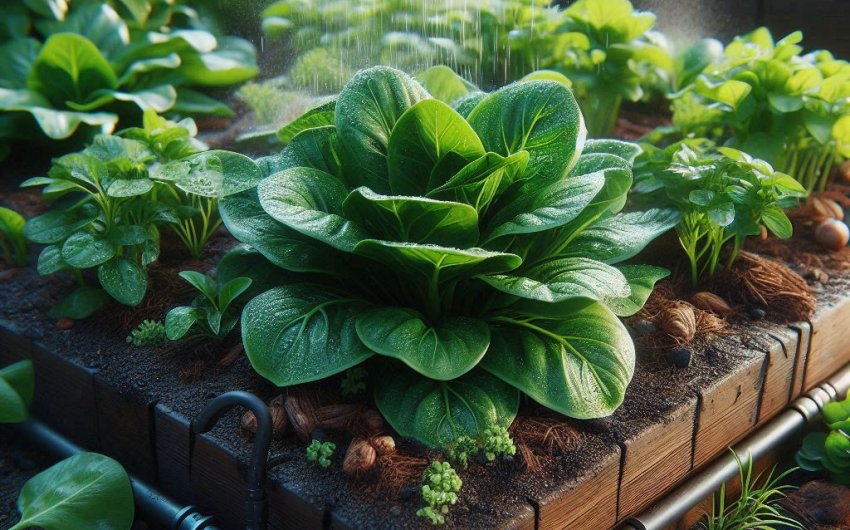
A thriving raised bed garden relies fundamentally on the health and vitality of its growing medium. Learning how to maintain soil quality in a raised bed garden is paramount for ensuring consistent, bountiful harvests year after year. Unlike in-ground plots, raised beds require a more intentional approach to soil management, as their contained environment and intensive planting styles mean nutrients can deplete and structure can degrade more quickly. This guide will walk you through essential practices to keep your raised bed soil rich, fertile, and productive for the long term.
Why is soil quality especially important in a raised bed garden?
The success of a raised bed garden is intrinsically linked to the quality of its soil. While raised beds offer numerous advantages over traditional in-ground gardens, their unique characteristics also mean that soil management becomes even more critical. Understanding these distinctions helps highlight why paying close attention to your soil is paramount.
Here's why soil quality is especially important in a raised bed:
- Intensive Planting: Raised beds encourage intensive planting, meaning you typically grow more plants in a smaller area compared to traditional rows. More plants draw more nutrients from the soil, leading to faster nutrient depletion if not replenished regularly.
- Faster Drainage: One of the benefits of raised beds is their superior drainage, which prevents soggy roots. However, this also means nutrients can leach out more quickly with watering, and the soil can dry out faster, requiring consistent moisture management.
- Limited Volume: Unlike in-ground gardens where plant roots can theoretically access a vast network of soil, raised beds have a confined volume of soil. This finite amount of growing medium means it can become exhausted more rapidly without proper replenishment.
- Controlled Environment: While a controlled environment is an advantage (no compacted pathways, no tilling), it also means the soil doesn't naturally receive the same benefits from deep earthworms or broad nutrient cycling found in larger, undisturbed soil systems. You are the primary manager of its ecosystem.
- Soil Compaction (Even in Raised Beds): Although foot traffic is typically avoided in raised beds, over-watering or continuous, heavy rainfall can still lead to some soil compaction over time, reducing aeration and drainage if the soil structure isn't maintained.
- Nutrient Cycling Disruption: In a natural ecosystem, leaves fall, decay, and return nutrients to the soil. In a garden, we harvest plants, removing their biomass and the nutrients they contain. This natural nutrient cycle must be consciously replaced in a managed system like a raised bed.
- Foundation of Health: Healthy, living soil is the first defense against pests and diseases. Strong, well-nourished plants grown in rich soil are inherently more resilient and less susceptible to problems, ultimately leading to higher yields and tastier produce.
In essence, a raised bed is a premium growing container, and its soil is its most valuable asset. By understanding why soil quality is so vital, you're better equipped to implement the practices necessary to maintain soil quality in a raised bed garden for long-term productivity and success.
What is the best way to start with good soil in a raised bed garden?
Starting with a high-quality soil mix is the foundational step for any successful raised bed garden. You can't just throw in any old dirt and expect abundant harvests. The initial fill dictates drainage, nutrient availability, and overall plant health for seasons to come. Investing time and effort here pays significant dividends.
1. Avoid Garden Soil Directly from Your Yard (Usually)
- Compaction Issues: Soil from your existing garden or lawn is often too dense and heavy for raised beds. It can compact easily, especially after watering, leading to poor drainage and aeration, which suffocates plant roots.
- Weed Seeds and Pests: It can also introduce weed seeds, perennial weed roots, and dormant pest eggs or disease pathogens into your pristine new bed.
2. The Ideal Raised Bed Soil Mix
The best approach is to create a blend that offers excellent drainage, aeration, and nutrient retention. A popular and effective mix for raised beds is a combination of:
- High-Quality Topsoil: This forms the bulk of your mix. Look for screened, rich topsoil from a reputable local supplier, or purchase bagged garden soil (distinct from potting mix, which is too light for large beds). Avoid anything that looks mostly like sand or clay.
- Compost (Lots of It!): This is the magic ingredient. Aim for at least 30-50% compost in your initial fill. Compost (well-aged and finished) provides essential nutrients, improves soil structure, enhances drainage, and boosts microbial life. You can purchase bagged compost, or if you have a large garden, look into bulk compost delivery from a local nursery or municipality.
- Perlite or Vermiculite (Optional but Recommended): Adding 10-20% perlite (for improved drainage and aeration) or vermiculite (for moisture retention and aeration) can be beneficial, especially for shallower beds or if your topsoil tends to be a bit heavy.
- Coarse Sand (Optional for heavy topsoil): If your topsoil is on the clay-heavy side, a small amount of coarse horticultural sand (not play sand) can further improve drainage.
Common Recommended Ratio: A widely recommended blend for initial filling is:
- 60% high-quality topsoil
- 30% compost
- 10% perlite/vermiculite (or a mix of both)
3. Consider the "Hugelkultur" Method for Deep Beds
For very deep raised beds (18 inches or more), the Hugelkultur method is an excellent way to fill space and create a long-lasting, self-feeding system.
- Bottom Layer: Start with decaying wood logs and branches at the bottom. These decompose slowly, releasing nutrients over years and acting like sponges to retain moisture.
- Middle Layers: Add layers of smaller twigs, leaves, grass clippings, and kitchen scraps.
- Top Layer: Finish with your high-quality soil mix (topsoil, compost, amendments) for planting.
This method reduces the amount of expensive bagged soil needed and creates a fantastic long-term growing environment.
4. Layering and Mixing
- Layering: If you're mixing components, you can add them in layers and then mix them together, or simply combine them beforehand in a wheelbarrow or on a tarp.
- Don't Over-Compact: As you fill the bed, don't compact the soil too much. Allow it to settle naturally with watering. You can gently firm it around plants after planting.
5. Initial Watering
- Saturate Thoroughly: After filling your raised bed, water it thoroughly until water drains from the bottom. This helps settle the soil and activate the beneficial microorganisms.
By starting with a well-planned and properly mixed soil base, you are setting your raised bed garden up for sustained success, making the ongoing process of maintaining soil quality in a raised bed garden much easier.
How do I replenish nutrients and organic matter in raised beds?
As plants grow and produce, they draw nutrients from the soil in your raised bed garden. Additionally, organic matter naturally breaks down over time. To maintain soil quality in a raised bed garden and ensure continued productivity, regular replenishment of both nutrients and organic matter is essential. This is an ongoing process that keeps your garden thriving.
1. Topdressing with Compost
This is the single most effective and fundamental practice for maintaining soil health in a raised bed.
- What it is: Applying a fresh layer of finished compost directly onto the surface of your garden beds.
- Benefits:
- Adds a slow, steady supply of nutrients.
- Improves soil structure and drainage.
- Feeds beneficial soil microorganisms.
- Helps suppress weeds and retain moisture.
- When:
- Annually: At least once a year, typically in spring before planting or in fall after harvesting.
- After Heavy Feeders: Consider an extra application after growing "heavy feeder" crops like corn, tomatoes, or squash, which deplete nutrients quickly.
- How: Spread a 1-2 inch layer of organic compost evenly over the entire bed. You don't need to dig it in; earthworms and other soil life will incorporate it naturally.
2. Using Mulch
While mulch helps suppress weeds and retain moisture, organic mulches also contribute to soil health as they decompose.
- Types: Use organic mulches like straw, shredded leaves, or wood chips (for pathways, be cautious with fresh wood chips directly in beds as they can temporarily tie up nitrogen).
- Benefits:
- Suppresses weeds (reducing nutrient competition).
- Retains soil moisture (less watering).
- Moderates soil temperature.
- Adds Organic Matter: As the mulch breaks down, it slowly adds valuable organic material to your soil.
- When: Apply a 2-4 inch layer around plants after they are established. Replenish as needed throughout the season.
3. Fertilizing (Targeted and Balanced)
Compost provides many nutrients, but specific plant needs or deficiencies might require additional feeding.
- Soil Testing: Perform a soil test kit every 2-3 years to identify specific nutrient deficiencies and pH imbalances.
- Organic Fertilizers:
- Granular: Incorporate a balanced organic granular fertilizer into the top few inches of soil at the beginning of the growing season.
- Liquid Feed: For "heavy feeders" (tomatoes, corn, squash, peppers) during their fruiting stage, a diluted liquid organic fertilizer (like fish emulsion, seaweed extract, or balanced vegetable-specific blends) every 2-4 weeks can provide a boost.
- Avoid Over-Fertilizing: More isn't always better. Excess fertilizer can burn roots, harm beneficial microbes, and lead to nutrient imbalances.
4. Cover Cropping (for Off-Season)
If you leave beds fallow (empty) over winter, a cover crop is an excellent way to protect and improve the soil.
- What it is: Planting specific crops (e.g., clover, vetch, rye) that aren't for harvesting, but for improving the soil.
- Benefits:
- Prevents soil erosion.
- Suppresses weeds.
- Adds organic matter when tilled under or "chopped and dropped."
- Legumes (like clover): Can fix nitrogen from the air into the soil.
- When: Plant in late summer/early fall after main harvest. Cut down or till under in early spring before planting spring vegetables.
5. Practice Crop Rotation
- What it is: Don't plant the same vegetable or family of vegetables in the exact same spot year after year.
- Benefits:
- Prevents the build-up of specific soil-borne pests and diseases.
- Helps manage nutrient depletion, as different plants use different nutrients in varying amounts.
- How: Keep a simple garden journal to track what was planted where each season. Divide your raised bed into sections if needed.
By consistently implementing these practices, you'll successfully maintain soil quality in a raised bed garden, ensuring your plants have a rich, fertile, and thriving environment for seasons of abundant growth.
How do I prevent compaction and improve aeration in raised beds?
Even though raised bed gardens naturally offer better drainage and aeration than in-ground plots, the confined nature of the beds and constant gardening activity can still lead to soil compaction over time. Preventing this and ensuring good aeration is vital for healthy root development and overall plant vigor.
1. Avoid Stepping in the Beds
- Golden Rule: The most important rule for preventing compaction in raised beds is to never step directly on the soil within the bed. Design your beds (typically 3-4 feet wide) so you can comfortably reach the center from the sides without needing to step inside.
- Why: Foot traffic compresses the soil particles, squeezing out air pockets and making it harder for roots to grow, water to penetrate, and beneficial microbes to thrive.
2. Incorporate Plenty of Organic Matter
- Long-Term Solution: As discussed, adding generous amounts of compost and other organic materials (like aged manure, shredded leaves, or coco coir) is the best way to maintain a loose, airy soil structure.
- Mechanism: Organic matter acts like tiny sponges and binders, creating stable aggregates (clumps of soil particles) that resist compaction while providing pore space for air and water.
- When: Incorporate a significant amount when initially filling the bed, and then topdress annually with 1-2 inches of fresh compost.
3. Use Appropriate Mulch
- Benefits: A layer of organic mulch (straw, shredded leaves, chemical-free grass clippings) helps to:
- Protect the soil surface from the compacting force of heavy rain.
- Reduce erosion.
- Slowly break down, adding organic matter and improving soil structure over time.
- Application: Apply a 2-4 inch layer around plants once they are established.
4. Practice "No-Till" Gardening
- Avoid Deep Digging: Unlike in-ground gardens that sometimes benefit from annual tilling, for established raised beds, a no-till approach is often best. Avoid deep digging or turning the soil (unless specifically to incorporate amendments very deeply).
- Why No-Till: Excessive digging can disrupt the delicate soil structure and the intricate network of beneficial fungi and microorganisms that naturally improve soil aeration and nutrient cycling.
- Surface Amendments: Instead, add all organic matter and amendments to the soil surface, allowing earthworms and natural processes to draw them down.
5. Aerate Gently (When Necessary)
While avoiding deep digging, there might be times when gentle aeration is beneficial, especially if you notice some localized compaction.
- Broadfork: For deeper aeration without disturbing soil layers, a broadfork is an excellent tool. Insert the tines into the soil and gently rock it back and forth to loosen and lift the soil, creating air channels without inverting layers. This is great to do before topdressing with compost.
- Hand Fork/Cultivator: For light surface compaction or to incorporate amendments into the top few inches, a hand fork can be used gently.
6. Consider Drainage Layers (When Building)
When constructing your raised bed, especially on compacted native soil or concrete, consider what's beneath.
- Weed Barrier: You can place a layer of cardboard or landscape fabric at the very bottom to prevent weeds from growing up from below. Ensure it's permeable to allow drainage.
- Permeable Bottom: Avoid placing impermeable liners or plastic sheeting at the bottom, as this will trap water and negate the drainage benefits of a raised bed.
By adhering to these practices, particularly the critical rule of not stepping in the beds and consistently adding organic matter, you will effectively prevent compaction and improve aeration in your raised bed garden, ensuring a healthy and productive growing environment year after year.
What are common mistakes to avoid in raised bed soil maintenance?
Even with the best intentions, beginners (and even experienced gardeners) can make common mistakes that hinder their efforts to maintain soil quality in a raised bed garden. Being aware of these pitfalls can save you time, effort, and potential plant problems.
Here are some common mistakes to avoid:
1. Not Replenishing Soil Annually (or more often)
- Mistake: Assuming the initial soil fill will last indefinitely without replenishment. Soil in raised beds naturally settles and compacts slightly, and organic matter breaks down. Plant growth also uses up nutrients, and watering leaches them out.
- Consequence: Reduced soil volume, nutrient depletion, poor structure, and declining plant health and yields over time.
- Solution: Topdress your beds annually with 1-2 inches of fresh, finished compost. This is the single most important step for long-term soil fertility and structure. You may also need to add a small amount of fresh raised bed mix to maintain volume.
2. Over-fertilizing with Synthetic Fertilizers
- Mistake: Relying solely on synthetic chemical fertilizers, or applying too much in an attempt to boost growth.
- Consequence: Chemical fertilizers can harm beneficial soil microorganisms, lead to salt buildup that burns roots, and doesn't improve soil structure. Excess nitrogen can lead to lush leafy growth but poor fruiting, and weaker plants more susceptible to pests and diseases.
- Solution: Prioritize compost and organic matter. These provide balanced, slow-release nutrients and feed the soil ecosystem. Use organic fertilizers link sparingly and only if a soil test indicates specific deficiencies, or for heavy feeders during flowering/fruiting.
3. Ignoring Soil pH
- Mistake: Assuming all vegetables thrive in the same pH, or not testing the soil.
- Consequence: If the pH is too high or too low, even if nutrients are present, plants cannot absorb them efficiently. This leads to nutrient deficiencies (e.g., yellowing leaves, stunted growth) and overall poor performance.
- Solution: Get a soil test kit every 2-3 years to determine your soil's pH and adjust it if necessary using garden lime (to raise pH) or elemental sulfur (to lower pH), according to test recommendations.
4. Overwatering or Underwatering
- Mistake: Watering too frequently and shallowly, or not deeply enough.
- Consequence: Overwatering leads to soggy, anaerobic conditions that suffocate roots and promote root rot. Underwatering stresses plants, hinders nutrient uptake, and reduces yields.
- Solution: Water deeply and less frequently. Allow the top few inches of soil to dry out between waterings. Use a moisture meter or your finger to check soil moisture before watering. Consider soaker hoses for efficient, consistent deep watering.
5. Letting Beds Go Fallow and Bare
- Mistake: Leaving raised beds empty and uncovered after harvest or during the off-season.
- Consequence: Bare soil is susceptible to erosion from rain and wind, nutrient leaching, and the growth of unwanted weeds. Sun exposure can also degrade organic matter faster.
- Solution: Plant a cover crop over winter or in periods of non-use. Alternatively, mulch heavily with straw or shredded leaves. This protects the soil, adds organic matter, and keeps weeds down.
6. Ignoring Weed Pressure
- Mistake: Letting weeds get out of control.
- Consequence: Weeds compete directly with your vegetables for precious water and nutrients in the limited space of a raised bed, reducing your harvest. They can also harbor pests and diseases.
- Solution: Weed regularly and proactively. Pull weeds when they are small. A layer of mulch is also an excellent weed suppressant.
By actively avoiding these common mistakes and focusing on consistent, organic-rich practices, you will successfully maintain soil quality in a raised bed garden, ensuring its productivity and health for many growing seasons to come.