
Best Techniques for Summer Weed Control
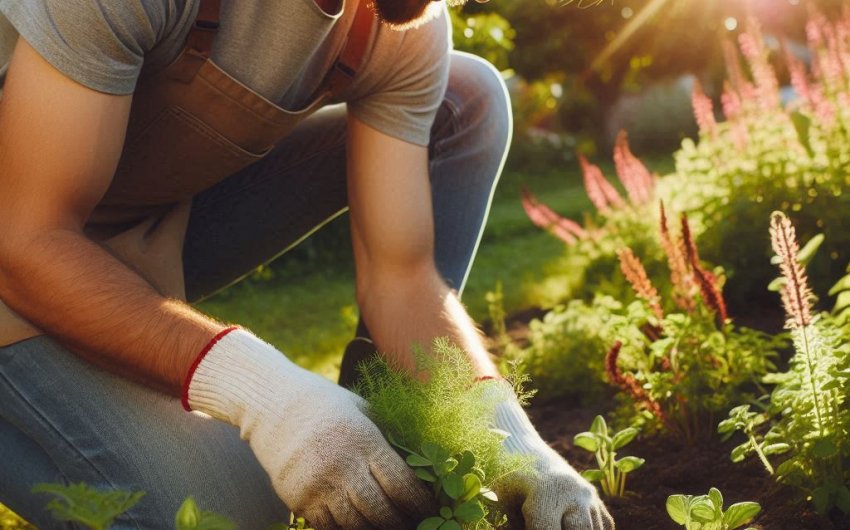
Summer is a time for sunshine, warm breezes, and flourishing gardens. But for many gardeners, it's also the season of relentless weeds. These uninvited guests pop up everywhere, competing with your beloved plants for water, nutrients, and sunlight. They can make your beautiful garden look messy and reduce your harvest. Don't let weeds get you down! With the right summer weed control techniques, you can keep your garden tidy and help your plants thrive.
This guide will give you all the best tips and tricks to tackle those pesky weeds effectively. Get ready to reclaim your garden!
Why is Summer Weed Control So Important?
You might wonder why weeds seem to take over so quickly in summer. It's because summer conditions – warmth, sunlight, and often increased rainfall or irrigation – are perfect for weed growth. Understanding why summer weed control is crucial will motivate you to stay on top of the problem.
First, competition for resources. This is the biggest reason. Weeds are greedy! They grow fast and vigorously, meaning they quickly snatch up the water, nutrients, and sunlight that your cultivated plants desperately need. Imagine your tomato plants trying to grow big and juicy while competing with a dozen weeds for every drop of water. They just won't be as healthy or productive. Good weed management ensures your plants get all the good stuff.
Second, harboring pests and diseases. Weeds can be like little hotels for garden pests such as aphids, slugs, and spider mites. They offer shelter and food, allowing pest populations to explode and then move onto your desirable plants. Some weeds can also carry plant diseases that can then spread to your vegetables and flowers. Removing weeds reduces these hiding spots and disease vectors.
Third, reducing air circulation. Densely packed weeds can create a humid, stagnant environment around your garden plants. This poor air circulation makes your plants more prone to fungal diseases like powdery mildew and blight. Keeping weeds out helps maintain good airflow.
Fourth, making harvesting difficult. Trying to pick ripe berries or reach deep into a vegetable patch when it's overgrown with thorny or sprawling weeds is a nightmare. It slows you down and can even make you miss some of your harvest. A weed-free garden is a joy to work in.
Finally, seed production. This is a major long-term issue. If you let weeds go to seed, you're setting yourself up for even bigger problems next year. A single weed can produce thousands of seeds, which then lie dormant in the soil, waiting for their chance to sprout. Preventing weed seeds from maturing is key to reducing your weed problem in future seasons.
What Are the Best Ways to Prevent Weeds from Starting?
The easiest weed to control is the one that never sprouts! Weed prevention is your first and most important line of defense against summer weeds. Think of it like building a fortress around your garden.
Mulching Your Garden Beds
This is hands-down one of the most effective and eco-friendly ways to stop weeds before they begin. Mulch is any material spread over the surface of the soil.
- How it Works: Mulch blocks sunlight from reaching weed seeds in the soil. Without light, these seeds can't sprout. It also smothers tiny weeds that might have already sprouted.
- Types of Mulch:
- Organic Mulches: These break down over time, adding nutrients to your soil. Examples include wood chips (like Cedar Mulch), shredded bark, straw (great for vegetable gardens, like straw bales for garden), compost, and even shredded leaves. Apply a layer of 2-4 inches for best results.
- Inorganic Mulches: These don't break down but can also suppress weeds. Examples are landscape fabric and gravel.
- Landscape Fabric: A woven material that lets water and air through but blocks weeds. It's best used under paths or around trees and shrubs, not typically in annual vegetable beds. Use a heavy-duty landscape fabric like Weed Barrier Fabric 3ft x 100ft.
- Gravel: Good for rock gardens or areas where you don't plan to plant.
- Benefits: Besides weed control, mulch helps retain soil moisture (meaning less watering!), regulates soil temperature, and enriches the soil as it breaks down (organic mulches).
Proper Plant Spacing
It might seem simple, but giving your garden plants enough room to grow can actually help with weed control.
- Crowding Out Weeds: When your desired plants grow large and healthy, their leaves will eventually touch and create a "canopy" over the soil. This shade helps suppress weeds by blocking sunlight, similar to how mulch works.
- Follow Guidelines: Always read the planting instructions for your specific vegetables and flowers to know their recommended spacing. Don't plant things too far apart, leaving bare soil for weeds, but also don't crowd them so much they can't grow properly.
Smart Watering Techniques
How you water your garden can impact weed growth.
- Targeted Watering: Water only the plants you want to grow. Avoid overhead watering or sprinklers that spray water everywhere, wetting the soil between plants. This encourages weed seeds to sprout.
- Drip Irrigation or Soaker Hoses: These systems deliver water directly to the root zone of your plants, keeping the soil between rows or plants drier. This makes it harder for weed seeds in those areas to sprout. Consider a drip irrigation kit for efficiency.
Regular Cultivation (Shallow Hoeing)
This technique involves disturbing the very top layer of soil.
- Catch Weeds Early: The key is to do this often and when weeds are tiny – just sprouted "thread weeds" or "cotyledon stage" (when they only have their first two small leaves).
- How it Works: Use a hoe (a ho-mi tool or a stirrup hoe like Hula Hoe is excellent) to lightly skim the surface of the soil. This cuts off or uproots tiny weed seedlings before they can establish deep roots.
- Don't Dig Deep: Avoid deep cultivation, as this brings more buried weed seeds to the surface, ready to sprout. Just skim the top inch or two of soil. This is a very effective proactive weed control method.
What Are the Best Ways to Remove Existing Weeds?
Even with the best prevention, some weeds will inevitably pop up. When they do, you need effective methods to get rid of them.
Hand Pulling (The Original Method)
Nothing beats good old-fashioned hand weeding, especially for small weeds or in tight spaces around delicate plants.
- Best Time: The absolute best time to hand pull weeds is after a rain or after you've watered your garden. The soil is soft, making it much easier to pull out the entire root system.
- Get the Whole Root: This is crucial! Many weeds, especially perennials like dandelions, will regrow from even a small piece of root left behind. Use a weeding fork or a dandelion weeder like Fiskars Ergo Dandelion Weeder to help loosen the soil and get the entire taproot.
- Don't Let Them Go to Seed: If you see a weed with flower buds or seeds, remove it immediately! Bag it and dispose of it in the trash, rather than adding it to your compost pile, to avoid spreading seeds.
- Wear Gloves: Protect your hands from thorns, irritating sap, or rough plants. A sturdy pair of garden gloves is a must.
Hoeing (For Larger Areas)
For wider rows or open areas, a hoe can be your best friend.
- Different Hoes:
- Draw Hoe (Garden Hoe): The traditional type with a flat blade perpendicular to the handle. Good for chopping down weeds and making furrows.
- Stirrup Hoe (Scuffle Hoe/Action Hoe): Has a loop-shaped blade that rocks back and forth just below the soil surface, cutting weeds off. Excellent for light, frequent weeding without disturbing the soil too much. This is a fantastic weeding tool for summer.
- Collinear Hoe (Onion Hoe): A long, narrow blade perfect for weeding between closely spaced plants.
- Technique: Use short, shallow strokes to cut weeds off at or just below the soil line. Do this on a sunny, dry day so the uprooted weeds will quickly dry out and die.
Flame Weeding
This might sound extreme, but flame weeding is a chemical-free way to kill young weeds by briefly searing them with a controlled flame.
- How it Works: You're not burning the weed to ash, but rather superheating the water inside its plant cells, causing them to burst. The weed will wilt and die within a few hours or days.
- Tools: Use a specialized propane weed torch like Red Dragon Weed Dragon.
- Best Use: Most effective on very young, tender weeds. It's good for clearing paths, driveways, or preparing garden beds before planting.
- Safety First: Always follow safety instructions. Have a water source nearby. Do not use near dry flammable materials (dry leaves, buildings, etc.) or on windy days. Not suitable for established weeds with deep root systems.
Organic Herbicides (Spot Treatment)
For stubborn weeds or areas where you can't hand pull, organic herbicides can be an option.
- Active Ingredients: Look for products containing acetic acid (vinegar) or citric acid (lemon juice). These are contact herbicides, meaning they kill only the parts of the plant they touch.
- How they Work: They dry out and "burn" the foliage of the weed.
- Best Use: Best for young, small weeds. Repeat applications may be needed for larger weeds or those with robust root systems.
- Caution: These products are non-selective, meaning they will kill any plant they touch, including your desirable garden plants. Use as a spot treatment only, being very careful to apply directly to the weed. Avoid using on windy days to prevent drift onto other plants.
What Are Some Smart Strategies for Long-Term Weed Control?
Getting rid of weeds is an ongoing battle, but with some smart long-term strategies, you can significantly reduce your workload and keep your garden thriving with less effort.
Solarization (for Severe Weed Problems)
If you have an area that's totally overrun with weeds, solarization can be an effective technique.
- How it Works: You cover a section of your garden with a clear plastic sheet (a clear plastic tarp like Heavy Duty Clear Tarp) during the hottest part of summer. The sun's rays pass through the clear plastic, heating the soil underneath to temperatures that kill weed seeds, existing weeds, and even some pests and diseases.
- Process: Water the soil, lay down the plastic sheet, and secure the edges tightly with rocks or soil to trap the heat. Leave it in place for 4-8 weeks during peak summer.
- Benefits: A powerful, chemical-free way to sterilize soil.
- Drawbacks: Takes a long time, makes the area unusable during the process, and also kills beneficial soil microbes. Best for preparing new garden beds or reclaiming very weedy areas.
Crop Rotation (for Vegetable Gardens)
This technique is primarily for preventing diseases and balancing soil nutrients, but it can also help with certain weeds.
- How it Works: Don't plant the same crops in the same spot year after year. Rotate different plant families.
- Weed Connection: While not a direct weed control method, healthy, vigorous plants (which result from good crop rotation) are better at outcompeting weeds. Some weeds prefer specific soil conditions that might be created by continuous planting of one crop, so rotation can help disrupt that.
Encourage Healthy Soil Life
A healthy soil ecosystem can indirectly help with weed control.
- Good Microbes: Rich, healthy soil with plenty of organic matter encourages beneficial microorganisms. Some of these microbes can help break down weed seeds, making them less likely to sprout.
- Soil Structure: Good soil structure (achieved through adding compost regularly) promotes strong, healthy plant roots that are better equipped to compete with weeds.
- Avoid Over-Tilling: While initial tilling might be necessary, try to minimize repeated deep tilling. Tilling brings dormant weed seeds to the surface, where they can sprout. Focus on surface cultivation (shallow hoeing) instead.
Strategic Cover Cropping
For garden beds that will be empty during parts of the growing season, cover crops are an excellent weed suppression tool.
- How it Works: Cover crops (like clover, vetch, or oats) are plants grown specifically to protect and improve the soil, not for harvest. They quickly grow to form a dense canopy that smothers weeds.
- Benefits: Besides weed suppression, they prevent soil erosion, add organic matter when tilled in, and some (legumes) even add nitrogen to the soil.
- When to Use: Plant them in empty vegetable beds after harvest, or during summer if you have a fallow (resting) bed. You can find winter rye seeds or a legume cover crop mix.
By combining these prevention, removal, and long-term strategies, you'll be well on your way to a beautiful, weed-free garden this summer and for many seasons to come!