
How to Select Perennials for Spring Planting Success?
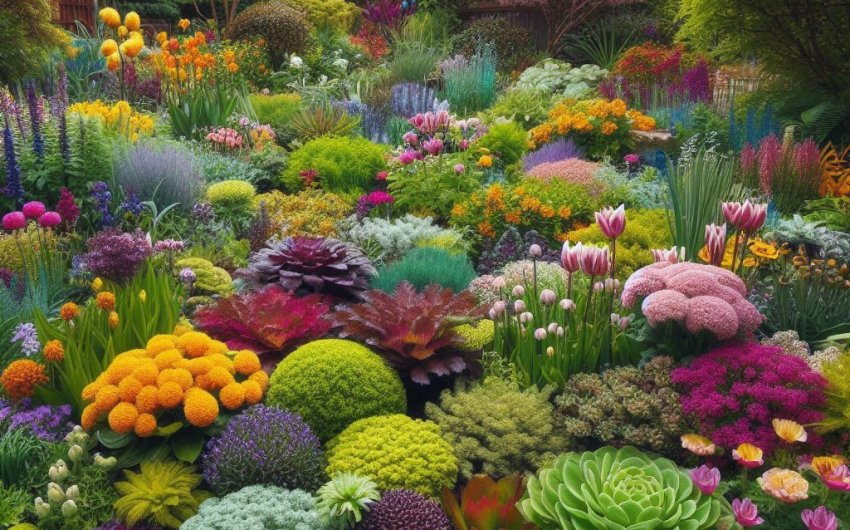
Spring is an exciting time for gardeners! The days are getting longer, the weather is warming up, and it’s the perfect season to bring new life to your garden beds. If you're looking for plants that will return year after year, saving you time and effort, then perennials are your best friends. Unlike annuals that live for only one season, perennials come back faithfully, often growing bigger and better over time.
But with so many beautiful options out there, how do you choose the right ones for your garden? Selecting perennials for spring planting can feel a bit overwhelming, but with a few simple guidelines, you can pick plants that will thrive and bring you joy for many years. This guide will walk you through the key steps to ensure your perennial choices lead to gardening success.
Why Should I Plant Perennials in the Spring?
Spring is often considered the ideal time to plant perennials, and for good reason! While some perennials can be planted in the fall, spring offers several advantages that can set your plants up for a strong start and long-term success.
First, root establishment. When you plant perennials in the spring, the soil is warming up, and conditions are perfect for root growth. Your new plants have the entire spring and summer to establish a strong root system before the stress of summer heat or the arrival of winter cold. This deep root growth is crucial for their survival and vigor in future years. Plants that are well-rooted are much more resilient.
Second, moderate temperatures and moisture. Spring weather typically offers mild temperatures and regular rainfall. This means less stress on your newly planted perennials. They don't have to deal with intense summer heat or drought conditions right away, nor do they face the immediate challenge of freezing temperatures. This gentle start helps them settle into their new home without too much shock.
Third, visible plant health. When you buy perennials in the spring, they are often actively growing. This allows you to inspect the plant directly at the nursery. You can easily check for healthy green foliage, strong stems, and a good root system (more on this later!). It's harder to gauge the health of a dormant plant.
Fourth, early bloom opportunity. Many spring-planted perennials will still put on a show in their first year, especially if you choose early or mid-season bloomers. While they might not be as spectacular as in future years, getting some flowers in their first season is a wonderful reward for your effort.
Finally, garden planning and design. Spring is a natural time for fresh starts. You can see the bare spots in your garden, envision new layouts, and easily integrate new perennials into your existing landscape. It's often easier to visualize the mature size and spread of plants when you're planning in the growing season.
What Key Factors Should I Consider Before Buying Perennials?
Before you even step foot in a nursery or browse online, do a little homework about your garden. Knowing your garden's specific conditions will help you choose plants that are truly suited for success. This is all about site selection.
Understanding Your Hardiness Zone
This is perhaps the most important factor for perennial survival. Your hardiness zone tells you which plants can survive the lowest winter temperatures in your area.
- What it is: The USDA Plant Hardiness Zone Map divides North America into zones based on average annual extreme minimum winter temperatures. Each zone represents a 10-degree Fahrenheit range.
- How to Find Yours: You can easily find your hardiness zone by typing your zip code into the USDA Plant Hardiness Zone Map website.
- Why it Matters: A plant's tag will usually list its hardiness zone range (e.g., "Hardy in Zones 4-9"). If you live in Zone 6, a plant hardy only to Zone 8 won't survive your winter. A plant hardy to Zone 3 might survive, but might not thrive if your summers are very hot. Always pick plants that are within or colder than your zone for reliable winter survival. For example, if you're in Zone 7, a plant listed as hardy to Zone 5 is a safe bet for enduring winter.
Assessing Sunlight in Your Garden
Different plants need different amounts of sun to thrive. Getting this right is crucial.
- Full Sun: At least 6 hours of direct sunlight per day, ideally 8+ hours. Think about how much light hits that spot from morning to evening.
- Partial Sun/Partial Shade: 4-6 hours of direct sunlight per day, or dappled sun all day. Often, this means morning sun and afternoon shade, which is great in hot climates.
- Full Shade: Less than 4 hours of direct sunlight per day. This doesn't mean no sun, just very little direct sun.
- Observe Your Garden: Spend a day watching different spots in your garden. Note how much sun each area gets throughout the day. This will help you select sun-loving plants (like Coneflower plants) for sunny spots and shade-loving plants (like Hosta plants) for shadier areas.
Understanding Your Soil Type
Soil is the foundation of your garden, providing nutrients and water to your plants.
- Drainage: This is super important for perennials. Most perennials hate "wet feet," meaning their roots sitting in soggy soil.
- Test Drainage: Dig a small hole about 1 foot deep. Fill it with water. If the water drains away quickly (within a few minutes), you have fast drainage. If it sits there for hours, you have poor drainage (clay soil). Ideal drainage is somewhere in between.
- Soil Texture: Is your soil sandy (gritty, drains fast), clay (sticky, drains slow), or loamy (crumbly, ideal)? You can improve clay or sandy soil by adding organic matter like compost.
- pH Level: This measures how acidic or alkaline your soil is. Most perennials prefer a slightly acidic to neutral pH (6.0-7.0). You can buy a soil pH testing kit to check this. Don't worry too much about small adjustments; choose plants that tolerate your soil's natural pH.
How Do I Choose Healthy Perennials at the Nursery?
Once you've done your homework, it's time for the fun part: shopping! Knowing what to look for when buying perennial plants will ensure you bring home strong, healthy specimens.
Inspect the Foliage
The leaves tell a lot about a plant's health.
- Healthy Color: Look for vibrant green leaves (or whatever color they should be, some are purple or variegated). Avoid plants with yellowing, browning, or wilting leaves, as this can indicate stress, disease, or nutrient deficiency.
- No Spots or Holes: Check for any unusual spots, holes, chew marks, or powdery mildew. These are signs of pests or diseases.
- No Pests: Carefully examine the undersides of leaves and stems for tiny insects like aphids, spider mites, or whiteflies. You don't want to bring these unwelcome guests home!
Check the Stems and Overall Shape
A well-structured plant is a happy plant.
- Strong Stems: Look for sturdy, upright stems that aren't spindly or floppy.
- Bushy Growth: Generally, you want a plant that looks full and bushy, not sparse or leggy (meaning long, stretched-out stems with few leaves). This indicates good light exposure and proper growth.
- No Broken Parts: Avoid plants with broken stems or branches.
Evaluate the Root System
This is one of the most important checks, but you'll need to be gentle.
- Ask to See Roots: If possible, gently slide the plant out of its pot (or ask a nursery employee to do it for you).
- Healthy Roots: You want to see white or light-colored roots that are filling the pot but not circling tightly at the bottom.
- Avoid Root-Bound Plants: If the roots are a dense, tangled mess circling around and around the bottom of the pot, the plant is root-bound. While you can sometimes loosen these roots before planting, it's generally best to choose a less root-bound plant, especially if you're a new gardener. Severe root-bound plants often struggle to establish.
- No Mushy or Smelly Roots: Black, mushy, or foul-smelling roots indicate root rot, a serious problem. Avoid these plants completely.
Consider the Plant's Size and Stage of Growth
- Not Too Big: While a large, blooming plant might look appealing, sometimes smaller, younger plants establish better in the garden. They experience less transplant shock and have more time to grow into their new space.
- Not Too Small: On the other hand, avoid plants that are clearly too young or tiny for their pot size, as they might be struggling or not yet ready for transplant.
- Healthy Growth, Not Just Blooms: Don't just go for the plant with the most flowers. Sometimes, a plant that hasn't started blooming yet but has strong foliage is a better choice, as it will put its energy into root development first once planted.
How Do I Plan for Long-Term Success with Perennials?
Choosing the right plant is just the beginning. Thinking about your garden's future will help your perennials thrive for years to come and create a beautiful, harmonious landscape. This is where garden design principles come in.
Consider Mature Size and Spread
This is a common mistake that leads to overcrowded garden beds later on.
- Read the Plant Tag: Every plant tag will give you the estimated mature height and spread of the perennial. Pay close attention to these numbers.
- Give Them Room: Plant new perennials with enough space for them to reach their full size. It might look sparse at first, but they will fill in. Overcrowding leads to poor air circulation (increasing disease risk), competition for resources, and plants not looking their best.
Think About Bloom Time and Color Palette
To ensure continuous interest in your garden, select perennials with varied bloom times.
- Succession of Blooms: Choose some perennials that bloom in early spring (like Bleeding Heart plants), others in mid-summer (like Daylily plants), and some that flower into fall (like Sedum 'Autumn Joy'). This creates a "succession of blooms," ensuring there's always something pretty happening in your garden.
- Color Scheme: Consider the colors of the flowers and foliage. Do you want a harmonious blend of similar colors, or bold contrasts? Think about how the colors will look together throughout the seasons.
Incorporate Different Textures and Forms
Beyond color, the shape and texture of plants add depth and interest.
- Foliage Diversity: Mix plants with different leaf shapes and sizes – broad leaves, fine feathery leaves, grassy textures.
- Plant Forms: Combine upright, spiky plants (like Liatris) with mounding plants (like Heuchera) and spreading plants (like Creeping Phlox) to create visual interest. This layering is a key part of effective perennial garden design.
Choose Low-Maintenance Options (Especially for Beginners)
If you're new to perennials, start with varieties known for being tough and easy to care for.
- Deer/Rabbit Resistance: If you have wildlife, look for plants that are less appealing to them. Plant tags often mention this.
- Drought Tolerance: In hotter climates or if you want to conserve water, choose drought-tolerant perennials like Lavender plants or Yarrow.
- Disease Resistance: Some varieties are bred to be resistant to common diseases.
By taking the time to research your garden's conditions and carefully select healthy plants that fit your vision, you're setting yourself up for incredible perennial success. Your efforts in spring will pay off with years of beautiful blooms and a thriving, low-maintenance garden!