
How to Create a Garden Calendar for Seasonal Tasks?
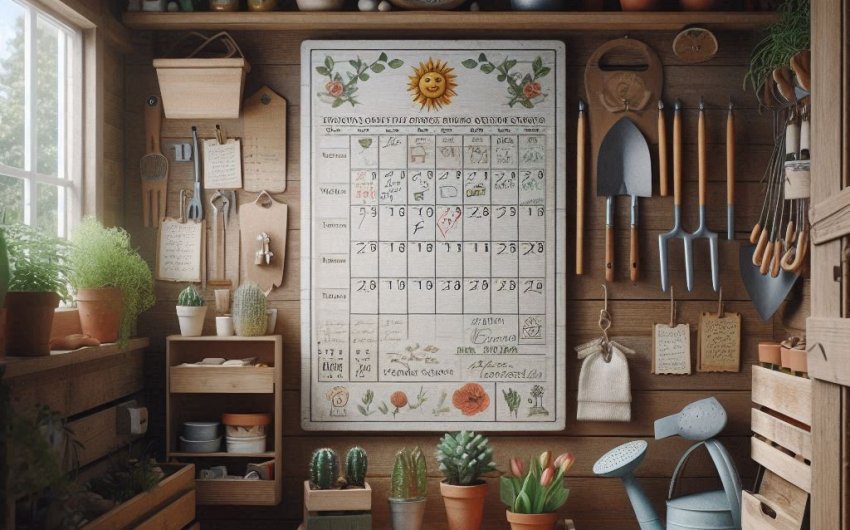
Do you ever feel like you're playing catch-up in your garden? One minute it's spring, and you're rushing to plant, the next it's summer, and the weeds are winning! Gardening can feel overwhelming if you don't have a plan. That's where a garden calendar comes in. Think of it as your personal roadmap for the year, guiding you through all the important seasonal gardening tasks at just the right time.
Creating a custom garden maintenance schedule isn't as hard as it sounds, and it will save you so much stress, help your plants thrive, and make gardening more enjoyable. This guide will show you how to build your very own garden calendar, tailored to your unique space and the plants you love to grow. Let's get organized and make your garden dreams a reality!
Why Do I Need a Garden Calendar?
A garden calendar isn't just for super organized people; it's a powerful tool that every gardener, from beginner to expert, can benefit from. It shifts you from reacting to problems to proactively managing your garden, making everything smoother and more rewarding.
First, timing is everything. So many gardening tasks are time-sensitive. Planting seeds too early or too late, pruning at the wrong time, or missing a pest treatment window can lead to poor results, or even dead plants. A garden calendar helps you remember exactly when to do what, ensuring your efforts are effective. It’s all about optimal planting times and timely garden care.
Second, reduced stress and overwhelm. Instead of feeling like you have a million things to do all at once, a calendar breaks down the year into manageable chunks. You know what's coming up, so you can gather your tools, buy your supplies, and tackle tasks without feeling rushed or surprised. This kind of garden planning brings peace of mind.
Third, healthier, happier plants. When plants receive the right care at the right time (like proper fertilization, watering, and pest monitoring), they are much more likely to be strong, healthy, and productive. A calendar helps you stay consistent with these crucial practices, leading to a flourishing garden.
Fourth, learning and improvement. Your garden calendar becomes a record of your gardening year. You can note what worked well, what didn't, unusual weather, and when certain plants bloomed. This information is invaluable for improving your strategies next year. It's a key part of smart gardening.
Finally, saving money and effort. Preventing problems (like weeds going to seed or diseases taking hold) is always easier and cheaper than fixing them. A consistent schedule means less emergency buying, less waste, and less back-breaking work down the line.
What Information Do I Need Before Creating My Calendar?
Before you grab a pen or open a spreadsheet, you need to gather some basic but vital information about your specific garden and location. Your garden is unique, and your calendar should be too!
Know Your Hardiness Zone
This is the most critical piece of information for any gardener. Your USDA Plant Hardiness Zone tells you the average lowest winter temperature in your area. This dictates which plants can survive the winter outdoors.
- How to Find It: Simply go to the USDA Plant Hardiness Zone Map website and enter your zip code.
- Why it Matters: Plant tags will often list a hardiness zone range (e.g., "Hardy in Zones 5-9"). If you're in Zone 6, a plant hardy only to Zone 8 won't survive your winter. This helps you select the right perennials and know when to protect tender plants.
Understand Your Local Climate and Frost Dates
Beyond the hardiness zone, knowing your local weather patterns is key.
- Average Last Spring Frost Date: This is the typical date in spring after which there's a very low chance of freezing temperatures. This date is crucial for safely planting out tender annuals and vegetables.
- Average First Fall Frost Date: This is the typical date in fall when the first freeze is expected. This tells you when to harvest tender crops and prepare plants for winter.
- Growing Season Length: The period between your last spring frost and first fall frost is your effective growing season.
- Local Resources: Check with your local cooperative extension office, garden center, or online weather resources for these dates specific to your town. These vary even within a zone!
List Your Current Plants and What You Plan to Grow
Your garden calendar should reflect the actual plants in your garden.
- Existing Plants: Make a list of all the main plants you already have – trees, shrubs, perennials, and any specific annuals you always grow. Note down their specific care needs (e.g., "roses need winter protection," "hydrangeas need pruning after flowering").
- Wish List: If you plan to add new vegetables, herbs, or flowers, list those too. Research their ideal planting times and care.
- Plant-Specific Tasks: Different plants have different needs. For example, tomatoes need staking, while peppers don't. Roses need deadheading, while hostas might not.
Observe Your Garden's Microclimates
Even within your own yard, conditions can vary.
- Sunlight Patterns: Track how much sun different areas of your garden get throughout the day (full sun, partial sun, shade). This influences what you can plant and where.
- Wet/Dry Spots: Note any areas that tend to stay wet longer or dry out very quickly. This affects watering schedules.
- Wind Patterns: Where does the strongest wind come from? This might affect where you plant tall plants or need to build a windbreak.
How Do I Structure My Garden Calendar?
Now that you have all your information, it's time to build the calendar itself. You have many options, from simple to high-tech.
Choose Your Format
- Paper Calendar/Planner: A large wall calendar or a dedicated garden planner notebook works great. You can write directly on it and hang it where you'll see it every day. A wall calendar large print can be easy to see.
- Whiteboard/Chalkboard: Perfect for a garden shed. You can easily erase and update tasks.
- Spreadsheet (Excel/Google Sheets): Great for detailed tracking, sorting, and adding notes. You can organize by month, plant type, or task type.
- Digital Calendar App (Google Calendar, Outlook Calendar): Set reminders and access it from anywhere. This is a very flexible digital garden planner.
- Gardening Apps: Many dedicated apps offer customizable calendars and plant databases.
Break It Down by Month or Season
Organizing your calendar by month or season makes it easy to visualize your year.
- Monthly View: Best for detailed daily/weekly tasks.
- Seasonal View: Good for general overview tasks (e.g., "Spring: Fertilize perennials," "Fall: Rake leaves").
- Consider a 12-month format to see the whole year at a glance.
Key Sections for Each Month/Season
For each time period, consider these categories:
- Planting: What seeds to start indoors, what seedlings to transplant outdoors, what bulbs or plants to put in the ground.
- Maintenance: Pruning, weeding, deadheading, fertilizing, pest/disease monitoring, watering.
- Harvesting: What crops will be ready to pick.
- Protection/Winter Prep: Mulching, wrapping plants, bringing tender plants indoors.
- Cleanup: Raking, clearing spent plants, tidying beds.
- Other Notes: Weather observations, successful plant varieties, problems encountered.
What Are Typical Seasonal Tasks to Include?
While your calendar will be unique, here's a general overview of common garden tasks by month or season that you can adapt. Remember to adjust dates based on your specific frost dates and climate!
Winter (December - February)
Even though it's cold, there are still important tasks for winter garden care.
- January:
- Seed Starting: Review seed catalogs. Order seeds. Start very slow-growing seeds indoors (e.g., onions, some perennials). Consider a seed starting kit with grow lights.
- Tool Maintenance: Clean and sharpen garden tools.
- Planning: Sketch out new garden bed designs. Plan your vegetable garden layout.
- Houseplants: Water as needed, check for pests.
- February:
- Seed Starting: Start more seeds indoors (e.g., peppers, eggplant, slow-growing herbs).
- Pruning: Prune dormant fruit trees and shrubs (if not done in late fall).
- Soil Testing: Send soil samples for testing if you plan major amendments in spring.
- Check on Perennials: Inspect any winter protection; check for signs of animal damage.
Spring (March - May)
This is a very busy and exciting time for spring garden tasks!
- March:
- Indoor Seedlings: Harden off (slowly introduce to outdoor conditions) indoor-started seedlings.
- Outdoor Planting (Cool-Season): Plant bare-root trees and shrubs. Plant cool-season vegetables like peas, lettuce, spinach, radishes, and potatoes once soil is workable.
- Perennial Care: Cut back ornamental grasses and dormant perennials. Divide overcrowded perennials.
- Fertilize: Apply slow-release fertilizer to trees, shrubs, and perennials.
- April:
- Planting: Plant summer-flowering bulbs (lilies, gladiolus). Plant pansies and other cool-season annuals. Transplant hardy vegetables outdoors.
- Weeding: First big weed push! Weeds grow fast in spring.
- Pruning: Prune spring-flowering shrubs after they finish blooming.
- Pest Watch: Start monitoring for early season pests.
- May:
- Frost-Free Planting: After your average last frost date, transplant tender vegetables (tomatoes, peppers, squash) and warm-season annuals outdoors.
- Support: Stake tall plants (peonies, delphiniums, tomatoes). You can use plant stakes with clips.
- Mulch: Apply a 2-4 inch layer of organic mulch around plants to suppress weeds and retain moisture.
- Deadhead: Remove spent flowers from spring bloomers to encourage more blooms or neatness.
Summer (June - August)
The garden is in full swing, requiring consistent summer garden maintenance.
- June:
- Weeding: Stay on top of weeds!
- Watering: Increase watering as temperatures rise, especially for new plants and containers. Consider using a garden hose with sprayer or a soaker hose kit.
- Pest & Disease Control: Monitor regularly. Treat as needed using organic methods first.
- Deadheading: Continue deadheading annuals and perennials to encourage more blooms.
- Harvesting: Enjoy your first harvests of early summer vegetables.
- July:
- Watering: Critical during hot, dry spells. Water deeply and regularly.
- Feeding: Lightly fertilize heavy feeders (like tomatoes, petunias) if needed.
- Harvesting: Peak harvest time for many vegetables. Harvest frequently to encourage more production.
- Succession Planting: Plant new rounds of quick-maturing vegetables (lettuce, radishes) for a continuous harvest.
- August:
- Watering: Continue consistent watering.
- Harvesting: Keep harvesting!
- Fall Garden Prep: Start seeds for fall vegetables (broccoli, cabbage, kale).
- Perennial Clean-up: Cut back any perennials that are looking ragged.
Fall (September - November)
Prepare your garden for winter with essential fall garden tasks.
- September:
- Planting: Plant fall-flowering annuals (mums, pansies). Plant new trees, shrubs, and perennials (giving them time to establish before first hard freeze). Plant spring-flowering bulbs (tulips, daffodils, crocus). You can buy tulip bulbs mixed colors for spring display.
- Harvesting: Harvest late-season vegetables and fruits before frost.
- Dividing: Divide overgrown perennials if desired.
- October:
- Winterizing: Drain and store hoses. Turn off and drain irrigation systems.
- Cleanup: Rake leaves (and consider shredding them for mulch or compost). Remove spent annuals.
- Protect Tender Plants: Dig up tender bulbs (gladiolus, dahlias) and store them indoors.
- Mulch: Apply a thick layer of mulch around tender perennials and new plantings for winter protection.
- November:
- Final Cleanup: Clear remaining garden debris.
- Protect Roses: Mound soil or mulch around rose bases.
- Tools: Clean and store all garden tools for winter.
- Reflect: Look at your garden; what worked well this year? What do you want to change next year?
How Do I Make My Calendar Work for Me?
A calendar is only useful if you actually use it! Here are tips to make it a practical tool.
Be Flexible
Nature doesn't always follow a strict schedule. Weather patterns can vary wildly year to year.
- Adjust for Weather: If spring is unusually warm, adjust planting times earlier. If it's cold and rainy, delay.
- Don't Stress: The calendar is a guide, not a rigid rulebook. If you miss a task, don't worry. Just adjust and move forward.
Make it Personal
- Specific Plants: Instead of "Plant bulbs," write "Plant 50 'Darwin Hybrid' Tulip bulbs in front bed."
- Your Pace: If you're a weekend gardener, group tasks for Saturdays and Sundays. If you prefer short daily bursts, spread them out.
Add Notes and Observations
- Weather Conditions: "Early frost on Oct 15." "Wettest July on record."
- Plant Performance: "Tomatoes struggled with blight this year." "Lavender bloomed beautifully."
- Pest/Disease Sightings: "Saw squash bugs on June 10." "Powdery mildew on zinnias in August."
- Successful Products: "This organic fertilizer worked well."
Review and Revise Annually
At the end of each gardening year, take some time to review your calendar.
- What Worked?
- What Didn't?
- What Should Be Added or Removed?
- Are Dates Still Accurate?
Your garden calendar will evolve with your garden and your experience. Over time, it will become an invaluable, personalized guide to a successful and enjoyable gardening year!