
How to Start Winter Seed Sowing Outdoors?
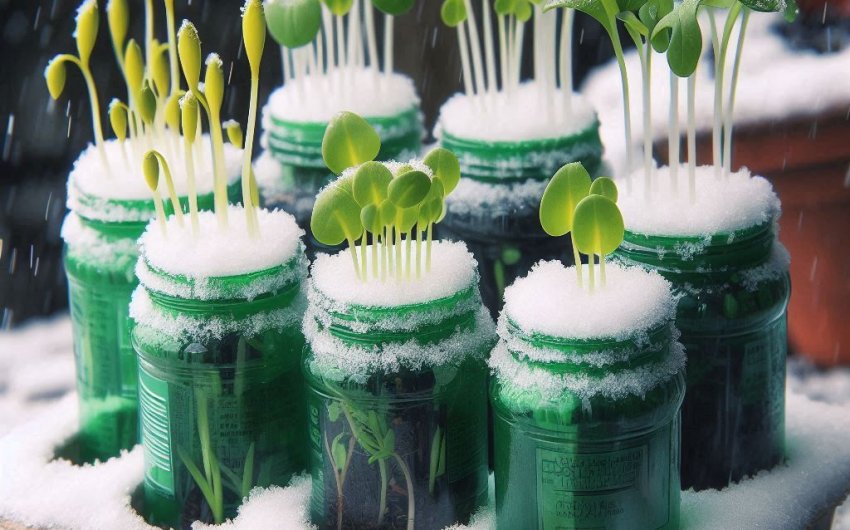
Are you dreaming of your spring garden while winter winds howl outside? What if I told you that you don't have to wait for warmer weather to start planting seeds? Winter seed sowing outdoors is a brilliant, low-effort technique that lets nature do most of the work for you. Forget expensive grow lights and fussy indoor setups; this method allows seeds to go through a natural chilling period (called stratification), then sprout when conditions are just right in spring.
It's a fantastic way to get a jump start on your garden, grow stronger plants, and connect with nature even in the coldest months. If you want to grow hardy flowers, herbs, and even some vegetables from seed without the indoor mess, then outdoor winter sowing is for you! Let's dive into how to do it.
Why Should I Try Winter Seed Sowing Outdoors?
You might be used to starting seeds indoors under lights, or just waiting until spring to direct sow. But winter seed sowing offers some amazing advantages that make it worth trying, especially if you're looking for an easier, more natural approach to starting plants.
First, natural stratification. Many perennial flower seeds, and some annuals, actually need a period of cold and moist conditions to sprout. This process is called cold stratification. In nature, seeds fall to the ground in fall, get buried by leaves and snow, and then sprout in spring. Winter sowing mimics this natural cycle perfectly. You don't have to worry about putting seeds in your fridge for weeks – nature handles it!
Second, hardier seedlings. Plants grown through winter sowing are exposed to real-world conditions from day one. They experience temperature swings, natural light cycles, and true humidity. This means when they sprout in spring, they are already accustomed to outdoor life. You won't need to "harden off" (slowly adapt) these seedlings, which saves you a ton of time and effort compared to indoor-started plants. They are typically much tougher and more resilient.
Third, no indoor space needed. This is a huge bonus for many gardeners! You don't need dedicated grow lights, heat mats, or prime window space. Your kitchen counter stays clear, and you don't have to worry about fungus gnats or leggy (stretched out and weak) seedlings from insufficient light. Your winter sow containers take up outdoor space, leaving your indoors free.
Fourth, cost-effective. By starting your own seeds, you save money compared to buying individual plants from a nursery. And since you don't need fancy indoor equipment, the startup costs for winter sowing are very low. All you really need are seeds, recycled containers, and some soil.
Finally, convenience and enjoyment. You do the work during the quieter winter months, and then sit back and watch nature work its magic. It's incredibly rewarding to see tiny green sprouts emerge from what looked like a dormant container. It keeps you connected to your garden throughout the winter, battling the winter blues with the promise of new life.
What Kinds of Seeds Can I Winter Sow?
Not all seeds are good candidates for winter seed sowing outdoors. The best seeds for this method are those that benefit from or require a period of cold stratification, or are naturally very cold-hardy.
Seeds That Require Cold Stratification
Many perennial flowers and some woody plants fall into this category. These seeds have a natural dormancy that needs to be broken by cold, moist conditions.
- Perennial Flowers: This is where winter sowing truly shines!
- Coneflower (Echinacea): A favorite for pollinators and very hardy. Look for Coneflower seeds.
- Milkweed (Asclepias): Essential for monarch butterflies.
- Lupine: Beautiful spikes of flowers in many colors.
- Columbine: Delicate, unique flowers that self-seed.
- Lavender: Fragrant and beautiful.
- Hellebore: Early spring bloomers, perfect for winter sowing.
- Aster: Late-season bloomers that provide fall color.
- Delphinium: Tall, elegant flower spikes.
- Bleeding Heart: Unique heart-shaped flowers.
- Native Plants: If you're looking to grow native wildflowers and grasses, winter sowing is often the ideal method, as these plants are adapted to your local climate.
- Some Shrubs and Trees: If you want to grow woody plants from seed, many require a cold period. This method works well for them too.
Cold-Hardy Annuals
Some annual flowers and vegetables can also be successfully winter-sown, as they can germinate in cool soil.
- Annual Flowers:
- Poppies (California, Breadseed): Very reliable for winter sowing.
- Nigella (Love-in-a-Mist): Delicate flowers with interesting seed pods.
- Calendula (Pot Marigold): Cheerful orange and yellow blooms.
- Snapdragons: Can tolerate cooler temperatures.
- Sweet Peas: Fragrant climbing flowers.
- Larkspur: Similar to delphiniums but annual.
- Vegetables and Herbs:
- Leafy Greens: Spinach, lettuce (especially romaine or cold-hardy varieties), kale, mustard greens.
- Root Vegetables: Carrots, radishes (can be direct sown later, but winter sowing works too).
- Onions/Leeks: Start from seed.
- Parsley: A biennial that acts like an annual in many gardens.
- Cilantro: Quick growing, benefits from cool temps.
Seeds to Avoid (Generally)
- Warm-Season Crops: Tomatoes, peppers, basil, zucchini, cucumbers, beans, corn. These need warm soil to sprout and will not survive freezing temperatures as seedlings. Start these indoors later or direct sow in spring.
- Seeds That Need Light to Germinate: Some seeds require light to sprout. While some winter sowing setups allow for light, it can be tricky. Check seed packets.
- Seeds with Very Short Viability: Some seeds don't store well and need to be sown fresh.
Always check your seed packets for specific planting instructions, especially regarding stratification requirements.
What Do I Need for Winter Seed Sowing?
One of the best things about outdoor winter sowing is that it's incredibly budget-friendly. You likely have many of the supplies already.
Containers
The key to successful winter sowing is using recycled containers that act as mini-greenhouses. They need to be somewhat clear to let light in, sturdy enough to hold soil, and have drainage.
- Milk Jugs: The classic choice! 1-gallon milk jugs or water jugs.
- How to Prepare: Cut them almost all the way around, about 3-4 inches from the bottom, leaving a small "hinge" intact. This creates a top that can open. Punch several drainage holes in the bottom with a drill or hot nail. Remove the cap from the spout for ventilation.
- Clamshell Containers: Those clear plastic containers from bakery goods, salads, or rotisserie chickens.
- How to Prepare: Punch drainage holes in the bottom. Make sure they close securely, or tape them shut.
- 2-Liter Soda Bottles: Cut in half, then tape the top back on.
- Clear Plastic Tubs with Lids: Larger containers for more seeds.
- Sturdy Plant Trays with Domes: If you want something more formal, but less "recycled."
The most important features for your winter sowing containers are:
- Drainage holes: Essential to prevent soggy soil.
- Clear or translucent material: To allow sunlight in.
- A "lid": To trap heat and moisture.
- Ventilation: A small opening (like a milk jug spout) or small holes in the lid to prevent overheating and allow air circulation on warmer days.
Growing Medium (Soil)
Don't use garden soil! It's too heavy, can have weed seeds, and might carry diseases.
- Seed Starting Mix: Use a good quality, sterile seed starting mix or potting mix (like Espoma Organic Seed Starting Mix). It's light, fluffy, and provides good drainage.
- Moisture: Make sure your mix is pre-moistened before you put it into the containers. It should feel like a damp sponge.
Seeds
Choose the right seeds, as discussed above. Look for cold-hardy flower seeds or perennial seeds for stratification.
Tools & Supplies
- Sharp Knife or Box Cutter: For cutting plastic containers.
- Drill or Hot Nail/Screwdriver: For making drainage holes.
- Duct Tape or Packing Tape: To secure container "lids" once planted. A strong duct tape roll can seal things up well.
- Labels and Permanent Marker: Crucial for remembering what you planted! Use a permanent garden marker or paint pen that won't fade in sun and rain. Plastic labels work best.
How Do I Sow Seeds Outdoors in Winter?
The process is surprisingly simple, and you can do it anytime from late fall to late winter, whenever you have a mild day.
Step 1: Prepare Your Containers
- Clean: Wash out your recycled containers thoroughly.
- Drainage Holes: If using milk jugs, punch several holes in the bottom (at least 4-6, depending on size). A drill with a large bit works well, or you can heat a nail or screwdriver with a torch to melt holes.
- Cut: For milk jugs, cut around the container just above the bottom seam, leaving about a 1-inch "hinge" intact. This allows the top to flip open easily later. Remove the cap from the spout. For clamshells, just ensure they have drainage.
Step 2: Add Soil and Water
- Fill with Soil: Add about 3-4 inches of pre-moistened seed starting mix to the bottom of each container. Press it down gently to remove large air pockets.
- Moisten (if not already): If your soil mix wasn't pre-moistened, water it thoroughly now until water drains from the bottom. This initial watering is crucial because once sealed, the containers will largely take care of themselves.
Step 3: Sow Your Seeds
- Read Seed Packet: Always check your specific seed packet for planting depth.
- Sow Densely (But Not Too Densely): You're sowing for survival, so sow a bit more densely than you might for indoor starting, but not so thick that the seedlings will be overly crowded. Sprinkle small seeds on top and gently press them in. For larger seeds, follow the packet's depth recommendations.
- Lightly Cover: Cover with a thin layer of soil mix, again following packet instructions. Some seeds need light to germinate and should not be covered.
- Label Immediately: This is critical. Once you've planted, immediately label your container with the plant name and date. Use a permanent marker that won't wash off or fade in the sun. Put the label inside the container, or use a good garden marker set to write directly on the plastic.
Step 4: Seal Your Mini-Greenhouse
- Close the Lid: Close the top of your milk jug (or clamshell container).
- Secure: Use strong duct tape or packing tape to securely seal the cut seam around the milk jug. This prevents cold air from getting in and moisture from escaping. For clamshells, ensure they snap shut tightly, or tape the edges.
- Leave Spout Open: Remember, leave the milk jug spout open for ventilation! This is important to prevent mold and overheating on warm sunny days.
Step 5: Place Your Containers Outdoors
- Location: Choose a spot in your yard that gets natural rain and snow, and experiences the full range of winter temperatures.
- Sunlight: While some direct winter sun is good, avoid placing them in a spot that gets intense, baking sun during a thaw, which could prematurely sprout seeds or cook seedlings. A spot with morning sun and afternoon shade, or dappled shade from deciduous trees, can be ideal.
- Protection: Place them against a house wall, fence, or in a sheltered spot if your winds are extreme. Don't hide them away where they won't get snow or rain.
- Arrangement: Place them close together to create a bit of a microclimate, if you have many.
What Happens After Sowing?
Now comes the easy part: letting nature do its thing!
The Waiting Game
- Don't Open Them: Resist the urge to open your containers until spring. The sealed environment is what creates the perfect conditions for stratification and eventual germination.
- Let Nature Water: Rain and snow will enter through the spout (or cracks if using clamshells) and keep the soil moist. You generally won't need to water them. Only if there's a prolonged dry spell and you see the soil looking dusty, you can give them a gentle watering.
The Chill Period (Stratification)
- Freezing and Thawing: The seeds will go through cycles of freezing and thawing, mimicking natural conditions. This cold, moist period breaks their dormancy.
- Patience: Don't expect sprouts until spring. They know when the time is right.
The Awakening (Spring)
- First Sprouts: As spring arrives and temperatures consistently warm, you'll start to see tiny green sprouts emerge. This is the most exciting part!
- Ventilation: Once the temperatures are consistently above freezing during the day, you can slightly open the tops of your milk jugs on warm, sunny days to increase air circulation and prevent overheating. Close them again if cold weather is expected.
- No Hardening Off Needed: The beauty of winter sowing is that the seedlings are already hardened off. They've been living outdoors since they were seeds!
Transplanting Your Seedlings
- When to Transplant: Once your seedlings have developed a few sets of true leaves (the leaves that appear after the initial seed leaves) and are big enough to handle, they are ready to be transplanted into your garden beds. Wait until your last average frost date for less hardy plants.
- How to Transplant: Gently open your container. The root ball should hold together. You can either plant the whole block of seedlings together (for things like lettuce or calendula) or carefully separate individual seedlings if they are large enough to handle. Use a small trowel or a spoon to lift them out carefully. Plant them into prepared garden beds.
- Water In: Always water new transplants thoroughly after planting.
Winter seed sowing outdoors is a truly rewarding gardening technique that connects you more deeply with nature's rhythms. It’s a low-stress, low-cost way to grow a wide variety of plants, leading to healthier, more vigorous seedlings ready to thrive in your garden. Give it a try this winter, and prepare to be amazed by the magic of resilient seeds!