
How to Adjust Watering Schedules in Spring?
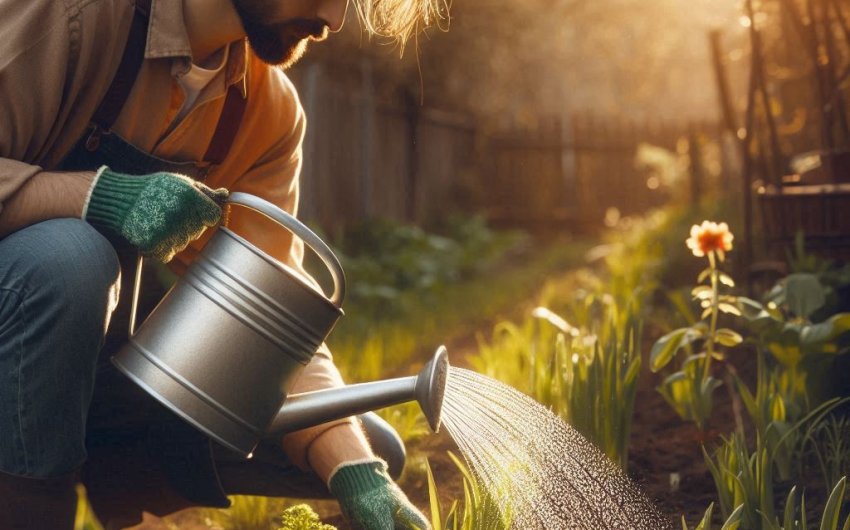
After a long winter, spring brings a burst of new life to the garden. Young seedlings emerge, dormant plants awaken, and everything starts to green up. It’s an exciting time, but it also marks a crucial shift in how you care for your plants, especially when it comes to watering. You can't water in spring the same way you did in summer or winter. Learning how to adjust watering schedules in spring is key to helping your plants establish strong roots and thrive throughout the growing season.
Proper spring watering techniques can prevent common problems like root rot or stunted growth, and ensure your garden gets off to the best possible start. This guide will walk you through everything you need to know to become a master of spring hydration for your plants.
Why is Spring Watering Different from Other Seasons?
Spring is a season of transition, and your garden's watering needs change along with it. Understanding these shifts helps you avoid common pitfalls and supports healthy plant development.
First, awakening plants and new growth. After winter dormancy, perennials, trees, and shrubs are waking up, and annuals are being planted. This new growth requires more moisture than dormant plants did. Their metabolic processes speed up, and they start to build new leaves, stems, and roots, all of which need water. This period of rapid growth makes spring hydration crucial.
Second, unpredictable weather. Spring weather can be notoriously fickle. One day it's warm and sunny, the next it's cool and rainy, and then suddenly you might get a late frost. These rapid changes in temperature and rainfall mean your watering schedule needs to be very flexible. You can't just set a timer and forget it.
Third, establishing root systems. Many of your spring tasks involve planting – whether it's new seedlings, transplants, bare-root trees, or perennials. These newly planted additions need consistent moisture to establish their root systems in their new homes. Their roots are not yet extensive enough to seek out water deep in the soil, making them especially reliant on your watering efforts. Watering new plants correctly is vital for their survival.
Fourth, soil conditions are changing. As the soil thaws and warms up, its ability to hold and release water changes. Winter-compacted soil might need more gentle watering to encourage proper absorption, while lighter soils might dry out quickly on sunny spring days.
Finally, preventing disease. While water is essential, overwatering in the cool, often damp conditions of spring can lead to fungal diseases like damping-off in seedlings or root rot in established plants. It's a delicate balance.
What Factors Should I Consider When Adjusting My Spring Watering Schedule?
There's no one-size-fits-all watering schedule for spring. Many factors come into play. Being aware of these will help you tailor your approach to your specific garden.
Weather Conditions
This is perhaps the biggest driver of your spring watering needs.
- Rainfall: This is the most obvious factor. If you've had a good, soaking rain (1 inch or more), you likely won't need to water for several days. Keep a rain gauge (like Stratus Precision Rain Gauge) in your garden to accurately measure precipitation. Don't assume a light drizzle is enough; often, it only wets the very top layer of soil.
- Temperature: Warmer, sunnier days mean plants use more water. Cooler, cloudy days mean they use less. As spring progresses and temperatures rise, your watering frequency will naturally increase.
- Wind: Windy days, even if temperatures aren't high, can dry out plants and soil remarkably quickly. Account for windy conditions, especially when watering young seedlings.
Plant Type and Stage of Growth
Different plants have different thirst levels.
- Newly Planted vs. Established: Newly planted annuals, vegetable seedlings, and perennials need much more frequent watering than established plants. Their root systems are small and shallow, so they can't access water deep in the soil. You might need to water these daily or every other day initially.
- Established Plants: Mature trees, shrubs, and perennials with deep root systems can typically go longer between waterings.
- Specific Plant Needs: Some plants are naturally more drought-tolerant (like lavender or sedum), while others are water-lovers (like hydrangeas or impatiens). Know your plants' individual preferences. Your spring planting guide should mention water needs.
Soil Type
The type of soil you have greatly affects how often you need to water.
- Sandy Soil: Drains very quickly. You'll need to water more frequently but with less volume each time.
- Clay Soil: Drains slowly and holds water well. You'll water less often, but when you do, water deeply to encourage roots to grow down. Overwatering clay soil can lead to root rot.
- Loamy Soil: The ideal mix, with good drainage and water retention. It's often the easiest to water.
- Amend with Organic Matter: Adding compost (like Back to Nature Compost) to any soil type helps improve its water-holding capacity and drainage, making watering more efficient.
Container Plants vs. In-Ground Plants
Plants in pots have very different watering needs than those in the ground.
- Containers: Containers dry out much faster than garden beds because they have less soil volume and are exposed to air on all sides. You will almost certainly need to water container plants more frequently in spring, often daily on warm, sunny days. Consider self-watering planters to reduce daily chores.
- In-Ground: These plants benefit from the larger soil volume and natural moisture in the garden bed.
How Can I Tell When My Plants Need Water in Spring?
This is the most important skill for effective spring watering: learning to read your plants and your soil. Don't just water on a set schedule; water when your plants actually need it.
The Finger Test (The Gold Standard)
This is the simplest and most reliable way to check soil moisture.
- How to Do It: Stick your finger about 2-3 inches deep into the soil near the base of the plant (deeper for established plants, shallower for seedlings).
- Interpret Results:
- Dry: If the soil feels dry at that depth, it's time to water.
- Moist: If it feels cool and damp, check again the next day.
- Soggy: If it's squishy, you've likely overwatered, or your soil has poor drainage. Let it dry out significantly before watering again.
Observe Your Plants
Your plants will often tell you they're thirsty.
- Wilting: Leaves might look droopy or limp. However, be careful – wilting can also be a sign of overwatering (roots suffocating) or disease. Use the finger test to confirm.
- Dull Foliage: Healthy, well-watered leaves often have a vibrant, turgid (firm) look. Thirsty leaves might look dull or slightly shriveled.
- Color Changes: While less common for simple thirst, prolonged drought can lead to yellowing or browning leaves, especially on older foliage.
Lift Container Plants
This is a great trick for potted plants.
- Feel the Weight: Lift the pot. If it feels surprisingly light, it's likely dry and needs watering. A freshly watered pot will feel heavy. Do this regularly, and you'll quickly learn the difference.
Use a Moisture Meter (Optional)
- Tool: A soil moisture meter (like XLUX Soil Moisture Meter) can give you a more precise reading of moisture levels at different depths.
- Benefits: Useful if you're a beginner or have a large garden. However, they aren't always 100% accurate, so still combine with the finger test and plant observation.
What Are the Best Practices for Spring Watering?
Once you know when to water, it's important to know how to water effectively.
Water Deeply and Infrequently
This is a golden rule for most plants, especially established ones.
- Deep Watering: Instead of frequent, shallow sprinkles, water deeply so the moisture penetrates several inches (or even a foot for trees/shrubs) into the soil. This encourages roots to grow deeper, making the plant more resilient and less reliant on surface moisture.
- Infrequent: Water only when the soil is dry at the root zone (using the finger test). This prevents constant soggy conditions that can lead to root rot and allows oxygen to reach the roots.
Water Early in the Morning
- Why Morning? Watering in the morning is ideal. It gives the plants time to absorb the water before the heat of the day, reducing evaporation. It also allows foliage to dry out before nightfall, which helps prevent fungal diseases.
- Avoid Evening Watering: Watering in the evening leaves foliage wet overnight, creating a perfect environment for fungal spores to thrive.
Apply Water at the Base of Plants
- Target the Roots: Direct water to the soil around the base of your plants, where the roots can absorb it. Avoid spraying leaves unnecessarily.
- Methods: Use a watering can for small areas or containers. For larger beds, a soaker hose (like Gilmour Flat Soaker Hose) or drip irrigation system delivers water directly and efficiently, minimizing waste and keeping foliage dry. Overhead sprinklers are generally less efficient and can promote disease.
Use Mulch
- Benefits: A 2-4 inch layer of organic mulch (like cedar mulch or shredded leaves) around your plants is incredibly beneficial for watering.
- Retains Moisture: Mulch acts as a blanket, reducing water evaporation from the soil surface. This means you'll water less often.
- Suppresses Weeds: Less evaporation means less moisture for weed seeds to sprout, further reducing competition for water.
- Regulates Temperature: Keeps soil cooler in warmer weather and warmer in cooler weather.
Don't Forget Containers and Raised Beds
- Check Daily: As mentioned, these dry out faster. Check them daily, especially if they are small or exposed to sun and wind.
- Water Until Drained: Water until you see water flowing out of the drainage holes. This ensures the entire root ball is saturated.
By actively observing your garden, understanding its unique needs, and applying these smart watering tips, you'll be able to adjust your watering schedules perfectly in spring. Your plants will thank you with robust growth and beautiful blooms throughout the season!