
When is the Best Time to Harvest Pineapples?
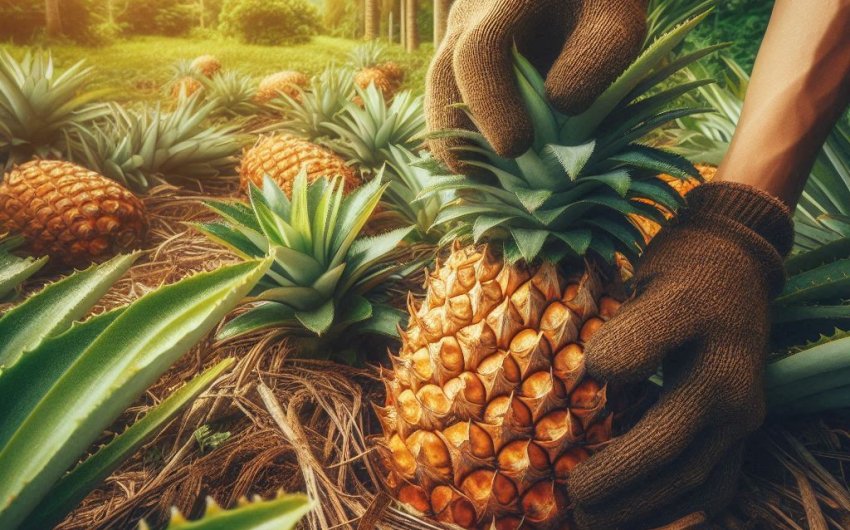
Knowing when is the best time to harvest pineapples is crucial for enjoying their peak sweetness and flavor, whether you're growing them in your garden or simply selecting one at the store. Unlike some fruits that ripen significantly after picking, a pineapple's sugar content primarily develops while still attached to the plant. Understanding the subtle cues indicating ripeness ensures you get the most delicious tropical treat.
What is the Pineapple Plant's Growth Cycle?
Understanding the unique and relatively long growth cycle of the pineapple plant is essential for appreciating when is the best time to harvest pineapples. This fascinating process is quite different from that of many other common fruits.
Origin and Nature:
- Bromeliad Family: The pineapple (Ananas comosus) is a tropical plant belonging to the Bromeliad family (Bromeliaceae). This means it's related to air plants and other exotic-looking foliage plants.
- Growth Habit: It's a terrestrial plant (grows in soil) that forms a dense rosette of long, spiky, sword-like leaves. The fruit develops from a central flower stalk.
Propagation (How New Plants Start):
- Pineapples can be propagated in several ways, each impacting the initial growth timeline:
- Crown: The most common method for home growers. The leafy top (crown) of a store-bought pineapple can be cut off, allowed to dry, and then planted. This is an easy way to start. You can also find pineapple tops for planting online.
- Slips: Small plantlets that grow from the base of the fruit stalk, just below the fruit. These are genetically identical to the parent.
- Suckers/Pups: Plantlets that grow from the base of the parent plant, often from underground stems. These are also clones.
- Seeds: Rarely used for commercial or home propagation as they take much longer and don't guarantee true-to-type fruit.
- Pineapples can be propagated in several ways, each impacting the initial growth timeline:
Vegetative Growth Phase (12-18 months):
- This is the initial and longest phase where the plant focuses on developing a robust root system and a large, healthy rosette of leaves.
- Root Establishment (1-3 months): After planting a crown, slip, or sucker, the plant first focuses on establishing a strong root system.
- Leaf Production (Months 3-18): Once rooted, the plant grows numerous, long, tough leaves. These leaves are crucial for photosynthesis and for storing energy that will later support fruit development. The size of the fruit is largely determined by the size and health of the plant during this vegetative phase.
- Energy Storage: During this period, the plant is accumulating carbohydrates (sugars) in its leaves and stem, preparing for the energy-intensive process of flowering and fruiting.
Flowering (6-8 weeks for a full bloom):
Advertisement- After the vegetative phase, the plant transitions to flowering. A thick stalk emerges from the center of the leaf rosette.
- Bud Formation: A small, cone-shaped bud appears at the top of the stalk.
- Flower Development: Numerous small, individual flowers (up to 200 of them!) form around the central core of the bud. Each "eye" or hexagon on the pineapple fruit is actually a remnant of one of these individual flowers.
- Pollination (Usually Not Needed): Commercial pineapples are typically self-sterile, meaning they don't need pollination to produce fruit. If pollinated (often by hummingbirds in the wild), seeds can develop, which are generally undesirable in edible fruit.
Fruiting (5-7 months after flowering):
- Once flowering is complete, the individual flowers and their surrounding bracts (modified leaves) fuse together to form the compound fruit we know as the pineapple.
- Initial Growth: The fruit starts small and green, gradually expanding in size.
- Ripening Stage: As the fruit approaches maturity, changes in color, aroma, and firmness begin to occur. This is the stage where the plant converts starches into sugars, sweetening the fruit.
- Single Fruit Per Plant: Typically, each pineapple plant produces only one large main fruit. After the main fruit is harvested, the parent plant will usually produce suckers or pups at its base.
Post-Harvest Production:
- After you harvest the main fruit, the parent plant typically doesn't produce another fruit from the same stem.
- However, the plant will usually produce 1-3 "suckers" or "pups" from its base. These can be allowed to grow to produce a second (and sometimes third) fruit, or they can be detached and planted to start new plants. This extends the life cycle in a sense, as you continually propagate from the original plant.
Overall Timeline:
- From Crown to First Fruit: Typically 18-24 months (sometimes 30+ months depending on climate and care).
- From Sucker/Slip to First Fruit: Often 12-18 months, as they have a head start with some stored energy.
Understanding this lengthy and fascinating cycle highlights why patience is key when growing pineapples and emphasizes the importance of knowing exactly when is the best time to harvest pineapples to ensure optimal flavor.
What Are the Key Indicators of Pineapple Ripeness?
Determining when is the best time to harvest pineapples relies on observing a combination of key indicators. Unlike some fruits that continue to ripen significantly off the plant, pineapples develop most of their sweetness and flavor while still attached to the mother plant. Therefore, picking at the right moment is crucial for optimal taste.
Color Change:
- Primary Indicator: This is often the most noticeable sign. A ripening pineapple will start to change color from a uniform green to yellow, especially towards the base of the fruit.
- Progression: The color change typically begins at the bottom of the fruit and gradually moves upwards. For optimal sweetness, ideally, at least one-third to two-thirds of the fruit should have turned yellow or golden-orange. Some varieties (like the 'Sugarloaf') may only turn a pale yellow, or stay mostly green even when ripe, so this isn't the only indicator to rely on.
- Full Yellow/Orange: A fully ripe pineapple may be entirely golden-yellow or even slightly orange.
Aroma (Smell):
- Sweet and Fragrant: A ripe pineapple will emit a distinctively sweet, characteristic pineapple aroma. You should be able to smell it readily by bringing your nose close to the base of the fruit.
- Under-ripe: No smell or a very faint, grassy smell.
- Over-ripe: A fermented, slightly alcoholic, or strong pungent smell indicates it's past its prime.
- Test: A quick sniff at the base of the fruit is an excellent way to gauge ripeness.
"Eyes" or Segments:
- Flattening and Rounding: As a pineapple ripens, the individual "eyes" or segments on its exterior will become flatter, rounder, and more pronounced. They will lose their angular, pointed appearance.
- Separation: The "eyes" may also begin to show slight separation, becoming easier to peel apart.
Pluckability of a Leaf from the Crown:
- Easy to Pluck: Gently tug on one of the small, central leaves in the crown (the leafy top). If it detaches easily with a slight tug, the pineapple is likely ripe.
- Resistant: If the leaf is firmly attached and difficult to remove, the pineapple is probably not ready.
- Warning: Don't pull too hard, or you might pull off a green leaf prematurely. This method is a helpful secondary indicator, but not foolproof on its own.
Firmness (Slight Give):
- Slight Softness: A ripe pineapple should have a slight, gentle give when squeezed. It shouldn't be rock hard like an unripe fruit, nor should it be mushy in any spots, which indicates over-ripeness or spoilage.
- Even Firmness: The firmness should be consistent across the entire fruit.
- Test: Gently press on the sides of the pineapple with your thumb.
Sound (Dull Thud):
- Dull, Solid Thud: Gently tap the side of the pineapple with your knuckles. A ripe pineapple will emit a dull, solid thud.
- Hollow Sound: An unripe pineapple might sound hollow.
- Watery Sound: An overripe pineapple might sound watery or squishy.
- Note: This method requires some practice and is often used by experienced growers or shoppers.
Putting It All Together:
The best strategy for knowing when is the best time to harvest pineapples is to use a combination of these indicators. A pineapple that is:
- At least one-third to two-thirds yellow from the base up,
- Emits a sweet, distinct aroma from its base,
- Has flattening "eyes," and
- Gives slightly when squeezed, is likely perfectly ripe and ready for harvest. Trust your senses, especially your nose!
What Happens if You Harvest Too Early or Too Late?
Timing is paramount when it comes to harvesting pineapples. Picking the fruit at the wrong stage can significantly impact its quality, taste, and the overall satisfaction of your homegrown efforts. Knowing when is the best time to harvest pineapples means understanding the consequences of being impatient or overly patient.
Harvesting Too Early (Under-ripe):
When a pineapple is picked before it has reached sufficient maturity on the plant, its flavor and texture will be severely compromised.
Poor Flavor Profile:
- Lack of Sweetness: The most significant issue. Pineapples do not continue to increase their sugar content (sweetness) after being picked. The conversion of starches to sugars primarily happens on the plant. An early-picked pineapple will taste bland, watery, and distinctly lacking in the characteristic sweetness of a ripe fruit.
- High Acidity: Under-ripe pineapples tend to be much more acidic, sometimes unpleasantly so, leading to a sour or tart taste that can sting the mouth.
- No Aroma: It will lack the delightful, fragrant pineapple aroma that signals ripeness. Instead, it might have a faint, green, or grassy smell, or no smell at all.
Unpleasant Texture:
- Hard and Fibrous: The flesh will be hard, very fibrous, and tough to chew. It won't have the juicy, tender consistency of a ripe pineapple.
- Gritty or Starchy: Due to incomplete starch conversion, it might have a somewhat gritty or starchy mouthfeel.
Appearance:
- The fruit will likely be uniformly green with sharp, pointed "eyes." The base will not have begun to yellow.
Ripening Off the Plant:
- While an under-ripe pineapple may develop some yellow color after being picked, this is purely a cosmetic change. The fruit will soften slightly, but its sugar content will not increase. It will remain sour or bland. This is why the "smell test" is crucial even when buying from a store – a yellow pineapple with no smell is likely one that was picked too early and simply colored up off the plant.
Harvesting Too Late (Over-ripe):
Leaving a pineapple on the plant for too long, especially in warm conditions, also has negative consequences.
Fermented or Alcoholic Taste:
- Sugar Breakdown: Sugars begin to break down into alcohol as the fruit ferments. This gives the pineapple an unpleasant, fermented, or even slightly alcoholic taste.
- Strong, Pungent Aroma: The sweet pineapple aroma will become overly strong, pungent, or distinctly alcoholic/fermented.
Mushy Texture:
- Soft and Watery: The flesh will become excessively soft, mushy, or watery, losing its firm, crisp texture.
- Discoloration: Internal flesh may start to turn brown or translucent, indicating spoilage.
Pest and Disease Attraction:
- Over-ripe fruit is highly attractive to pests like fruit flies, ants, and wasps. It can also become a breeding ground for mold and other fungal or bacterial diseases.
- If left on the plant, an overripe fruit can potentially spread issues to the plant itself or other nearby fruits.
Shorter Shelf Life:
- An overripe pineapple needs to be consumed immediately. It will spoil very quickly after harvest.
By understanding these impacts, you can grasp why hitting that sweet spot for ripeness is crucial. Patience and careful observation of the indicators discussed in the previous section are key to knowing exactly when is the best time to harvest pineapples for peak enjoyment.
What is the Correct Way to Harvest a Pineapple?
Once you've determined when is the best time to harvest pineapples by observing their ripeness indicators, knowing the correct harvesting technique is important. This ensures a clean cut for the fruit and helps encourage the parent plant to produce new "pups" for future harvests.
Gather Your Tools:
- Sharp Knife: A sharp, sturdy knife (like a chef's knife or a large utility knife) is essential for a clean cut. A dull knife can tear the fruit stalk, potentially damaging the fruit or the parent plant.
- Gloves (Optional but Recommended): Pineapple leaves are sharp and spiky, and can cause skin irritation. Wearing gardening gloves will protect your hands.
- Long Sleeves/Pants (Optional): If working with a large or thorny plant, wearing long sleeves and pants can prevent scratches.
Locate the Stalk:
- The pineapple fruit grows on a central stalk that emerges from the middle of the leaf rosette. You will cut this stalk.
- Look just below the base of the fruit itself, where it connects to the main stalk.
Make the Cut:
- Cutting Position: Use your sharp knife to cut the stalk cleanly about 1 to 2 inches (2.5 to 5 cm) below the base of the fruit. This ensures you leave enough stalk on the fruit without cutting into the fruit itself.
- Angle: A straight cut is usually fine, but a slight angle can help with drainage if the stump is left in place on the plant (though not strictly necessary).
- Twisting Method (Less Recommended for Home Growers): Some commercial growers or very experienced home growers might twist the fruit off the stalk. This requires a specific technique and can damage the fruit's base or leave a rough edge, which can lead to faster spoilage for home storage. For reliability and a cleaner base on your fruit, cutting is generally preferred.
Handling the Harvested Pineapple:
- Careful Handling: Once harvested, handle the pineapple carefully to avoid bruising. Bruises can lead to faster spoilage.
- Keep Crown Intact: Do not remove the crown unless you plan to propagate a new plant from it immediately. The crown helps the fruit continue a very small amount of very slow, internal ripening process after harvest, and it's also a clear indicator of the fruit's freshness.
What to Do with the Parent Plant After Harvest:
- The Main Plant: After harvesting the fruit, the main pineapple plant will not produce another fruit from the same stalk. The original stem that bore the fruit will eventually die back.
- Encourage Suckers/Pups: However, the parent plant will almost always produce "suckers" or "pups" (new plantlets) from its base or from just below the soil line. These are your next generation of pineapple plants.
- Leave Pups to Grow: You can leave 1 or 2 of the strongest suckers on the parent plant. These will grow and produce another fruit (often smaller) in 12-18 months.
- Propagate New Plants: Alternatively, you can carefully remove the suckers when they are about 6-12 inches tall and have their own roots, and plant them to start entirely new pineapple plants. This is an efficient way to continue your pineapple production.
- Discard Parent (Optional): Once the parent plant has produced its suckers and its original stem is clearly dying, you can remove the entire plant to make space for the new pups or other plants.
By using a sharp knife and making a clean cut, you'll effectively harvest your perfectly ripe pineapple and set the stage for future delicious fruits, completing the cycle of knowing when is the best time to harvest pineapples and how to do it right.
What Are Common Problems Affecting Pineapple Ripening?
Even when diligently trying to figure out when is the best time to harvest pineapples, you might encounter issues that prevent your fruit from ripening properly or at all. Understanding these common problems can help you troubleshoot and adjust your growing conditions for future success.
Insufficient Sunlight:
- Problem: Pineapples are tropical plants that require abundant sunlight for photosynthesis, which is the process that creates the sugars needed for fruit development and ripening. If a plant receives too little sun, it won't produce enough energy to develop a sweet, flavorful fruit.
- Symptoms: Fruit remains stubbornly green, even when other ripeness indicators might suggest it's past its prime (e.g., age of plant). Flavor will be bland, sour, and watery. Plant growth might be stunted.
- Solution: Ensure your pineapple plant receives at least 6-8 hours of direct, unfiltered sunlight per day. If growing indoors, place it in the brightest available window (south-facing is ideal) or supplement with a grow light. If outdoors, move containers to sunnier spots.
Inadequate Watering:
- Problem: While pineapples are somewhat drought-tolerant (being bromeliads), consistent and sufficient water during the fruit development stage is crucial for plump, juicy fruit. Too little water can stress the plant, leading to smaller, less juicy, or poorly ripening fruit.
- Symptoms: Fruit may be small, hard, and fail to expand properly. Leaves may show signs of stress (wilting, browning tips).
- Solution: Water regularly, especially during dry spells and when the fruit is actively growing. Allow the top inch or two of soil to dry out between waterings, but avoid prolonged dryness. Ensure good drainage to prevent root rot.
Nutrient Deficiencies (Especially Potassium):
- Problem: Proper nutrition is vital for all plant growth and fruit development. While nitrogen promotes leaf growth, phosphorus is essential for flowering and rooting, and potassium is crucial for fruit development, sweetness, and overall plant health. A lack of balanced nutrients, particularly potassium, can hinder fruit ripening and flavor.
- Symptoms: Slow or stunted fruit development, bland taste, smaller fruit size. Leaves may show discoloration.
- Solution: Fertilize your pineapple plant with a balanced fertilizer, or one slightly higher in potassium (K) once the fruit begins to develop. Look for a pineapple plant fertilizer specifically designed for fruiting plants or bromeliads. A soil test can help determine specific deficiencies.
Temperature Extremes:
- Problem: Pineapples are tropical and prefer warm, consistent temperatures (ideally 60-90°F or 15-32°C). Extended periods of cold (below 50°F or 10°C) can stop fruit development and ripening. Extreme heat and drought can also stress the plant.
- Symptoms: Stunted growth, fruit fails to change color, or may rot if cold and wet.
- Solution: If growing in a marginal climate, bring container-grown plants indoors during cooler months. Protect outdoor plants from unexpected cold snaps. Provide good air circulation in hot, humid conditions.
Age of the Plant:
- Problem: Pineapple plants have a finite lifespan for producing fruit. While the parent plant can produce suckers, the initial fruit usually comes from a mature plant. Young plants may produce small or poorly ripened fruit.
- Symptoms: Small, immature fruit that doesn't develop fully.
- Solution: Patience! Ensure your plant has reached sufficient maturity (typically 18-24 months from crown planting) before expecting a full-sized, ripe fruit.
Pest or Disease Infestations:
- Problem: While generally hardy, severe infestations of pests (like mealybugs or scale) or diseases can stress the plant, diverting energy away from fruit development and ripening.
- Symptoms: Visible pests, distorted growth, discolored leaves, stunted fruit.
- Solution: Regularly inspect your plant for pests and treat promptly with appropriate organic pest control methods like neem oil spray or insecticidal soap.
By proactively addressing these common issues, you significantly increase your chances of successfully growing delicious, perfectly ripened pineapples, making the decision of when is the best time to harvest pineapples a rewarding one based on proper cultivation.
Can Pineapples Ripen After Being Picked?
The question of whether pineapples ripen after being picked is a common one, and the answer is a nuanced "partially, but not optimally." Understanding this distinction is key to knowing when is the best time to harvest pineapples for the sweetest, most flavorful result.
Sugar Content (The Crucial Factor):
- No Increase in Sugar: Unlike some fruits (like bananas or avocados) that can convert significant amounts of starch to sugar after harvest, pineapples essentially stop producing new sugar once they are separated from the parent plant. The pineapple plant is unique in that its sugar content is almost entirely developed while it is still attached.
- Starch-to-Sugar Conversion Stops: Any starches present in an unripe pineapple will not convert to sugar once it's picked. This is why an overly green pineapple, even if it softens and turns yellow, will always taste bland and tart.
Cosmetic and Textural Changes (What Does Happen After Picking):
- Color Change: An unripe, green pineapple will indeed change color to yellow or orange after being picked. This is simply a breakdown of chlorophyll (the green pigment) and the unmasking of existing yellow pigments. It's a visual ripening, not a sweetness ripening.
- Softening: The flesh of a picked pineapple will soften over time. This is due to the breakdown of cell walls and enzymes, not necessarily an increase in sugar or flavor. A soft pineapple that was picked green will still be bland.
- Aroma Development (Limited): Some limited aromatic compounds may develop after picking, but it won't be the full, rich fragrance of a plant-ripened fruit if the sugars aren't there to support it.
Optimal Ripeness Occurs on the Plant:
- For the sweetest, most flavorful, and juiciest pineapple, it must be allowed to ripen as fully as possible on the plant. This is where the crucial sugar conversion happens.
- The indicators discussed previously (color, aroma, softening, and ease of leaf pluck) are all signs that this on-plant ripening has occurred to a sufficient degree.
Post-Harvest Storage and "Ripening":
- Store at Room Temperature: Once harvested, store a pineapple at room temperature. This will allow any existing color change to complete and for some softening to occur.
- Do Not Refrigerate Initially: Refrigerating an unripe or partially ripe pineapple can halt the remaining ripening processes that contribute to texture and aroma, and it can also cause "chilling injury" (internal browning and a sour taste).
- Once Ripe: Once the pineapple reaches the desired level of ripeness (based on smell and color), it can be refrigerated for a few days to extend its shelf life.
Why Commercial Pineapples Often Aren't as Sweet:
- Commercial pineapples are often picked slightly less ripe than ideal for a home garden because they need to withstand shipping. They are selected based on reaching a certain size and a slight hint of yellow, rather than peak sweetness. This is why homegrown pineapples are often much more flavorful.
In summary, while a pineapple may change color and soften after being picked, its ultimate sweetness and flavor profile are determined by its development on the plant. Therefore, understanding when is the best time to harvest pineapples while they are still connected to their energy source is paramount for enjoying a truly delicious fruit.